Calming Bedtime Stories for Kids Audio Collection
Calming Bedtime Stories for Kids Audio Collection. Do you ever lie awake in bed wondering why a five-minute podcast episode can calm an anxious adult but your child still thinks 9:17 p.m. is prime time for shadow puppet auditions? You’re not alone, and there are better ways to get the whole household to bed without a hostage negotiation.

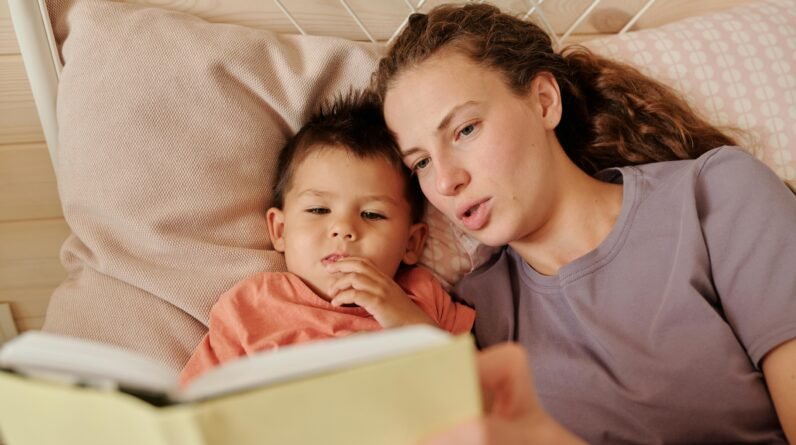
This image is property of images.pexels.com.
What is a calming bedtime stories for kids audio collection?
A calming bedtime stories for kids audio collection is a curated set of narrated stories designed to soothe, slow down, and guide children toward sleep. These collections usually prioritize gentle pacing, warm narration, minimal arousing sound effects, and content that encourages relaxation rather than excitement.
Why audio works so well for bedtime
Audio removes the visual stimulation that can keep a child wired, so the brain can focus on language and imagery without the dopamine hit from screens. It also lets you preserve your own voice energy and avoid nightly story-crafting burnout, because a good narrator can be as comforting as you are—without the drool.
You can keep your eyes closed (and sane)
When you use audio, you don’t have to read out loud every night or pretend you remember character names after a long day. This frees you to sit quietly, nurse a hot drink, or do that thing where you stare blankly at a wall and call it “meditation.”
Audio supports sleep physiology
Slow, steady narration and low-volume ambient soundscapes can match a child’s slowing heart rate and breathing, reinforcing the physiological processes that lead to sleep. The repeated, consistent cues of an audio routine also signal the brain that sleep is coming, building a predictable nightly rhythm.
Benefits for children and for you
You get less bedtime drama, and your kid gets improved sleep quality. That’s not hyperbole—consistent, calm bedtime routines are linked to better emotional regulation and cognitive functioning in children.
Emotional comfort and independence
Hearing a calm voice telling a story gives your child the emotional safety of a caregiver’s presence while encouraging gradual independence. They can fall asleep listening to the same voice again and again, which feels safe even when you need to leave the room.
Language development and imaginative play
Audio stories still encourage vocabulary growth, comprehension, and creative visualization—just without the screen-induced hyperactivity. Your child learns to build mental pictures, which is a crucial skill for reading comprehension and creativity.
Age-appropriate choices: what to pick for different stages
Choosing the right story depends heavily on developmental stage. The wrong story at the wrong age can be either boring or stimulating, neither of which helps your sleep agenda.
| Age group | Typical attention/span | Story length recommended | Story style and tone |
|---|---|---|---|
| 0–2 years | Very short; sensory-focused | 3–5 minutes | Soft lullabies, simple repetitive language, gentle sounds |
| 3–5 years | Short; loves rhythm | 5–10 minutes | Simple plots, soothing narrators, repetitive comfort motifs |
| 6–8 years | Increasing stamina | 8–15 minutes | Low-tension plots, cozy adventures, slightly richer vocabulary |
| 9–12 years | Longer attention | 15–25 minutes | Calmer chapter stories, guided imagery, low-action fantasy |
Babies and toddlers (0–2)
You want rhythmic repetition, simple language, and a voice that’s basically a sonic hug. Songs and short soft stories work better than plot-heavy tales that demand high attention.
Preschoolers (3–5)
Preschoolers thrive on simple arcs and repetition. Choose stories with comforting rituals (like a character brushing teeth or tucking in a toy), which reinforce your own bedtime steps.
Early elementary (6–8)
Light adventures are fine as long as stakes remain low and endings are restful. Narration should be deliberate and slower than conversational speed, to encourage drowsiness.
Older kids (9–12)
You can rely on longer, calm chapter stories, but avoid cliffhangers that will prompt “Wait, what happens next?” unless you want an immediate extension of bedtime. Calm fantasy, guided imagery, and low-key mysteries work well.

This image is property of images.pexels.com.
What to look for in an audio collection
Not all collections aimed at children actually lull anyone to sleep. Look for a combination of elements that reduce arousal and increase comfort.
| Feature | Why it matters | How to test |
|---|---|---|
| Narrator voice | The narrator’s tone and pacing are often the most important factors. | Listen to a sample: do you feel calmer after 30 seconds? |
| Pacing/tempo | Slower pacing helps the brain and body wind down. | Check if syllables are elongated and sentences are spaced. |
| Sound design | Minimal music and gentle ambient soundscapes are best. | Avoid tracks with sudden crescendos or loud percussion. |
| Content | Themes should be reassuring, not suspenseful. | Look for repetition, gentle routines, or guided imagery content. |
| Length control | Options to choose or auto-stop after a story help with sleep needs. | Verify if the app or files allow playing a single track or playlist. |
| Parental controls | You might want to limit access to energetic content later at night. | Check the app’s settings for profiles, timers, and content filters. |
Narration matters more than plot
Your child may not care about literary structure, but they will care about tone. A warm, slightly gravelly or whisper-soft voice often beats a high, singsongy narrator—even if the latter is “exciting.”
Music and sound effects: use sparingly
Bedtime audio should prioritize silence over elaborate soundscapes. Ambient sound can help if it’s consistent and gentle (like soft rain), but sudden birdsong or drum beats will ruin your zen.
Recommended types of stories and examples
You don’t need a single “perfect” story. You need a mix that can match night-to-night moods: extremely sleepy nights, rebellious nights, and “we forgot to nap” meltdown nights.
| Mood | Story type | Example elements |
|---|---|---|
| Very sleepy | Guided imagery and progressive relaxation | Body-scan, counting breaths, imagining a warm cabin |
| Settling after an active day | Cozy, domestic stories | Characters completing bedtime rituals, tea, pajamas |
| Imaginative but calm | Low-stakes fantasy | Gentle forest walks, cloud sailing, friendly animals |
| Short and sweet | Lullaby tales | 3–6 minute micro-stories with a clear, soothing end |
| Reassurance-needed | Attachment-focused stories | Stories highlighting love, safety, and return promises |
Sample story ideas to start with
- A tiny hedgehog slowly preparing for bed, counting stars as it snuggles into its leaf blanket. Two sentences, cozy rhythm.
- A gentle ocean tale where each wave breathes with the listener, encouraging in-out breathing. Use soft s-sound for the sea.
- A guided journey to a favorite imaginary treehouse where every branch is a memory of good things.

This image is property of images.pexels.com.
How to build a calming bedtime audio playlist
A playlist gives you flexibility and saves you from hunting down single files in the dark.
Basic playlist structure
- Start with a short welcome cue (15–30 seconds) that signals bedtime has begun.
- Follow with 1–2 short stories or a guided breathing segment (total 5–12 minutes).
- End with a longer, lowest-energy story or a slow ambient track (10–20 minutes) that can loop or fade out.
Sample playlist for a 20-minute bedtime
| Position | Track type | Approx. length |
|---|---|---|
| 1 | Soft bell/intro cue + breathing | 0:30–1:00 |
| 2 | Short micro-story | 4:00–6:00 |
| 3 | Guided imagery or cozy story | 8:00–12:00 |
| 4 | Soft ambient fade-out | 3:00–5:00 |
When to stop the audio
Set an auto-off timer or choose an app with a fade-out. If your child needs the sound all night, consider lowering the volume gradually every 10–20 minutes to encourage full sleep independence.
Making the most of the routine: habits that stick
Audio is a tool; the ritual you pair with it is what makes it reliable. Consistency is the unloved but effective parent of good sleep habits.
Keep the sequence the same
If your routine is bath > pajamas > audio > lights off, try to keep the steps predictable. Children are comforted by repetition, and a consistent sequence becomes a sleep trigger.
Use the audio as a transitional object
Some kids treat headphones or a favorite story as a comfort item. You can rotate digital “stuffies” (favourite narration voices) so the child doesn’t rely on screens or parent presence exclusively.
Acknowledge feelings first
If your kid needs five extra minutes of talking or a quick check-in, do that before the audio begins. Once the audio starts, try to stay minimal and calm—your energy matters.
DIY: Recording your own calming bedtime stories
You don’t need a studio to make effective bedtime audio. A quiet room, a simple script, and a slow voice can be deeply comforting.
Basic recording setup
- Use your phone’s voice memo app or a cheap USB microphone.
- Find a quiet room and turn off noisy appliances.
- Sit comfortably and speak at about 70–85% of your usual volume, with elongated vowels and relaxed pacing.
Script and pacing tips
- Keep sentences short and rhythmic. Break them with gentle pauses.
- Use sensory details that invite the child to imagine—soft fur, warm light, slow waves.
- End with a definite, calming conclusion like, “Now you’re tucked in, the stars are keeping watch, and your breath is slow and even.”
Sample micro-script (read slowly, pause often)
“Now your toes are warm like little dough balls baking in a quiet oven. One, two—your breath walks down your body like a tiny, helpful ladder. With each step you feel heavier and softer, until you are a sleepy, comfortable cloud.”
Editing and playback
Trim awkward starts and ends, normalize volume if your app allows it, and add a gentle fade-out. Test with a headset and listen for any sharp sounds or breaths to edit out.
Narration style: how to talk so kids will sleep
Your voice is a powerful sleep cue. You don’t need to be theatrical; you need to be steady and kind.
Pace, pitch, and pauses
- Speak 10–20% slower than your natural pace.
- Keep pitch in a comfortable mid-range; avoid singing unless it’s intentionally lullaby-like.
- Use long, intentional pauses—let sentences breathe so minds can form images.
Be comfortable with silence
Silence is not your enemy during bedtime. It allows your child’s imagination to do its work and prevents overstimulation.
Apps, platforms, and practical tech tips
A number of mainstream apps and platforms host calming kids’ audio, but they vary in content, controls, and privacy.
| Platform | Strengths | Things to watch |
|---|---|---|
| Dedicated kids audio apps | Curated content, child profiles, timers | Subscription may be needed |
| General meditation apps | High-quality guided imagery and sleep tracks | May have adult-oriented language |
| Audiobook services | Wide selection of narrated stories | Many titles have stimulating plots |
| Podcast platforms | Free content variety | Quality varies greatly |
| Self-hosted playlists | Full control, no ads | Requires you to create or source content |
Practical device tips
- Use a device with a reliable sleep timer or app fade function.
- Consider using a small Bluetooth speaker rather than headphones for toddlers.
- Keep volume low: test at bedtime and reduce if you can still hear high-frequency sounds.
Safety, privacy, and copyright
If you’re creating or curating audio for kids, consider legal and privacy issues. You don’t want to accidentally broadcast private stuff or infringe on creative rights.
Privacy with recordings
Don’t upload recordings of your child’s spoken voice to public platforms without consideration. Keep family files private or use trusted, private cloud storage.
Copyright basics
If you read or record a published story verbatim and distribute it, you may infringe copyright. Use original tales, public-domain works, or get permission. Many platforms require licensing for commercial use.
Troubleshooting common problems
Not every night will be a Cinderella-style swoon into sleep, and that’s okay. Here are fixes for common issues.
Problem: Audio makes kids agitated
Some children react poorly to overly textured sound or unfamiliar voices. Try swapping to a single consistent narrator, remove background music, and greatly slow the pacing.
Problem: Child refuses to stay in bed after audio ends
Introduce a gradual fading system or set the playlist so it ends with a quiet, reassuring closure. Use the same “lights-off” phrase every night.
Problem: The narrator’s voice irritates you
If your nervous system rebels at someone else’s voice, consider recording your own or picking a neutral narrator with a tone you can tolerate. You must be able to be present when the story runs.
Measuring success: what to expect
A single audio night won’t change habit patterns overnight, but consistent use over 1–4 weeks generally shows improvement in bedtime resistance and sleep onset times. Pay attention not only to how fast your child falls asleep but how often they wake and how they behave the next day.
Small wins matter
If your child starts going to bed with 10 minutes less resistance, celebrate that. Incremental progress is the sustainable stuff that actually changes sleep culture in your home.
When audio isn’t enough
Audio is a tool, not a panacea. If persistent sleep problems, anxiety, or behavioral changes occur, it might be time to consult a pediatrician or a sleep specialist. You’re aiming for rest—not heroic parental guilt work.
Look for red flags
Frequent night wakings that don’t respond to routine adjustments, daytime sleepiness, or significant behavioral regression are signs you should seek expert input.
Final tips and rituals that actually help
Simple habits amplify your audio strategy and make bedtime calmer for everyone involved.
- Dim lights progressively during the hour before bed to cue melatonin.
- Keep screens out of the bedroom at least 30–60 minutes before lights-out.
- Use the same phrase or sound cue to mark the official start of the routine.
- Keep emergency comfort items available (favorite blanket, stuffed animal), but pair them with audio so they’re not the only tool.
- Reduce sugar and heavy active play in the final hour before bed.
A short checklist to get started tonight
| Step | Action |
|---|---|
| 1 | Choose a 15–20 minute audio playlist with a gentle intro and a fade-out. |
| 2 | Keep lights low 30 minutes before bedtime. |
| 3 | Sit with your child for the first minute of the audio, then step back while the story plays. |
| 4 | Use a consistent phrase when lights out, and trigger the playlist the same way each night. |
You don’t need perfection—just a plan you can repeat. And if at 10:03 p.m. you’re still scraping glittery sticker sheets off the ceiling, know that the best-laid bedtime plans are flexible, and tomorrow is another chance to try the playlist again. Sleep is stubborn, but with a consistent calming audio collection and a little patience, you’ll both get there.
Get more creative knowledge build books and resources for happy minds at: https://booksforminds.com/