What Anastasia State Park feels like for you
Anastasia State Park Coastal Trails and Wildlife. When you arrive at Anastasia State Park, you notice small things that make a place feel like a living story: sand that hushes your footfall, live oaks that bend just so, a marsh that breathes with tides. You’ll find yourself shifting into a slower rhythm — not because you intended to, but because the park makes room for it. This is a coastal landscape where trails move you across dunes, maritime hammock, salt marsh, and tidal creeks, and where wildlife is the gentle, persistent protagonist.
A quick overview you can keep in your pocket
Anastasia State Park sits on Anastasia Island at the edge of St. Augustine, Florida. It covers roughly a large swath of barrier island habitats — dune beaches, maritime hammocks, tidal marshes, and salt flats — and offers a mix of short, interpretive trails and longer natural corridors that are ideal for hiking, birding, photography, and paddling. You’ll also find camping, picnic facilities, ranger programs, and access to the Matanzas River for paddling.
Why this park matters to you
The park is an accessible example of intact coastal systems that are increasingly rare. For you, it’s a place to notice patterns: the seasonal timing of migrations, the shaping power of wind and salt on plant life, the way dunes and marshes act together as storm buffers. It’s both a classroom and a place to practice paying attention.
How the landscape is put together
The park’s habitats are layered like chapters in a book, each supporting different species and experiences.
Dune and beachfront
You’ll start near the ocean, where sand and sea meet. Sea oats and low grasses stabilize the dunes, while the beach is a stage for shorebirds, ghost crabs, and nesting sea turtles. The beachfront is open and exposed, and every footstep is a small disturbance in a place dominated by wind and waves.
Maritime hammock
Move inland and you’ll find shady hammocks of live oak, cabbage palmetto, and other hardwoods that seem to have their own weather: cooler, stiller, and more secretive. This is where small mammals and songbirds like to retreat. The hammock feels domestic in a quiet way — leaves, light, and low conversations between wings and limbs.
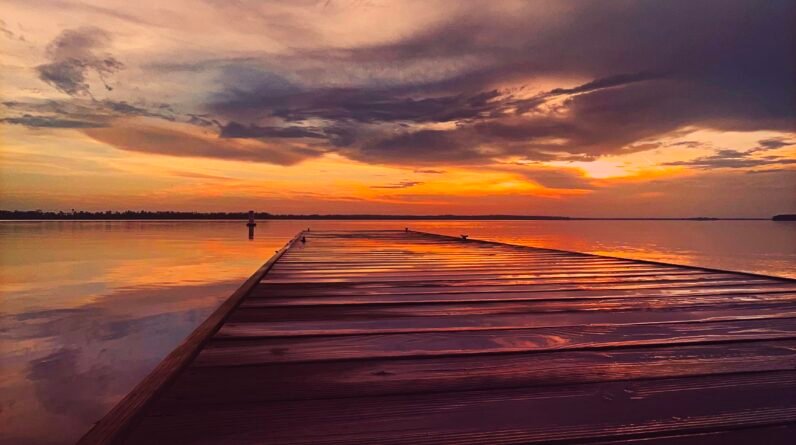
Have you ever wanted a day where the sound of the surf and the cry of a marsh bird arrange themselves into a kind of calm you can carry home?

This image is property of images.pexels.com.
On the landward side, tidal creeks and salt marshes hold a different pace. Spartina grasses, fiddler crabs, and an astonishing array of wading birds mark this zone. You’ll watch tides rearrange the available feeding grounds in a way that feels choreographed.
Transitional zones
Between these major communities you’ll notice scrubby patches, palmetto stands, and ephemeral wetlands. These edges are often where you’ll spot the greatest variety, because animals use them as corridors.
Trails — how they’re set up and what to expect
The park’s trail network is designed to give you a sequence of habitats rather than one long, continuous wilderness. Trails range from short interpretive loops to longer, unpaved stretches that require sturdier footwear. You can pick a short stroll and still have a meaningful experience, or commit to a longer loop that crosses multiple habitats.
Use the table below as a practical guide to typical trail types you’ll encounter and the experience each offers.
| Trail type | Typical length | Surface & difficulty | What you’ll likely see |
|---|---|---|---|
| Coastal boardwalk or beachfront path | 0.25–1.5 miles | Sandy, often graded; easy | Shorebirds, dunes, sea oats, nesting turtles (seasonal) |
| Hammock trail | 0.5–1.5 miles | Packed dirt, roots; easy to moderate | Songbirds, shade plants, small mammals |
| Salt marsh/tidal creek trail | 0.5–2 miles | Muddy at times, boardwalks in places; easy to moderate | Waders, fiddler crabs, fish flurries at high tide |
| Paddling trail (Salt Run/Matanzas River) | Variable | Water-based; beginner to intermediate | Herons, ospreys, mangrove or saltmarsh edges, manatees in season |
| Nature loops with interpretive signs | 0.25–1 mile | Easy | Educational stops on geology, ecology, and conservation |
If you want simplicity and contact with the ocean, choose the beach path. If you prefer birds and shade, take a hammock trail. If solitude and soft sounds are your aim, a tidal-creek walk near low tide will reward you. If you like to move silently and get low to the water, bring or rent a kayak.
Signature trails and features (what you shouldn’t miss)
Rather than hauntingly named dramatic trails, this park offers sequences: the beachfront stretch, a hammock ribbon, and a marsh edge that together make a small circuit you can walk in segments. Along the way, you’ll encounter interpretive signage, a visitor center, picnic spots, and access points for paddling.
- Beachfront dunes: Walk slow, listen for shorebird alarms, and note where sea oats hold dunes in place.
- Maritime hammock lanes: Pause under live oaks and look up for small birds and for the distinctive filter of light.
- Salt Run and marsh edges: Tide timing matters here; you’ll see more bird activity at certain stages.
Wildlife highlights — who you’ll meet and when
The park supports abundant and varied wildlife. You’ll notice seasonal patterns and daily routines if you pay attention.
Birds — for the birdwatcher in you
Birds are the most obvious inhabitants and the easiest wildlife to observe without intrusion. Year-round residents include gulls, terns, and some wading birds. Seasonal migrants and winter visitors swell the ranks in fall and spring, making this an especially rewarding place for birders.
- Common sightings: great blue heron, snowy egret, willets, pelicans, laughing gulls
- Seasonal watchers: migratory shorebirds in spring and fall; songbird migrants in hammock pockets
- Raptors: ospreys and occasional bald eagles can be seen hunting over water
Bring binoculars and a field guide, and you’ll find identification both satisfying and comfortably puzzling.
Sea turtles — a nighttime drama
If you’re visiting between May and October, you might witness the results of nesting season: tracks and nests along the beach. Loggerhead turtles are the most common nesters here; green and leatherback turtles nest less frequently. For you, the rule is observation from a respectful distance — night sightings are handled by park staff and volunteers to protect nesting turtles.
Mammals — small, watchful presences
You’ll likely notice raccoons near campsites, marsh rabbits in the grasses, and sometimes deer moving through hammock edges. Most are crepuscular — active at dawn and dusk — so plan your early or late walks carefully if you want to see them.
Reptiles and amphibians — sun-lovers and secret-keepers
Gopher tortoises live in dry, scrubby patches; various lizards sun on exposed roots and rocks; water snakes may appear near creeks. Frogs and toads vocalize in wetter microhabitats after rains. Be aware of your surroundings, and learn to recognize the harmless species and those that demand respectful distance.
Invertebrates — the small architecture of the park
Fiddler crabs, horseshoe crabs, ghost crabs, and a host of insects form the park’s base ecology. During spring and summer you may notice horseshoe crab spawning and the sudden, weather-driven abundance of insects and crustaceans feeding shoreline birds.
Best times to visit for specific interests
Timing will shape what you see. The park offers a different mood by season and by hour.
- Early morning: Best for birds and quiet solitude. Cooler temperatures and active wildlife make this a prime time.
- Late afternoon / dusk: Mammal activity increases; evening light is excellent for photography.
- Migration windows (spring and fall): Expect increased bird diversity and the possibility of rare migrants.
- Sea turtle season (May–October): Nighttime activity is controlled, but daytime signs of nesting — tracks and protected nest areas — are visible.
- Winter months: Mild weather and wintering shorebirds make for rewarding outings.
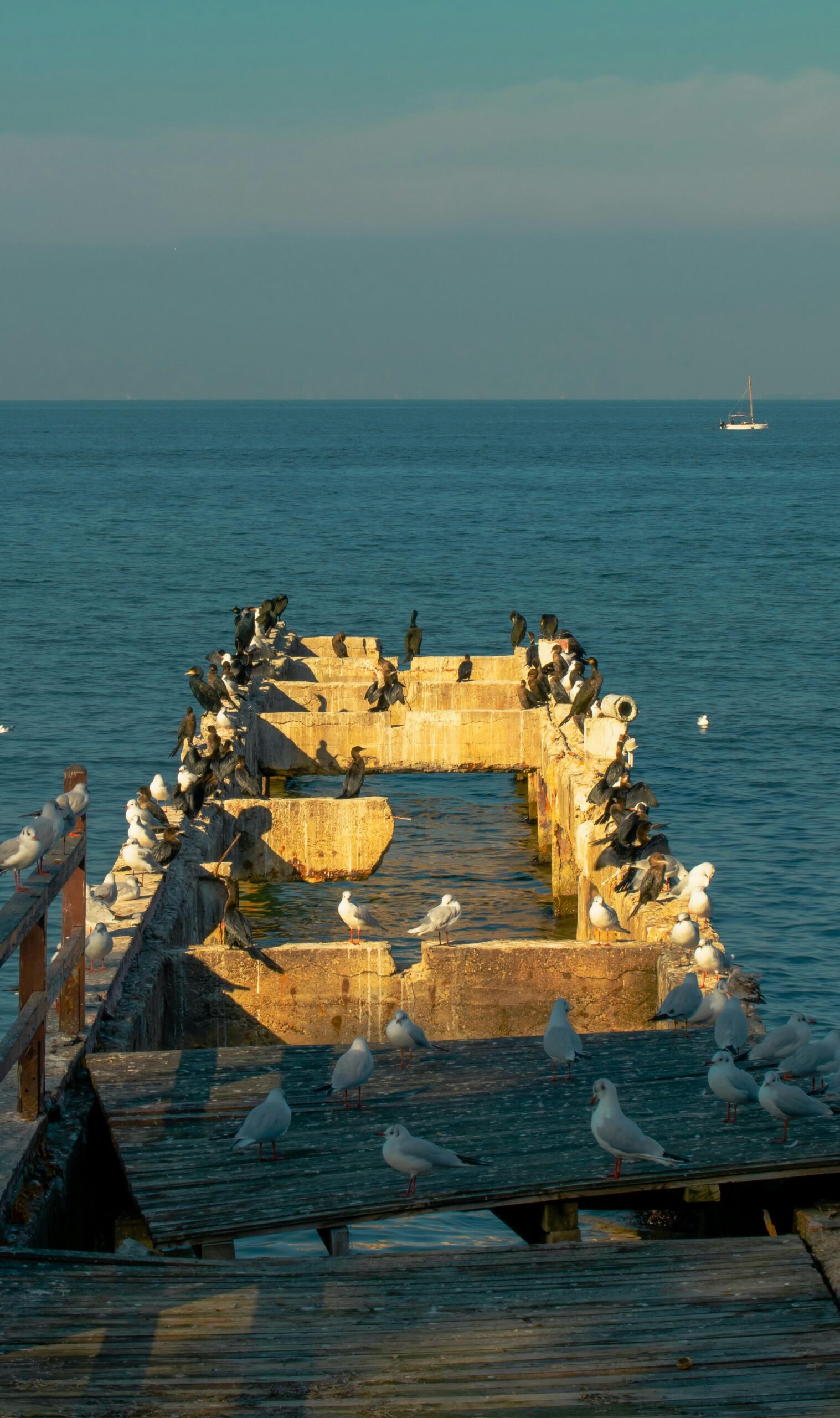
This image is property of images.pexels.com.
Paddling and water trails — a different angle on the park
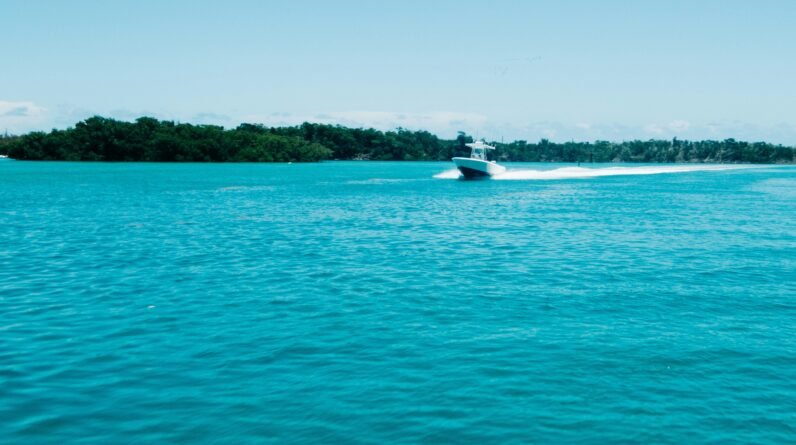
You can’t fully understand a coastal park without approaching it from the water. The Salt Run and Matanzas River offer calm water paddling where the shoreline vegetation reads like a map of habitat change. Paddling lets you watch herons fish, ospreys dive, and sometimes encounter manatees or dolphins at a respectful distance.
- Launch points: Designated canoe/kayak launches make entry into tidal creeks straightforward.
- Tidal timing: Check tide charts before you go. Wind direction will also alter the difficulty of your trip.
- Equipment: Bring a properly fitted life jacket, a dry bag for essentials, and water.
Practical table: Paddling quick facts
| Item | Tip for you |
|---|---|
| Launch type | Paddle launches on Salt Run/Matanzas River—usually shallow at low tide |
| Tide awareness | Low tide exposes flats and is good for birding; high tide allows you closer access to mangrove edges |
| Wildlife to expect | Herons, egrets, ospreys, occasional manatees and dolphins |
| Skill level | Beginner to intermediate—wind and tide can challenge novices |
| Safety | Carry life jacket, water, sun protection; file a float plan if solo |
Camping, facilities, and visitor services
If you decide to stay overnight, the park’s campground lets you extend your attention beyond a single day. Campsites range from basic tent spots to sites with electricity and water; there are also restroom and shower facilities. Rangers offer interpretive programs and sometimes guided walks that enrich what you’ll notice on your own.
- Reserve ahead: Sites can fill on weekends or holidays, so plan ahead.
- Quiet hours: Standard park rules mean quiet hours in the evening; it’s a gentle shared courtesy that works with wildlife rhythms.
- Fires and grills: Follow rules on fire rings and permit use; dune systems are fragile.
Safety, etiquette, and things you should do differently here
You can enjoy wildlife more by recognizing that your presence matters. Follow simple rules and you’ll have a deeper and less intrusive experience.
- Keep distance: Use binoculars or a telephoto lens. Approach slowly and quietly if you must approach at all.
- Leave no trace: Pack out what you bring in. Fishing gear, glass, and plastics can harm wildlife.
- Respect nesting areas: Follow signage and ranger directions, especially during turtle nesting season.
- Watch footing: Sand, roots, and boardwalks have different hazards — wear appropriate footwear.
- Beware of tides: Don’t get stranded on exposed sandbars or low-lying areas when tides come in.

This image is property of images.pexels.com.
What you should pack — a practical checklist
You don’t need to be extravagant to be well-prepared. The following list covers most day and overnight needs.
| Category | Items |
|---|---|
| Essentials | Water, snacks, sunscreen, hat, sunglasses |
| Safety | First-aid kit, whistle, fully charged phone, map or trail guide |
| Wildlife viewing | Binoculars, field guide, camera with zoom |
| Footwear & clothing | Sturdy sandals or hiking shoes, layers, rain shell |
| Beach-specific | Towel, sand-friendly footwear, shade umbrella (where allowed) |
| For paddling | Life jacket, dry bag, spare paddle, tide chart |
Photography and observation tips
You’ll get better pictures and better memories if you work with the light and the habits of animals.
- Golden hours are golden for a reason: early morning and late afternoon light improves color and texture.
- Be patient and small: movement startles birds; stillness often rewards you.
- Use a longer lens for birds and turtles; a wide-angle is great for beach scenes and hammock interiors.
- Watch the background: a clean horizon or a shady hammock can elevate a simple subject.
Conservation and stewardship — how you can help
Anastasia State Park is a protected place because people chose to protect it. You can contribute to its health in small but meaningful ways.
- Follow rules around nesting beaches and pets.
- Volunteer with guided beach monitoring or restoration projects through park or local programs.
- Support local cleanups and citizen science projects like bird counts and turtle monitoring.
- Stay informed about regional coastal management issues — your voice matters in local conservation conversations.
Volunteer and learning opportunities
If you want more than a single visit, the park offers educational programs and periodic volunteer opportunities. You can participate in beach cleanups, sea turtle monitoring (season and training dependent), and interpretive programs. These efforts make your visits richer and help protect the habitats you love.
Accessibility and family-friendliness — bringing others with you
The park offers accessible facilities in certain areas and a range of trail lengths to suit families and visitors with different mobility needs. Boardwalks and short interpretive trails are particularly good for children and those wanting an easier walk. Check the park website for current accessibility specifics before visiting.
Suggested itineraries — make the most of your time
Here are a few ways you might allocate your time depending on how long you can stay.
A focused two-hour visit
Spend an hour on the beach watching shorebird activity and searching for tracks, then take a short hammock trail to experience shade, song, and a different pace.
A relaxed half-day
Begin at dawn for bird activity, linger along the marsh edge at low tide, and finish with a sunset walk on the dunes.
A full-day with paddling
Start with a morning paddle up Salt Run, land for a hammock walk and picnic, then return to the beach for late afternoon birding and a shoreline stroll.
Overnight stay
Camp, attend an evening ranger talk if available, and do a sunrise walk for the best bird and mammal activity. Nighttime programs during turtle season can be meaningful if run by park staff.
Common questions you might ask (FAQ)
- Do you need a permit for drones? Most state parks restrict drone use. Check current park rules before you bring one.
- Can you fish in the park? Yes, in designated areas and with required local or state fishing licenses. Follow regulations posted at the park.
- Are dogs allowed? Dogs are typically allowed on a leash in many Florida state parks but not on nesting beaches or in certain sensitive areas. Confirm rules for Anastasia before you arrive.
- What should you do if you find a stranded or injured animal? Contact park staff or local wildlife rescue authorities; do not attempt to handle wildlife yourself.
A few thoughtful practices for the conscientious visitor
If you want to leave the place as good as you found it — or better — a few small habits make a big difference.
- Stick to designated trails to protect root systems and dune stability.
- If you bring a dog, carry waste bags and keep pets away from nesting areas.
- Use reef-safe sunscreen; run-off from sunscreens can affect marine life.
- Report any unusual wildlife behavior or hazardous debris to park staff.
Final thoughts — what you carry home
You won’t leave Anastasia State Park with a checklist finished and a sense that you’ve conquered it; instead you’ll bring home smaller, quieter things: an altered sense of pace, a new name for a bird, an interest in tides, the memory of a marsh smell after rain. If you return, you’ll notice changes — a new nest, a different migration pattern, the subtle remaking of a dune after a storm. That’s part of what makes coastal places like this both fragile and endlessly rewarding: they are always in the act of becoming.
When you plan your visit, give yourself some slack. Some of the best moments — a heron frozen mid-strike, a turtle’s track, the whisper of wind through sea oats — require you to be present and patient. Bring good footwear, respect the rhythms of the land and its animals, and you’ll find that this is a place that rewards attention with a kind of calm you can bring back into your everyday life. Get more creative knowledge build books and resources for happy minds at: https://booksforminds.com/