Heritage Village Living History at Largo
Heritage Village Living History at Largo. You’ll find Heritage Village as a place that prefers ordinary stories to grand gestures, and it invites you to pay attention. It’s a living-history site where structures and objects stand in for people’s day-to-day lives, and where the past is presented as a neighborhood rather than a monument.
Heritage Village in Largo, Florida — a sense of place
When you arrive, you notice how the Florida light turns paint and tin into small theatrical backdrops for human scale objects. The site is intentionally domestic: a collection of houses, shops, and public buildings arranged so you can walk from parlor to porch and sense continuity with the present.
Why Heritage Village matters to you
You may come for a quiet walk, a family outing, or a deeper engagement with community memory, but you’ll leave with a clearer sense of how ordinary lives shaped the region. The museum’s emphasis on lived experience helps you connect personal curiosity to broader historical currents in Florida and American life.
The mission and approach
Heritage Village presents history through preserved buildings, artifacts, and interpretive programming that emphasize daily routines and community practices. The approach is unflashy and humane, giving you lots of small entry points for understanding—objects, recipes, work rhythms, and interpersonal dynamics—rather than a single sweeping narrative.
Setting and atmosphere
The site is laid out so you can move from one vignette to another, each one offering a modest scene: a table with faded linens, a pot on a stove, a shelf of bottles labeled in graceful old script. These domestic details invite you to imagine how people organized their lives, and you’ll likely find yourself lingering over an everyday object that suddenly seems eloquent.
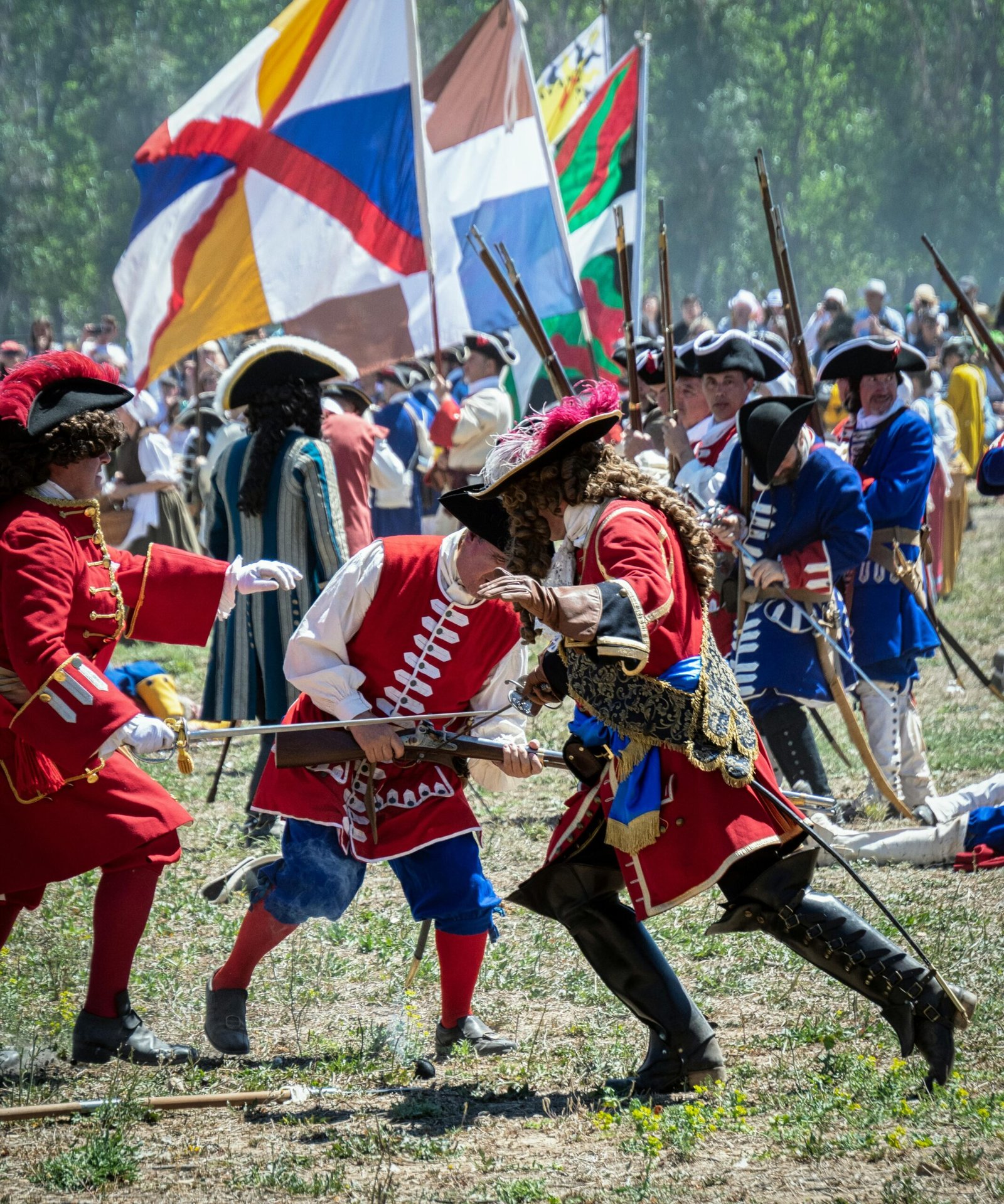
This image is property of images.pexels.com.
A brief history of the site
Heritage Village is built around the idea of rescuing and re-situating historic structures so they can be interpreted together as a community. The site grew from grassroots interest in preservation and from official support for cultural stewardship, and it reflects decades of collecting and interpretation. The story of the site itself mirrors the processes of memory and preservation: moved buildings and donated objects converge to create a narrative that is partial but purposeful.
How the collection came together
You can think of the collection as a patchwork sewn from many donors and small civic decisions. Over time, local families, historical societies, and government entities contributed buildings and artifacts, so the village increasingly resembled a neighborhood intentionally assembled to show a region’s development. In that way, the site itself is a material history of civic commitment.
The interpretive work here tends to favor human-scale stories: recipes, market lists, schoolroom routines, and tools of daily labor. If you prefer grand architectural histories or sweeping political narratives, you’ll still find those threads, but the emphasis remains affectionately small. You’ll often learn history by attending to what people actually did in their kitchens, shops, and backyards.
What you’ll see: buildings and spaces
The village presents a range of structures typical of rural and small-town life from the 19th and early 20th centuries. As you walk, you’ll move through domestic spaces, civic buildings, commercial venues, and agricultural outbuildings. Each stop is staged to help you imagine routine life: a schoolroom with ink wells, a general store with jars of penny candy, a church with hymnals worn soft by hands.
Typical building types and examples
Below is a helpful table that organizes the kinds of structures you’ll encounter and what they generally represent so you can decide what to focus on during your visit.
Building type | What you’ll see | Why it matters |
|---|---|---|
One-room schoolhouse | Wood desks, slate boards, simple teaching materials | Shows how education was organized and how communities invested in children |
General store | Shelves of labeled tins, scales, ledger books | Reveals local commerce, credit systems, and social exchange |
Church | Pews, piano or organ, community records | Center of communal life and ritual, marking births, marriages, and funerals |
Farmhouse and outbuildings | Kitchens, bedrooms, tools, smokehouse | Demonstrates domestic labor, food preservation, and agricultural practices |
Railroad depot or station | Timetables, freight records, bench seating | Connects local life to the wider transportation and economic networks |
Blacksmith or workshop | Tools, anvils, workshop benches | Shows craft, repair culture, and the material demands of daily life |
Gas station/garage | Pumps, signage, simple repair equipment | Marks the transition into motorized culture and changing mobility |
Layout and pathways
The pathways between buildings are part of the interpretive plan; they lead you logically from public spaces to private ones, creating a rhythm to your visit. You can take a short loop or a longer route depending on your interests, and each route will include opportunities for conversation or reflection.
Programs, demonstrations, and living-history events
You’ll often find craftspeople, interpreters, and volunteers performing period-appropriate activities to show how things were done. These programs are designed to be tactile and conversational so you can ask questions and see processes at work. Whether you attend a scheduled demonstration or happen upon a volunteer shelling peas, the site encourages a participatory kind of learning.
School programs and field trips
The village is particularly suited to school visits, where curricula often emphasize hands-on learning about local history, government, and community practices. If you’re bringing children, you’ll notice that the programming tends to be sensory and activity-based, which helps young learners make concrete connections to abstract historical concepts.
Workshops and seasonal events
Throughout the year, the site typically hosts workshops—on folk crafts, historic cooking, or preservation techniques—and seasonal events that recreate community rituals. These programs let you see how rhythms of work and celebration structured life and how communities adapted to seasonal cycles.
Educational resources and research
You can use the village as a starting point for research into family history, local architecture, or material culture. The staff and volunteers often have archival knowledge and can point you to documents, photographs, and oral histories that complement what you see on-site. If you have a specific inquiry—about a building style or a family name—the site can often help guide your next steps.
Archives and collections
The site houses artifacts and records that are useful for genealogical and local-history research. You’ll likely encounter boxes of labeled photographs, ledgers, and oral histories that illuminate personal stories. These materials are often accessed by appointment or during special research sessions.
Interpretive materials
You’ll find interpretive signage and printed guides that give both context and curious detail. These materials are designed to complement your observations without overwhelming them, offering dates, provenance, and suggested avenues for further reading.
Volunteerism and community involvement
You’ll discover that the village depends heavily on volunteers whose knowledge and care animate the displays. Volunteering is a way to participate in preservation, interpretation, and program delivery, and you’ll often meet volunteers who have personal family stories tied to the region. Volunteering can be quietly rewarding: you help preserve objects, you learn new skills, and you contribute to a communal memory project.
How you can get involved
If you’re interested in volunteering, you’ll typically find flexible roles—docent, workshop assistant, gardening help, collections care—that match different interests and time commitments. Staff usually provide training and support, and you’ll work alongside others who share an interest in tangible history.
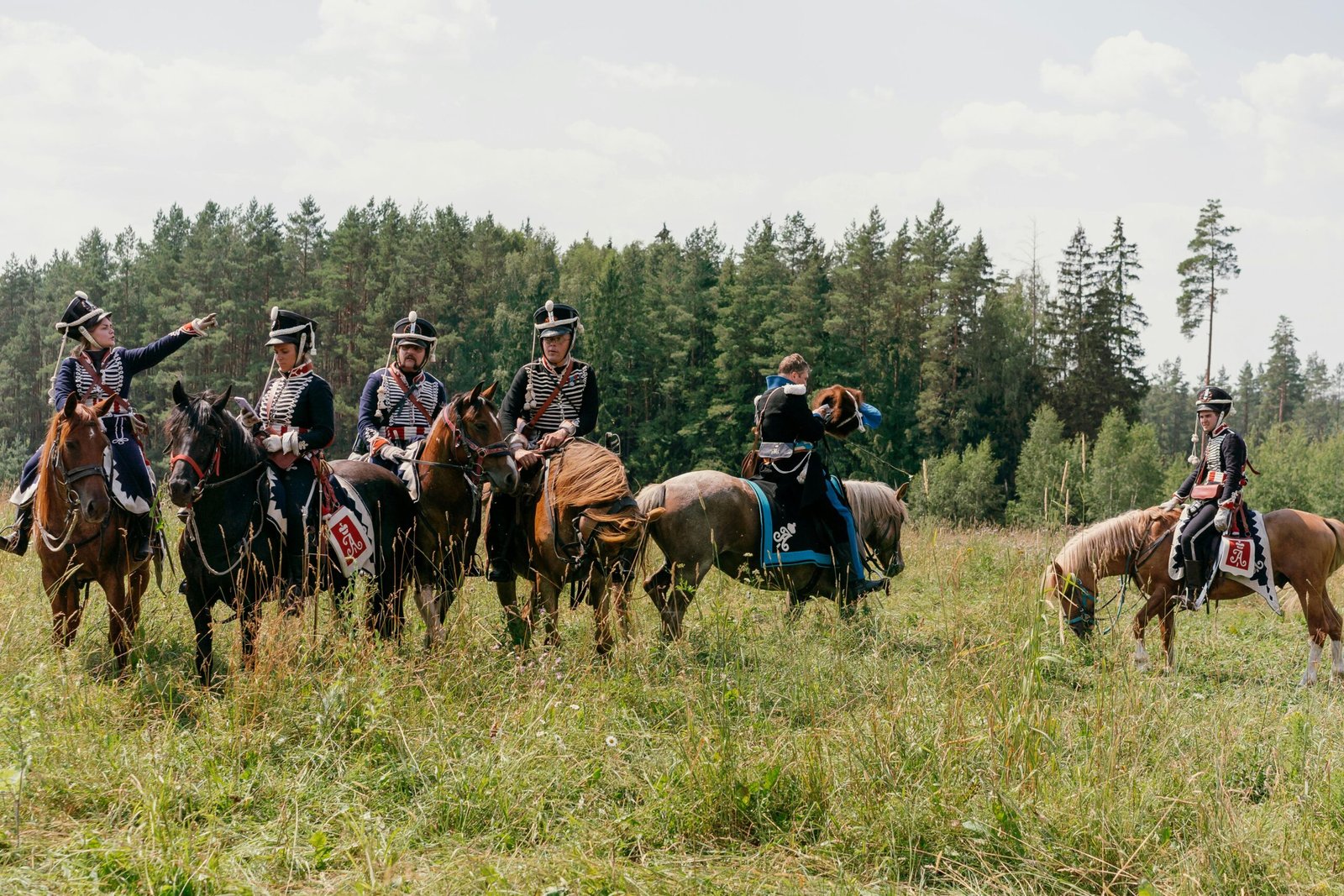
This image is property of images.pexels.com.
Preservation and conservation work
You’ll notice that preserving buildings requires ongoing care: paint, roofing, humidity control, and pest management. The museum’s conservation efforts balance staying true to historic fabric with practical measures that keep structures safe for public use. You may find conservation notes on restoration projects that explain choices and materials.
Challenges of keeping history alive
Preservation is an ongoing negotiation between authenticity and accessibility. You’ll see this in decisions about how to present fragile objects, how to retrofit buildings for safety, and how to interpret gaps when provenance is incomplete. These decisions are often made transparently so visitors can appreciate the complexities.
Planning your visit — practical information
You’ll want to plan ahead so you can make the most of your time. Although specifics like hours, admission fees, and parking can change, there are common practicalities you can prepare for: comfortable shoes for walking, a hat for Florida sun, and an openness to conversing with staff or volunteers.
Visitor information at a glance
Here’s a practical table with typical visitor information categories and guidance about what you might expect. Always confirm details on the official site or by phone before you go.
Visitor detail | Typical guidance |
|---|---|
Hours | Many heritage sites are open during daytime hours, often with limited mid-week schedules; plan for a half-day visit |
Admission | Sites may offer individual, family, and group rates; discounts may apply for students and seniors |
Parking | Onsite parking is commonly available and often free; accessible parking spaces are usually provided |
Accessibility | Many sites provide accessible paths and restrooms, but some historic buildings have limited access due to preservation constraints |
Facilities | Expect restrooms, shaded seating, and occasional picnic areas; food concessions vary by season and event |
Group visits | Call ahead for group tours or school programs; guided tours may be scheduled by appointment |
Getting there and nearby amenities
When you plan your route, note that Heritage Village is located in Largo, which sits within Pinellas County on Florida’s Gulf Coast. The town has nearby restaurants, parks, and other cultural resources, so you can combine your visit with a longer local itinerary. If you’re coming from out of town, allow extra time for traffic during peak tourist seasons.
If you are driving, you’ll likely find parking on-site or nearby; some visitors arrive by bicycle or rideshare. Public transit options vary, so you may want to check local bus routes if you’re not driving. For family groups, driving remains the most flexible option.
What to bring and how to dress
You’ll be comfortable if you wear layered clothing and sturdy shoes suited for uneven historic walkways. Florida weather can shift between sultry humidity and brief rain, so a lightweight rain jacket and sun protection are sensible. A small backpack with water, a notebook, and a camera (where permitted) will make your visit easier and richer.
Photography and conduct
You’re usually welcome to take non-flash photos for personal use, but flash and tripods may be restricted to protect artifacts. If you’re unsure about a room or object, ask an interpreter—people at the site often appreciate your curiosity and can suggest the best vantage points and respectful practices.
Accessibility and family friendliness
You’ll find that the village tries to be welcoming to a broad range of visitors, though historic buildings naturally present challenges. Many programs are designed for children and families, offering hands-on activities that make history tactile and memorable. If you have mobility concerns, check in advance about which buildings are accessible and whether staff can provide alternate ways to experience inaccessible spaces.
Tips for visiting with children
If you bring children, set expectations about indoor behavior while also pointing out opportunities for tactile engagement, such as hands-on demonstrations or activity sheets. Children often respond well to narratives like “what did kids do at school” or “how did families cook,” which connect their modern experience to historical routines.
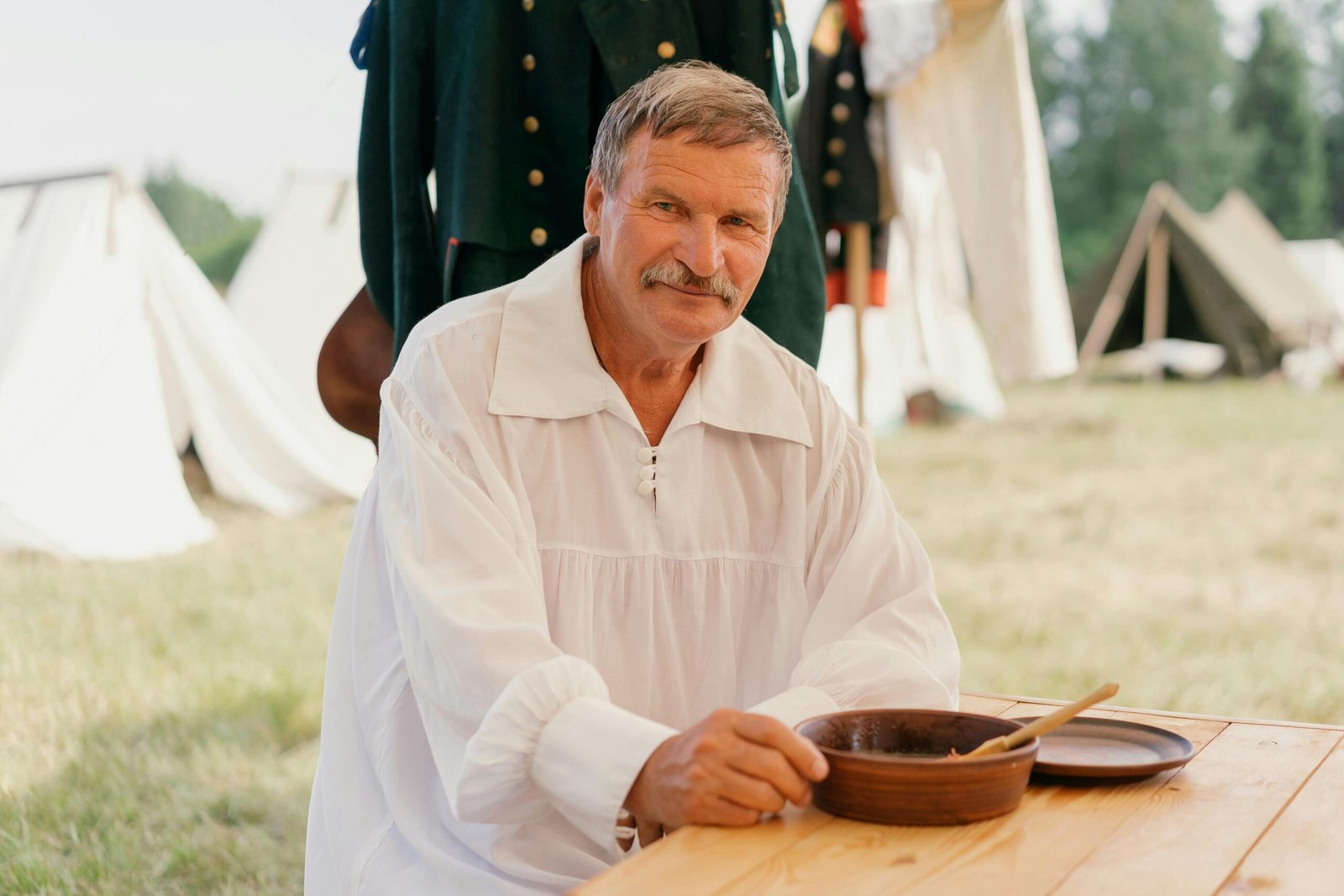
This image is property of images.pexels.com.
Nearby cultural and natural attractions
When you’re planning your day, consider pairing the village visit with other local destinations—museums, waterfront parks, or botanical gardens. If you have time, strolling along nearby shorelines or visiting local markets can give you a fuller sense of how historical livelihoods shaped contemporary landscapes.
Researching further: sources and next steps
If your visit sparks curiosity, you can pursue deeper research in local archives, public records, and library collections. The staff can usually point you to relevant repositories, and many regional historical societies maintain digitized photographs and oral histories that you can access remotely.
How to frame your questions
You’ll have better success if you come with specific questions—family names, building styles, or economic activities—to help staff direct you to surviving records. Open-ended curiosity is welcome, but a focused question often yields quicker paths to archival material.
Special considerations: interpretation and perspectives
You’ll notice that interpretation choices reflect particular emphases—domestic life, community rituals, or technological change. It’s worth reflecting on what’s visible and what’s absent: whose stories are foregrounded, and which experiences are more peripheral. Good museums invite that kind of critical attention and sometimes offer programs that address underrepresented perspectives.
Inclusive storytelling
You may encounter efforts to include the experiences of diverse communities, including laborers, immigrants, and women whose work is often less visible in traditional accounts. Interpreters increasingly incorporate multiple viewpoints to give you a more nuanced understanding of how the past formed the present.
Frequently asked questions
Here are some common questions you might have, answered in a way that helps you plan or reflect on your visit.
Is the site suitable for a full-day visit?
Yes, you can spend a half day or a full day depending on your interest. If you’re particularly interested in workshops, tours, or archival research, plan for a longer stay and call ahead to book specialized sessions.
Can I bring a picnic?
Often you can, though designated areas may be provided to protect the site. It’s considerate to follow posted guidelines and leave no trace so the historic landscape remains enjoyable for future visitors.
Are dogs allowed?
Policies vary; service animals are typically permitted, while pets are often restricted due to preservation concerns. Check current visitor rules before you plan to bring a pet.
Can I hold an event or rent space?
Many historic sites offer rental opportunities for small events, lectures, or workshops. If you’re thinking about a private event, contact the site’s staff to learn about available spaces, restrictions, and support services.
Tips to get the most from your visit
When you go, move slowly and notice small things: the scuffs on a floorboard, chalk marks in a schoolroom, or labels in a general store ledger. Ask questions of volunteers and staff—they usually have delightful details. Bring a notebook or record your impressions, because the particularity of objects often generates meaningful personal connections.
Conversation starters for visits
If you want to strike up a conversation, ask about provenance stories: “Where did this come from?” or “How did the museum acquire that?” Such questions tend to elicit human stories about donors, rescues, and decisions—stories that make the site feel less like a display and more like a community of memory.
The personal payoff of visiting
You’ll likely find that a visit rewards attentiveness. The small artifacts—an embroidered handkerchief, a ledger with neat entries, a child’s slate—carry ordinary human traces that help you recognize continuity across time. Spending an hour or an afternoon in a place like Heritage Village often changes how you think about your neighborhood, your family, or the everyday objects around you.
Volunteers’ voices and community memory
Volunteers often tell stories that bridge the interpretive materials and lived experience. They may share family anecdotes or restoration challenges, and those narratives make history feel like something people did rather than something that happened to them. If you’re curious, ask a volunteer for a favorite object story; you’ll come away with a personal narrative that lends texture to the broader historical outline.
How the village nurtures stewardship
By making history tactile and local, Heritage Village invites you to care. You may become more attentive to the built environment, to intangible heritage like recipes and music, or to preservation efforts in your own neighborhood. The site fosters a sense that stewardship is an everyday activity, not only the job of institutions.
Planning for accessibility and comfort
If you require mobility accommodations, sensory-friendly resources, or family-centered facilities, call ahead to learn what the site can provide. Staff can usually suggest routes that minimize stairs or point out quiet times for a less crowded visit. With a little planning, you can shape your experience to match your needs.
Concluding thoughts
You’ll leave Heritage Village with a quieter attention to detail and a renewed appreciation for how ordinary lives accumulate into history. The site doesn’t ask you to admire grandeur; it asks you to notice a kettle’s patina, a ledger’s shorthand, or the way a porch organizes afternoon conversation. That modest invitation often proves surprisingly moving.
Further reading and resources
If you want to continue learning, start with local histories, oral-history collections, and public archives. Libraries, county historical societies, and university collections often hold additional photographs, maps, and documents that expand what you see on-site. Staff at the village can point you toward trustworthy sources that match your interests.
Next steps after your visit
You can support the work by volunteering, donating, or participating in programs; even sharing a story of your visit with friends helps keep the project alive. If you’re working on family history, bring what you find to the staff and ask how it might connect with the village’s records. History feels most alive when it becomes a shared conversation.
If you’d like, I can help you prepare a checklist for your visit, draft questions to ask volunteers, or summarize resources for deeper research. Get more creative knowledge build books and resources for happy minds at: https://booksforminds.com/