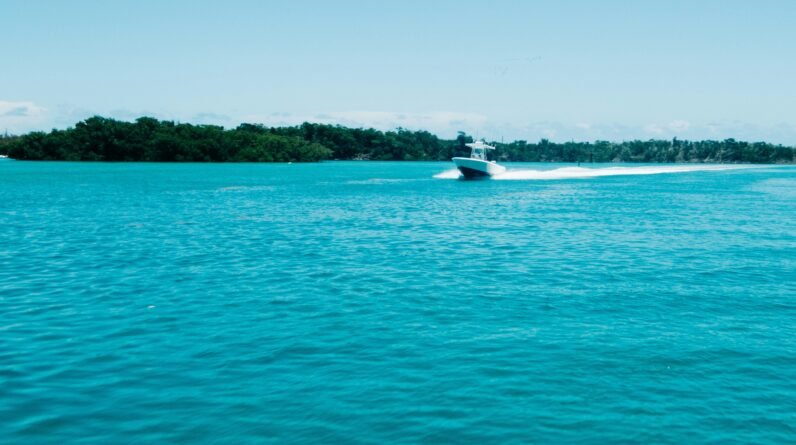
The Indian Key Historic State Park: Tales of a Forgotten Island
The Indian Key Historic State Park. You will find, just off the Overseas Highway in the Upper Florida Keys, a tiny island that carries a disproportionate amount of history. The island’s ruins, mangrove fringes, and low, stubborn palms are modest in appearance, but they bear traces of bustling commerce, human ambition, and sudden violence that reshaped lives and left the place to memory.
Where Indian Key sits in the Keys
You can see Indian Key on maps as a small dot near Long Key and the town often associated with it, Islamorada. It sits in relatively shallow water and is reachable only by boat, which means you approach it the way residents once did—by water and with attention. The location made the island ideal for wrecking and trade in the 19th century and inconvenient for large-scale redevelopment later.
Quick facts at a glance
You may appreciate a concise snapshot before you go deeper into the island’s stories. This table gives you essential, practical facts to orient yourself.
| Item | Detail |
|---|---|
| Location | Upper Florida Keys, near Long Key and Islamorada |
| Access | Boat-only (private boat, kayak, or authorized tour boat) |
| Park status | Florida State Park; historic site with ruins and interpretive signs |
| Public facilities | Limited — expect primitive conditions; check local park info before visiting |
| Primary attractions | Ruins of 19th-century structures, interpretive trails, boating, snorkeling nearby |
A brief landscape description
When you approach Indian Key, the scale of everything shrinks in the most honest way. The island is low and flat, with vegetation that looks like it has learned to live on salt and wind. The shoreline alternates between mangrove tangles and small sandy edges, and the central area keeps the stone and brick traces of past buildings. You won’t find towering monuments; the story is in the small, ordinary things.
The island before European settlement
You may expect the narrative to begin with a settler, but the Keys were home to indigenous people long before Europeans arrived. The land and the sea provided food and routes for trade and movement. You can imagine families living seasonally on islands and mainland coasts, harvesting fish, shellfish, and the seasonal produce of the wetlands. The subtlety of that existence—knowledge of tides, storm patterns, and marine life—shaped how people used these small islands for generations.
Indigenous presence and early encounters
You should know that European contact introduced profound change. Early explorers, fishermen, and traders transformed local economies and relationships. Over time, as the maritime economy of the Keys shifted toward wrecking, salvage, and shipping services, the social tapestry of islands like Indian Key changed as well. You might imagine the islands as both refuge and crossroads—places where different people met, traded, and sometimes clashed.
The 19th-century boom: wreckers, traders, and a bustling little town
You can think of Indian Key in the 1830s and 1840s as a compact business district where the sea’s hazards created opportunities. The Keys’ proximity to shipping lanes meant that vessels frequently ran aground on reefs and shoals. Wreckers—men with local knowledge of tides and reefs—would salvage cargo and sell it, and this salvage economy made small islands into hubs for commerce. Indian Key became one of those hubs, with stores, a hotel, and a population that included Bahamians, Americans, and other residents connected by maritime work.
Who lived and worked there
You may picture a patchwork community: wreckers and boatmen, merchants who bought and resold salvaged goods, and households that supported these trades. Some residents were from the Bahamas and other Caribbean islands, bringing maritime skills and networks. Others were mainland entrepreneurs who saw the Keys as business opportunities. The result was a lively, if precarious, economy—one built on the sea’s generosity and its dangers.
Jacob Housman and island entrepreneurship
You might hear one name often when you read about Indian Key: Jacob Housman. He was a businessman from Key West who invested heavily in Indian Key’s development. Housman’s buildings and enterprises, including a two-story stone house and a hotel-like establishment, made the island a visible reminder that someone with resources believed the island could be a sustainable community center. He was both practical and ambitious in his pursuits, and his presence typified the entrepreneurial spirit that animated many small Florida settlements at the time.
Housman’s influence and limitations
You should keep in mind that Housman’s success was not guaranteed. Operating on a small island with limited resources and constant weather threats meant that businesses were always balancing risk and reward. Housman’s investments brought more permanent construction and economic gravitas to Indian Key, but they also tied the island’s fate to a handful of people and enterprises. In that way, the community’s prosperity was both an achievement and a fragile thing.

This image is property of images.unsplash.com.
The 1840 attack and its consequences
You may find the turning point for Indian Key grim and decisive. During the conflicts known broadly as the Seminole Wars, tensions and violence extended into the Keys. In August 1840, Indian Key was attacked by Seminole warriors. The assault led to deaths and substantial destruction, with buildings burned and residents forced to flee. That event significantly weakened Indian Key’s role as a commercial center and set the island on a path toward abandonment.
After the attack: decline and abandonment
You should understand that recovery was neither easy nor automatic. After the attack, many residents left for safer, larger communities such as Key West. The wrecking economy shifted to other islands and ports. Housman and others saw the writings on the wall; rebuilding on a tiny, vulnerable island with reduced population and ongoing threats seemed unwise. Over decades, Indian Key became a place of ruins rather than a center of commerce, and its buildings slowly moved from functioning structures to fragments of memory.
Archaeology and the remains you can see
You will likely notice, as you walk the island, foundation walls, partial chimneys, and scattered artifacts embedded in the soil. Archaeologists have studied Indian Key to understand its occupations, architecture, and the daily lives of its residents. Excavations and surveys revealed household objects, building materials, and other mundane items that tell you more about ordinary lives than dramatic headlines ever could.
What the ruins tell you
You should pay attention to the small details—broken ceramics, beds of shell, and the patterns of stonework. These things reveal trade connections (what an island purchased), household structure (how people lived), and even social status. Architecture shows you what residents valued: sturdier stone construction where there was money or purpose, and lighter frame buildings where speed and necessity mattered. The physical layout tells you about the island’s economy—where storage was placed, how docks and boat access were organized, and how family and work spaces overlapped.
Flora and fauna: the island’s living story
You may enjoy watching the birds and reading the shoreline for signs of life. Indian Key today is a habitat for coastal plants, shorebirds, and marine life. Mangroves hold marine nurseries within their roots, fiddler crabs flick across the mud, and wading birds pick through shallows. The ecological quiet of the island is part of what makes it a good place to reflect on history; nature both preserves and obscures human traces.
Marine life and coral
You should not miss the waters around Indian Key: they are home to seagrass beds, reef patches, and a range of fish species. These ecosystems were as important in the past—feeding residents and supporting boats—as they are now, sustaining biodiversity and offering snorkeling opportunities. While the coral reefs have experienced stress from storms and human impacts, they still host vibrant marine communities near the island.

This image is property of images.unsplash.com.
Visiting the site today: practicalities and atmosphere
You will need to plan for a boat trip—Indian Key has no bridge or regular road access. That fact preserves a certain intimacy. When you arrive, the island is typically calm, its ruins and paths suggesting human stories without shouting them. The park is managed to protect both historical remains and natural features, so you’ll find interpretive signs and an expectation that you tread lightly.
What you can and cannot do
You should expect limited amenities. There are interpretive markers, a short walking trail, and primitive facilities at best. Camping and fires are generally not permitted, and you should follow Leave No Trace principles. Swimming, snorkeling, kayaking, and responsible boating are commonly allowed, but you must respect protected areas, posted rules, and wildlife.
Interpretation and storytelling on the island
You may notice that the park’s interpretive materials emphasize both historical fact and human experience. That’s fitting, because Indian Key’s significance lives in the intersection of commerce, family life, conflict, and daily survival. The park’s signs and any guided talks aim to connect you to the people who once lived there—not merely to recite dates, but to make their choices and vulnerabilities feel comprehensible.
How to read the landscape as a narrative
You should practice slow looking: find a foundation wall and imagine the family it sheltered, then turn toward the water and think about where boats might have landed. Consider the noises you don’t hear—no crowded docks, no constant traffic—and how that absence changes the way you understand the island. History is not only events; it’s the way people arranged their homes, goods, and rituals against nature.
Preservation efforts and stewardship
You may be curious about how ruins survive centuries. The island is a state-managed historic park, which means that Florida’s park system works to protect archaeological resources, maintain trails, and educate visitors. Preservation is both practical and philosophical: it involves stabilizing structures so they don’t crumble completely, cataloging artifacts so knowledge is preserved, and deciding what to leave to nature.
Challenges of preservation in a coastal environment
You should know that salt, storms, high humidity, and sea-level changes make preservation challenging. Conservation specialists balance the desire to preserve structures with the reality that some materials will deteriorate. In many cases, management accepts a careful amount of natural decay while documenting what can be recorded and protecting what can be held in place.
Stories and myths: how the island enters local imagination
You will encounter stories that embellish or romanticize Indian Key’s past—tales of pirates, dramatic sieges, or larger-than-life characters. Those narratives matter because they shape how people feel about the place. But you should also appreciate the more ordinary stories: the families who lived there, the workers who rescued cargo in storms, the merchants negotiating prices. The island’s fascination comes from the mixture of myth and mundane that frames how you imagine the past.
Oral histories and local memory
You should listen to local guides and archives with a mixture of curiosity and critique. Oral histories capture personal recollections, family stories, and interpretations that academic records may miss. At the same time, memory reshapes the past. The useful approach is to treat oral history as a complementary lens—an emotional, human layer that illuminates as much as it distorts.
Safety, etiquette, and responsible visiting
You will want your visit to be pleasurable and respectful. That means planning for sun, salt, and the small inconveniences of a primitive site. Bring water, sun protection, and secure footwear. Follow posted rules, do not remove artifacts or natural materials, and keep a respectful distance from wildlife. If you see fragile ruins, photograph rather than touch. Your choices as a visitor shape the island’s future.
A short checklist before you go
You may appreciate a quick caretaker-style list to make sure you’re prepared. The table below gives a simple checklist to reduce surprises.
Item | Why it matters |
|---|---|
Water and snacks | No full-service amenities on the island |
Sun protection | Shade is scarce and midday sun is strong |
Sturdy shoes | Trails and ruins can be uneven |
Water shoes or sandals | Helpful for shallow landings and snorkeling |
Trash bag | Leave no trace; take out what you bring in |
Camera and binoculars | For documenting ruins and watching birds |
Respectful curiosity | Leave artifacts in place; follow park rules |
How Indian Key fits into broader Florida history
You may think of the Keys as a series of charming islands, but they were also strategic and economic points in nineteenth-century Florida. Indian Key’s wrecking economy illustrates how local knowledge can turn hazards into livelihood. Its decline reveals how political conflict and shifting economics change human geography. The island’s story is not just about a single place but about how communities respond to opportunity and danger on a narrow margin of land.
Have you ever wanted to stand where a small, once-thriving community once kept its secrets and watch the water hold those stories like a quiet listener?

This image is property of images.unsplash.com.
Connections to regional themes
You should see Indian Key as part of broader themes: maritime capitalism, colonial and indigenous tensions, migration from the Caribbean, and federal involvement during wartime periods. Its fate mirrors that of many small coastal towns that rose quickly around a specific economic niche and then receded when that niche shifted or when outside events intervened.
Educational opportunities: what you can learn there
You will find that visiting Indian Key is a lesson in layered history. The site is an outdoor classroom for topics including maritime commerce, archaeology, ecosystem dynamics, and cultural encounters. You can teach yourself—or bring a group—to read the ruins, practice careful observation, and place small, tangible artifacts in a broader historical framework.
Activities that enrich your visit
You may find the following activities rewarding: sketching layout plans of ruins, journaling about imagined daily routines of past residents, photographing patterns of stonework and plant regrowth, and comparing historical maps with the present shoreline. These practices help you move past a quick snapshot and into deeper appreciation.
Practical tips for a meaningful visit
You should set realistic expectations. The island is quiet and modest; if you expect dramatic displays or full-service facilities, you’ll be disappointed. If you seek a contemplative place where the sea’s presence and human memory coexist, you’ll be satisfied. Plan around tides and weather, check park notices for closures, and consider hiring a knowledgeable boat operator who can provide historical context and safer navigation.
Seasonal considerations and weather
You will want to avoid hurricane season if you can, and check local marine forecasts before leaving shore. Even ordinary thunderstorms can change plans quickly. The best times to visit are during mild months when wind and heat are manageable; those are also good months for birdwatching.
Frequently asked questions you might have
You may have practical questions about entry, tours, and access. Here are answers to common concerns expressed by visitors.
How do you get there? You should plan a private boat trip or look for authorized tour operators that include Indian Key on their routes. Kayakers and small craft also commonly land there, but you must be aware of currents and shallow spots.
Can you camp on the island? You should assume that overnight camping is not permitted unless special permission is granted by park authorities. The site is managed primarily for day-use, historical preservation, and ecological protection.
Are there guided tours or interpretive programs? You may find ranger talks, guided excursions, or local interpretive operators from time to time. Check with Florida State Parks or local marine outfitters for schedules.
Is snorkeling or swimming allowed? You should be able to snorkel in permitted areas, but avoid touching coral or collecting marine life. Observe posted protections and marine preserve rules.
Why Indian Key still matters
You may come away from this island thinking about how small places can reflect big themes. Indian Key matters because it compresses time: in its ruins you can read economic cycles, cultural contact, and the consequences of conflict. The island tells you that history is often local and ordinary, and that ordinary lives—sudden tragedies and slow abandonments—compose the larger narrative of a region.
The personal significance of visiting
You should remember that visiting is a personal conversation with the past. When you stand among the ruins, you are participating in a common human act: trying to understand how others once lived and what choices they made. That is the island’s continuing gift—its ability to make you question, imagine, and care.
Final reflections: what to bring home with you
You may leave Indian Key with a few photographs and an impression of quiet stone and resilient plants. More importantly, you might carry a small, stubborn curiosity about the people who once thought a tiny island could be a lively town. That mixture of hope and vulnerability is, in many ways, the truest story of Indian Key: an island that achieved a kind of busy optimism and then settled, slowly, into memory.
A brief reading and resource list to learn more
You may want to read further after your visit. Start with local histories of the Florida Keys, maritime archaeology publications, and state park materials. Museum exhibits in Key West and Islamorada often include relevant artifacts and context. If you enjoy primary sources, newspapers and legal records from the 19th century can give you contemporaneous voices about the wrecking economy and regional politics.
Closing note: when you stand on Indian Key’s soil, listen for small things—the water, the wind, the soft rustle of leaves. Those sounds are as much a part of the island’s story as any written fact, and they will make the history there feel less like a list and more like a life you can almost touch. Get more creative knowledge build books and resources for happy minds at: https://booksforminds.com/