Exploring Dagny Johnson Key Largo Hammock Botanical State Park
Exploring Dagny Johnson Key Largo Hammock Botanical State Park. There is a particular hush in the southeastern corner of Florida, a hush that is less absence of sound than presence of attention. When you step into Dagny Johnson Key Largo Hammock Botanical State Park, you find yourself in an ecosystem that insists on being noticed: the leaves, the tiny scurry of a mouse, the slow choreography of light through a canopy that remembers hurricanes. This park is one of the last substantial tracts of West Indian tropical hardwood hammock in the continental United States, and it asks you, politely, to change the rhythm of your day to match its own.
You likely arrive with salt on your shoes and the impatience of a person who has come to be outdoors rather than indoors. The park answers that restlessness by inviting a slow, particular kind of attention. The air is warmer; the canopy is dense and fragrant with decay and blossom at once. You notice things when you move slowly here—the wiry vine that has learned to tie itself to a branch, the tiny butterflies that appear to have been painted in a hurry.
This article will help you understand how to get here, what you’ll see, and how to plan a visit that honors the place. You’ll find practical details, natural history, recommended activities, safety tips, and suggestions for making the most of a day or a longer stay. The tone is conversational because the park itself is conversational; it talks to you if you listen.
Quick Facts
A short table helps you orient yourself before you go. These are practical pointers and not exhaustive rules.
| Item | Information |
|---|---|
| Location | Key Largo, Monroe County, Florida |
| Ecosystem | Tropical hardwood hammock (West Indian) |
| Notable species | Schaus swallowtail butterfly, Key Largo woodrat, Key Largo cotton mouse, diverse hammocks flora |
| Typical hours | Park gates typically open during daylight hours; check Florida State Parks for current times |
| Fees | Variable — consult Florida State Parks website for current entrance fees and regulations |
| Accessibility | Some boardwalks and short trails; contact park office for accommodations |
| Facilities | Visitor contact station, interpretive trails, picnic areas (varies) |
| Best seasons | Fall through spring for milder temperatures and fewer mosquitoes |
A Short History
You arrive and realize places have stories that somehow cling to their soils. Dagny Johnson Key Largo Hammock Botanical State Park bears the name of a woman whose life became intertwined with preservation. Dagny Johnson, an activist not given to theatricalism, fought to protect parcels of Key Largo from development. The park is an outcome of that civic insistence.
The hammock itself is older than any of the legal processes that protect it. It persisted through human usage and hurricanes, and has been shaped by centuries of tropical weather patterns and subtle geological change. Over the last several decades, state and federal agencies, alongside local advocates, took action to assemble and protect these fragments of habitat. You can sense that assembly when you walk the trails: not a single curated garden but a reclaimed, patchworked, stubborn ecosystem.
Have you ever stood somewhere so quiet that you could hear the hammock itself settling under the weight of time?
Why This Hammock Matters
If you want to understand why preservationists were so determined, consider the list of species that depend on this environment. Some of them exist in only the tiniest niches in this chain of islands. The hammock provides food, shelter, and continuity of habitat in a landscape otherwise dominated by development and water.
You will notice plants that are not native to most of the continental U.S.: broadleaf tropical trees, strangler figs, and lianas weaving through trunks. Because the hammock represents a continental holdout of Caribbean-like species, it’s of great scientific interest and conservation importance. To stand here is to stand in a living piece of botanical and ecological history.

This image is property of images.unsplash.com.
Getting There
You’ll find the park on Key Largo, which is the northernmost of the larger Florida Keys. Most visitors arrive by car via U.S. Highway 1. Directions are straightforward, but attention to detail helps; mobile service may be spotty at times, and signage can change.
- From Miami: Drive south on U.S. 1 for about an hour to an hour and a half, depending on traffic, and follow local signs to the park’s access points.
- From Key West: It’s a long drive north; plan accordingly and factor in stops.
- Parking: There is parking adjacent to the main visitor area; during busy weekends it can fill. Arrive early if you want a quieter experience.
Plan your timing: mornings when the air is cooler are often best for wildlife sightings, but late afternoon has a slant of light that makes the canopy glow.
When you step out of your car, you may want to adjust your clothes, check your water, and make sure your camera battery is in. The park office or contact station often provides maps and basic guidance; staff are usually eager to point out highlights and seasonal considerations. There may be interpretive panels that explain the hammock’s plants and animals—read them slowly; the language of ecology is patient and rewarding.
You’ll likely pass a boardwalk or an easy trailhead. The boardwalks protect roots and understory and make navigation easier in wetter seasons. Keep your eyes low and high: frogs and mice live close to the ground, while birds and epiphytes inhabit the canopy.
The park offers a variety of trails and boardwalks that cater to different interests and abilities. Some are short and interpretive, suitable for families; others require more time and attention.
Trail Types
You will find:
- Short interpretive loops: These are great for a fifteen- to forty-five-minute visit, with panels explaining local flora and fauna. They’re usually accessible and level.
- Longer walking trails: If you want to spend a couple of hours, follow the longer looping trails. They can be uneven in places; good footwear helps.
- Boardwalk sections: Designed to protect sensitive hammock soils, boardwalks also provide excellent vantage points for birding and close-up observation.
Trail Etiquette
You owe the hammock your small civility. Stay on the marked paths to protect roots and small mammals. Keep noise to a level that doesn’t startle wildlife. If you bring a dog, check current park rules: pets are often restricted on certain trails.
Trail Summary Table (Typical)
| Trail / Area | Length (approx.) | Difficulty | Highlights |
|---|---|---|---|
| Interpretive Boardwalk | 0.3–0.7 miles | Easy | Educational panels, close views of understory |
| Hammock Loop Trail | 1–2 miles | Moderate | Deeper into hammock, good birding |
| Connector Paths | Varies | Easy–Moderate | Links to scenic viewpoints and picnic areas |
Lengths are approximate; check current park maps for exact distances.
Flora: The Plant Stories
The hammock’s plant list reads like a postcard from the Caribbean. You’ll see trees and understory plants that thrive in the warmth and humidity of an island climate.
- Canopy trees: Look for species of mahogany, gumbo limbo, and strangler fig. These large trees compose the layered high-ceiling rooms of the hammock.
- Understory and shrubs: You’ll encounter shrubs and small trees that are adapted to dappled light; they form a close, shadowed fabric near the ground.
- Vines and epiphytes: Lianas and orchids climb and perch, showing the hammock’s vertical complexity.
- Seasonal flowers: Depending on your timing, you may find flowers that draw butterflies and bees. The bloom schedule is irregular but rewarding.
You’ll notice how plants communicate through spacing and growth forms: some hug the ground, others open wide to capture the rare direct beam of sunlight that threads the canopy.
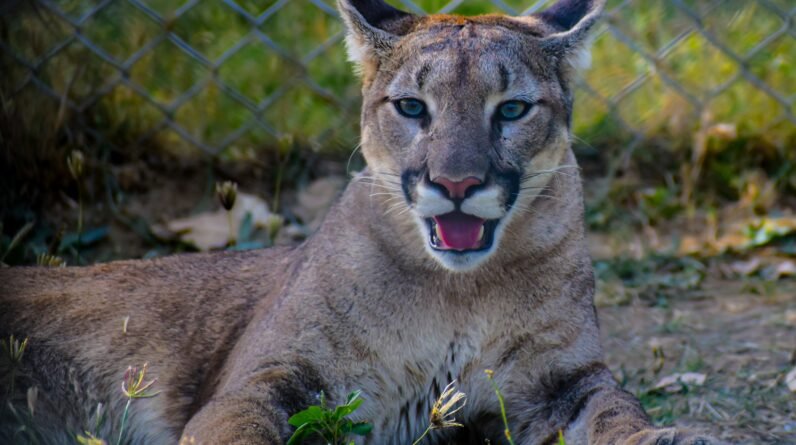
This hammock is home to a handful of species that are either endangered or extremely localized. If you want to see them, patience and quiet will serve you better than gadgets.
- Schaus swallowtail butterfly: A rare butterfly known for its delicate wing patterns. Habitat protection here helps its fragile life cycle.
- Key Largo woodrat and Key Largo cotton mouse: Both are endemic to portions of North Key Largo and depend on intact hammock habitat.
- Birdlife: The park hosts a variety of resident and migratory birds. You might see warblers, herons in nearby wetlands, and other hammock specialists.
- Reptiles and amphibians: Lizards, tree frogs, and the occasional snake move through the understory and on trunks.
- Invertebrates: The hammock’s leaf litter and decaying wood are small kingdoms buzzing with beetles, ants, and detritivores.
Wildlife is easier to observe early and late in the day. Bring binoculars and a patient heart.
This image is property of images.unsplash.com.
Activities: What You Can Do
You come for different reasons—walking, photography, birding, or simply to be still. The park supports low-impact activities that respect the habitat.
Hiking and Walking
You will find trails of varied lengths. For a quick sense of place, walk a short loop; for an immersive morning, take the longer trails. The terrain is generally easy but may be muddy in wet seasons.
Birdwatching
Bring a field guide or an app. The hammock’s vertical structure supports a range of bird species. You’ll do best with a pair of binoculars and a willingness to stand quietly.
Photography
The light under the canopy is gentle and complex. You’ll want a lens that handles shade and detail. Slow, deliberate framing yields better photos than rushing for obvious subjects.
Naturalist Programs
When staff are present, the park may offer guided walks and interpretive talks. These deepen understanding more than any brochure can. Check the park’s event calendar.
While the hammock itself is terrestrial, Key Largo offers nearby waters for kayaking and snorkeling. If you plan water activities, combine a hammock visit with marine exploration on the same day.
Practicalities: Fees, Hours, and Facilities
You will want to check official channels for up-to-date information before you go. Park hours and entrance fees can change with seasons and state policy.
- Hours: Many Florida State Parks operate from 8 a.m. to sundown or similar daylight hours. Plan to arrive before midday for best conditions.
- Fees: Entrance fees are commonly charged per vehicle; there may be discounted rates for residents or annual passes. Verify current rates online.
- Facilities: Expect basic amenities such as restrooms and picnic tables near main access areas. Facilities vary; pack what you need.
Accessibility
The park makes partial accommodations for accessibility: boardwalks and shorter loops are often easier to navigate, and staff can advise on current conditions. If you require special assistance, contact park staff in advance so they can help plan accessibility needs.
Best Time to Visit
You’ll likely get the most comfortable temperatures and the fewest mosquitoes between late fall and early spring. That said, the hammock is alive year-round and offers different moods: green and lush after rains, quieter in dry spells, exuberant in certain flowering periods.
- Mornings: Cooler air and active birdlife.
- Late afternoons: Rich, golden light; wildlife may be active before nightfall.
- Midday: Warm, shaded walks; sufficient water is necessary.
What to Bring
A small table helps organize what to pack for a safe, comfortable visit.
| Item | Why it helps |
|---|---|
| Water bottle (1+ liters) | Hydration in warm, humid conditions |
| Comfortable walking shoes | Trails can be uneven or muddy |
| Bug repellent | Mosquitoes and biting insects are seasonal |
| Binoculars | For birds and distant wildlife |
| Camera/phone | For photos; consider extra battery |
| Sun protection (hat, sunscreen) | Sun exposure at portals and boardwalks |
| Rain jacket | Sudden showers are possible |
| Small snack | Energy for longer walks |
| Field guide or app | To identify plants and animals |
| Backpack | To keep hands free and carry items |
Pack out what you bring in. The hammock’s integrity depends on small acts of care.
This image is property of images.unsplash.com.
Safety and Regulations
You are a guest here. The policies are not arbitrary but designed to protect fragile species and your own well-being.
- Stay on trails and boardwalks. The soils and microhabitats off the path are vulnerable.
- Fires and open flames are usually prohibited. Use designated picnic areas if available.
- Pets, if allowed, may be restricted to certain areas and must be on a leash. Check current rules.
- Fishing or collecting wildlife is regulated or prohibited in many areas. Never remove plant material or wildlife.
- Carry identification and emergency contact information. Cell service can be inconsistent.
If you encounter an injured or endangered animal, notify park staff rather than attempting to intervene.
Photography and Observation Tips
You want good photographs that are also respectful of the environment.
- Watch the light: Under a canopy, the contrast is high. Look for frames that take advantage of diffused light.
- Get low: Many small animals and plants are best photographed from a crouch.
- Patience beats speed: Wait for a bird to return to a favored perch.
- Minimize disturbance: Use a zoom lens rather than approaching wildlife closely.
- Keep equipment secure: Hammocks are moist environments; protect gear from humidity and accidental drops.
You might be tempted to fill the rest of your day with more activities. Key Largo offers many nearby experiences that complement the hammock’s quiet.
- Marine areas: Snorkeling and diving in nearby coral reefs are world-class; pair a calm morning in the hammock with an afternoon on the water.
- Local eateries: Small diners and fish shacks offer food that tastes of the Keys. Plan to eat locally and consider off-peak times.
- Conservation centers: Nearby refuges and nature centers can provide broader context for the region’s ecology.
If you plan to extend your visit into an overnight trip, book accommodations in advance during peak season.
Suggested Visit Plans
You may be organized differently depending on the time you have. Two typical plans:
Morning Half-Day (3–4 hours)
- Arrive early, get a map at the contact station.
- Walk an interpretive loop to orient yourself.
- Take a longer trail to a quieter section for birding.
- Return for a picnic in a shaded area before leaving.
Full Day (6–8 hours)
- Begin with a sunrise birdwatching session.
- Follow a longer loop, stopping for notes and photos.
- Take lunch at a picnic area or head into nearby Key Largo for a late lunch.
- In the afternoon, join a guided program or visit a neighboring marine site for snorkeling.
These are flexible templates. You’ll find you prefer to follow curiosity rather than a rigid schedule.
You will notice signs of managed protection: posted regulations, restoration efforts, and occasional researchers. The hammock’s future depends on continued attention and policy.
- Habitat restoration: Removing invasive species and replanting native vegetation are common activities.
- Species monitoring: Biologists regularly survey rare species to gauge population health.
- Volunteer opportunities: Parks sometimes offer volunteer programs for habitat work, interpretive assistance, or citizen science.
If you feel compelled to participate, contact the park’s staff about ongoing or seasonal volunteer options.
Volunteering and Education
You may want to give time rather than money. Volunteering at the park is a way to learn and contribute.
- Education programs: Help with children’s nature programs or guided walks.
- Maintenance and restoration: Assist with trail upkeep and invasive species removal.
- Data collection: Participate in organized biological surveys if trained.
Volunteering requires coordination; reach out ahead of your visit to learn what training is needed.
Seasonal Considerations
Each season gives the hammock a different character.
- Wet season (summer): Lush growth, higher humidity, more insects. Trails can be muddier.
- Dry season (late fall to spring): Easier hiking conditions, heightened bird activity. Cooler nights.
- Hurricane season (June–November): Monitor advisories and park closures; restoration work may be ongoing post-storm.
Plan clothing, footwear, and timing according to seasonal expectations.
You will notice, if you look closely, the edges where human life presses against the hammock: roads, development, and altered water flows. The park is a refuge, but it exists within larger ecological pressures.
- Fragmentation: Remaining hammock is often in disconnected parcels, challenging the movement of species.
- Invasive species: Plants and animals from elsewhere can outcompete natives.
- Climate change: Sea level rise and temperature shifts affect species composition and habitat viability.
These are complex problems without simple solutions, but the work being done here is part of a broader, long-term commitment.
Community and Local Culture
You’ll meet people who live in and near Key Largo who think in terms of tides and hurricane seasons. Their relationship with the hammock is practical and nuanced: it’s a place for children to learn about nature, for fishermen to recall currents, and for activists to remember how earlier efforts shaped present protections.
Local history, small businesses, and volunteer networks all intersect with the park’s existence. Part of honoring the hammock is supporting the human communities that steward it.
Nearby Accommodations and Dining
If you stay overnight in Key Largo, you’ll find a range of options from modest motels to boutique lodgings. Local restaurants often specialize in seafood and island fare. Consider:
- Booking early during high season.
- Choosing places that prioritize local ingredients.
- Asking staff for their own favorite natural spots; locals often know the best times to see wildlife.
Final Thoughts
You will leave Dagny Johnson Key Largo Hammock Botanical State Park with small impressions that last longer than a single day: the memory of humidity on your skin, the precise rustle of a small mammal in the leaf litter, the angled sun through the canopy. The park asks only that you arrive attentive, respectful, and a little slow. In return, it offers a kind of quiet intimacy with a rare ecosystem.
If you want to make your visit meaningful, consider bringing curiosity rather than checklist ambition. Sit on a bench. Watch a branch for ten minutes. Take notes if that’s your way of remembering. The hammock rewards attention in ways that a hurried camera never can.
For the most current and detailed information—hours, fees, guided programs, and accessibility accommodations—consult the Florida State Parks website or contact the park directly before you travel. Small practicalities change, but the hammock’s character remains: patient, vivid, and insistently alive.
Enjoy your time among the trees, and thank the place by leaving it as you found it—quiet, whole, and ready for the next guest who arrives with a listening heart. Get more creative knowledge build books and resources for happy minds at: https://booksforminds.com/