Jungle Adventures Beyond the Canopy
Jungle Adventures Beyond the Canopy. You’re thinking about more than just ziplines and canopy bridges; you want the ground to be part of the story. This article will guide you through what “beyond the canopy” means in a Florida context, what you can realistically expect, and how to plan an outing that is both safe and quietly thrilling. You’ll find practical tips, a few gentle warnings, and ways to make the experience feel personally memorable rather than like ticking a checklist.
Why Florida for Jungle Adventures
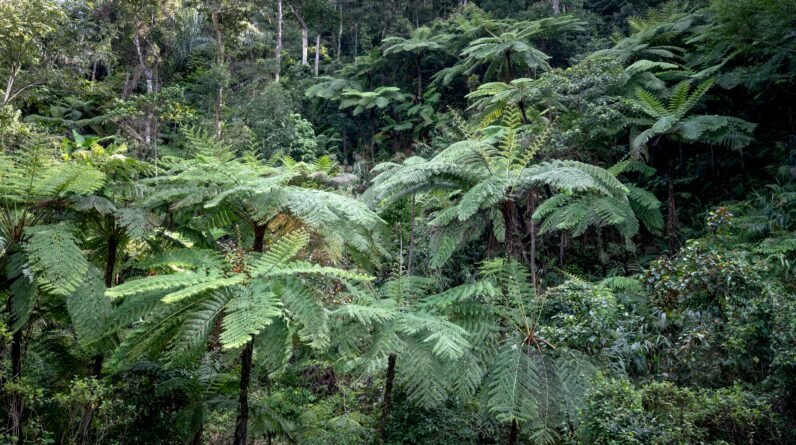
Florida is often spoken of as beaches, theme parks, and sunshine, but there is another side — a patchwork of subtropical forests, cypress swamps, mangrove tunnels, and hammocks that feel like real jungle to people from temperate places. You’ll find the climate, water systems, and biodiversity create richly layered environments that invite slow attention.
The state’s ecosystems are unique in North America; they present a mix of freshwater marsh, coastal mangrove, and upland hammock that supports species you won’t easily see elsewhere. For the visitor who wants more than a high-up thrill, Florida’s ground-level corridors are where the real, messy, and intimate experiences happen.
What “Beyond the Canopy” Means
When you go beyond the canopy, you are committing to an experience that prioritizes the understory, the water, and the soil — the parts of the system that sustain the trees. This includes guided swamp walks, kayak trips in narrow channels, nighttime wildlife observation, ranger-led talks, and cultural encounters with the human history of the land.
You should expect a slower pace and more sensory detail: the squeak of a frog, the pattern of root systems, the way light pools on a tannin-stained creek. These moments don’t demand adrenaline so much as attention; you’ll come away with a new appreciation for small things.
Ground-Level Trails and Boardwalks
There are well-maintained boardwalks and trails in many parks that bring you into intimate proximity with marshes and hammocks without damaging sensitive soils. Boardwalks let you watch life at water level — turtles sunning on logs, herons fishing from stilts, dragonflies patrolling reed edges.
You’ll find these trails are often accessible and family-friendly, but they can be deceptively long and hot; plan for slow walking and frequent rests. Respect posted signs and stay on the path — much of the plant and animal life depends on it.
Have you ever wanted to walk somewhere that feels slightly out of time, where humidity hangs like a shawl and the ordinary rules of the city seem to collapse into bird calls and water sounds?

This image is property of images.pexels.com.
River and Swamp Excursions
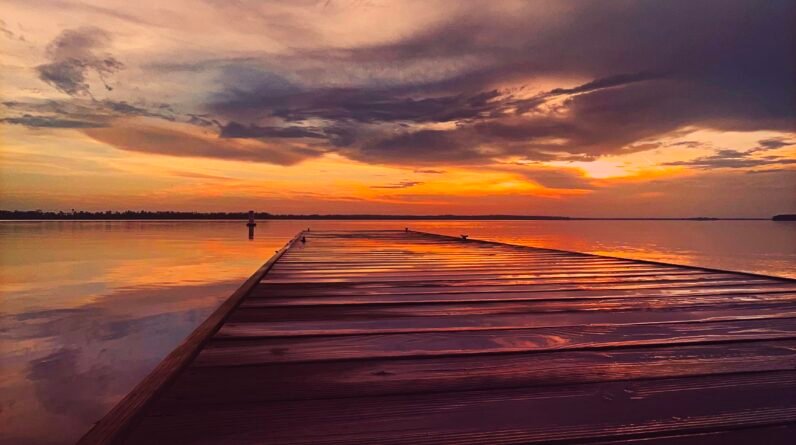
The water routes — slow-moving rivers, narrow mangrove tunnels, and wide marshes — offer a different vocabulary: silence interrupted by paddle slips, reflections that double the sky. Kayaks and canoes give you the best low-impact access, while small guided boats can reach more remote channels.
You must be cautious about alligators, changing currents, and sudden weather. A quiet, steady approach will often yield more wildlife sightings than noisy or aggressive maneuvers. That patience becomes part of the pleasure.
Night Safaris and Wildlife Spotting
Night walks and boat trips reveal a secret world: frogs with metallic calls, owls that sound like small insults, the glowing eyes of nocturnal mammals. The swamp has a nocturnal choreography that reads differently than the daytime drama.
You’ll want a good flashlight (red light is kinder to wildlife and your night vision) and a guide who knows habits and hiding places. Keep expectations realistic; the thrill is in presence rather than guaranteed sightings.
Cultural and Historical Connections
Beyond the canopy are stories — of indigenous peoples who knew the land intimately, of early settlers, and of more recent conservation fights. A responsible operator will include historical context and local stories so you understand how people have shaped and been shaped by the wetlands.
You’ll appreciate the place more when you hear the human timelines that sit alongside natural ones. It makes your walk feel like a continuation of a long conversation rather than a detached observation.
Wildlife You Might See
Florida’s subtropical settings host a surprising array of species. You’re likely to see abundant birdlife, reptiles like turtles and alligators, mammals from raccoons to deer, and an extraordinary range of amphibians and insects. The variety depends on the region, season, and time of day.
Below is a simple table to help you know what to look for, when you’re most likely to see it, and where to stand quietly to increase your chances.
Animal group | Species examples | Best time to see | Typical habitat |
|---|---|---|---|
Birds | Great blue heron, roseate spoonbill, ospreys, woodpeckers | Early morning and late afternoon | Marsh edges, mangroves, hammocks |
Reptiles | American alligator, box turtles, water snakes | Warm months, midday for basking; dusk/night for movement | Marshes, canals, rivers, under logs |
Mammals | Raccoons, white-tailed deer, river otters, bobcats (rare) | Dawn and dusk | Hammocks, riverbanks, scrublands |
Amphibians | Spring peepers, tree frogs, chorus frogs | Nighttime in wetter months | Marshes, shallow pools, under leaf litter |
Insects | Dragonflies, butterflies, mosquitoes, damselflies | Daytime for pollinators; dusk/night for some layers | Open water, flowering plants, understory |
You should keep a field guide or use an app to help with identifications, but try to let the animals be the teachers. The act of noticing is often more rewarding than rushing to label.
Safety and Conservation Practices
The jungle is generous but not indulgent; it will teach you the value of respect. Look after yourself, and look after the place. You need to be aware of heat exhaustion, venomous snakes (rarely aggressive but present), ticks, thorny plants, and alligators. Simple precautions reduce most risks.
Conservation practices matter: stay on marked paths, carry out what you carry in, avoid feeding wildlife, and follow the directions of guides and rangers. The ecosystems are delicate; your small choices add up.
Alligators are part of the landscape and usually avoid people, but they can be attracted to food and quick movements near water. Maintain a respectful distance, never feed them, and don’t let pets roam near waterlines.
You’ll be safer by treating all open water with caution and by following local signage and guide instructions. If you’re uncertain about a shoreline or bank, step back rather than test it.
Heat, Sun, and Hydration
Florida heat can be persuasive; it asks you to slow down. Drink regularly, wear light, sun-protective clothing, and take shade when you can. Symptoms of heat exhaustion include dizziness, nausea, and headache — respond early by hydrating and resting.
You’ll enjoy your day more if you plan for comfort: a hat, breathable fabrics, and a rhythm that includes breaks and snacks.
Ticks and Mosquitoes
In many areas, you’ll encounter ticks and mosquitoes — part of the humidity’s small chorus. Use insect repellent, check for ticks after outings, and consider lightweight long sleeves and pants during peak seasons. Treat bites promptly and monitor for signs of infection.
You’ll want to balance protection with comfort; insect-repellent clothing can help if you’re sensitive to sprays.
Planning Your Trip
Good planning turns curiosity into a tolerable, enjoyable reality. Think about the season, how active you want to be, whether you prefer guided interpretation, and the proximity of services and lodging.
Florida’s dry season (roughly November to April) typically offers fewer mosquitoes, cooler temperatures, and more predictable conditions, but summertime has lush growth and abundant amphibian choruses. Your choice depends on the sensations you prefer.
Best Time to Visit
Dry season (late fall to early spring): Lower humidity, fewer insects, comfortable hiking. Water levels may be lower, which concentrates wildlife in certain areas.
Wet season (late spring to early fall): Lush vegetation, full rivers and marshes, dramatic thunderstorms. Expect more mosquitoes and higher waterways.
You’ll want to balance comfort and interest; if you’re eager to hear frogs and see young animals, summer has its own charms.
Permits, Park Fees, and Reservations
Many state and national parks require parking fees or entrance fees, and some guided activities require reservations — especially during high season. Private operators may require booking in advance and have minimum group sizes.
You should check official park sites and tour operator pages for current requirements, as regulations and fees can change seasonally.
Transportation and Access
Some of the most interesting channels and trails are reached by small roads or boat launches. You’ll want to check whether a 2WD vehicle will do, whether there’s a launch fee, and how long the last stretch is on foot. Arrive early in peak seasons to secure parking.
You’ll find that the last mile sometimes asks for patience rather than speed.
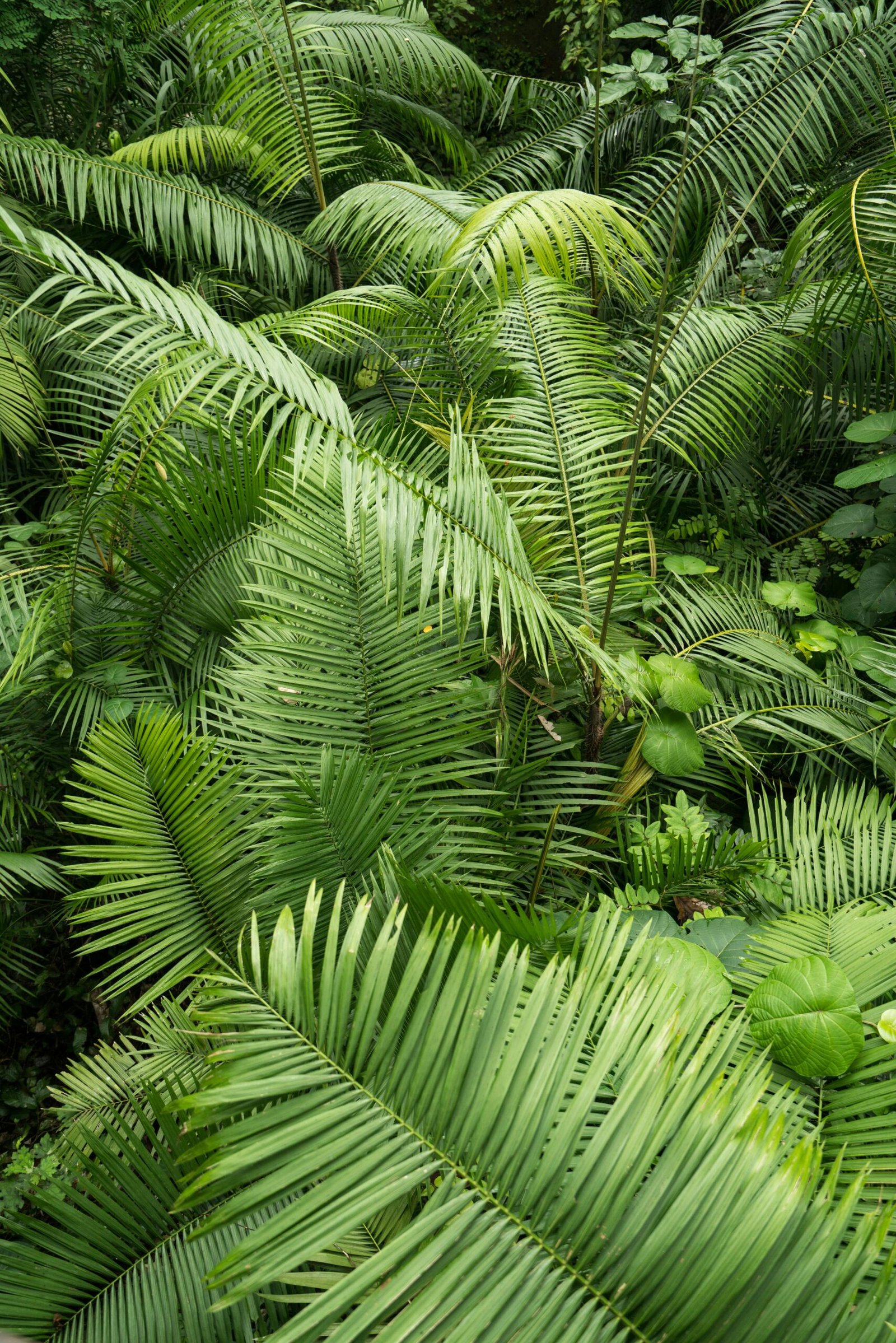
This image is property of images.pexels.com.
Here’s a practical table to keep you from forgetting what matters. You’ll want gear that keeps you comfortable and safe without encumbering your attention.
Item | Purpose | Tip |
|---|---|---|
Sturdy, quick-drying shoes | Protection and comfort on wet or muddy trails | Closed toes; ankle support helpful |
Water bottle (insulated) | Hydration | Bring at least 1 liter for a few hours active time |
Light rain jacket | Sudden showers, especially in wet season | Breathable fabric preferred |
Sun hat and sunglasses | Sun protection | Wide brim recommended |
Insect repellent | Mosquito and tick protection | DEET or picaridin options; permethrin-treated clothing for extended stays |
Small first-aid kit | For blisters, scrapes, minor bites | Include antihistamine and bandages |
Headlamp or flashlight (red light option) | Night outings | Headlamp frees hands |
Waterproof dry bag | Keep electronics and snacks dry | Small bag fits essentials |
Binoculars and field guide | Wildlife viewing and ID | Compact binoculars are fine |
Snacks with electrolytes | Energy and salt replacement | Bars, dried fruit, nuts |
Camera with zoom lens | Photographs from a distance | Respect wildlife distancing rules |
You’ll be grateful for planning when an afternoon rain comes or when a shy bird appears at a distance.
Accessibility and Family-Friendly Options
If you’re bringing children or someone with mobility concerns, you’ll find options that are thoughtful and manageable. Many parks have boardwalks that are stroller and wheelchair friendly, and several operators offer family-oriented, shorter excursions.
You’ll appreciate low-stress routes that include interpretive signs and short, engaging stops. Pick an operator known for patience and ability to tailor pacing to your group.
Tips for Families
Set conservative expectations: kids tire quickly in heat and humidity.
Bring familiar snacks and sun gear; routine comforts help.
Turn observation into small games — spotting colors or counting bird calls — to keep attention gently focused.
Choose shorter routes or split a full day into two shorter sessions.
You’ll find the experience richer if you treat it as an unfolding story rather than a single objective.
Choosing between a guided tour and going on your own depends on what you value: interpretation, logistics, and safety come with guides; freedom and quiet might come with self-guiding. Both have merit.
Below is a comparison to help you decide which fits your plans.
Factor | Guided Tour | Self-Guided |
|---|---|---|
Interpretation | Professional knowledge, stories, species ID | You provide your own context (apps/guidebooks) |
Logistics | Operator handles permits, launches, navigation | You manage permits, parking, safety |
Safety | Improved, especially for night and water trips | Requires preparation and local knowledge |
Cost | Generally higher (includes expertise) | Potentially lower, but gear rental may add cost |
Flexibility | Fixed schedule and route | Full control over pace and stops |
Wildlife access | Guides often know best viewing spots | May require more time and patience |
You’ll probably prefer guided if you want storytelling and reassurance; choose self-guided if you’re confident navigating and want solitude.

This image is property of images.pexels.com.
Sample Itineraries
A clear plan helps you get the most out of your time without overreaching. Below are sample itineraries tailored to different interests and time frames.
One-Day Family-Friendly Trip
Morning: Arrive at a state park, take a shaded boardwalk trail, look for turtles and herons.
Midday: Picnic under pavilion, short interpretive program or junior ranger activity.
Afternoon: Short guided kayak on a calm river that’s suitable for children.
End: Early return for quieter evening and less stress.
You’ll want to schedule plenty of downtime and have snacks on hand.
Weekend Getaway (Active)
Day 1 Morning: Guided swamp walk with a naturalist, learn about amphibian calls.
Day 1 Afternoon: Kayak through narrow mangrove tunnels, photograph reflections.
Evening: Night boat trip looking for nocturnal species; camp or stay in a small lodge nearby.
Day 2: Sunrise birdwatching, a short hike in hammock forest, and a cultural talk at a local museum.
You’ll leave with a sense of living in two very different climates in the same place.
Early Morning: Sunrise on a marsh boardwalk for wading bird activity.
Midday: Rest, review shots, change lenses if needed.
Late Afternoon: Kayak to a blind or quiet channel for water-level compositions.
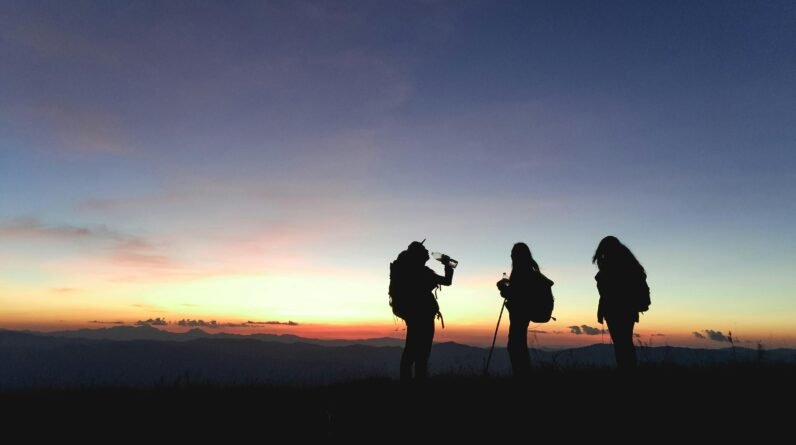
Dusk: Capture the last light and silhouettes against the sky.
You’ll want a lens with some reach and patience; the animals tend to reward quiet observation.
Where to Stay
Accommodations near Florida’s subtropical ecosystems range from rustic campsites to boutique inns and eco-lodges. The best choice depends on your comfort needs and desire for proximity. Staying near the park or launch point reduces travel time and allows for early starts, which are often the most rewarding.
You’ll find small lodges that emphasize low environmental impact and knowledgeable hosts who can suggest quieter times and less-traveled paths.
Camping and Eco-Lodges
If you prefer minimalism, campsites give you a direct connection to nighttime sounds and early morning light. Eco-lodges often offer comfortable rooms, local meals, and interpretive staff. Both options can feel like a gentle extension of the day’s adventure.
You’ll sleep to the sound of distant frogs and wake without alarm unless you set one.
Local Operators and Permits
When booking an operator, look for credentials: licensed guides, appropriate insurance, small group sizes, and positive, specific reviews. Ask about their conservation practices and how they minimize disturbance. Operators who carry binoculars, interpretive materials, and first-aid kits are often more intentional.
For certain areas you may need permits to operate a commercial tour or even to enter specific preserves. Confirm details well in advance to avoid disappointment.
Costs and Booking Tips
Costs vary widely depending on the activity, group size, and season. Expect a guided half-day kayak tour to start in the low hundreds per person, while full-day private charters and specialized photography outings can be substantially more. Rentals for kayaks or canoes are generally less expensive than fully guided options.
You’ll often find discounts for families or off-peak days. Book popular slots (early mornings, weekends during high season) in advance, and ask providers about cancellation policies in case of storms.
Typical Price Ranges (approximate)
Park entrance: $0–$10 per vehicle (varies by site)
Self-guided kayak/canoe rental: $30–$75 per day
Group guided half-day tour: $50–$150 per person
Private guided day trip: $250–$600+
Eco-lodge room per night: $100–$300
You’ll get the most value by matching expectations with budget: expensive doesn’t always mean better, but very cheap can be a warning sign.
Photography and Wildlife Etiquette
Bring the gear you find manageable; a moderate telephoto lens (200–400mm range) will serve most purposes without overburdening you. Use a tripod or monopod for stable shots in low light. Most importantly, keep distance and avoid using playback calls or baiting animals to get a shot.
You’ll capture more authentic behavior when animals remain undisturbed. If a guide asks you to move or keep quiet, trust them — they’ve often learned from hard-won experience.
Food and Hydration
You’re responsible for your own energy and mood. Carry snacks that are satisfying and not messy: nuts, dried fruit, protein bars. For longer outings, include electrolyte drinks. If you’ll be paddling or in hot conditions, plan for at least a liter of water per two hours of activity.
You’ll do better with water readily accessible instead of saved for a scheduled break.
Frequently Asked Questions
You’ll probably have practical questions before you go. Here are concise answers to common concerns.
Will I see a Florida panther?
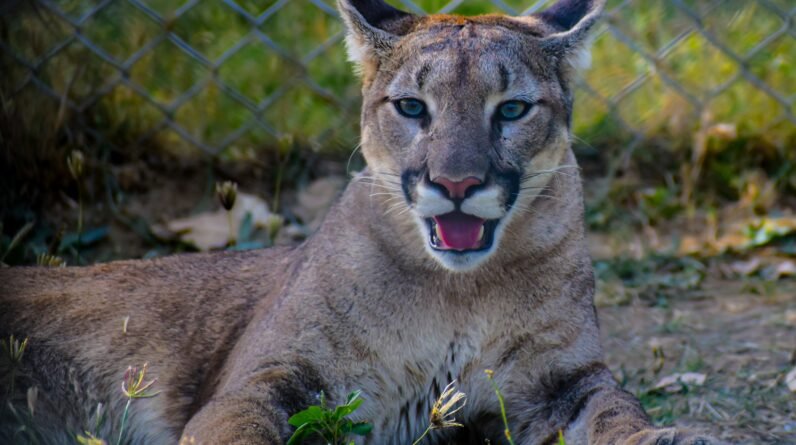
Panthers are extremely rare and primarily confined to certain remote areas. Sightings are exceptional; enjoy the idea without expecting it.
Are there venomous snakes?
Yes, Florida has a few venomous snake species. They tend to avoid humans; wear sturdy shoes and watch where you place hands and feet.
Can I bring my dog?
Policies vary. Many parks prohibit dogs in sensitive areas and boat launches. Dogs also stress wildlife; check regulations first.
Is it safe to swim?
Swimming in unknown waterways is not recommended due to currents, wildlife, and contaminants. Use designated swimming areas.
What if it rains?
Short showers are common in the wet season. Guides often have backup plans, and trails can be more slippery. Plan for wet weather gear and flexible timing.
You’ll find clear answers by asking providers directly; they appreciate informed guests.
Responsible Conduct and Leave No Trace
Your best contribution is to act like someone who has learned how these places work: take nothing but photographs, leave what you find, and respect wildlife. Keep noise low, avoid sudden movements, and follow any posted rules or guide directions. Small acts of consideration accumulate.
You’ll be happier and the place will remain hospitable for others if you behave with care.
Final Thoughts
You’ll come away from a trip beyond the canopy with a quieter kind of satisfaction. It’s the kind of day that doesn’t always produce headline sightings, but it seeds patience and curiosity. If you plan carefully, choose respectful operators, and keep attention to small things, your memory will be full of textures and sounds that feel, afterward, like a private secret.
There is a particular pleasure in noticing the world at water level — the slipperiness of a log, the detail of a frog’s skin, the way the light slides differently when trees are thick. These are small commitments that repay you with a steadier, longer kind of pleasure than any single thrill ride could offer. If you go, go slow, bring sensible gear, and be ready to listen. Get more creative knowledge build books and resources for happy minds at: https://booksforminds.com/