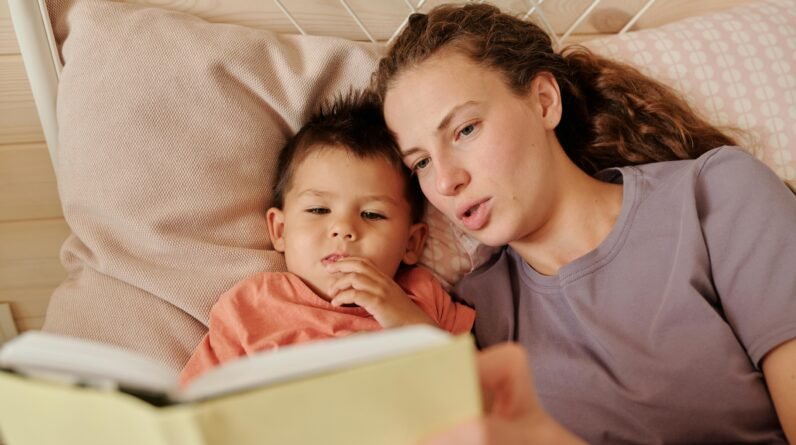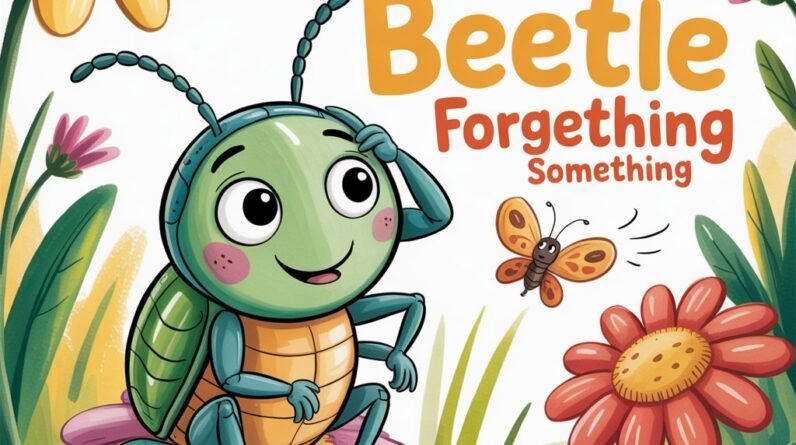
Award-winning free collection of bedtime and fairy tales with read and listen classics and gentle moral lessons
Award-Winning Free Collection of Bedtime. He might think of it as a digital story chest; she might call it a magical playlist; they will probably call it “one more story” an hour after lights-out. This article describes an award-winning, free collection of 248 children’s stories that mixes classic fairy tales, nursery rhymes, fables, and original series. It offers both read and listen modes, search and filters, and gentle moral lessons suitable for bedtime and everyday learning.
Quick overview: what this collection actually is
This collection is a curated library of short-form and long-form children’s stories designed to fit many moods, ages, and time constraints. It is free to access, has received awards for content and design, and shows 248 stories in its catalog. The interface supports search, filters by age and story length, and an app download with offline options. Parents and caregivers can choose read-aloud text, audio narration, or a combination of both.
Catalog snapshot: the numbers that make librarians nod
For people who love tidy facts and slightly theatrical pride, here are the important numbers. The catalog lists 248 stories arranged by age, length, category, and theme. Several series are included with episode counts. Many stories are short nursery rhymes, while a healthy number are classic fairy tales that run longer — right at the sweet spot between “one more chapter” and “lights out.”
| Feature | Detail |
|---|---|
| Total stories | 248 |
| Age ranges | 0–5, 3–7, 4–10, 6–10 years |
| Length filters | Under 5 mins; 5–10 mins (featured); 10–15 mins; Over 15 mins |
| Main categories | Bedtime Stories, Fairy Tales, Aesop’s Fables, Rhymes & Poems, Nursery Rhymes, Seasonal (Christmas), Themed collections |
| Notable series | The Ogglebogs (49 eps), The Posh Rat (12 eps), Monty (13 eps), Dumpling (13 eps), Junkyard (11 eps) |
| Popular classic titles | Aladdin, Cinderella, Jack and the Beanstalk, Little Red Riding Hood, Peter Pan, Puss in Boots, Rapunzel, The Gingerbread Man, The Little Mermaid, The Three Little Pigs, The Ugly Duckling |
| Access | Read (text), Listen (narration), Search, Filters, App download, Offline downloads in app |
Age ranges: how stories are sorted and why it matters
The collection is organized into four overlapping age ranges to help caregivers pick stories that match attention span and developmental stage. The overlap is intentional: a story suited for a 4-year-old might also entertain a 6-year-old when read in a particularly dramatic voice.
| Age group | Typical content traits | Example picks |
|---|---|---|
| 0–5 years | Very short texts, repetitive rhymes, bright illustrations, soothing cadence | Nursery rhymes, simple bedtime stories, short lullabies |
| 3–7 years | Gentle adventures, basic problem solving, clear morals, playful language | Short fairy tales, Aesop-style tales adapted for young listeners |
| 4–10 years | Longer plots, more characters, episodic series start to shine | Monty episodes, medium-length classics |
| 6–10 years | Complex narratives, layered morals, longer classic retellings | Full-length classics like Cinderella (~16 min) or Hansel & Gretel (~20 min) |
Each age bracket balances cognitive load, interest level, and emotional readiness. He or she who flips through the library can match mood to minute count and moral complexity.
Length filters: when time matters (and bedtime is non-negotiable)
Length filters are a parent’s secret weapon. The collection lets caregivers filter by four time buckets, and one is prominently featured: 5–10 minutes, the ideal territory for a bedtime story that won’t summon encore rounds.
| Duration filter | Best use case | Example lengths in collection |
|---|---|---|
| Under 5 minutes | Quick wind-down, travel, bathroom stall of calm | Short nursery rhymes, silly mini-tales |
| 5–10 minutes (featured) | Bedtime winners, one-story nights, pre-nap reads | Many modern short stories and adapted classics |
| 10–15 minutes | Deeper plot, more character arcs | Pinocchio ~12 min, longer original tales |
| Over 15 minutes | Full classics, bedtime epics | Cinderella ~16 min, Hansel & Gretel ~20 min |
The featured 5–10 minute category is highlighted because it satisfies most bedtime rituals: sufficient narrative to feel satisfying, short enough to still allow for “lights out” on time.
Main categories: what each shelf smells like (metaphorically)
The collection has several main categories that group stories by style and purpose. Each has its own charm and predictable mischief.
Bedtime Stories
These are crafted for sleep-adjacent calm—soft language, reassuring endings, and minimal cliffhangers. He or she reading one will notice imagery designed to lower energy: gentle repetition, predictable structure, and family-centered resolutions.
Fairy Tales
Fairy tales in the collection range from brisk retellings to slightly expanded versions with modern sensibilities. They preserve the wonder, enchantments, and cunning animals but often temper harsh elements for a bedtime-appropriate tone.
Aesop’s Fables
Short, punchy and moral-driven, these fables are perfect for quick sinking-of-teeth moments into character education. The morals are present without being preachy — which is to say, they hand out gentle nudges dressed in animal costumes.
Rhymes & Poems
This section contains lyrical, rhythmic texts that read aloud like musical snacks. Rhymes soothe and bolster phonemic awareness, and they tend to be repeat-friendly for tired adults and ecstatic toddlers who demand choruses.
Nursery Rhymes
Classic nursery rhymes live here. Some are the usual suspects; some are adaptations with friendlier language and supportive messages. Many are micro-stories ideal for the 0–5 bracket.
Could bedtime stories win awards, make children giggle, soothe fussy sleepers, and still sneak in a moral lesson without being preachy?

Seasonal (Christmas) & Themed Collections
Seasonal and theme-based groupings keep the library lively year-round. Christmas stories provide cozy, festive narratives, while themes such as Belonging or Responsibility allow caregivers to target lessons without sounding like a lecture.
Series and episodic content: story arcs that behave like TV shows, but calmer
Episodic series let children follow characters across multiple short adventures, which is useful for habit-building and routine. Here are examples of series included and their episode counts.
| Series | Episodes | Notes |
|---|---|---|
| The Ogglebogs | 49 | Long-running series of gentle misadventures; ideal for repeated listening |
| The Posh Rat | 12 | Humor and manners wrapped in posh accents |
| Monty | 13 | Middle-length episodes with empathy-focused plots |
| Dumpling | 13 | Food-themed adventures, family dynamics |
| Junkyard | 11 | Inventive, mechanical imagination with ethical twists |
Series episodes typically sit in the 5–10 minute bracket but may occasionally run longer for special episodes. They are designed so that missing one episode is not tragic; continuity is light and friendly.
Popular characters and classic titles: the familiar faces that never pass away
The collection contains many time-tested characters and titles that consistently charm children and adults alike. Familiar names create easy access to cultural literacy and make story selection painless when tiredness is high.
| Classic title | Typical length in collection | Typical moral or theme |
|---|---|---|
| Aladdin | Variable (short retellings) | Cleverness, gratitude, responsibility |
| Cinderella | ~16 minutes | Kindness, resilience, fairness |
| Jack and the Beanstalk | Short/medium | Bravery, consequences, clever thinking |
| Little Red Riding Hood | Short/medium | Caution, listening to guardians |
| Peter Pan | Medium | Imagination, growing up, friendship |
| Puss in Boots | Short/medium | Resourcefulness, loyalty |
| Rapunzel | Short/medium | Courage, independence |
| The Gingerbread Man | Under 10 | Consequences of haste, cleverness |
| The Little Mermaid | Medium | Sacrifice, identity |
| The Three Little Pigs | Under 10 | Preparation, perseverance |
| The Ugly Duckling | Under 10 | Identity, transformation |
These classics have been adapted to be age-appropriate for the range indicated earlier, preserving key motifs while smoothing out elements that could be too intense for younger listeners.
Read and listen options: two modes of storytelling comfort
The collection offers both read (text) and listen (audio narration) options. He or she can choose whichever format fits the moment: visual reading for shared screen time or audio for hands-free bedtime.
- Read mode includes highlighted text that follows the audio for read-along benefits. This can help emergent readers connect spoken words with print.
- Listen mode uses professional narrators; some stories include multiple narrator options or character voices to spice things up.
- Narration features often include adjustable speed, background sound levels, and the option to mute sound effects for a quieter bedtime atmosphere.
This dual-mode approach benefits literacy development and provides flexibility for caregivers who want to participate in storytelling with low screen time.
Search, filters, and the app: the treasure map tools
Searching and filtering are essential for a large collection. The search feature supports keyword queries (character names, themes, moral topics) and the filters let users slice by age, duration, category, and theme. The app complements the web interface with offline download options and a favorites function.
Key app features include:
- Offline downloads for car trips or sleepovers.
- Favorites and playlists to queue a nighttime routine.
- Parental controls for content and screen time.
- Background play so audio can continue after the screen is locked.
The app makes it simple for a caregiver to whip out a phone in a grocery aisle and produce exactly the level of narrative drama required.
Mix of short rhymes and longer tales: something for snack time and epic night
This collection includes a balanced mix: many stories fall into the 5–10 minute range, some are under 5 minutes as quick treats, several are 10–15 minutes for slightly more complex plots, and a few classic retellings exceed 15 minutes for once-in-a-while longer bedtime rituals. Examples given in the catalog show Hansel & Gretel around 20 minutes, Cinderella at ~16 minutes, and Pinocchio around 12 minutes.
He or she organizing story time can treat short tales as appetizers and longer tales as the main course on special nights.
Themes and moral lessons: what the stories aim to teach (without lecturing)
Each story is tagged with themes that support social-emotional learning and character development. The moral lessons are woven into narrative situations so that lessons emerge naturally.
| Theme | Typical story traits | Example lesson |
|---|---|---|
| Belonging | Community-focused plots | It is okay to ask for help and feel included |
| Bravery | Age-appropriate challenges | Courage means acting despite fear |
| Discovery | Curiosity-driven narratives | Curiosity leads to learning and growth |
| Family | Family dynamics and warmth | Families can be messy but loving |
| Friendship | Cooperative problem solving | Good friends listen and support each other |
| Kindness | Acts of generosity | Small acts make big differences |
| Magic | Fantastical elements with rules | Imagination is powerful and responsible use matters |
| Responsibility | Tasks and consequences | Responsibility builds trust and independence |
The collection favors positive reinforcement and shows consequences in a gentle manner rather than punitive moralizing. The result is a set of stories that teach ethics and empathy by modeling choices and outcomes.
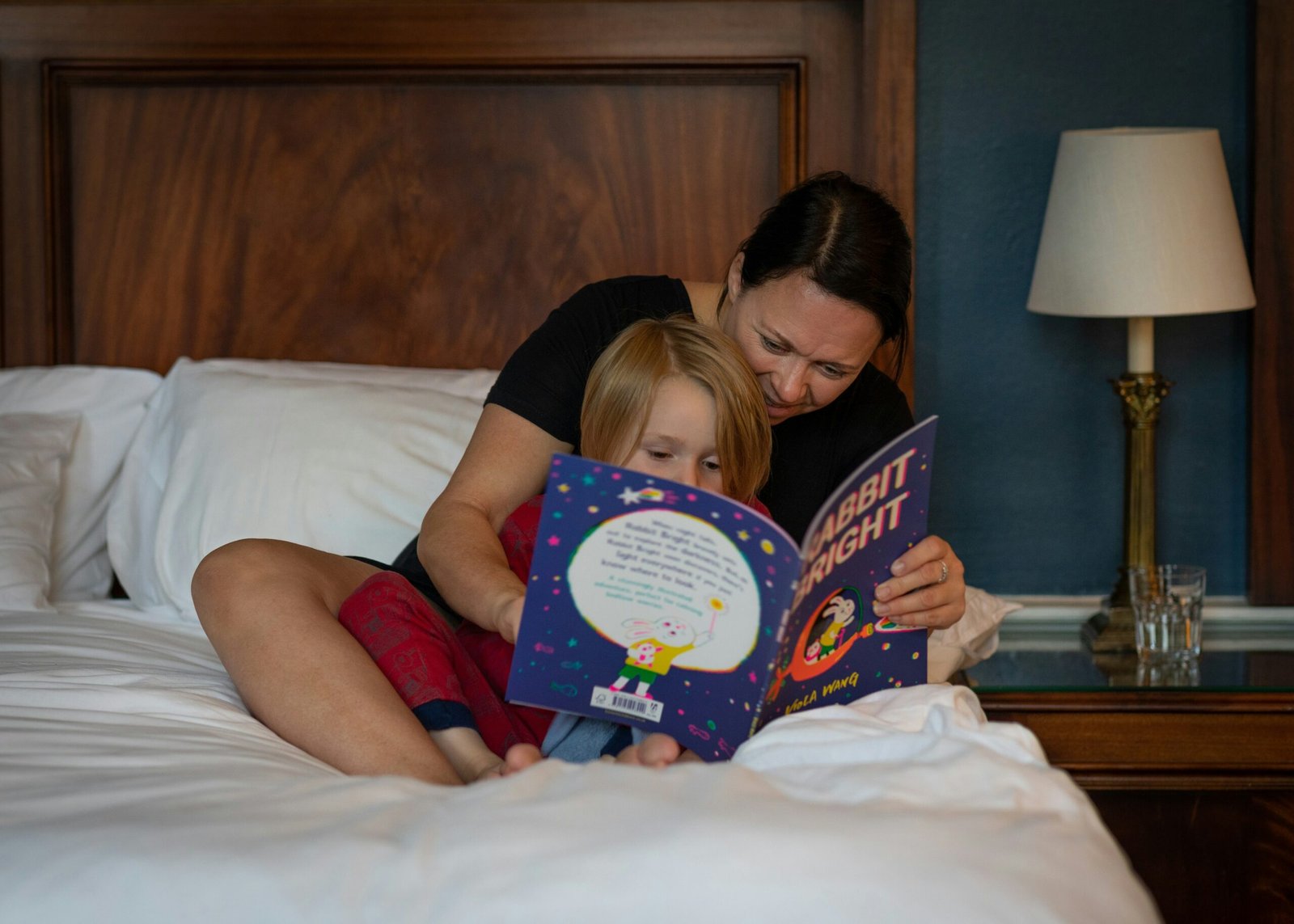
Bedtime-friendly design: calming elements that don’t put the plot to sleep
Stories meant for the bedroom often include specific design choices:
- Softer pacing, fewer shocking twists.
- Resolutions that restore safety and warmth.
- Language that uses soothing sounds and repetition.
- Narration with low-volume or optional sound effects and soft background music.
He or she who manages bedtime rituals will appreciate that the library primely tags which stories are “bedtime-friendly” so that a caregiver won’t accidentally choose an unexpected cliffhanger.
Choosing the right story: a short guide to match mood, age, and time
Picking a story is a little like choosing tea: sometimes chamomile, sometimes a minty pick-me-up. Here are simple rules of thumb presented as humorous but practical heuristics.
- If the child is sleepy and time is short, pick Under 5 or 5–10 minutes, preferably from the Bedtime Stories or Rhymes & Poems sections.
- If the child is very active or philosophical, a medium-length fairy tale or episode from a series can satisfy curiosity without dragging on.
- For moral moments—like a sibling conflict—choose a theme tag such as Friendship or Responsibility, and read the story together, then talk about it briefly.
- For long car trips or bedtime reward nights, choose Over 15 minutes classics that give a full narrative arc.
Examples of recommended pairings:
- Toddler pre-nap: A short rhyme or lullaby under 5 minutes.
- Preschooler testing boundaries: A 5–10 minute Aesop tale about consequences.
- Early reader proud of progress: Read mode with highlighted text and a 5–10 minute story.
- Sibling calming after quarrel: Family-themed bedtime story around 10 minutes.
Parental tips: how to make the most of the library
Parents and caregivers can adopt a few small rituals to make story time smoother and richer.
- Build a “favorites” list for quick selection on tired nights.
- Use playlists for a routine: a rhyme, a short tale, a longer bedtime story.
- Try alternating read and listen modes to support literacy and rest.
- Download a few offline stories for travel or low-connection zones.
- Moderate background music and sound effects for the most effective sleep aid.
He or she implementing these tips will find story time becomes predictably delightful rather than a source of nightly debate.
Accessibility features: inclusive storytelling for many needs
The collection includes accessibility features to support diverse learners and families:
- Read-along highlighting for emergent readers.
- Adjustable narration speed for auditory processing differences.
- Subtitles or text for all audio stories.
- Background contrast and font size adjustments in the app.
- Some stories offer sign language video overlays or descriptive audio where feasible.
These features ensure that the stories remain usable for children with varying needs and for caregivers who prefer visual or auditory modes.
Why it won awards: craftsmanship, heart, and a smidge of sparkle
Award committees tend to reward high standards in writing, audio production, design, and educational value. This collection scores points on each:
- Professional narration and sound design without being over-stimulating.
- Thoughtful editing and adaptation of classics for age-appropriateness.
- Clear metadata: age, duration, theme tags, and accessibility notes.
- Engaging original series with consistent character development and moral arcs.
Beyond production quality, awards often honor the collection’s mission: free, accessible storytelling that respects children’s intelligence and emotions. He or she evaluating it would notice that the collection treats its audience seriously while retaining the joy of storytelling.
Sample use-cases: realistic bedtime scenarios with recommended picks
Here are sample situations and recommended story choices presented as bite-sized scenarios.
- Late-night toddler refuses sleep: Short nursery rhyme under 5 minutes, with lullaby music.
- Preschooler demanding “scary” characters: Lightly spooky fairy tale from the 5–10 minute range that ends with a warm family scene.
- Child practicing reading: Read mode of a 5–10 minute episode with highlighted text and slower narration.
- Family road trip: A playlist of 4–5 stories totaling 30–40 minutes including a couple of 10–15 minute classics.
- Teaching responsibility after a missed chore: A 5–10 minute story tagged Responsibility followed by a quick chat.
These use-cases show that the collection is flexible enough to respond to mood, time, and learning needs.
Sample story breakdowns: quick look at a few favorites
To make the catalog less abstract, here are a few sampled entries with durations and core themes.
| Story | Approx duration | Category | Core lesson |
|---|---|---|---|
| Cinderella (retelling) | ~16 min | Fairy Tale | Kindness and resilience |
| Pinocchio (adapted) | ~12 min | Classic | Honesty and consequence |
| The Ogglebogs — Episode 1 | ~8 min | Series | Friendship and playfulness |
| The Gingerbread Man | ~7 min | Classic | Cleverness and caution |
| Little Lullabies Collection | 3–5 min each | Nursery Rhymes | Soothing routine |
These samples illustrate the variety built into the catalog: from sleepy lullabies to slightly longer moral-driven classics.
How to integrate stories into learning and routine
Stories are powerful tools for social-emotional learning and early literacy. He or she planning routines can use these stories to scaffold development:
- Repetition: Repeated listening to the same story builds vocabulary and narrative frames.
- Prediction: Pause a story at key moments and ask the child to predict what happens next.
- Reflection: After listening, discuss feelings of characters to build empathy.
- Extension activities: Draw a scene, act out a dialogue, or make a simple craft tied to the theme.
Regular use fosters both language skills and emotional vocabulary, and the library’s tagging system makes it easy to select stories that match educational goals.
Safety and content moderation
The collection is curated, with content reviewed for age-appropriateness and sensitivity. Parental controls and filters remove content outside the chosen age or theme tags. If a caregiver prefers, they can restrict to Bedtime Stories and Nursery Rhymes or limit to read-only content.
He or she maintaining household media rules will find the moderation tools adequate for most family needs.
Final thoughts: bedtime with a wink and a moral
The library delivers award-winning storytelling that is free, flexible, and built for real life—complete with a healthy portion of humor, gentle morals, and practical design. It gives caregivers options: short rhymes for sleepy toddlers, medium-length fairy tales for curious preschoolers, episodic series for habit-building, and classic retellings that preserve cultural literacy.
If the goal is to create calm, foster learning, and occasionally provoke laughter at absurd animal hijinks, this collection does all three. It offers a practical toolset—search, filters, durations, themes and offline app access—presented with professional narration and thoughtful adaptation. He or she putting this into practice will likely witness fewer bedtime battles and more pleasant “one more story” compromises.
Quick reference tables
A compact cheat-sheet for selection:
| Situation | Best category | Duration |
|---|---|---|
| Naptime or immediate sleep | Nursery Rhymes / Bedtime Stories | Under 5 or 5–10 min |
| Teaching morals calmly | Aesop’s Fables / Themed | 5–10 min |
| Sustained attention, special night | Fairy Tales / Classics | 10–20+ min |
| Routine-building | Episodic Series | 5–10 min per episode |
And a final list of helpful tags to watch for when selecting:
- “Bedtime-friendly”
- “Read-along”
- “Offline available”
- Age tag (0–5, 3–7, 4–10, 6–10)
- Duration tag (Under 5, 5–10, 10–15, Over 15)
- Theme tags (Belonging, Bravery, Kindness, Responsibility, etc.)
He or she consulting this cheat-sheet at midnight will thank the sensible ordering of the collection and the faint, victorious sense of being a bedtime wizard.
This concludes the guide to the award-winning free collection of bedtime and fairy tales with read and listen classics and gentle moral lessons. It aims to be practical, playful, and slightly theatrical—much like a good bedtime story should be.