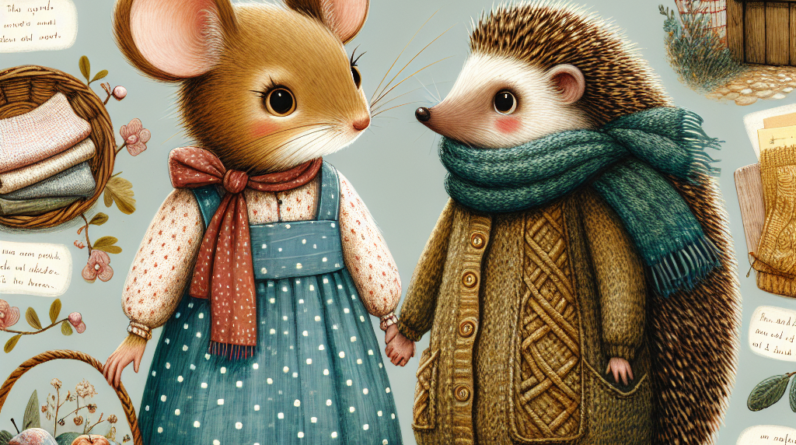
Moral Bedtime Stories For Kids With Simple Lessons
Moral Bedtime Stories For Kids. What small moment at bedtime might change the way a child looks at the world tomorrow morning?
Moral Bedtime Stories For Kids With Simple Lessons
This collection gathers short, gentle tales that leave a clear, simple lesson without sounding like a lecture. The pieces are meant to be read at night, carried quietly in the pocket of the bedtime routine, and remembered in the small bright hours.
Why moral bedtime stories matter
Stories at bedtime do more than fill quiet hours; they settle the day and shape small habits of thought. He or she who listens learns patterns of empathy, decision-making, and calm reflection—lessons that take root when the world is soft and receptive.
The mood of the evening helps the message stick. A moral told in the context of a warm room, a steady voice, and a brief ritual becomes less an instruction and more a gentle companion for the child’s inner life.
Benefits for children
This section outlines practical benefits so caregivers can see how a few minutes each night helps over time. The effects are broad: social, emotional, and cognitive skills all receive a quiet nudge when stories are chosen with care.
- Builds empathy by placing a child’s feelings alongside a character’s.
- Reinforces problem-solving through small, relatable conflicts.
- Encourages language development, imagination, and reflective thinking.
- Helps regulate emotions by creating a calming association with bedtime.

This image is property of images.pexels.com.
How to choose age-appropriate moral stories
Picking the right story is like selecting the right shoe: fit matters, style matters, but comfort wins. A good match will respect a child’s comprehension and emotional capacity while still offering a small ethical turn.
A parent or caregiver should think of tone, length, and the subtlety of the lesson. Simple cause-and-effect suits younger children, while older kids appreciate irony and complexity.
Stories for toddlers should be very short, clear, and repeated often. He or she benefits from concrete images, rhythmic language, and a single, evident lesson.
The storyteller should use expressive faces and sounds, and expect the child to interrupt with questions or gestures. The lesson may be as simple as “sharing is kind” or “gentleness is safe.”
For preschoolers (3–5 years)
Preschoolers enjoy slightly longer sequences and more characters. They can follow a small plot and recognize consequences that are not immediate.
Stories at this stage can introduce basic morals alongside routines—helpfulness, honesty, patience—while remaining playful and quick.
For early readers (6–8 years)
Children in this group begin to enjoy nuances and repeated motifs. A story that allows room for imagining different choices will invite them to think critically.
A caregiver may encourage them to predict outcomes and reflect after the story. This encourages internalization of lessons rather than rote acceptance.
For older children (9–12 years)
Older children appreciate subtlety and moral ambiguity but still benefit from bedtime stories that model healthy choices. The storyteller should introduce slightly more complex dilemmas and invite discussion.
At this stage, stories can touch on responsibility, resilience, and the consequences of choices across time, allowing children to rehearse moral reasoning in a safe space.
Elements of a good moral bedtime story
A quality moral story is small enough to be digested before sleep but rich enough to stimulate thought. It should have a clear protagonist, a modest problem, a sensible consequence, and a peaceful end.
Other useful qualities include everyday settings, sensory detail, warm tone, and an ending that leaves space for feeling rather than a sermon. The moral should emerge from the action—never be stamped on top.
Tips for telling bedtime stories
The act of telling matters as much as the content. The rhythm, pauses, and attention that a storyteller offers transform a tale into a ritual.
- Keep sentences short and vivid for younger listeners.
- Use gestures and changes in voice to mark emotions.
- Pause before the ending to allow reflection.
- Ask one gentle question after the story to invite comment, not interrogation.

This image is property of images.pexels.com.
How to use stories as learning moments
Stories work best when followed by a small, gentle conversation. He or she who listens should be encouraged to name feelings and imagine alternatives without feeling corrected.
A good follow-up might be a quiet question like, “How did the character feel?” or “What could they do next time?” This invites thought rather than obedience.
Short moral stories for bedtime
Each of these short tales is written to be read in about three to five minutes. They are intended to be modest windows into familiar life, told in a warm, unobtrusive manner.
The Little Lantern
This brief tale dwells on a small lamp and an anxious child who learns the usefulness of steady light. The household details—slippers by the door, a cup cooling on the table—are part of the comfort that makes the lesson feel domestic, not didactic.
There was a lantern that sat on the sill every night, a brass thing with a slightly lopsided handle. Mira, who lived in the room with the high window, used to flick the lantern on and off a dozen times before bed because she liked the little click and the way the light slipped across the curtains. One night, a wind came through the window and rattled the glass. The mainsight of the house made a small, worrying sound, and Mira’s fingers trembled. She thought: if only the lantern were brighter.
Her mother handed it to her and showed Mira how to wind it, how to lift the chimney, how to wipe the glass. “A little care,” her mother said, “goes a long way.” Mira learned that taking a small amount of time to care for an object made it work better and made her feel steadier too. From then on, she wound the lantern not out of habit but as a kind of quiet promise.
Simple lesson: Small acts of care make things—and people—work better.
The Slow Sparrow
This story focuses on patience and small rewards, narrated with a careful attention to domestic rhythm. The sparrow’s unhurried approach contrasts with a rushed world, and the payoff is quiet.
In a narrow yard between two houses a sparrow lived who took an unusually long time to peck his way through a crust of bread. The other birds fussed with speed, finishing crumbs and flying on. The sparrow, however, ate slowly, turning the piece as if it were a map to be read rather than a meal to be devoured.
One winter morning, when a soft snow rimmed the fence posts, the slow sparrow was still working at his crust. A larger crow came by and, seeing the little bird’s patience, dropped a ripe berry—too small for the crow’s liking—beside the crust. When the sparrow noticed the berry, he did not gobble it; instead, he tucked it into his nest for later. When the spring came, he had more stored than other birds had thought about. The slow work of taking one’s time had given him a quiet advantage.
Simple lesson: Patience often creates small, practical rewards.
Mira’s Lost Button
This short, domestic story highlights responsibility and resourcefulness through a lost button and a willing child. The scene is intimate: a sewing basket, a warm kettle, and the quiet dignity of making things right.
Mira had a coat button the color of old brass that she loved because it winked when the light hit it. One afternoon it slipped off by the garden gate and rolled into the grass. She could have left it; it was only a button. Instead, she knelt and searched until her knees were damp. A neighbor passing by laughed and said she might as well let it be, but Mira kept looking.
When she finally found it, she brought it home, cleaned it, and sewed it back on herself. That evening, as she buttoned the coat, she felt a small pride that had nothing to do with the button’s shine. The action of finding and fixing mattered more than the object.
Simple lesson: Taking responsibility for small things builds a steady character.
This tale centers on generosity and the realization that sharing grows warmth instead of diminishing it. The narrative is gentle and domestic, with a small warren and children set of impressions.
There was a rabbit who kept a pile of bright carrots in a corner of the burrow as if they were secret jewels. One rainy day, a small mouse came by, shivering and staring at the stash. The rabbit thought of holding the carrots tightly, of guarding them against hunger. Instead, he pushed a carrot forward and watched the mouse’s whiskers quiver with gratitude.
Word passed through the meadow. Soon, the rabbit’s little pile became a regular meeting place where others brought small things in return—crumbs, a leaf for bedding, a tuft of wool. The rabbit’s pile never diminished; it simply changed into a shared table. He discovered that giving made his corner feel fuller than any guarded treasure had.
Simple lesson: Sharing creates abundance of a kinder sort.
The Stone in the Shoe
This story uses an everyday annoyance to illustrate the value of addressing small problems early. The tone is gently observant about the habit of ignoring small discomforts.
Theo had been used to a small stone in his shoe for days. He walked, adjusted, walked some more, deciding each time that he could stand it. The stone made his foot ache a little but never so much as to stop. One afternoon, while running after a ball, he stumbled and twisted his ankle badly enough to sit down and cry.
A neighbor helped him home and found the stone quickly. When the limp healed, Theo thought of all the small things he had let go because they seemed unimportant. He learned that a moment taken to remove a discomfort could prevent a longer trouble.
Simple lesson: Fixing small problems early prevents bigger ones.
This is a story of intentions and small rituals that honor commitments. The paper boat stands in for a promise carried gently and kept simply.
A boy folded paper boats every Sunday and set them on the little stream behind his house. He folded one for his sister when she was away at her new school, whispering a wish that it would keep her safe. He did this three Sundays in a row, and each time a quiet thing happened that reminded him of his sister—a letter arrived, a cafè owner passed a message, a robin picked at crumbs near the stream.
He could have thought these were coincidences, but he preferred to think of them as tiny confirmations. Keeping that small ritual mattered because it kept the boy connected to the world beyond his room. Even adults noticed the neat stacks of paper and smiled; some asked to learn how he folded them.
Simple lesson: Small, steady promises keep connections alive.
Old Clock’s Surprise
Here a household object shows a child that things that seem fixed can change for the better. The clock has a personality: a steady tick, a slow chime, and an unexpected kindness.
The old clock in the hallway had missed chimes for years and sometimes stopped for days. Lila passed it without notice until its hands began to move again after her father took it down and polished its face. One evening the clock chimed at a time that matched Lila’s laughter, as if it were listening.
Seeing the clock work again made Lila more attentive to other neglected things around the house. She found that a little oil, a soft cloth, and patience sometimes made all the difference. The restored clock became a reminder that a neglected corner might hide a surprise.
Simple lesson: Small restoration can bring unexpected joy.
The Neighbor’s Garden
This story is about respect for boundaries and the gentle work of reconciliation. Two neighbors learn to find a way through misunderstanding without grand gestures.
Two houses shared a narrow strip of land where a garden had once been common. Over time, a hedge grew and a petty list of complaints grew alongside it. One spring, a young girl from one house noticed a sprig of basil leaning over the hedge, fragrant and impossibly inviting. She reached through and tucked a small note among the leaves: “Do you need help with the watering?”
The neighbor surprised her by returning the note under the door, along with a small jar of marigold seeds. They met one afternoon, tentative and a little shy, and decided to tend a single row together. The garden grew, and so did the quiet conversation that had been missing for years.
Simple lesson: A small act of outreach can mend a long, quiet rift.
This tale suggests that listening is as brave as speaking, and that silence can teach as much as words. The mood is domestic and thoughtful, like an evening with a low lamp.
There was a child who loved to sing loudly, filling the house with music so often that voices blended into background. One night, visiting relatives arrived and sat quietly because they were tired. The child tried to sing as usual but noticed the faces drawn into lines. Instead of stopping by force, the child lowered the voice, then stopped completely and listened to the kitchen clock, the slow rain, the small conversation at the table.
After a while the relatives began to speak more easily. The child realized that music had its time and so did listening. Quiet allowed the small voices in the room to be heard.
Simple lesson: Listening can be an act of kindness.
Table: Quick reference of stories, lessons, and age suitability
This table summarizes the stories for quick selection based on time and developmental stage. It helps caregivers match moods and intentions to a bedtime moment.
| Story Title | Simple Lesson | Suggested Age |
|---|---|---|
| The Little Lantern | Care for small things; steadiness matters | 3–6 years |
| The Slow Sparrow | Patience yields quiet rewards | 4–8 years |
| Mira’s Lost Button | Responsibility for small things | 3–7 years |
| The Rabbit Who Shared | Sharing creates abundance | 2–6 years |
| The Stone in the Shoe | Fix small problems before they grow | 5–9 years |
| The Paper Boat Promise | Small rituals maintain connections | 6–10 years |
| Old Clock’s Surprise | Restoration brings unexpected joy | 5–9 years |
| The Neighbor’s Garden | Outreach can heal neighborly rifts | 7–12 years |
| The Quiet Song | Listening is a form of kindness | 4–10 years |

This image is property of images.pexels.com.
Using these stories with questions and activities
A few small activities after a story help it settle without turning bedtime into homework. The aim is to keep conversation brief and gentle, aligning with the quiet of the night.
- Ask one soft question: “Which part felt familiar?” or “What would you do next?”
- Invite a drawing: a quick sketch before lights out can be a creative punctuation.
- Encourage a tiny practice: a small action before sleep that echoes the story (straightening shoes, folding a scrap of paper, watering a plant).
- Keep any discussion brief and warm; the point is reflection rather than correction.
Making stories personal without preaching
The most durable lessons come from stories that feel personal, not moralized. A caregiver should let characters make mistakes and recover without a heavy-handed moral.
He or she can craft small variations: change a character’s name to the child’s pet, shift a setting to the family’s garden, or let the child make a suggestion for how a character might behave differently next time.
When a story does not land
Sometimes a child will not respond or may react unexpectedly. This is not a failure; it is part of learning. The adult should accept silence and try another story another night.
If a story provokes strong feelings, it may be useful to pause and simply sit together. A warm hand or a brief hug can do as much as words. Over time, the right rhythm of telling and listening emerges.
How to keep the ritual gentle and consistent
Consistency matters in small rituals. A predictable cadence—bath, book, brief talk, light—creates the safe frame in which stories teach. He or she who keeps the routine models reliability, which is itself a moral lesson.
Flexibility is also important. If a child is unsettled, it is wise to choose an extra-short story or skip to a favorite tale. The relationship between storyteller and listener is the primary lesson, and kindness is the guide.
Common concerns and answers
This section addresses typical questions that caregivers might have when they begin telling moral bedtime stories. The tone is practical and compassionate.
- What if a story feels too preachy? Choose narratives where consequences arise naturally from action rather than moral declarations.
- How often should the same story be repeated? Repetition is valuable: children often need several hearings to internalize subtle lessons.
- When should a story become more complex? When the child asks questions or shows curiosity about reasons and motives, complexity can increase gently.
Creating new stories together
A nice way to nurture interest is to invent stories collaboratively. The child can name a character, choose the problem, and suggest the ending. This practice builds narrative understanding and moral imagination.
He or she who participates in creation will likely remember the story more vividly and take the lesson into daily life through ownership.
Additional resources and adaptations
Simple adjustments allow these stories to fit different home environments and cultural contexts. Changing names, settings, or small objects will make them more familiar without altering the core lesson.
The storyteller can also use props—a cloth for a lantern, a small stone, or a paper boat—to anchor the tale in the tactile world. Such subtle props often delight and help with memory.
Final thoughts
Stories are the small, steady scaffolding of a child’s inner life. He or she who listens to a nightly tale keeps company with a pattern of thought that values care, patience, and kindness. These tales are not about perfection but about the gentle habits that make a life easier to live.
A bedtime story read with calm and curiosity is less like instruction and more like a companion through which children practice being human. In the hush after the story, when the lamp is low and breathing slows, the lesson rests alongside dreams—quiet, simple, and slowly shaping the next day.