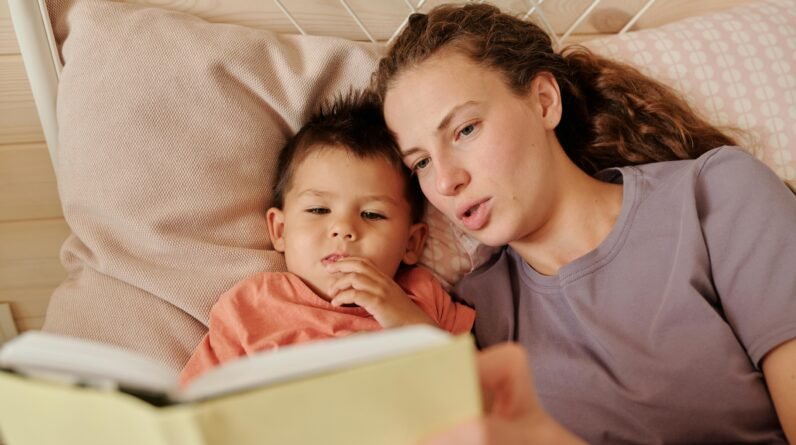
Cozy Nighttime Favorites: best bedtime books for kids
Cozy Nighttime Favorites. This article collects gentle, comfort-focused bedtime reading suggestions and practical guidance for caregivers who want to shape calm evenings. It presents book recommendations, age-based selections, tips for reading aloud, and simple routines to make bedtime reading a ritual that soothes and connects.
Why bedtime books matter
Bedtime books offer more than stories; they create a predictable and secure transition from day to night. They help regulate emotions, support language development, and strengthen the bond between reader and child through shared attention and rhythm.
Emotional and developmental benefits
Bedtime stories provide a safe space for children to process feelings and learn emotional vocabulary. They also support cognitive skills such as attention, memory, and narrative understanding while encouraging empathy and imagination.
How cozy books differ from other children’s books
Cozy bedtime books tend to use soft rhythms, gentle pacing, reassuring themes, and calming illustrations that reduce stimulation. They often avoid cliffhangers, loud action, or complex plots that could prolong wakefulness, instead focusing on familiar routines, comfort, and closure.
How to choose the best bedtime book
Selecting the right book can depend on age, temperament, reading goals, and the mood a family wishes to create before sleep. A thoughtful match will consider length, language, repetition, visuals, themes, and the caregiver’s comfort in reading the text aloud.
Consider the child’s age and attention span
Young infants and toddlers benefit from short, rhythmic texts and tactile board books, while older children often appreciate longer picture books or gentle chapter books. Matching the book length to attention span prevents restless reading sessions and helps maintain a soothing pace.
Look for predictable structure and gentle rhythms
Books with repeated phrases, predictable refrains, and lyrical rhythms help children anticipate what will come next and create a calming cadence. Predictability reduces cognitive load and can often prompt participatory interactions, like finishing repeated lines together.
Themes that promote comfort and closure
Stories that emphasize routines, hugs, family, home, animals settling down, and quiet adventures foster a sense of security. Avoid themes that arouse anxiety or introduce unresolved tension close to sleep time.
Consider illustrations and color palettes
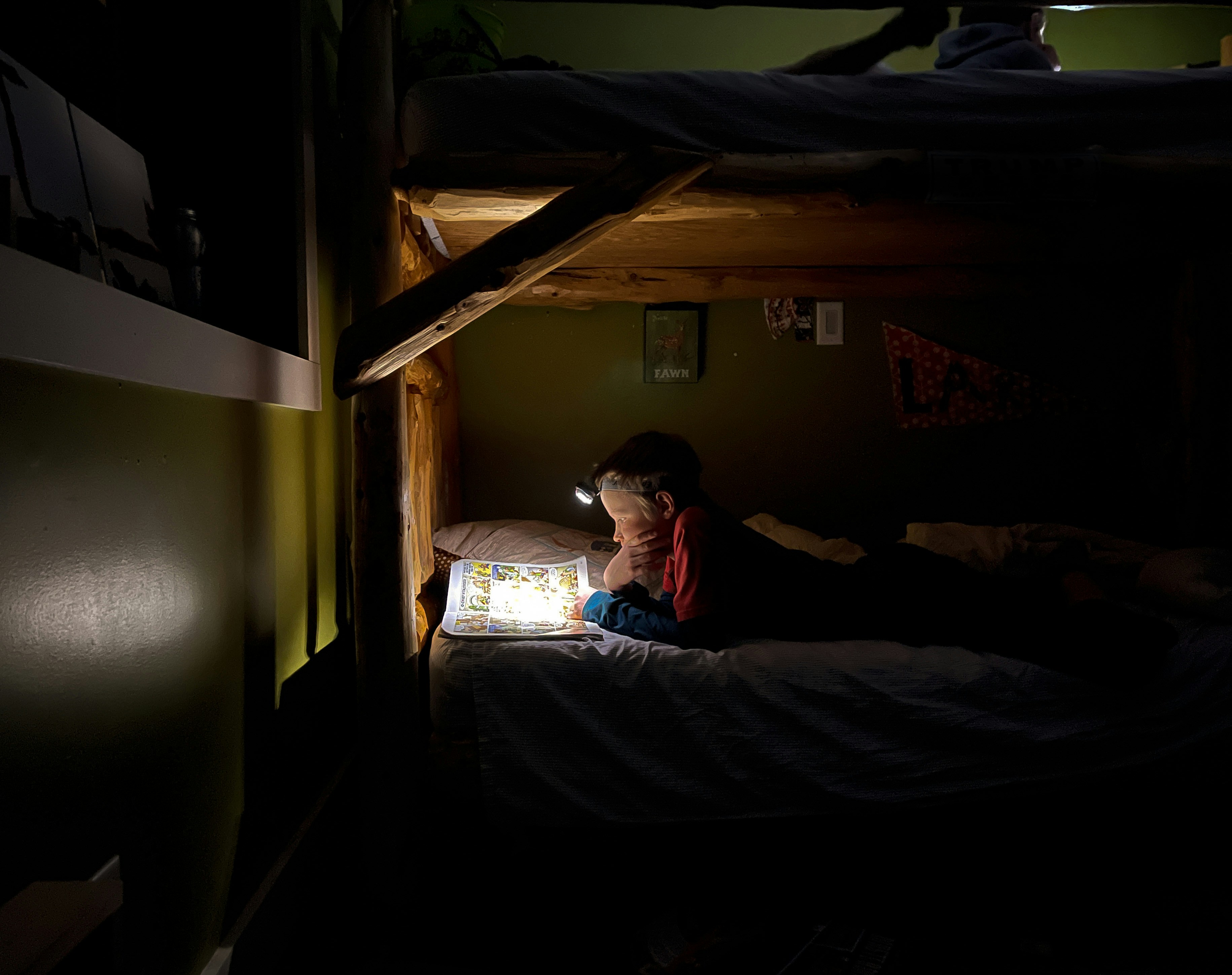
Soft, muted colors and simple, uncluttered illustrations help lower visual stimulation and guide the child’s gaze. Illustrations that show characters winding down and preparing for sleep reinforce the narrative cues for bedtime.
This image is property of images.unsplash.com.
Recommended books by age group
This section offers curated lists tailored to different developmental stages, helping caregivers find age-appropriate choices. Each recommended title includes a short rationale, suggested age range, and what makes it especially suited for bedtime.
Board books and picture books for infants (0–2 years)
Infants respond well to touch, rhythm, and high-contrast images that establish early language connections. Short, repetitive board books with familiar objects and home routines are ideal for this stage.
Table: Best bedside board books for infants (0–2 years)
Title | Author | Why it’s cozy | Length / Format |
|---|---|---|---|
Goodnight Moon | Margaret Wise Brown | Simple, poetic rhythm and soothing repetition create a calm closure. | Short picture book, classic illustrations |
Lullaby | Jane Yolen & G. Brian Karas | Gentle lullaby phrasing and warm family imagery make it perfect for cuddles. | Short picture book |
Time for Bed | Mem Fox | Repetitive, rhyming lines and washing-up routines promote predictability. | Short picture book |
Baby Faces | Margaret Miller | High-contrast, smiling faces encourage recognition and connection with the caregiver. | Board book |
The Going to Bed Book | Sandra Boynton | Playful but gentle text and familiar bedtime activities lead to calm. | Board book |
Picture books for toddlers and preschoolers (2–5 years)
Toddlers enjoy stories with slightly longer narratives, charming characters, and comforting conclusions. Books in this range often combine bedtime routines with small, gentle conflicts that resolve before sleep.
Table: Picture books suitable for toddlers and preschoolers (2–5 years)
Title | Author | Why it’s cozy | Themes |
|---|---|---|---|
Pete the Cat: I Love My White Shoes (Bedtime) | James Dean & Eric Litwin | Simple rhyme and repetition with a relaxed, friendly protagonist. | Routine, calm |
Owl Babies | Martin Waddell | Reassurance about parental return and a cozy nursery setting. | Separation anxiety, love |
On the Night You Were Born | Nancy Tillman | Lyrical celebration of the child’s uniqueness presented in a quiet tone. | Belonging, wonder |
Bear Snores On | Karma Wilson | Softly humorous but ultimately restorative; animals cuddle up for sleep. | Friendship, comfort |
The Napping House | Audrey Wood | Repetitive piling-on structure leads to a peaceful ending, perfect for naptime or bedtime. | Rhythm, cumulative structure |
Early readers and transitional chapter books (5–8 years)
Children ready to read on their own enjoy short chapter books or longer picture books that maintain gentle pacing. These books support independence while still maintaining bedtime calm.
Table: Early readers and gentle chapter books (5–8 years)
Title | Author | Why it’s cozy | Reading level |
|---|---|---|---|
Frog and Toad Are Friends | Arnold Lobel | Short, episodic stories about friendship and simple solutions. | Beginning reader |
Mr. Putter & Tabby series | Cynthia Rylant | Warm, humorous stories about an older man and his cat with calm finales. | Early chapter |
Owl at Home | Arnold Lobel | Short vignettes with whimsical but soothing warmth. | Early chapter |
Little Bear | Else Holmelund Minarik | Gentle adventures that end in security and family warmth. | Early chapter |
Middle grade choices with gentle pacing (8–12 years)
Older children sometimes prefer understated, lyrical chapter books or stories that explore feelings in quiet terms. These selections tend to avoid high-stakes drama right before bed.
Table: Middle grade suggestions for quiet evenings (8–12 years)
Title | Author | Why it’s cozy | Themes |
|---|---|---|---|
Charlotte’s Web | E.B. White | Gentle friendship, farm life, and reflective pacing make it a soothing read-aloud. | Friendship, kindness |
The Miraculous Journey of Edward Tulane | Kate DiCamillo | Poignant and slow-building, with comforting resolution. | Gratitude, growth |
The Little Prince | Antoine de Saint-Exupéry | Philosophical yet simple, encouraging calm reflection. | Imagination, love |
The One and Only Ivan | Katherine Applegate | Quiet voice and introspective tone that promotes empathy and calm. | Compassion, art |
Classic bedtime books that stand the test of time
Certain bedtime stories have comforted generations and continue to do so because of their rhythm, tenderness, and timeless themes. These classics often pair well with family memories and rituals.
Classics often use simple, steady language and illustrations that have become familiar and beloved across time. They also provide intergenerational connections, as grandparents, parents, and caregivers may have read the same stories in their own childhoods.
Recommended classic titles
A selection of enduring titles can offer reassurance and continuity. These include titles that reliably produce calm due to their language, structure, and themes of home and safety.

This image is property of images.unsplash.com.
Multicultural and diverse bedtime books
Children benefit from seeing a variety of cultures, family structures, and experiences reflected in bedtime stories. Diverse books can affirm identity and broaden empathy without disrupting the calm of the evening.
How diversity supports emotional safety
Representation in bedtime books reassures children that their family, traditions, and feelings are normal and valued. Books that respectfully portray different languages, holidays, and homes add richness without increasing stimulation at bedtime.
Table: Diverse bedtime books worth considering
Title | Author | Cultural focus | Why it’s cozy |
|---|---|---|---|
Alma and How She Got Her Name | Juana Martinez-Neal | Latinx family heritage | Gentle exploration of identity tied to family stories |
Same, Same but Different | Jenny Sue Kostecki-Shaw | Cross-cultural friendship | Calm comparison of similarities and differences |
Dreamers | Yuyi Morales | Immigrant experience | Poetic visuals and lullaby-like text |
Nana in the City | Lauren Castillo | Urban family warmth | Quiet celebration of grandparental love in a city setting |
Bedtime reading routines and rituals
A consistent routine signals to a child’s body and mind that sleep is approaching. Rituals can be brief and flexible but should create predictability and closeness.
Building a predictable sequence
A simple sequence—bath, pajamas, teeth, story, hug—creates a physiological cue for winding down. Predictability reduces resistance and makes transitions smoother for both child and reader.
The role of lighting and tone
Dim lighting, soft voices, and limited background noise enhance the calming effect of the story. Caregivers should aim for intimate settings where the child can focus on the narrative without distraction.
Using the same book strategically
Rotating a small selection of favorite bedtime books provides variety while retaining familiarity. Re-reading favorites builds language skills and allows children to participate in storytelling by finishing phrases or predicting outcomes.
This image is property of images.unsplash.com.
Techniques for reading aloud at bedtime
The way a story is presented matters as much as the story itself. Reading with intention can transform a book into a calming ritual.
Voice, pacing, and pauses
A steady, slower-than-normal pace helps lull a child toward sleep, while well-timed pauses allow for breathing and absorption. Soft, warm tones work better than exaggerated theatrics, which may excite rather than soothe.
Encouraging participation without stimulation
One or two predictable participation moments—like repeating a line or making a simple sound—can engage a child without increasing alertness. Caregivers may invite minimal interaction that maintains the tranquil atmosphere.
Adjusting reading to the child’s cues
If the child’s eyes droop, the reader may shorten a chapter or move toward the book’s end to avoid disrupting sleep onset. Observing yawns, rubbing eyes, or slowed responses helps the caregiver decide when to end gently.
When to choose shorter vs. longer bedtime books
Choosing a book length depends on energy levels, routines, and how much reading the caregiver can comfortably manage. Flexibility helps keep bedtime pleasant rather than stressful.
Short books for tired or restless nights
Short, rhythmic books are best when the child is overtired or the routine needs to be quick. They provide satisfying closure with minimal effort and reduce the risk of a child becoming overtired and harder to settle.
Longer books for calm, connected evenings
Longer picture books or early chapters work well on nights when the child seems receptive to a more extended reading session. These moments can foster deeper conversation and encourage independent listening.
Bedtime alternatives and complements to books
Not every night needs the same kind of story; alternatives can supplement reading or serve as occasional substitutes. Quiet activities that maintain calm can be incorporated to build variety.
Audiobooks and recorded stories
Audiobooks can be a gentle addition when a caregiver is unavailable to read or when a different voice contributes variety. Selecting recordings with soothing narrators and slow pacing is essential.
Lullaby songs and poetry
Short lullabies or simple poems offer a rhythmic alternative that aligns closely with the soothing qualities of bedtime literature. Poetry with predictable meter can be read or sung softly to create a restful tone.
Quiet conversations and memory sharing
A brief conversation about the best part of the child’s day or a family memory can offer connection without the stimulation of screens or new narratives. This practice reinforces attachment and ends the day on a positive note.
Addressing common bedtime reading challenges
Reading at bedtime is not always straightforward; practical strategies help manage resistance, fear, and schedule conflicts. Solutions focus on consistency, empathy, and creativity.
Resistance to ending play
When a child resists the shift from play to reading, a gentle countdown or a transitional phrase can help. Offering a choice between two favorite books creates a sense of control while still following the routine.
Nighttime fears and scary content
Caregivers should screen books for content that might unintentionally trigger anxiety, especially for sensitive children. Choosing reassuring narratives and emphasizing the safety of the immediate environment can reduce nighttime fears.
Running out of time
On busy nights, caregivers may opt for very short books, a single chapter, or an abridged version of a longer story. Consistent delivery, even brief, helps keep the ritual intact and signals that bedtime remains a priority.
Creating a cozy reading environment
A physical environment that supports calm is as important as the book choice. Small adjustments can make the reading experience more comfortable and effective.
Comfortable seating and positions
A soft chair, a parent on the bed, or a snuggle on the couch with blankets supports closeness. Positioning the child so that they can comfortably see the pictures and hear the voice helps maintain engagement without overstimulation.
Reducing sensory distractions
Turning off screens, minimizing laundry or chores nearby, and setting a gentle room temperature can all make the environment more conducive to sleep. Soft background sounds, like a white noise machine set low, may help some children relax.
Choosing tactile comforts
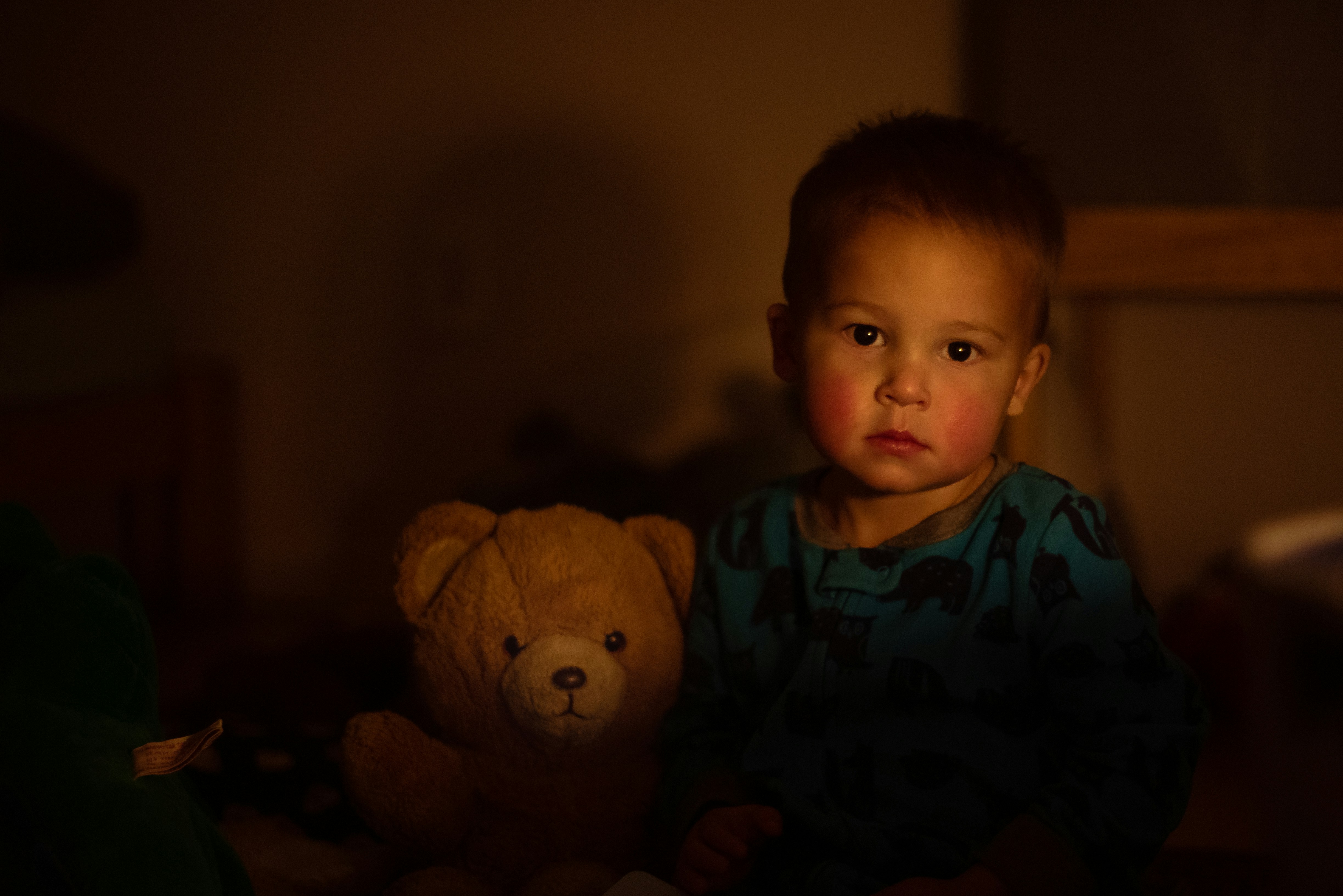
A familiar blanket, stuffed animal, or pillow associated with bedtime can reinforce security during reading. Allowing the child to hold a comfort object during stories can increase relaxation and foster positive associations with the routine.
Sample 7-night bedtime book rotation
A simple rotation of favorites prevents monotony while keeping the soothing elements consistent. This sample schedule gives caregivers a gentle framework for a week of calming reading.
Table: Sample 7-night bedtime rotation
Night | Book Type | Example Title | Notes |
|---|---|---|---|
1 | Short classic | Goodnight Moon | Quick, poetic closure after a busy day |
2 | Family-focused picture book | On the Night You Were Born | Reassuring celebration of belonging |
3 | Animal-led gentle story | Bear Snores On | Gentle humor and group settling |
4 | Lullaby-style book | Lullaby (Jane Yolen) | Soft text; sung or spoken |
5 | Longer picture book | Owl Babies | Reassuring theme about parents returning |
6 | Transitional chapter | Frog and Toad (one episode) | Read one short episode slowly |
7 | Memory & reflection | Conversation + short poem | Share a memory and finish with a poem |
Creating homemade bedtime books and crafts
Making a personalized book can be a meaningful project that results in a unique bedtime resource. These activities also build ownership and excitement without creating overstimulation.
Simple homemade board book ideas
Caregivers and children can create a “This is our bedtime” book with photos of the child’s routine and comforting phrases. Laminated pages or cardstock can make a durable, tactile book that reinforces routine.
Personalized story prompts
A short story that features the child by name, their favorite stuffed animal, and a calm goal (like taking deep breaths) is both comforting and empowering. Personalization increases engagement and can reduce bedtime resistance.
Quiet crafts to prepare for reading
Creating a small bookmark or decorating a pillowcase with fabric markers can be a pleasant pre-bedtime ritual on calmer evenings. These hands-on projects should be scheduled earlier in the evening so they do not over-stimulate before lights-out.
FAQs about bedtime reading
Common questions arise when establishing evening reading routines, especially for new families or those with differing schedules. Answers emphasize adaptability and consistency.
How many books are appropriate per night?
The number depends on the child’s age, energy, and the family’s schedule; some nights one short book suffices, while on calmer nights two or three may work. The key is to maintain a soothing pace and end with closure rather than leaving the child wanting more.
What if a child wants the same book every night?
Repetition is developmentally normal and beneficial; familiarity supports language growth and comfort. Caregivers may gently rotate in new titles while allowing favorites to remain prominent to preserve the predictable security.
Are electronic books appropriate at bedtime?
Screens tend to increase alertness and interfere with melatonin production, so traditional printed books are generally preferable. If an electronic story is necessary, choosing audio-only recordings or dim, low-blue-light devices minimizes disruption.
Final thoughts on nurturing cozy nighttime reading
Creating a calm bedtime routine centered on gentle books requires patience, observation, and consistency. The most effective bedtime reading is less about the perfect title and more about the quality of connection and the predictable rhythm that reassures a child each night.
Encouraging lifelong reading and calm habits
Small nightly rituals can plant seeds for a lifelong love of reading and healthy sleep habits. Caregivers who model warmth, patience, and presence during bedtime stories set a foundation for secure attachment and restful nights.
Which bedtime book will become a family’s quiet ritual and help a child settle into sleep?
Next steps for caregivers
Caregivers may begin by selecting a small collection of cozy titles, creating a predictable sequence, and observing the child’s responses over a week or two. Adjustments are natural; the goal is to craft a routine that eases the transition to sleep and becomes a cherished part of the day.
Get more creative knowledge build books and resources for happy minds at: https://booksforminds.com/