Exploring The Ernest Hemingway Home & Museum
Exploring The Ernest Hemingway Home & Museum. Have you ever wanted to stand where a writer you admire kept his typewriter, fed his cats, and walked past the same porch doors that quietly held whole chapters of his life?
A Visit to the Ernest Hemingway Home & Museum
You can make this place part of a day in Key West and come away with more than a photograph: you get a sense of how ordinary rooms and small habits built into a public life. The house sits in a neighborhood that still smells of salt and citrus, and when you walk through its door you’ll notice details that feel like leftover sentences from someone’s uninterrupted paragraph of living.
Why This House Matters — History and Context
The house is not only a preserved interior; it’s a time capsule that helps you imagine the rhythms of mid-20th-century life in a subtropical American town. When you think about Hemingway at this address, think about private routines made public by reputation — the peculiar combination of a writer’s need for order and a boisterous, messy life at sea.
This property became associated with Ernest Hemingway in the 1930s, when he made Key West his principal residence for several years. It was here that he lived, wrote, entertained friends, kept a fleet of boats and — perhaps most famously for visitors — housed a lineage of polydactyl cats. The house’s preservation has allowed generations of visitors to connect domestic detail to literary output, to imagine drafts written at a desk facing a garden, and to picture arguments and quiet afternoons beneath the same eaves.
The Man Who Lived Here
When you walk through the house and read the small captions, you’ll meet the practical side of a man often mythologized. Hemingway could be theatrical, but he also had routines: meals in a particular place, a specific chair for working, a preference for silence or the company of certain friends. Those routines leave traces in old photographs, typed manuscripts, and the careful arrangement of his books and tools.
Understanding the man in the house doesn’t mean reducing his work to biography, but it does let you see how environment and character interacted. The house shows you his taste for comfortable solidity — heavy furniture, simple lines, and objects that look used rather than staged. That humanizes the legend and makes his creative life less mysterious and more like your own: a series of decisions made in rooms that smelled of coffee and salt air.
The House’s Architecture and Layout
From the street, the house reads as a white, two-story building with broad porches, thick walls, and a shy, shaded garden behind it. The design responds to the climate: high ceilings, wide windows, and deep overhangs that keep the rooms cool. When you move from the porch into the interior, you’ll feel the change in light and temperature, and that difference will help you imagine why certain rooms were used for writing or entertaining.
The lot includes a garden, a tropical canopy of plants, and a pool — a novelty for the era in Key West — that evokes private leisure rather than public display. You’ll also notice a separate writing studio space and outbuildings that housed the practical side of life: tools, storage, and later a caretaking presence that helped keep the house functioning when Hemingway was at sea or away on assignment.
What You’ll See on a Guided Tour
Tours at the house create a narrative thread for you as a visitor. A guide will lead you through rooms in an order that makes sense: public rooms first, then private spaces, then the garden. Each room is furnished with objects either original to the house or similar in period and style, so you get a tactile sense of the domestic life that once occurred there.
You’ll pass the living room with sofas and chairs arranged as if conversation had just paused, move into the library or study, and see the writing studio with a desk that suggests long, concentrated hours at a page. The bedrooms hold personal items and photographs that feel intimate without being voyeuristic; the kitchen speaks of practicality — pots, baskets, and the steady work of feeding a household. Outside, the garden and pool provide a quiet counterpoint to the interior, an outdoor space intended for reading and recovery.
Below is a short table to help you track the main rooms and what to notice in each place.
Room or Area | What to Look For | Why It Matters |
|---|---|---|
Living Room / Parlor | Wear on the furniture, family photos, period objects | Shows social life and hospitality habits |
Library / Study | Shelves, books, maps, and a possible typewriter or desk items | Anchors the writer’s intellectual world |
Writing Studio | Desk placement, windows, simple furnishings | Reveals how he separated work from domestic noise |
Bedrooms | Personal effects, photographs | Humanizes the household routine |
Kitchen | Practical tools, storage, layout | Speaks to the daily logistics of living and entertaining |
Garden & Pool | Plantings, shade structures, pool edge | Indicates leisure, climate adaptation, and outdoor habits |
Cat Areas / Outbuildings | Cat houses, feeding stations | Connects to the living animal history that continues today |
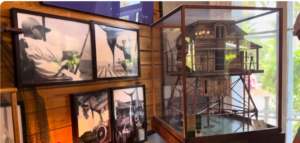
The Studio and the Desk: A Closer Look
When you stand before the desk, you’re facing the locus of many drafts and revisions. The objective detail matters: a window positioned to give a view of swaying trees, a chair that looks worn just where a sitter would tuck one knee, the absence or presence of typewritten pages. Those things tell you about rhythm — how long a table might stand uninterrupted, whether a writer relied on long mornings or short bursts of work.
The studio is compact and purposeful. It’s the kind of room that limits distraction by design, despite the temptations of a temperate porch and garden outside. You can picture the decision to return to the desk after a long afternoon at sea, penning sentences with the same steadiness that once guided an angler’s hand.
One of the most immediate and charming aspects of a visit is the feline presence. The museum is famous for its polydactyl cats — cats with extra toes — which are descendants of a cat given to the writer by a ship’s captain many years ago. Today, the cats are cared for by museum staff and volunteers, and their history has merged with the house’s identity.
You’ll see cats moving through shaded paths or visible from the garden and porches. Staff will be attentive to their health; you should be too. If you’re a cat lover, this is a rare chance to appreciate an animal community that’s become part of a cultural site. If you have allergies or strong feelings, plan accordingly.
The Garden, Pool, and Outdoor Spaces
The garden is not simply decorative; it’s a working landscape. Shade trees, tropical plantings, and a pool create a private world insulated from the street. You might stand by the pool edge and imagine afternoons when it was a refuge after long days at sea. The garden’s plantings also reflect the climate: palms, flowering shrubs, and dense groundcover that hum with insects in the quieter hours.
Those outdoor areas tell a story of respite and routine. Outdoor life supported the writer’s need for physical recovery after strenuous travel, long boat trips, or busy social evenings. You’ll notice how outdoor seating is placed to catch breezes, and how paths reveal a logic of movement from house to garden to workshop.

Practical Visitor Information
Before you go, a few practical facts will make your visit smoother. Museum hours, admission costs, and rules can change; it’s always sensible to verify current details before you plan your trip. Below is a compact table with typical information points you’ll need.
Item | Typical Details | Notes |
|---|---|---|
Address | Key West, Florida (central historic district) | Located within walking distance of other attractions |
Hours | Often open daily with scheduled tours | Times may vary seasonally; check current listing |
Admission | Fee for adults, discounts for seniors/students/children | Special events may have separate pricing |
Tours | Guided tours usually included in admission | Tours provide context and access to many rooms |
Photography | Rules vary by room and season | Exterior and garden photos generally permitted; interior restrictions possible |
Accessibility | Partially accessible; older homes have stairs | Contact the museum for specific accommodations |
Contact | Museum phone / official website | Useful for questions about specific exhibits or events |
Admission, Tickets, and Tour Tips
You’ll usually take a guided tour, which helps you connect details into a coherent story. Guides can point out small but revealing objects and share anecdotes you might miss on your own. If you prefer a quieter experience, arrive early in the day when crowds are lighter and the light is soft in the garden.
Ticket options may include individual admission, family packages, or memberships that grant repeat visits and support preservation work. If you’re planning during a busy season — festivals or holidays — consider reserving tickets if that option exists. For most visits, allow at least an hour to an hour and a half to move through the house and grounds at a comfortable pace.
Accessibility and Family Visits
Historic houses often present accessibility challenges because of stairs, uneven floors, and narrow doorways. If you require wheelchair access, call ahead to learn which paths and rooms are accessible and whether accommodations can be made. Many museums have adapted portions of their properties to be friendlier to visitors with mobility concerns, but there may still be limits.
Families will find plenty to engage children — the garden offers space to move and the cats are a natural attraction — but it helps to prepare younger visitors for rules about touching artifacts and staying on designated paths. The guided tour format typically helps maintain a calm rhythm suitable for mixed-age groups.

Nearby Attractions and How to Structure a Day
You don’t have to make the museum your whole day, but placing it among nearby sites gives a satisfying sense of place. Key West’s historic district contains museums, galleries, and waterfront promenades that match well with a house tour. Plan a morning visit to the Hemingway House, a relaxed lunch on a nearby street, and an afternoon walk toward the pier or a historic lighthouse.
Think about pacing: a morning in the house followed by a slow stroll and a seafood lunch gives you time to absorb instead of rushing, which suits the house’s calm temperament. If you prefer a busier day, pair the visit with a museum focused on nautical history or a walking tour of the neighborhood’s architecture.
Tips to Make the Most of Your Visit
Arrive early to enjoy soft morning light in the garden and fewer crowds inside.
Wear comfortable shoes; historic floors are often uneven and gardens have mulch paths.
Bring water, sunglasses, and a hat — the Florida sun is steady even when the breeze is kind.
Be mindful of the animals: follow staff guidance on interactions and don’t feed the cats.
Listen to the guides; they’ll tell small stories that transform objects from furniture into relics of habit.
Take notes or keep a small sketchbook if you’re inclined; the house rewards slow attention.
If you’re a writer, sit quietly and let small details reawaken your own sense of place.
Events, Lectures, and Special Exhibits
The museum occasionally hosts temporary exhibits and public programs that shed light on different aspects of life and literary influence. You might find archival presentations, talks by scholars or authors, and community events that contextualize the house in larger cultural narratives.
One well-known local event tied to the author’s legacy is a festival that brings look-alike contests, readings, and even reenactments, but this can be a crowded time. If you aim for intimacy, choose a non-festival date; if you want the buzz and a sense of community celebration, a festival day will give you a different kind of experience.
Preservation, Conservation, and Museum Life
Historic houses require ongoing care. Preservation work covers structural maintenance, climate control for sensitive objects, pest management, and the ethical stewardship of living animals on the property. The museum operates as a nonprofit institution, which means part of your admission goes toward conservation and operations.
Behind the scenes you’ll find conservators, gardeners, curators, and docent volunteers who coordinate to keep the house usable, informative, and safe. They make choices about what to restore, what to keep original, and how to present personal artifacts without sensationalizing private life. That careful stewardship ensures the site will remain a place where future visitors can encounter both fact and feeling.
How to Handle Personal Feelings When You Visit
You may arrive with a romantic notion of the writer, or you may be curious about the person behind the public image. Both reactions are valid. The house doesn’t resolve the contradictions of a complicated life, but it offers human scale: small decisions about where to place a chair, what to keep on a shelf, and how to arrange a garden.
Allow yourself to feel a range of responses. Some corners of the house are unexpectedly domestic and comforting — a laundry closet, a simple lamp — and some items are poignant reminders of battles, losses, or endings. A museum is a controlled environment, but it can provoke a strong sense of proximity to someone who is otherwise a distant figure in literary history.
Photographing and Remembering Your Visit
Photography rules can vary and are informed by conservation needs; delicate papers and fabrics often fare better when protected from frequent flash. Even if you are allowed to photograph, consider balance: take a few images that matter to you, then put the camera away and look. Memory is not only a set of images; it’s a feeling, a sequence of small sensory details: the creak of a stair, the particular way sunlight falls on a chair, the sound of distant traffic muffled by garden leaves.
If you write, bring a little notebook. You’ll likely remember a detail that a photograph doesn’t capture — a guide’s anecdote, a scent, or a rhythmic noise from a passing boat — and those things enrich what you take home.
Suggested Itineraries
Short visit (1–1.5 hours): Guided tour, quick walk through garden, coffee nearby afterward.
Full-morning visit (2–3 hours): Tour, relaxed time in the garden, visit to a nearby museum or gallery, lunch on Duval Street.
Literature-themed day: House tour, reading at a waterfront bench, visit to other literary spots in town, evening reading event if available.
Museums are communal spaces with fragile objects; your attentiveness matters. Respect ropes and designated paths, avoid touching artifacts, and follow instructions about photography and interaction with animals. Keep children close and explain why some items are off-limits. Your small acts of care help preserve the house for others and sustain the dignity of a domestic place turned public.
Why You Should Care
This house gives you a rare kind of intimacy with a public figure: it lets you see the ordinary scaffolding around exceptional work. When you leave, you’ll have more than pride or a checklist completed; you’ll have an image of a life that combined routine and restlessness. You’ll recognize how habit anchors ingenuity, how small comforts can shape big ambitions, and how a garden can hold both silence and memory.
A house like this is not a monument so much as a room you step into and inhabit for a while. That inhabitation changes how you read the writing and how you understand the person. You don’t come away with all the answers; you come away with a clearer sense of context and an appreciation for the small, domestic choices that make a life legible.
Final Thoughts
As you plan your visit, imagine the quiet afternoons and the noisy breakfasts, the cats threading between chair legs, and the constant suggestion of the sea a short walk away. Let the house do what houses do best: remind you that the lives of famous people were, in practical terms, composed of the ordinary acts of living. The effect is strangely comforting — an assurance that the great sentences you admire were written in rooms much like the ones you’ve sat in at home.
If you give yourself enough time and attention, the Ernest Hemingway Home & Museum will reward you with a feeling of personal proximity to literary history, and with details that linger: the shade of a porch, the shape of a desk, the quiet choreography of a group of cats moving through a garden. Those are the small things that, in the end, feel most like real life. Get more creative knowledge build books and resources for happy minds at: https://booksforminds.com/