Bedtime Stories to Spark Gentle Dreams
Bedtime Stories to Spark Gentle Dreams. Do you ever notice how a single sentence can shift the room’s air and carry you toward sleep?
Bedtime Stories to Spark Gentle Dreams
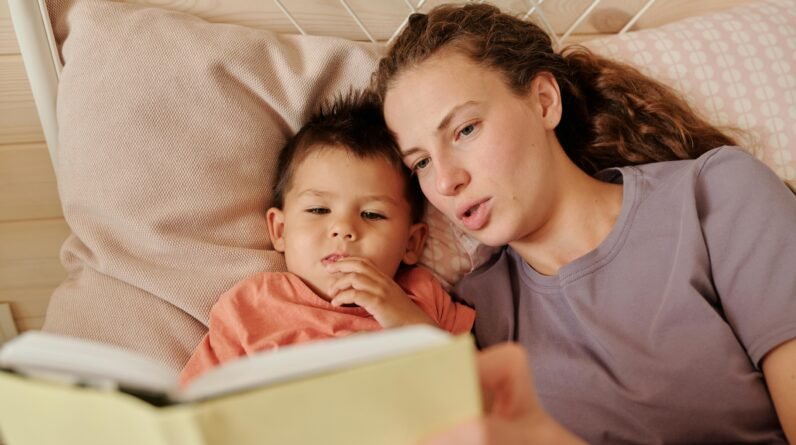
You know the small ritual: the lamp dimmed, the hush that settles over the room, the way a voice lowers and becomes almost another pillow. This article is for the person who reads the same story for the fifth time and still finds a secret in the margins, the one who wants to invent new lines to soothe, the parent, guardian, caregiver, or anyone who spends their evenings transporting someone else gently into night. You’ll find themes, practical advice, sample story outlines, and techniques to help you shape stories that encourage calm, curiosity, and the soft edges of dreaming.
Why bedtime stories matter
There’s something crucial in the practice of reading at night: it’s not just the words but the permission to pause. You give the listener time to shift attention from the day’s noise to a different kind of thought. That matters for sleep hygiene and for emotional development.
Because stories create predictable spaces, you supply a frame for imagination that is safe. You also model a slower pace, a different breathing rhythm, and a language of care. Over time, these rituals communicate that the world is manageable enough to be left for a while.
The psychology behind gentle stories
You’re probably aware that predictable narrative beats reduce anxiety. A steady structure lulls the brain by setting expectations — you know what comes next, so your nervous system can relax. Repetition, rhythm, and soft imagery are all tools to guide this process.
Narratives that emphasize routine, kindness, and resolution offer a sense of closure. Even when a story has small tensions, those are usually solved or soothed before the final sentence. This matters because unresolved worry tends to hold attention awake.
How to choose stories by theme
Choosing a story is a little like choosing tea: you consider mood, intensity, and compatibility with the eater’s taste. When it’s bedtime, colder or more intense plots are less suitable; aim for warmth and contained curiosity instead.
Match the theme to the child’s current life and needs. If they’re transitioning to a new school, a friendship story might be reassuring. If they’ve had a busy day, choose a nature or mindfulness themed tale. You’ll know from the way their breathing changes whether you’ve made a good choice.
Quick decision guide
Pick a theme that aligns with emotional needs, cognitive load, and age. Use rhythm and repetition. Prefer endings that feel like a gentle exhale rather than a surprise.
Themes and what they do
Below are themes with short descriptions and suggestions for how each can facilitate sleep. Each theme contains ideas you can adapt into lines, characters, or settings.
Comfort stories re-centre the child in familiar places—blankets, rooms, parents’ voices, familiars like stuffed animals. You tempt the listener into recognition rather than novelty, which lowers arousal.
Use sensory details: the creak of a favorite chair, the smell of warm bread, the exact weight of a quilt. Concrete images anchor the mind.
Nature and seasons
Nature-based stories help the listener connect to larger, slower cycles: tides, seasons, the movement of clouds. They reinforce the idea that change is natural and predictable.
You can personify simple natural things—an oak tree with a slow laugh, a night wind that tucks in stars—to give a friendly sense to vast processes.
Animal characters simplify human complexity and create safe distance for tough feelings. Friendships between animals can demonstrate empathy and compromise in a gentle way.
Try pairing an unlikely duo to show patience and mutual learning. Small adventures rather than big conflict fit better at bedtime.
Imagination and quiet adventure
These stories permit low-stakes wandering—like a walk on the moon that’s more about noticing than conquering. They fuel creativity without creating adrenaline.
Limit surprises and emphasize observation: how the moonlight felt underfoot, the way a shadow waved.
A story that builds from breath can be literally instructive. Guide the listener through inhaling with a phrase and exhaling with another, embedding relaxation techniques in narrative form.
You might personify breath as a friendly bird that visits the chest and wings down gently.
Family and routine
Stories about routines help cement safety and predictability. When family members are kind and steady in stories, it reinforces attachment security and the sense that things will be looked after.
Subtle rituals—tea after school, a song before bed—create ritual continuity that feels reassuring.
When soft learning matters, opt for small mysteries that get solved gently. These stories encourage curiosity but wrap knowledge in comfort rather than pressure.
Let the protagonist learn a thing by noticing rather than by being lectured.
Night sky and stars
Space stories can be calming if framed as wide and slow, not frenetic. Use constellations as friendly companions or constellations as comforting blankets.
The emphasis should be on the quiet, not on high stakes like meteors or wars.

This image is property of images.unsplash.com.
A table of themes with age suitability and examples
Theme | Age range | Why it works at bedtime | Example prompt |
|---|---|---|---|
Comfort & Home | 0–5 | Familiarity lowers arousal | A teddy who remembers footsteps |
Nature & Seasons | 2–10 | Connects to predictable cycles | A river that whispers stories to stones |
Animals & Friendship | 1–8 | Emotional lessons via distance | A small fox learns to be brave about rain |
Imagination & Adventure | 3–12 | Stimulates gentle creativity | A ship made of leaves sails a puddle sea |
Mindfulness & Breathing | 4–12 | Teaches self-regulation | A bird teaches breathing by inflating its chest |
Family & Routine | 0–10 | Reinforces attachment | A family tree that tucks its saplings in |
Learning & Curiosity | 4–12 | Rewards noticing | A child solves a puzzle by listening to a wall |
Night Sky & Stars | 3–12 | Inspires awe, not fear | A star that wants to learn names of clouds |
Structuring your bedtime story
A simple structure keeps the listener rooted. You’ll do well with: setting, gentle tension, small turning point, and resolution. Keep sentences varied but often short near the end to lower energy.
Consider a three-part flow: arrival (setting the scene), wandering (soft action or learning), rest (resolution and a closing image). Each part should have sentences or phrases that invite slow breathing.
Sentence length and rhythm
Short sentences lower heart rate; long sentences can feel like a string of thoughts. Mix them to create a cradle: longer lines for description, short lines for finality. Repeat a phrase at intervals to create expectation and calm.
Use punctuation sparingly to avoid jolting. Commas are softer than dashes; periods are the most calming end.
Sample story outlines you can adapt
Below are outlines you can flesh into full stories. Each is intentionally low-conflict and full of sensory anchors.
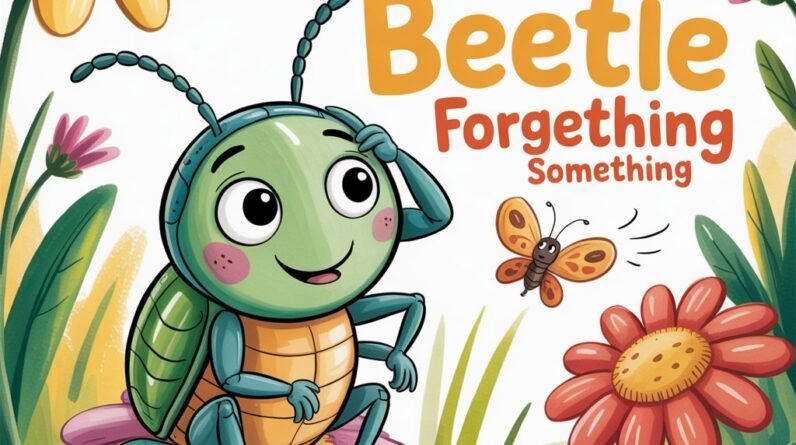
1. The Little Lantern That Forgot Its Light
Setting: a small coastal town where everyone uses lanterns.
Character: a lantern that feels dim and worries about being useful.
Gentle action: it meets the tide, a folding piece of paper, and an old woman who hums.
Resolution: the lantern realizes light comes in different forms—glow, warmth, memory—and rests as it is.
Closing image: the lantern and the sea breathing together.
You can stretch or compress this, add repeated lines like “the lantern blinked, not in fear but to see.”
2. The River’s Quiet Story
Setting: a river traveling through the same valley for years.
Character: a pebble who wants to be noticed.
Gentle action: the pebble learns to count ripples and names small fish.
Resolution: the pebble feels seen by the river when it remembers its shape.
Closing image: a hush like the surface of water at dusk.
The story’s rhythm can imitate water: rolling phrases and soft repetitions.
3. The Night Garden
Setting: a rooftop garden that only opens at night.
Character: a child who tiptoes to smell moonflowers.
Gentle action: they plant a seed, talk to a moth, listen to crickets.
Resolution: the seed sleeps and the child goes home with soil on their fingers.
Closing image: stars stitched like seeds across the sky.
Make the language tactile—describe the soil’s coolness, the moth’s slow wings.
Storytelling techniques to soothe
You’ll find these techniques useful whether you use a book or invent lines.
Use of repetition
You can repeat a phrase, cadence, or stanza to signal safety. Repetition builds a bridge to sleep because the brain stops predicting and starts resting.
Try a refrain that returns every few pages: “And the room stayed gentle as a sigh.” Make it slightly different each time to keep it alive.
Sensory specificity
Choose one or two senses to emphasize per scene. Scent and touch are especially grounding. Sight can be used but avoid sharp contrasts.
Descriptors like “damp,” “murmur,” “soft as a folded letter” pull listeners into embodied calm.
Personification with restraint
Give gentle traits to nonhumans—clouds that yawn slowly, a book that closes itself—not heavy emotions. Anthropomorphism should soothe not dramatize.
Small quirks are enough to create intimacy.
Pacing and pauses
Pause after a quiet line to let the breath follow. You can count softly or use a physical pause by lowering volume. Pauses are as important as words.
If you’re reading aloud, breathe with the phrases you’d like the listener to mirror.
How to create your own bedtime stories
You don’t need to be a writer to make a good bedtime story. You need observation, a calm voice, and a tidy structure.
Start with a single image—a chair like a harbor, a cat that keeps the night’s secrets. Build three beats around it: arrival, small change, closure. Keep vocabulary simple and sensory.
Prompts to get you started
A garden that opens only to moonlight.
A small stone that counts stars.
A kettle that remembers old conversations.
A clock that slows down for one sleepy hour.
A shadow that learns how to be soft.
Use these prompts to make micro-stories: 200–500 words often work perfectly at bedtime.
Reading techniques: voice, eye contact, and improvisation
How you read matters as much as what you read. Your voice is the environment.
Lower your pitch slightly and slow your pace without dragging. Eye contact is optional; sometimes looking at the pages gives your voice an internal calm. Improvise very small variations—pauses, repeated words—to keep the ritual alive. The listener will pick up on the authenticity more than on precision.
What to do when words fail
When you forget a line or lose your place, don’t rush. Pause, breathe, and summarize the lost sentence gently. Often the lull is more soothing than any perfect line.
Age-specific suggestions
Different ages need different scaffolding. You’ll be attentive to attention spans, cognitive processing, and emotional concerns.
Infants (0–2 years)
Infants respond to tone and rhythm more than narrative. Use short refrains, nursery rhymes, and simple sensory descriptors. Repetition and predictable lines are soothing.
Toddlers like recognition and simple actions. Small stories with clear, rhythmic sentences and familiar objects work best. Keep plots minimal.
Early readers (5–7 years)
Introduce slightly longer arcs and gentle problem-solving. Encourage participation with predictable refrains and choices: “Should the fox go left or right?” Give space for ritual.
At this stage, you can include richer vocabulary and subtle themes—friendship dynamics, small mysteries—but keep endings safe. Allow thematic repetition over several nights to build comfort.
Teenagers
Teenagers might resist overtly ‘childish’ stories but appreciate sophisticated, quiet narratives—poetic, ironic, emotionally honest. Use stories that acknowledge complexity but move slowly toward restfulness.
Handling bedtime resistance
You’ll encounter nights when the child stalls or protests. Resistance often masks anxiety, tiredness, or a need for connection.
Validate before you redirect: acknowledge feelings, then offer a story that matches the tone. If distraction is the tool they need, give a brief, silly tale, then return to calm. Consistency matters more than perfection.
Practical tactics
Offer two story options to give the child a sense of control.
Use a calming ritual before the story—teeth, pajamas, a small lamp.
Keep choices simple and predictable to avoid decision fatigue.
It’s easy to choose exciting books because they’re fun, but you’ll want to avoid material that spikes adrenaline: cliffhangers, fast-paced scenes, or intense conflict. Even humorous books can be too lively if read at full energy.
Watch for scenes with chase sequences, loud battles, or dramatic twists. If a book contains one, skip those parts or paraphrase them into quiet moments.
Using recordings and audiobooks effectively
Recordings are useful when you’re not there or if you need help keeping a consistent tone. Choose recordings with measured pace and soft articulation.
If you record your own voice, speak slowly and keep the background quiet. Children respond strongly to familiar voices, so your recordings can be a continuity aid.

Building a reading routine
Routines signal safety. A predictable sequence—bath, teeth, pajamas, story, song—creates the mental space for sleep. Keep the timing consistent.
Make the story a transition rather than the final act. After reading, allow a minute of quiet before lights out so imagination can settle.
When to introduce novelty or try something different
You’ll know it’s time for novelty when the child is restless with repetition. Offer small changes: a new refrain, a variant ending, or a short interactive element like naming three things in the room.
Novelty should be gentle and contained—no plot overhauls at midnight. Keep the core ritual intact.
Safety and content boundaries
Be attentive to content that could trigger fears or nightmares: vivid descriptions of injury, loss, or abandonment. If you’re unsure about a book, skim it first. Choose versions of classic tales that are edited for calm.
If difficult topics arise, respond extra gently, and if needed, stop and switch to a calming story.
Examples of calming lines and phrases
You can reuse phrases that function like a lullaby. Here are some examples to borrow freely:
“The room breathed with the hush of sleep.”
“The night folded its hands and counted the quiet.”
“Her feet knew the path home by memory.”
“Outside, the sky kept its slow, bright watching.”
“They gave the moon a small, respectful nod and went to bed.”
These phrases pull attention toward stillness and repetition.
A short sample story to read aloud
You’ll find this sample keeps the beats small and the language tactile. Read slowly, let breaths guide the cadence.
The Street That Collected Night
There was a street that liked to collect night. Not like other streets that simply wore darkness as a coat, but this one gathered night like someone gathers small, soft things—scarves, letters, shells. When the sun said goodbye, the street walked slowly, fingertip by fingertip, across porches and over stoops, picking up the day.
At number twelve lived a child who always left a window just a little open, as if to invite the night to come in and sit down. The night came in, set itself on the bed’s edge, and put its hand where the child’s hand reached. They did not speak; they did not have to. They listened to the house’s breath.
A cat, who kept the curtains from flying open, decided the night needed a song. It sang the same low tune it had kept for many years, and the night liked it so much that it hummed along. The child smiled because they liked mornings better when the night had been sung to.
When it was time to go, the street let the night lie down like a quilt and tucked it under the windowsills. The child felt the quilt’s warmth and, under the hum of the cat and the slow breathing of the house, fell asleep with one small hand curled around the edge of the window.
If you want, you can repeat “the street that collected night” once more before you close the book. The phrase becomes a promise.
Troubleshooting common issues
If a child wakes after you finish, keep your voice low and calm. Reassure with the same refrain you used earlier. If nightmares persist, check the day’s media exposure and reduce stimulating content two hours before bedtime.
If the listener is too wired to sit still, try a tactile element: a small object to hold, or a weighted blanket for older kids. Physical grounding is often as effective as verbal.
Making storytelling a shared creative practice
Invite older children to help make stories. You can alternate lines or build a story together in which each person adds a short sentence. This method gives agency and also models narrative structure and listening.
Keep the rules simple: each sentence must be no more than ten words and must end in a calming image. This constraint makes the practice restful, not frantic.
Final thoughts and gentle reminders
You don’t have to be perfect. The ritual matters more than flawless delivery. Your presence and steadiness are what make a story so restorative. Even simple, repeated lines will become a home for sleep over time.
If you remember one thing: slow speech, predictable structure, and sensory safety make a story a gentle bridge to sleep. You are already giving a profound gift by making time at the end of the day to read, speak, and be still together.
Suggested further reading and small list of go-to books
Use the list below as a starting point. These titles are known for calm pacing, soothing language, and gentle imagery.
A collection of very quiet poems or short lullaby forms.
Picture books with repetitive refrains and tactile imagery.
Short stories with pastoral settings and limited action.
Audiobook recordings with low, measured narration.
If you want concrete recommendations for particular ages, I can tailor a list to the child you’re thinking of.
A final small table: quick bedtime checklist
Step | Action |
|---|---|
1 | Dim lights 20–30 minutes before bed |
2 | Lightweight routine (bath, teeth, pajamas) |
3 | Pick a theme that matches mood |
4 | Read with a lowered pitch and slow pace |
5 | Use a repeated refrain or phrase |
6 | Pause before lights out for one minute of quiet |
You’ll probably adjust this checklist as you learn what works in your home. That’s the point: the ritual becomes yours.
If you’d like, you can tell me the age and temperament of the child, and I’ll write three tailor-made story prompts and a short 400–800 word bedtime story that fits exactly.
Get more creative knowledge build books and resources for happy minds at: https://booksforminds.com/