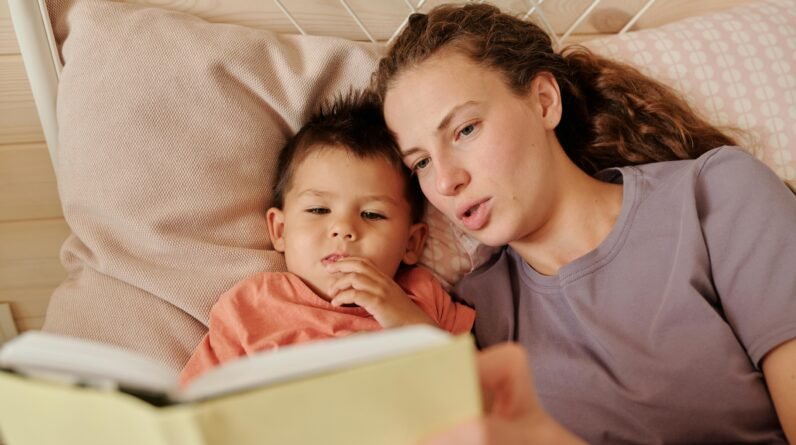
Gentle Bedtime Stories for Children on YouTube
Gentle Bedtime Stories for Children on YouTube. Have you ever felt like you need a magic remote to turn your toddler from a tiny tornado into a peaceful pillow burrito?
Gentle Bedtime Stories for Children on YouTube
You want bedtime to be a soft landing, not a wrestling match with a stuffed giraffe. YouTube can be a trove of gentle bedtime stories that soothe, slow, and signal sleep. This guide helps you choose, use, and maybe even make the perfect bedtime story video so your child drifts off without a neon-lit meltdown.
Why choose YouTube for bedtime stories?
YouTube offers a huge variety of narration styles, animation, and lengths. It’s available on phones, tablets, smart TVs, and streaming sticks, so you can pick a setup that fits your routine. Plus, many channels specialize in calming content designed specifically for bedtime.
Think of YouTube as a library where you can press play without opening thirty picture books at 9:17 PM. It’s convenient, searchable, and often free — though you’ll want to manage ads and suggestions.
The downsides to be aware of
YouTube isn’t all cozy pajamas and lullaby music. Ads, autoplay, and overstimulating visuals can ruin the atmosphere. You have to curate and protect the experience, which adds a mini-job to your parenting duties.
You’ll also need to keep a watchful eye to avoid videos that are engaging in a way that keeps your child wired, rather than calming them. The good news: once you know what to look for, you can set things up so the phone hardly crosses your lap.
What makes a bedtime story “gentle”?
When you’re selecting videos, you want certain qualities that soothe instead of trigger mid-bedtime energy spikes.
A gentle bedtime narrator speaks slowly, with soft inflection and long pauses. You’ll recognize that the voice doesn’t attempt comedic timing or high-energy character acting. It’s more like someone whisper-reading your favorite book, not performing an off-Broadway monologue.
You should aim for voices that feel calm, warm, and predictable. If a video has sudden loud laughs or quick tempo, it’s not ideal.
Pacing and length
Gentle stories move slowly, with time for the child to visualize and breathe. Ideally, videos run between 10 and 30 minutes; under 5 minutes can feel abrupt, and over 45 minutes may be too long if you need the kid to actually sleep.
Use a table to quickly match ages and ideal video lengths:
Age range | Ideal video length | Why |
|---|---|---|
0–2 years | 5–15 minutes | Shorter attention span; shorter sleep cues |
2–4 years | 10–20 minutes | Still short, but you can stretch the wind-down |
4–6 years | 15–30 minutes | Longer narratives OK; abstract ideas work |
6–9 years | 20–40 minutes | Chapters or soft serials can be used |
Visuals and animation
Gentle visuals are simple, low-contrast, and use muted colors. Avoid bright flashes, rapid cuts, or hyper-detailed scenes that demand attention. Many spaces look like watercolor paintings, slow-moving shapes, or very simple animations.
You want visuals that complement the voice, not subvert it with turning gears, spinning characters, or bright neon glow effects.
Background music should be soft, repetitive, and unobtrusive. Aim for minimal percussion and no sudden crescendos. Nature sounds — rain, soft ocean waves, or distant crickets — are perennially effective.
If a video uses binaural beats or heavy ambient drones, be cautious. Some kids respond well, others get more alert. Trust your child’s reaction.
Themes and content
Gentle stories often emphasize calm routines, safe environments, simple adventures, and feelings. Avoid high-conflict plots, scary creatures, or complex moral battles. You want plots with resolution and reassurance.
Stories that teach breathing exercises, body scans, or progressive relaxation are particularly effective.
How to find high-quality bedtime story channels on YouTube
You can find excellent channels if you know which keywords to search and what signals to check.
Keywords and search tricks
Search phrases that work well are:
“Bedtime stories for kids calm”
“Sleep story for children”
“Soft bedtime story for toddlers”
“Relaxing bedtime stories for kids YouTube”
Use filters: upload date, duration, and sort by view count or rating. Read comments for cues about how the video performs live with kids.
Signals of quality
Look for:
Consistent channel branding for calm content
High view-to-like ratio
Comments from parents noting sleep success
Descriptive titles that include “sleep,” “calm,” or “bedtime”
Few abrupt changes in audio or visuals throughout the video
YouTube Kids and parental controls
YouTube Kids can limit content, but it’s not perfect. You may prefer the full YouTube with Restricted Mode and a carefully curated playlist. YouTube Premium removes ads and disables autoplay if you prefer a more controlled experience.
Recommended gentle bedtime story channels (with notes)
Below is a curated list of channels and what they’re good for. Use this as a quick-reference table to pick content by mood and need.
Channel | Best for | What to expect | Tip |
|---|---|---|---|
Cosmic Kids (relaxed playlist) | Calming yoga + stories | Soft storytelling with slow breathing sections | Choose slower episodes; avoid high-energy ones |
CBeebies Bedtime Stories | Familiar voices, classic reads | UK presenters reading gently | Short, simple, often celebrity readers |
Calm (sleep stories for kids) | Older kids | Narrated bedtime stories for ages 6+ | Subscription may be required for full access |
DreamyKid Stories | Toddlers | Soft animations and nursery-style stories | Great for 2–4-year-olds; set video to low volume |
Little Baby Bum (sleep series) | Babies/toddlers | Lullaby-style visuals and songs | Use only the lullaby/sleep playlists |
Bedtimes (various creators) | Families who rotate content | Compilations of vetted sleep content | Check comments first; quality varies |
Goodnight Stories for Kids | All ages | Classic fables and original stories | Many videos are under 15 minutes |
This list is not exhaustive but gives you a place to start. Always preview new content before playing it to your child.

How to curate a bedtime playlist that actually works
Creating a playlist saves you from late-night scrambles and the autoplay rabbit hole. You can put everything in a specific order that supports your routine.
Steps to build your playlist
Preview and select 10–20 videos that feel similarly paced.
Keep a consistent total runtime that matches your routine.
Order videos from shortest to longest or vice versa depending on your child’s needs.
Turn off autoplay and set the volume constant across videos (you can do this with editing tools or by adjusting each video).
Test the playlist during a nap to ensure it works.
Playlist samples for scenarios
Quick nap: three 7–10 minute lullaby stories.
Standard bedtime for 3-year-old: 15-minute story + 10-minute breathing exercise.
Older child who resists sleep: 20–30 minute calm narrative, no visual stimulation in the room.
Managing ads, autoplay, and suggested videos
Ads and autoplay are bedtime killers. You want a streamlined experience where the video doesn’t suddenly throw a pop-up for toy ads or roar into a music video.
Options to control interruptions
YouTube Premium — removes ads, allows downloads, and generally reduces disruptions.
YouTube Kids — some ad controls and less targeted suggestions, but still not perfect.
Download or cache videos for offline playback — ensure this is allowed per channel.
Use a smart TV or streaming stick app that supports “play next” playlist behavior without showing thumbnails and suggestions.
Autoplay settings and what to do about it
Always turn autoplay off. On mobile devices and many smart TVs you can disable it in settings. If it’s not possible, use a playlist where every video ends in the same way (soft fade-out) to minimize jarring transitions.
Screen brightness and device settings
A bright screen fights melatonin. You must dim the display and reduce blue light to avoid messing with circadian rhythms.
Use night mode or blue light filters.
Reduce brightness to the lowest comfortable level.
Consider casting to a TV and leaving the device off-screen if your streaming method allows.
Turn off notifications and lock the device to the app if possible.
When to use visuals vs. audio-only stories
Not every child needs visuals. For many kids, an audio-only story is calmer and fosters imagination. For others, low-motion visuals help maintain attention and provide safety cues.
Audio-only benefits
Encourages imagination and visualization
Reduces light exposure
Easier to do in a dark room
If the child needs a transitional object (a character to cuddle)
For visual learners who understand the narrative with images
When visuals are more like moving illustrations (muted and slow)
You can always start with visuals and then fade them out by switching to audio-only mid-story once your child relaxes.

Using stories as part of a consistent routine
Consistency is the secret ingredient. Stories work best when they’re part of an established bedtime routine that signals the brain it’s time to sleep.
Sample wind-down routine
20 minutes before bed: quiet play / pick pajamas
10 minutes: bathroom and teeth
5 minutes: storytime on YouTube (soft-lit room)
5–10 minutes: cuddle and lights out
Start the story at the same point each night so your child starts associating that audio cue with settling down.
Integrating mindfulness and relaxation techniques
Combining stories with simple breathing or body scans doubles the benefit. Gentle narrators can prompt breathing or describe calming movement.
Simple exercises to pair with a story
4-4-4 breathing: breathe in for 4, hold 4, out 4
“Magic finger” scan: wiggle toes up to the head and relax
Progressive relaxation: tense and release muscle groups slowly
Look for videos that incorporate these, or pause and practice them yourself while the story plays softly in the background.
Creating your own bedtime story videos
Making your own is easier than you think. You control everything: tone, visuals, length, and the ad-free experience.
Basic tools and steps
Record your voice with a quiet microphone or smartphone in a closet (yes, closets are great for dampening echo).
Use simple visuals: still images, slow pan photos, or basic animations made with free tools.
Add soft background music or ambient sounds with royalty-free tracks.
Export and play from your device or upload unlisted to YouTube.
Test volume and pacing with your child.
DIY sample script (short, gentle)
“Put your hand on your belly. Breathe in like you’re smelling a cookie, breathe out like you’re blowing on a birthday candle… Once upon a time in a small, soft forest, a tiny owl learned how to count the stars…”
Personalized stories about your child’s day or imaginary safe places are often the most effective.
How to handle nightmares and night awakenings
If a child wakes up scared, a gentle audio track can soothe them back to sleep. Keep a playlist of very short comfort stories or one-minute guided breathing clips.
Quick action plan
Keep the room dim and calm.
Play a familiar short story or breathing track.
Offer a reassuring phrase, then encourage your child to listen and return to sleep.
Avoid turning on bright lights or starting a high-energy activity.

Multilingual and diverse stories
YouTube has stories in many languages and cultural traditions. If you want to build language skills or expose your child to diversity, choose stories in other languages or from different cultures.
Tips for multilingual use
Start with bilingual stories that mix both languages.
Use slow narration and lots of repetition.
Pair the story with pictures or physical gestures to support comprehension.
Accessibility: captions and hearing considerations
Some children may need captions, even at bedtime. If your child reads, captions can help them follow the story.
Caption tips
Check whether the captions are accurate; automated captions can be unreliable.
For younger kids who may get distracted by text, turn them off.
Use captions for older kids learning to read or for hearing-impaired children.
Safety, privacy, and content verification
You should verify that a channel’s content is safe, especially for very young viewers. Some channels reuse user-submitted clips or have unpredictable ad content.
Quick verification checklist
Check the channel’s “About” page and how long it’s been active.
Read comments and reviews from other parents.
Look for creator contact info or links to external websites that show professionalism.
Avoid videos with suspicious overlay graphics or clickbait thumbnails.
When professional sleep help is needed
If your child regularly resists bedtime, has chronic night waking, or you suspect a sleep disorder, a YouTube playlist isn’t a cure-all. Consult a pediatrician or a pediatric sleep specialist.
Signs to get professional help
Persistent inability to fall asleep even with routine
Frequent nightmares or sleepwalking
Daytime sleepiness or behavioral issues due to poor sleep
Use calming videos as a component of a broader sleep strategy, but not as the only intervention.
Dealing with resistance to a new routine
Children can be stubborn about changes. Introduce new stories slowly and provide choices. Let them pick between two videos, rather than presenting a whole library.
Gentle enforcement strategies
Offer a “trial period” and stick to it for a week.
Use a visual timer to show that storytime ends when the video does.
Reward consistent nights with simple praise, not sugary incentives.
Case studies: what worked for other parents
Real quick examples help you see practical application.
Parent A: 2-year-old woke repeatedly. Switched to a 12-minute soft animation, stopped autoplay, dimmed screen. Nighttime awakenings halved in two weeks.
Parent B: 6-year-old resisted sleep for two hours. Introduced 20-minute narrative + 5-minute guided breathing. Child fell asleep faster and reported dreams that were more pleasant.
Parent C: Twin toddlers needed identical routines. Used two identical headphones and the same audio story to keep them synced and calm.
These are small experiments — your mileage will vary.
Maintaining variety without losing calm
You don’t want monotony, but you don’t want overstimulation. Rotate within a narrow set of channels and playlists to keep things fresh while maintaining the peaceful vibe.
Rotation tips
Keep 5–7 favorite videos and switch one out every week.
Introduce a new video during naptime first to test reaction.
Keep favorites in the middle of your playlist as anchors.
Final checklist before pressing play
Before you hand over the remote, run through a quick checklist to keep the bedtime story experience gentle and effective.
Autoplay is off.
Volume and brightness are set low.
Ads are blocked or Premium is on.
Playlist is pre-selected.
Room is dim and quiet.
You’re present nearby for backup if needed.
If all these boxes are checked, you can let the soft voice do the work while you breathe and maybe sip something warm and savory.
Closing thought
You can make YouTube a soothing part of your bedtime routine if you curate wisely, set boundaries, and pay attention to your child’s responses. It’s not a miracle cure, but it can be a reliable, gentle tool in the toolkit that helps you reclaim a little peace at the end of a long day.
If you want, you can ask for a ready-made playlist for a specific age and preference — and I’ll pull together a calm, tested lineup for your family.
Get more creative knowledge build books and resources for happy minds at: https://booksforminds.com/