Mount Dora Lakeside Art and History
Mount Dora Lakeside Art and History, You will find Mount Dora perched on the rim of a chain of lakes, a town where the water is part of its memory as much as its geography. It is a place that seems to keep a record of leisure — afternoon promenades, small-town commerce, and a steady appetite for making and showing things. The life of the town is shaped by its lakeside setting and a tradition of artistic activity, both of which you can feel when you walk the main streets.
An approachable overview
You should picture a town of red-brick sidewalks, narrow storefronts, and hanging baskets that refuse to look staged. It is not flashy; it is cultivated. Art here is public and ordinary: gallery windows, crafts in coffee-shop corners, murals you almost stumble upon. History functions the same way — in the creak of a hotel porch, in old woodwork and in the names of streets that still carry their origin stories.
Why the lakes matter
The lakes did more than make Mount Dora scenic. They helped form its economy, its rhythms, and even its social life. If you want to understand the town’s history, you should start by imagining the boats that threaded these waters and the steamboats that once brought visitors. The waterfront remains a communal stage where festivals, boat parades, and casual fishing coexist.
A brief history you can hold in your hands
You will want a simple timeline that won’t insist on historical minutiae but will give you a gentle sense of continuity.
- Settlement and growth: The town grew in the late 19th century as transportation and tourism expanded across Florida’s interior.
- Lakeside leisure: As rail and boat access improved, Mount Dora became a seasonal retreat for northerners seeking mild winters.
- Civic and cultural consolidation: Through the 20th century, the town maintained a small-town character while building institutions that supported the arts and historic preservation.
If you touch a handrail at the Lakeside Inn or lean on a public bench by the marina, you’ll feel those eras layered one on top of the other.
The lakeside setting and your sensory map
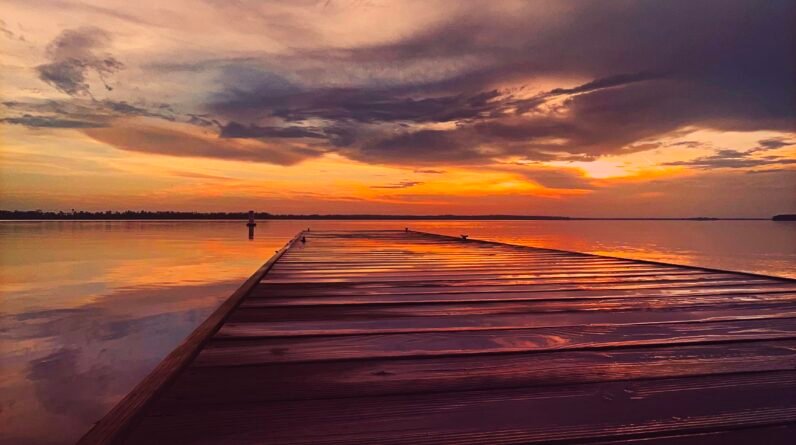
You see the town by water first: reflections that change with the light, magnolia branches drooping toward the surface, the occasional gull voice drawn out like punctuation. Walk toward Palm Island Park or the marina and you will feel how important the shoreline is to social life here. People read there; they meet for coffee; they drop crumbs into the air for squirrels that have learned decorum.
This is where history and art meet. The shoreline frames the town’s public events and, often, its most photogenic moments.
This image is property of images.pexels.com.
Mount Dora’s architecture: familiar faces with stories
You will notice architectural variety that hints at eras and economies. Victorian trim sits next to stucco facades with Mediterranean air. Historic homes keep their porches, as if waiting for gossip that never comes. The commercial district has preserved storefronts that make you think of early Main Streets, while signage tells you who owned the building fifty or a hundred years ago.
Notable structures you’ll recognize
Below is a compact guide to buildings and sites you might seek out. Each has a distinct personality and offers you a physical connection to the town’s past.
| Site | What you’ll notice | Why it matters |
|---|---|---|
| Lakeside Inn | A long porch, rocking chairs, and vintage charm | One of the town’s oldest continuously operating hotels, symbolic of Mount Dora’s hospitality |
| Mount Dora Historic District | Brick sidewalks, ornate facades, narrow streets | The area preserves town character and architectural mix |
| Historic homes and cottages | Large porches, gingerbread trim, mature shade trees | Reveal domestic life across decades |
If you pay attention, the details are where history becomes intimate: a carved newel post, a ghost sign, a brick pattern.
Have you ever wanted to step into a place that feels like an affectionate old photograph — warm, quiet, and full of small surprising details?
The art scene — familiar and surprising
You might expect a big city’s art scene to involve grand galleries and formal openings. Mount Dora’s art life is more domestic and therefore easier to enter. Art is made, shown, and sold in modest spaces — in former homes that have become galleries, in intimate performance venues, and in public spaces where murals and sculptures occur as casual generous gifts to the town.
The town’s art culture is collaborative. You’ll find artists who teach in community workshops, craftspeople whose tables in markets show decades of technique, and galleries that will let you stand and talk to the owner about what a piece might mean to you.
Galleries and studios — where you can meet the work
You should plan time for slow walking, because that is how you encounter the best galleries. Many are small, committed to a particular style or medium, and run by people who will tell you how a painting came to be while you sip coffee from a nearby café.
| Gallery / Studio Type | What you’ll find | How to approach |
|---|---|---|
| Fine art galleries | Oils, watercolors, contemporary work | Ask about the artist’s process; most owners are generous with stories |
| Craft and artisan shops | Handmade jewelry, ceramics, fiber art | These places are where you’ll see local techniques passed down |
| Artist studios | Work in progress, limited runs, private commissions | Book a visit if possible; many artists welcome visitors by appointment |
When you stop at a studio, notice the small tools and the smudges on a table — evidence of long attention.
You will notice murals and outdoor sculptures as part of ordinary transit. They are not monumental declarations but neighborhood companions. They animate alleys, brighten stairways, and often include local motifs: citrus, boats, or the lakes themselves. Public art is democratic here — it asks to be seen rather than curated into silence.
Festivals and events — how the town performs itself
If you are planning a visit, the festival schedule will shape your experience. Mount Dora hosts several well-known events, especially in the milder months when the weather is more cooperative for crowds and outdoor booths.
| Event | Season | What to expect |
|---|---|---|
| Mount Dora Arts Festival | Winter/early spring (often February) | Large outdoor art fair with national-level artists, food vendors, and music |
| Craft and antique fairs | Various weekends | A chance to see traditional crafts, vintage finds, and local makers |
| Small music and cultural events | Year-round | Intimate concerts, gallery openings, and book readings |
You should expect festivals to change the town’s rhythm: restaurants busier, parking more contested, and the streets presence more varied. Festivals are when Mount Dora shows both its civic pride and its capacity for conviviality.
Museums and collections — modest, meaningful
Mount Dora’s museums are not encyclopedic, and this is to its advantage. They are curated with specific local purposes: to celebrate flora and fauna, honor vehicles that convey eras, or hold fragments of municipal memory. Visiting them gives you a sense of how a small community interprets itself.
- Local history museum: Small exhibits that speak in personal terms about families, commerce, and daily life.
- Specialty museums: Often devoted to a specific theme, such as automobile culture or local crafts. These are charming because of their focused enthusiasm.
- Community galleries: Rotating exhibitions that foreground local artists and community narratives.
You’ll appreciate places where the docent knows the donors and can point to the sketchbook with the same familiarity as the framed painting.
Artists and your chance to meet them
The town is a living studio. You will meet painters who prefer classical techniques, potters who work the local clays, and younger artists experimenting with mixed media. Artists in Mount Dora are generally approachable; they are neighbors and friends of people who run the local cafés. If you ask respectfully, you can learn about materials, inspirations, and where a career in a small art town goes from year to year.
Artist profiles — what you might learn
- A painter who keeps to plein-air scenes that look like the town’s memory of itself.
- A potter who makes functional ware for the town’s many leisurely breakfasts.
- A mixed-media artist who uses found objects from the lakeshore.
You can often commission work, and many local pieces make thoughtful, personal souvenirs.

This image is property of images.pexels.com.
The Lakeside Inn and the feel of continuity
You are likely to pass the Lakeside Inn more than once. It functions as a living piece of civic memory: guests who come for anniversary weekends, children who insist on the fish-shaped cookies in the dining room, and the staff that knows regulars by name. The Inn embodies the kind of continuity Mount Dora values — a place that holds onto traditions while accommodating small changes.
Antiques, boutiques, and the habit of collection
There is a strong culture of collecting here. Shops sell items that feel curated both for utility and for the pleasure of looking. Antique stores are particularly rewarding if you have patience, because what you’ll find is rarely mass-produced and often accompanied by the owner’s well-told provenance story.
If you like to imagine an object’s previous life — who polished this brass or sewed that lining — you will appreciate the stories embedded in the merchandise.
Food, drink, and slow conviviality
You will notice that cafés and restaurants here favor small indulgences: a layered lemon cake, buttery biscuits, coffee brewed with more ritual than calculation. The culinary scene understands its role: to sustain you between gallery visits and to offer a place to sit and encounter the town’s pace. Many eateries are family-run or artist-owned, so the menu often reads like a local’s invitation.
Places to pause
- A café with outdoor seating where you can watch the pedestrian flow.
- A bistro with locally sourced ingredients and a willingness to recommend a wine.
- A bakery whose pastry chef will tell you how they learned their trade.
Meals in Mount Dora are both practical and social. You eat not only for sustenance but to belong to the moment.
What you can do on water
The lakes are not just scenery; they’re activities. Boating, fishing, and gentle kayaks are part of what makes Mount Dora a place people return to. If you like quiet observation, take a short boat tour or rent a canoe so you can see the town from a low and private vantage point. You will notice how the light changes not just by hour but by the way wind moves across the water.
Walking routes and what you’ll notice
Walking is the town’s best transport. There are routes that will take you through historic districts, past galleries, and along the waterfront. As you walk, pay attention to things that often go unmentioned: the particular pattern of brick on a sidewalk, the way a tree roots itself over a curb, the names stitched into a bench plaque.
| Route | Length | Highlights |
|---|---|---|
| Downtown loop | ~1–2 miles | Galleries, boutiques, cafes, historic facades |
| Lakeside promenade | Variable | Marina, parks, boat views |
| Historic residential stroll | ~1 mile | Victorian and bungalow architecture, shade trees |
Each route rewards a leisurely pace. You’ll come away with a mental map that includes not only places but the tone of those places.

This image is property of images.pexels.com.
Preservation and community efforts
You will notice civic pride in how Mount Dora treats its past. Historic preservation groups, municipal ordinances, and local volunteers work together to maintain the town’s character. This is not preservation for its own sake; it’s preservation that recognizes people live here, that buildings must be used as much as admired. The result is a town that feels lived-in rather than staged.
Practical tips for your visit
When you plan a visit, a few practicalities will make your experience smoother.
- Best season: Cooler months are the most comfortable and coincide with major festivals. Summer can be hot and humid.
- Parking: Downtown parking fills up during events; be prepared to walk a little or arrive early.
- Accessibility: Many galleries and shops are ground-level, but some historic buildings have steps. Call ahead if mobility is a concern.
- Interaction: If you want to visit a studio, making a prior appointment is courteous and often easier.
A little planning will give you more time to look and less time worrying about logistics.
Sample itineraries for different paces
Below are some itinerary options you can adapt to your interests and time.
| Itinerary | Duration | Highlights |
|---|---|---|
| One-day gentle visit | 6–8 hours | Morning waterfront walk, brunch, gallery hop, museum visit, early dinner |
| Weekend art-focused | 2 days | Saturday festival/gallery visits, Sunday artist studio tours, leisurely lakeside picnic |
| Slow three-day retreat | 3 days | Stay at a historic inn, take a boat tour, attend a workshop, visit multiple museums |
These itineraries leave you time to respond to the town, not just to cross off must-sees.
Workshops, classes, and ways you can participate
You can make your visit more participatory by attending workshops. Local arts organizations and galleries often offer classes in painting, ceramics, jewelry making, or printmaking. These are organized for varying skill levels and allow you to accomplish something small and memorable.
You will treasure the work you make here because it carries the town’s gentle influence — a morning light caught in a watercolor, a mug shaped by a patient potter.
Shopping for meaningful souvenirs
Look for objects that reflect the town’s sensibility: a limited-edition print from a local artist, a handmade ceramic bowl, a small painting that fits your wall and your way of remembering. The best souvenirs are those that you will use or hang in places that will remind you of the town’s atmosphere.
Seasonality — how the town changes
Mount Dora changes with the weather and the cultural calendar. In winter and early spring, you’ll find crowds and festivals. Summer brings a quieter, more local tempo, with humidity that asks you to slow down. Autumn has its own hush and is a good time for long walks. Accepting seasonality will make the town feel less like a museum and more like a community.
Stories you can overhear and the rhythms of local life
If you are patient, you will overhear small stories: a shopkeeper telling a customer how their father learned a trade, or an older local telling a newcomer where the best fishing spot used to be. These are the town’s micro-histories. Enjoy them as you would a personal letter — brief, precise, and appreciated.
Planning logistics: where to stay and how to get around
You will find accommodations that range from historic inns to modest boutique hotels and small bed-and-breakfasts. Staying downtown will let you walk to galleries, shops, and the waterfront. If you prefer more space, options on the quieter edges of town are calmly accessible by a short drive.
Getting around is easiest by car if you plan excursions outside the town center, but walking should be your primary mode when you want to feel the town’s texture.
Community resources and where to look for more information
You can consult local visitor centers, gallery websites, and community calendars for up-to-date listings of exhibits, hours, and events. Local newspapers or town bulletin boards often carry announcements about small pop-up shows and community gatherings.
If you want personal recommendations, ask a gallery owner or a barista — these people have a way of preferring the town’s quieter achievements and will tell you where to find them.
How Mount Dora fits into larger Florida narratives
If you are used to seeing Florida as beaches and theme parks, Mount Dora may feel pleasantly offbeat. It represents another Florida: one made of lakes, citrus groves, and a temperate rhythm shaped by seasons rather than tourist demands. The town is part of a network of small communities that sustain regional cultural life in ways that are often invisible from afar.
Some questions you might not have thought to ask
- What is the relationship between local artists and civic life? You’ll find them entangled: artists run galleries, organize festivals, and seat themselves on committees.
- How does the town balance tourism and local needs? It does so imperfectly but with a deliberate sense that preservation should enhance daily life.
- What is “authentic” here? Authenticity tends to be practical: objects that are useful, festivals that locals attend, and art that references the town without pretending to be a brand.
You will find that authenticity here is less theatrical and more domestic.
Treat spaces with respect: galleries are small and owners often rely on modest sales; historic homes have quirks that require gentle use; and public events often depend on volunteers. When you ask for photographs or want to speak with someone about a work of art, be polite and brief. The town thrives on goodwill.
Final notes — how this place changes you
You will not leave Mount Dora with a sense of high drama, but you may have the impression that you have been given permission to slow down. The town handles beauty and history without insisting on importance. Its art is modestly ambitious, its history generously told, and its people quietly engaged. When you return home, you might notice a small change: you look for small communities, for places that keep their stories in furniture and storefronts, and you are more inclined to listen to the ordinary anecdotes that, over time, become a town’s true archive.
If you love to walk slowly, to ask questions, and to keep an eye out for the particular rather than the spectacular, Mount Dora will answer you in ways that feel like conversation. Get more creative knowledge build books and resources for happy minds at: https://booksforminds.com/