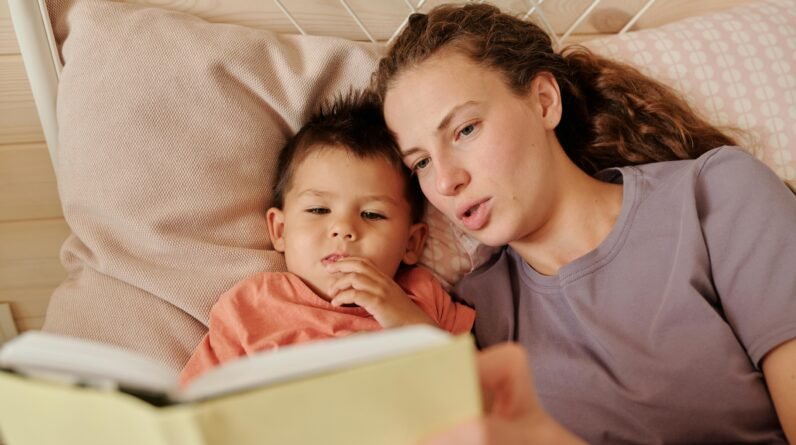
The Magic of Famous Bedtime Stories
The magic of famous bedtime stories. This article looks at how famous bedtime stories create comfort, teach lessons, and build bonds between reader and listener. It explains historical roots, psychological benefits, useful techniques, and how famous tales continue to shape childhoods across generations.
Why bedtime stories matter
Bedtime stories are not merely a way to pass time before sleep; they serve as emotional anchors that signal safety and predictability. They also create shared ritual and language that strengthen relationships between caregiver and child.
Historical origins of bedtime stories
Stories told before sleep have ancient roots, ranging from oral folktale traditions to ritualized mythic recitations meant to soothe and instruct. Over centuries these narratives migrated from hearth-side storytelling to printed collections and illustrated picture books.
From oral tradition to printed books
The transition from oral telling to written and illustrated books changed how stories were preserved and transmitted, making certain versions canonical while allowing regional variants to persist. Illustrations and printing technology broadened the audience and enabled bedtime stories to become a commercial and cultural phenomenon.
Psychological and developmental benefits
Emotional regulation and security
Hearing a predictable story at night can lower stress hormones and support emotional regulation by creating a calming routine. The repetition and familiar cadence of well-loved stories give listeners a sense of control and safety when the world feels uncertain.
Sleep associations and routines
A consistent bedtime narrative becomes a cue that helps the brain prepare for sleep, integrating storytelling into the body’s sleep-wake rhythms. Over time, the mere act of opening a favorite book can trigger physiological markers that help children fall asleep more easily.
Language acquisition and vocabulary growth
Bedtime reading exposes listeners to new vocabulary, syntax, and sentence rhythms, accelerating language development. The combination of spoken words, visual context, and repetition makes complex language accessible in a gentle, memorable way.
Cognitive development and imagination
Stories invite children to model different perspectives, predict outcomes, and visualize scenes, strengthening executive functions and creative thinking. Narrative play deriving from bedtime tales supports problem-solving and symbolic play during waking hours.
Empathy and moral reasoning
Famous bedtime stories often present characters facing dilemmas and emotional challenges, which gives listeners the opportunity to practice empathy and moral interpretation. Discussing characters’ choices quietly after a story helps internalize values like kindness, resilience, and fairness.

Famous bedtime stories and their enduring appeal
A handful of stories have become archetypal bedtime companions, repeating across cultures and generations. Their survival owes as much to compelling narrative structure as to memorable characters, rhythmic language, and universal themes.
Little Red Riding Hood
This folktale combines suspense with a clear moral lesson about caution and trust. Its patterned repetition and vivid imagery make it memorable while prompting discussion about safety.
Goldilocks and the Three Bears
The story teaches moderation and the consequences of boundary crossing through a simple, repeatable sequence of comparisons. Children enjoy the ritualistic “too big, too small, just right” structure, which supports early logical reasoning.
The Three Little Pigs
This tale contrasts preparation and foresight against laziness, using concrete metaphors that children can easily understand. The repeating structure of building and testing offers predictability and satisfaction at the resolution.
Cinderella
Cinderella is a classic transformation tale that combines hardship, hope, and reward, often framed around themes of kindness and justice. Its symbolic elements—shoes, identity change, and recognition—speak to deep emotional experiences of fairness and belonging.
This fairy tale centers on patience, fate, and the restorative power of sleep, making it especially relevant to nighttime rituals. Its lush imagery and dramatic arc sustain attention while reinforcing the sanctity of rest.
Peter Pan
Peter Pan balances whimsy with complex feelings about growing up, offering a narrative that both resists and explains maturation. It resonates with listeners who cherish imagination and fear inevitable change.
Where the Wild Things Are
This modern classic validates big emotions while showcasing a child’s ability to return to safety after emotional adventure. Its spare text and evocative illustrations create a powerful, intimate bedtime experience.
Goodnight Moon
This gentle, repetitive book is almost designed to be read aloud at bedtime, with its measured cadence and comforting farewell to familiar objects. Its ritualistic arc and soothing tone make it a favorite for establishing sleepy calm.
The Very Hungry Caterpillar
With cumulative structure and clear visual cues, this story teaches sequence, counting, and transformation in a bright, tactile way. Its metamorphosis theme can soothe anxieties by showing natural cycles of change.
The Tale of Peter Rabbit
Beatrix Potter’s tale pairs mischievous adventure with a return to parental comfort, balancing curiosity and consequence. Its pastoral setting and gentle humor offer restful, reassuring storytelling for the end of day.
This story addresses the emotional life of toys and the nature of love and becoming real, which resonates with themes of attachment and emotional validation. Its bittersweet tone can be both comforting and thought-provoking at bedtime.
The Little Prince
The Little Prince unfolds as a poetic allegory about relationships, responsibility, and seeing with the heart—ideal for older children at bedtime. Its philosophical depth invites quiet reflection and shared conversation after the lights are dimmed.
Alice’s Adventures in Wonderland
Alice’s surreal adventures stimulate imagination while subtly addressing identity and curiosity. It can be read in fragments at bedtime to spark wonder without overstimulating the mind before sleep.
Age-appropriate recommendations
Stories work best when they align with developmental stages. The following table pairs common age ranges with recommended story types and goals to help caregivers choose material that supports growth.
Age range | Story types | Primary goals |
|---|---|---|
0–12 months | Lullabies, simple board books, rhythmic texts | Soothing, sensory bonding, introducing sounds |
1–3 years | Picture books with repetition, simple narratives | Vocabulary growth, routine building, object permanence |
3–5 years | Fairy tales, short picture stories, cumulative tales | Imaginary play, basic morals, sequencing |
5–8 years | Chapter beginnings, longer picture books, folktales | Complex language, problem-solving, moral nuance |
8–12 years | Short novels, myths, allegories | Abstract thinking, empathy, identity exploration |
Teens (13+) | Classic novels, reflective prose, short stories | Deeper themes, autonomy, ethical reflection |

This image is property of images.unsplash.com.
Themes and moral lessons in famous stories
Famous bedtime tales often revisit a small set of universal themes that resonate across cultures, such as bravery, kindness, transformation, and the importance of home. These themes help children form internal moral maps in a way that feels accessible and non-prescriptive.
Common themes and lesson examples
Recognizing common thematic threads helps caregivers select stories that map onto specific teaching moments or emotional needs. A quick table below connects themes to sample stories and conversation prompts.
Theme | Example stories | Conversation prompts |
|---|---|---|
Courage | The Three Little Pigs, Peter Pan | “When did the character feel brave?” |
Kindness | Cinderella, The Velveteen Rabbit | “How did kindness change the story?” |
Growth/Change | The Very Hungry Caterpillar, The Little Prince | “What changed for the character, and why?” |
Home/Belonging | Goodnight Moon, The Tale of Peter Rabbit | “What makes home special to the character?” |
Consequences | Little Red Riding Hood, Goldilocks | “What happened because of that choice?” |
How to read bedtime stories effectively
Voice, pace, and tone
A varied but controlled reading voice holds attention and conveys mood without startling the listener. Slower pacing for calm sections and gentle emphasis on rhythmic lines help the brain register the transition to bedtime.
Use of gestures and expressions
Subtle gestures and facial expressions add emotional texture and help younger listeners decode intent and feeling. These nonverbal cues also make storytelling interactive without requiring a lot of extra words.
Repetition and predictability
Repetition supports memory and creates comfort by making listening an active process of recognition and prediction. Predictable refrains let listeners anticipate and participate, which is both empowering and soothing.
Asking open-ended questions
Asking gentle, open-ended questions after a story invites reflection and strengthens language skills while preserving a relaxed bedtime atmosphere. Questions such as “How might they have felt?” or “What part did they like best?” encourage emotional naming and cognitive processing.
Use of props and tactile interaction
A well-chosen prop—a stuffed animal, a soft blanket, or a simple puppet—can extend the story into sensory experience and strengthen the bedtime ritual. Tactile interaction grounds the listener in the present moment and can be especially helpful for tactile learners.

Modern adaptations and technology
Audiobooks and narrated apps
High-quality audiobooks and narrated apps offer polished voices and soundscapes that can function as consistent bedtime companions. They are useful when caregivers are away or when a soothing voice with gentle pacing helps with sleep onset.
Benefits and limitations of screens
Interactive screens can present richly illustrated stories, but bright light and stimulating animation may interfere with melatonin production and sleep preparation. Caregivers should aim for low-light, passive listening modes, and select formats that minimize blue-light exposure close to bedtime.
Interactive storytelling platforms
Some modern apps offer interactive features that let listeners choose story paths or play with characters, which can enhance engagement. However, interactive complexity may be counterproductive for sleep if it prompts active decision-making or excitement.
Crafting original bedtime stories
Creating a custom bedtime story gives caregivers the chance to tailor content to a child’s current feelings, fears, or developmental tasks. Custom stories can quickly become meaningful rituals that reflect the child’s world and language.
Simple structure for a bedtime tale
A reliable structure for bedtime storytelling includes a gentle opening, a small problem or adventure, a comforting resolution, and a closing that reaffirms safety. Keeping plots simple and emotionally contained makes it easier for the listener to follow and rest after the narrative.
Character and setting choices
Choosing a character that the listener can relate to—an animal, a small child, or an inanimate object—helps personalize the story without creating complex psychological stakes. Setting the action in a familiar, non-threatening environment supports restful closure.
Reusing motifs and repeating lines
Introducing a repeated motif or refrain across nights strengthens memory and attachment, turning each story into part of an ongoing series. Repeatable lines give the child a chance to anticipate and participate actively in storytelling.
Short example bedtime story
A short, original bedtime tale demonstrates how to combine structure, repetition, and calming imagery.
The tiny lantern loved to glow, he thought his light made long shadows dance and told stories to the quiet house. One evening the lantern felt a breeze of worry because a little mouse could not find his way home, so the lantern glowed a slower, warmer light and showed the mouse the path past the sleeping garden. They walked past tall grass that whispered goodnight, past the pond that mirrored the moon, and soon the mouse found his cozy nest. The lantern dimmed to a soft hush and snuggled close, knowing the house was safe.
This short story uses a gentle problem and a swift, reassuring resolution, ending with imagery that encourages sleep.
Storytelling across cultures
Bedtime stories vary widely across cultures but often perform the same functions: comfort, pedagogy, and cultural transmission. Folktales introduce cultural values, local animals, and landscape while offering universal human themes that resonate universally.
Preserving cultural heritage
Passing down regional tales keeps language, customs, and family history alive in the most intimate setting of the household. Retelling traditional stories in one’s native language strengthens identity and contributes to multi-generational continuity.
Adapting for multicultural households
Multicultural families often combine stories from multiple traditions to reflect hybrid identities and shared values. This practice gives children a richer sense of belonging and fosters respect for diversity.
Bedtime stories by developmental stage
Infants (0–12 months)
At this stage, short, rhythmic books and voice-focused reading are most effective, as infants respond to cadence and facial expression. Board books with high-contrast images and simple patterns help focus visual attention while a caregiver’s voice provides emotional regulation.
Toddlers (1–3 years)
Toddlers enjoy repetition, predictable patterns, and interactive elements like lift-the-flap books that link action to reward. Short narratives that center on daily routines help toddlers process their emerging world and reinforce language through repeated phrases.
Preschoolers (3–5 years)
Preschoolers begin to follow longer narratives and enjoy imaginative play prompted by stories, which supports symbolic thinking. This age benefits from tales that blend whimsical elements with clear moral choices and cause-and-effect sequences.
Early school age (5–8 years)
Children in early school age can manage chapter books and folktales with more complex plots and multiple characters. Stories that encourage problem-solving, perspective-taking, and humor support expanding cognitive and social skills.
Older children and teens (8–18 years)
Older listeners appreciate layered narratives that include richer language, moral ambiguity, and introspective themes. Bedtime reading for this group can include short novels and thematic collections that provoke discussion and personal reflection.
Research highlights and evidence
Numerous studies show that reading aloud to children correlates with language development, increased attention, and better reading comprehension later in life. Research also suggests that consistent bedtime routines, including storytime, predict better sleep quality and emotional regulation in children.
The role of repetition and rhythm
Scientific work on infant-directed speech—often called “parentese”—indicates that exaggerated intonation and rhythm enhance phonetic learning. Many classic bedtime stories naturally incorporate these features, which supports early sound discrimination and vocabulary growth.
Troubleshooting common challenges
Resistance to bedtime stories
When listeners resist stories, caregivers can shorten sessions, choose highly predictable books, or allow a quiet, shared moment with a familiar object. Offering choices among two or three books gives a sense of agency while preserving the bedtime structure.
Nightmares and scary content
If a story provokes fear or seems to fuel anxious dreams, switching to gentler, more grounding narratives and increasing reassuring ritual at the end—soft touch, a calm comment—helps reset the bedtime association. Rewriting scary details into safe alternatives can preserve narrative interest without distress.
Sibling dynamics and fairness
Reading the same story to different-aged siblings can be challenging; alternating nights or choosing layered texts that appeal across ages helps manage fairness. Older children might enjoy responsibility in helping read or telling part of the story, which fosters inclusion.
Practical tips for long-term storytelling success
Consistency over length
A short, predictable nightly habit is often more effective than lengthy occasional read-aloud marathons. The regularity of a brief ritual builds secure attachment and a stronger sleep association.
Rotate new and familiar titles
Keeping a rotation of evergreen favorites and new discoveries sustains interest while preserving comfort. Favorites function as emotional anchors; new books stimulate curiosity and language growth.
Encourage participation and ownership
Inviting the listener to finish lines, make sound effects, or predict outcomes cultivates interactive engagement and improves narrative comprehension. Ownership also fosters a love of stories that is likely to continue into independent reading.
Recommended reading list by mood
Selecting stories according to emotional goals helps tailor bedtime reading to what the listener needs. The following quick list pairs mood with recommended titles.
For calm and reassurance: Goodnight Moon, The Velveteen Rabbit
For imaginative play: Where the Wild Things Are, Alice’s Adventures in Wonderland (excerpted)
For learning and routine: The Very Hungry Caterpillar, The Tale of Peter Rabbit
For moral and social lessons: The Three Little Pigs, Little Red Riding Hood
For gentle reflection: The Little Prince, selected short poems
Final thoughts
Famous bedtime stories carry a unique combination of rhythm, moral clarity, and imaginative breadth that makes them powerful tools for growth, comfort, and connection. Whether retelling an ancient folktale, reading a modern classic, or crafting a brief original tale, caregivers and listeners alike participate in a ritual that enriches language, emotion, and sleep.
What gives a simple bedtime story the ability to calm a racing heart, spark imagination, and become a lifelong companion?
Encouragement for practice
Storytelling grows stronger with repetition and gentle experimentation, so caregivers are encouraged to try different voices, books, and small traditions until they find rhythms that fit their household. Over time, those nightly stories accumulate into a treasured archive of memory and identity that children carry into adulthood.