Wildlife of Big Cypress National Preserve
Wildlife of Big Cypress National Preserve. You find Big Cypress National Preserve on the southern edge of Florida’s subtropical marshes, a place where freshwater meets the Everglades and where ecosystems breathe slowly and deeply. The preserve is a mosaic of swamps, prairies, hammocks, and wet flatwoods that supports a remarkable array of wildlife adapted to seasonal water, fire, and Florida sunshine.
A sense of place: location and landscape
You drive into Collier County and the landscape unfolds into broad, low-lying swamps crowned by towering cypress trees, interspersed with sawgrass prairies and pine islands. Located just west and north of Everglades National Park, Big Cypress covers nearly 729,000 acres and acts as an ecological buffer and essential water storage for South Florida.
The hydrology that shapes life
Water is the language of Big Cypress: sheet flow in wet seasons moves slowly across the landscape, while dry seasons concentrate water into sloughs and deeper pools. This seasonal rhythm dictates where animals feed, nest, and travel, and it also determines the prevalence of plants like cypress, sawgrass, and wetland orchids.
Have you ever wondered what it would feel like to stand where water and forest keep an ancient conversation going, hearing frogs answer birds and sensing that every log and cypress knee has a story to tell?

This image is property of images.unsplash.com.
Climate and seasons you should know
The preserve has a subtropical climate with a wet season roughly from May to October and a dry season from November to April. You’ll notice that wildlife becomes more concentrated around water in the dry months, which makes wildlife watching easier and more rewarding during that time.
Habitats of Big Cypress: an overview
The preserve contains several distinct habitat types, each with its own set of resident species and subtle textures you might not expect. Learning to recognize these habitats will help you know where to look for particular animals.
Cypress swamps
Cypress swamps form the backbone of the preserve, with bald cypress and pond cypress dominating the hydric soils. You may notice “knees”—the woody protrusions around trees—which are characteristic features, although their exact function remains a subject of study and speculation.
Sawgrass prairies and wet prairies
These open expanses of sawgrass and sedges flood seasonally and support wading birds and many amphibians. You’ll see how prairies act as feeding grounds during high water and as open hunting spaces when water retreats.
Pine flatwoods and hardwood hammocks
Elevated islands of pine flatwoods and hardwood hammocks punctuate the otherwise wet landscape and provide nesting sites and refuge for terrestrial species. You’ll find that these drier patches harbor different plant and animal assemblages than the surrounding swamp.
Cypress domes and sloughs
Cypress domes are small, dense stands of taller cypress at the center and shorter trees at the edges, creating dome-like shapes. Sloughs are the slow-moving channels that act as rivers of the swamp, and you’ll often find the highest concentrations of wildlife along them.
Characteristic plants you will notice
Vegetation in Big Cypress is both functional and evocative: cypress, sawgrass, pinelands, and numerous aquatic plants create a habitat matrix that supports many food webs. You’ll see orchids, bromeliads, and ferns in hammocks, while submerged plants and algae form the base of aquatic systems.
Keystone and indicator plants
Bald cypress is perhaps the most iconic tree, while sawgrass acts as an indicator of prairie conditions and water depth. These plants help you read the landscape, because their presence signals particular hydrologic and soil conditions.
Iconic wildlife species to look for
If you want a checklist to start with, several species stand out as emblematic of the preserve. They each tell part of the story of how life adapts to water, fire, and human proximity.
Florida panther (Puma concolor coryi)
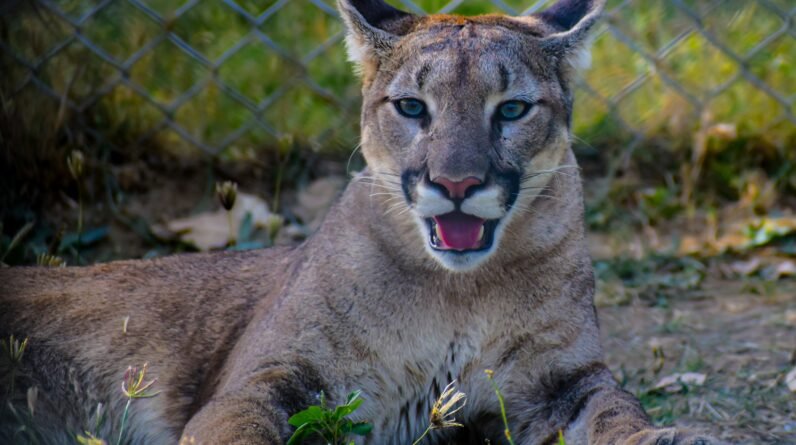
The Florida panther is the most famous and fragile resident. You probably won’t see one—panthers are extremely cryptic and rare—but you will learn the subtle signs they leave: tracks, scrapes, and occasional camera-trap images. Their presence is a reminder that Big Cypress is critical habitat for large carnivores struggling to survive in fragmented landscapes.
American alligator (Alligator mississippiensis)
Alligators are often the first animal people imagine in Florida wetlands, and you’ll spot them basking on banks, cruising canals, or lurking beneath vegetation. They are ecosystem engineers whose nesting and movement patterns create habitat heterogeneity used by other species.
Wading birds
Herons, egrets, wood storks, and ibises are conspicuous and numerous when conditions are right. You’ll find them concentrated in shallow feeding areas during the dry season, where fish and amphibians are easier to catch.
Black bear (Ursus americanus floridanus)
Florida black bears use the preserve as core habitat and travel corridors, especially in search of seasonal foods like palmetto berries and pawpaws. You might glimpse one at dawn or dusk near hammocks and pinelands.
River otter and other aquatic mammals
North American river otters are playful, agile swimmers that use waterways for food and movement, and you might find them in sloughs or deeper pools. You’ll also encounter marsh rabbits, raccoons, and sometimes bobcats on land.
Birds in detail: what you’ll see and where
Birds are perhaps the easiest wildlife to observe, and they reveal seasonal patterns and water dynamics like no other group. You’ll want binoculars and patience, and you’ll learn to interpret the sky and waterline for signs of activity.
Herons (great blue, little blue), egrets (great, snowy), glossy ibis, and wood storks concentrate in foraging flocks when fish are easy to catch. Look along the edges of prairies and sloughs in the dry season for dramatic feeding congregations.
Raptors and owls
Red-shouldered hawks and osprey hunt across prairies and waterways, while barred owls and great horned owls nest in tree cavities and hammocks. You’ll detect owls by their calls during the quiet hours of night and dawn.
Songbirds and migratory species
Warblers, vireos, and flycatchers pass through or winter in the preserve; you’ll enjoy the spring and fall migrations when the preserve becomes a thoroughfare for neotropical migrants. Hammocks provide important stopover habitat and food resources during their journeys.
Mammals: shy, secretive, and sometimes surprising
Mammals in Big Cypress vary from the aquatic to the arboreal and from small rodents to large carnivores. You’ll notice that many species are most active at dawn and dusk, which shapes when you should be out looking.
Small and medium-sized mammals
Raccoons, marsh rabbits, opossums, and armadillos are common and often seen near roads or trails. You’ll recognize their signs—tracks, scat, and feeding signs—if they remain elusive by sight.
Large mammals and carnivores
Besides panthers and black bears, coyotes and bobcats inhabit the preserve, each adapting differently to the mosaic of habitats. You may find that hearing is more reliable than sight; listen for movements and vocalizations that hint at their presence.
Reptiles and amphibians: the wetland orchestra
Big Cypress harbors diverse reptiles and amphibians, which you’ll notice especially after rains or warm nights. Frogs call in chorus, turtles sun on logs, and snakes patrol the marsh edges.
Snakes and turtles
You might encounter species such as the eastern indigo snake, water moccasin, and various nonvenomous watersnakes. Turtles—like the Florida softshell and river cooter—are common in open water and basking sites.
Frogs and salamanders
Southern leopard frogs, pig frogs, and several tree frog species broadcast the seasons with their calls. You’ll find amphibian diversity highest along quiet ponds and in wet prairies.

This image is property of images.unsplash.com.
Invertebrates and the small things you’ll notice
Dragonflies, damselflies, butterflies, and a host of aquatic insects are both beautiful and ecologically vital. You’ll appreciate how these small creatures support fish, birds, and amphibians and how their life cycles are tied to water levels and plant communities.
Species status and conservation: a table you can use
You’ll want a quick reference for status and where to find these species. The table below summarizes several emblematic species you may encounter, their typical habitat, best season to see them, and their conservation status.
| Species | Group | Typical habitat in Big Cypress | Best time to see | Conservation status (general) |
|---|---|---|---|---|
| Florida panther | Mammal | Hardwood hammocks, pinelands, transitional areas | Dawn/Dusk year-round (rare) | Endangered |
| American alligator | Reptile | Sloughs, cypress swamps, canals | Year-round, visible in dry season | Least Concern (locally abundant) |
| Wood stork | Bird | Shallow foraging pools, prairies | Dry season breeding and foraging | Threatened |
| Black bear | Mammal | Hammocks, pinelands, cypress edges | Year-round; more visible in spring/fall | Special concern/Stable to increasing regionally |
| River otter | Mammal | Sloughs, deeper pools | Year-round, active during day | Least Concern (locally common) |
| Eastern indigo snake | Reptile | Pine flatwoods, sandhills, edges | Year-round (more active in warm months) | Threatened |
| Roseate spoonbill | Bird | Shallow wetlands | Dry season foraging | Least Concern (locally variable) |
| Snail kite | Bird | Freshwater marshes | Breeding season; linked to snail abundance | Threatened (regionally) |
When to visit: timing for the best wildlife experiences
Your chances of seeing different animals depend heavily on season and time of day. The dry season concentrates many species around remaining water, and dawn and dusk are often the most active periods.
Dry season advantages
From November through April, lower water levels concentrate fish and invertebrates into shallower pools that attract wading birds and predators. You’ll find that wildlife viewing is generally easier and more productive during this period.
Wet season advantages
During the wet season, the preserve swells with water and breeding activity increases for many amphibians and wading birds. You’ll appreciate the lushness of the landscape and the abundance of flowers and insects, but you’ll also need to plan for limited access to some roads and trails.
Where to look: hotspots and routes
There are several areas and roadside pullouts where wildlife viewing is often productive. You’ll want to use a map, and you may appreciate quiet patience rather than scheduled expectations.
Turner River Road and Loop Road
These roads cross large expanses of prairie and provide multiple pullouts where you can scan for alligators, wading birds, and raptors. You’ll find that early morning along these corridors can be especially rewarding.
Tamiami Trail (U.S. 41) edges and sloughs
Where the Tamiami Trail bridges sloughs, you can often observe water flow and concentrated wildlife. You’ll need to be careful with traffic and respectful of private inholdings, but these spots often provide good views without long hikes.
Cypress domes and hammock edges
Hammocks and dome edges attract terrestrial mammals and songbirds that use dry ground for nesting and foraging. You’ll want to hike quietly along prescribed trails early in the morning.

This image is property of images.unsplash.com.
Responsible wildlife viewing: how to be respectful
When you’re observing animals, your presence affects their behavior. You have a responsibility to wildlife and to other visitors to act with restraint and care.
Keep your distance and minimize disturbance
Use binoculars and zoom lenses to get close impressions rather than approaching animals. You’ll maintain the natural behaviors of wildlife and reduce stress when you stay off nests and avoid sudden movements.
Leave no trace and respect access rules
Stick to managed trails and roads, pack out your trash, and follow guidelines about vehicle use on unpaved roads. You’ll help preserve the preserve’s integrity by minimizing your footprint.
Stay safe around alligators and other wildlife
Never feed wildlife, and keep pets leashed and at a safe distance. You’ll protect both yourself and animals by following basic safety measures, such as staying out of shallow water at dusk and dawn when alligators are most active.
Photography and observation tips
You’ll likely want to take pictures or make notes, and a few practical tips will improve both your experience and the welfare of the animals.
Gear and technical tips
Bring binoculars, a telephoto lens if you want photos, polarized sunglasses for glare reduction, and a field guide or app for identification. You’ll appreciate a tripod for bird photography and layered clothing for varying temperatures.
Ethical photography
Move slowly, avoid getting between a parent and its young, and don’t use playback to attract birds—you’ll minimize stress by allowing wildlife to behave naturally. You’ll get better photos if the animals are relaxed and undisturbed.
Safety and personal preparedness
Big Cypress can be both beautiful and demanding; you should plan for heat, sun, mosquitoes, and occasional heavy rains. You’ll enjoy being safe if you prepare ahead.
Basic safety checklist
Carry water, sun protection, insect repellent, a map or GPS, and a charged phone. You’ll also appreciate having a small first-aid kit and telling someone where you’re going because cell service can be patchy.
Vehicle and road cautions
Many roads inside the preserve are unpaved and can become impassable after heavy rains; a high-clearance vehicle is often recommended. You’ll avoid getting stranded by checking road conditions and travel advisories before heading out.
Conservation threats and efforts you should understand
Big Cypress faces threats from habitat fragmentation, water management decisions upstream, invasive species, and human disturbance. You’ll find that the preservation of this landscape requires careful coordination of policy, restoration, and public behavior.
Water management and hydrologic alterations
Changes to water flow—drains, canals, and levees—influence the timing and extent of wetting and drying, affecting breeding cycles and food availability. You’ll realize that hydrology is the principal conservation issue, because many species are finely tuned to particular water regimes.
Invasive species and wildfire management
Plants like Brazilian pepper and animals like feral hogs alter habitats and compete with native species, while prescribed fire is used to maintain pine flatwoods and prairie ecosystems. You’ll find that thoughtful management, including controlled burns, is essential to maintaining the diversity you came to see.
Research, monitoring, and how you can help
Scientists, park staff, and volunteers conduct long-term monitoring of panthers, bird populations, hydrology, and vegetation. You’ll be encouraged to learn that citizen science projects and volunteer opportunities exist if you want to contribute.
Volunteering and citizen science
Programs for bird counts, roadkill surveys, and habitat restoration allow you to contribute data and labor to conservation goals. You’ll benefit from participating by gaining deeper knowledge and making a tangible contribution.
Supporting conservation through visitation
Your fees, donations, and patronage of local services help fund management and educational programs. You’ll have a direct hand in conserving the preserve by supporting organizations that work there.
Visitor facilities and practical information
You’ll find limited but useful visitor services: ranger stations, interpretive panels, and selected campgrounds. Facilities are modest by design, and your expectations should reflect the preserve’s emphasis on natural conditions.
Visitor centers and ranger programs
The Big Cypress National Preserve Visitor Center offers maps, exhibits, and seasonal programming that will orient you to the landscape and wildlife. You’ll find rangers helpful, and attending talks or guided tours can enhance your understanding.
Camping and permitted activities
Backcountry and frontcountry camping is available with permits; check regulations for fire use and campsite locations. You’ll need to follow rules about campfires and food storage to minimize wildlife conflicts.
Practical gear checklist for your trip
A small table to summarize what you should bring will make packing easier and your visit more comfortable.
| Item | Purpose |
|---|---|
| Binoculars (8–10x) | Observe birds and mammals at a distance |
| Telephoto lens (200–400mm) | Photograph wildlife without intruding |
| Water and snacks | Stay hydrated and energized in remote areas |
| Sun protection (hat, sunscreen) | Protect against strong Florida sun |
| Insect repellent | Control mosquitoes and biting flies |
| Maps/GPS and charged phone | Navigation and emergency contact |
| First-aid kit | Handle minor injuries or bites |
| High-clearance or 4WD vehicle | Navigate unpaved roads (seasonally necessary) |
| Field guide or ID app | Identify species on the spot |
| Layered clothing | Adjust to temperature changes and wet conditions |
How to get there and general logistics
You’ll likely arrive by car via the Tamiami Trail (U.S. 41) or by smaller state roads, depending on where you’re staying. The nearest larger town services are in Naples and Everglades City, which make convenient bases for visiting the preserve.
Travel times and directions
From Naples it’s roughly an hour’s drive; from Miami it’s about two hours depending on traffic. You’ll plan better if you check current road conditions and allow extra time for slow driving and wildlife stops.
Further reading and resources
You’ll deepen your understanding and appreciation by reading field guides, scientific articles, and ranger publications focused on Florida wetlands and conservation. Engage with local conservation organizations and the National Park Service for the most current information.
Final thoughts: what you take away
Visiting Big Cypress National Preserve changes the way you think about water, patience, and the quiet persistence of wild places. You may not check every box on a species list, but what you will gain is a sense of how resilient life is when given space and time to follow its rhythms.
You’ll leave with images imprinted in memory—soft reflections on still water, a chorus of frogs at dusk, the cautious silhouette of a heron—and with a clearer sense of why protecting such places matters. Your presence, small and careful, becomes part of an ongoing story of stewardship in a landscape that keeps telling its own ancient tale. Get more creative knowledge build books and resources for happy minds at: https://booksforminds.com/