Wildlife Wonders of Paynes Prairie Preserve State Park
Wildlife Wonders of Paynes Prairie Preserve State Park. You might come looking for birds, or alligators, or the odd elegance of wild horses pacing the horizon. What you find is often a mixture of species, weather, and a kind of quiet that keeps stepping around you like a careful neighbor. Paynes Prairie Preserve State Park is a place where Florida’s natural history is readable in broad strokes: the open prairie, the remnant wetlands, the scattered hammocks of live oak and cabbage palm. You will notice how the landscape shapes human stories and how human stories have shaped it back.
Wildlife Wonders of Paynes Prairie Preserve State Park
This image is property of images.pexels.com.
Have you ever stood where a wind-smoothed grassland meets a ribbon of oak hammock and felt time slow because something very old and very ordinary was happening out in the tall grass?
Quick Facts
You benefit from a short snapshot before you plan anything. The table below gives immediate, practical details you can use at a glance.
| Item | Detail |
|---|---|
| Location | Near Micanopy and Gainesville, North Central Florida |
| Size | ~21,000 acres (approx. 85 sq km) |
| Managing Agency | Florida State Parks |
| Hours | Generally sunrise to sunset (check current park hours) |
| Entrance Fees | Varies (standard state park fees; discounts for Florida residents/seniors) |
| Popular Access Points | La Chua Trail, Morningside Track, the visitor center at Payne’s Prairie State Park/La Chua |
| Habitats | Open prairie, marshes, shallow sinkholes, oak hammocks, scrub, cypress strands |
A Brief Human and Natural History
You can think of Paynes Prairie as a layered storybook: indigenous presence and travel routes, Spanish and later European settlement, cattle ranching, attempts to drain and farm, then restoration and preservation. Each layer has left artifacts, place names, and altered hydrology. The preservation effort in the 20th century returned water where it belonged and allowed flora and fauna to recolonize patterns they had known for millennia.
The prairie is also geologically young and dynamic—sinkholes open, water levels shift, and the apparent sameness of grassland is often masking constant, slow change. You will find that the human commitment to preserve the space has made a living laboratory for both wildlife and people interested in conservation.
How to Get There and Practicalities
You will reach the park easily from Gainesville—about 10–15 miles south—by car. Use US-441 or CR 234 depending on your starting point. Parking is available near the visitor center and at trailheads, though the lots can fill on weekends or during migration peaks.
Check for seasonal closures or special event days. You will want to bring cash or a card for parking and entry fees when required, but also download official park maps or save a screenshot in case cell service is spotty.
Habitats and How They Shape Wildlife
The prairie’s character comes from its patchwork of habitats. Each one supports a different cast of animals and plants, and you will notice how species move between them like neighbors moving between yards.
The Open Prairie
This is the broad, wind-exposed grassland that gives the park its name. It’s a place where you can see the curvature of the earth and large animals move in silhouette. Water levels fluctuate, so you will sometimes see vast mudflats and at other times shallow water attracting waders.
Freshwater Marshes and Wetlands
These areas are essential for wading birds, amphibians, and fish. You will find cattails and sawgrass, and in wetter seasons, an astonishing density of life: herons, egrets, storks, and rail species.
Oak Hammocks and Islands of Trees
These are the shady, dappled places—home to many songbirds, reptiles, and mammals that prefer cover. You will notice the humidity drops a few degrees beneath the oaks and your hearing changes: insects and birdcalls gain clarity.
Cypress Strands and Sinkholes
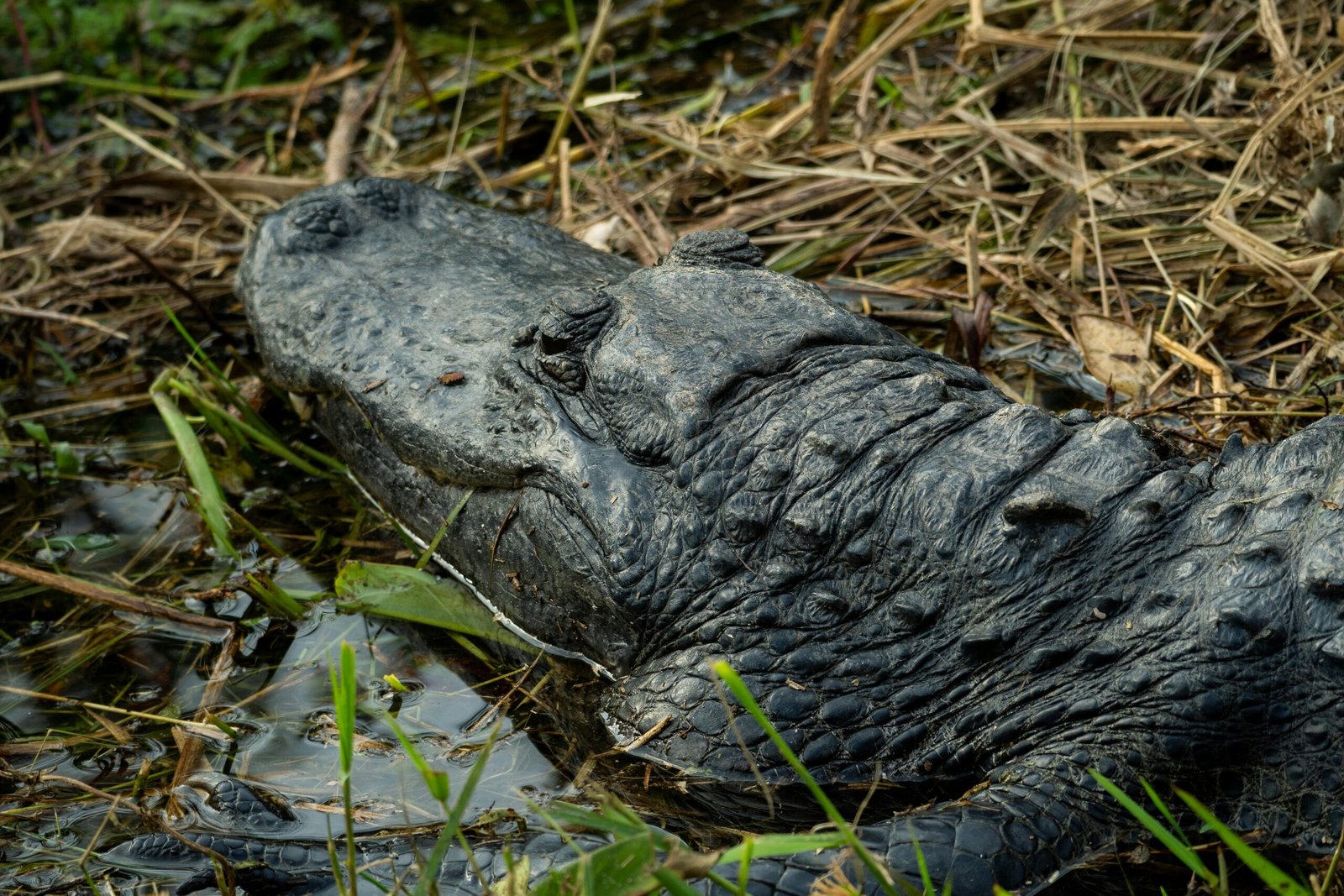
Cypress domes and sinkhole ponds are like small islands of deep water. You will notice alligators lounging near their edges and turtles basking on exposed roots.
Scrub and Sandhills
Higher, drier patches support scrub species and specialized plants. You will observe different textures underfoot and different birds—often species more associated with Florida’s upland communities.
Signature and Notable Wildlife
The species list is long, but some animals give Paynes Prairie a particular personality. When you notice these, you will feel the place’s distinctiveness more sharply.
Wild Horses and Florida Cracker Cattle
You will often see small bands of semi-feral horses (the Cracker horses) moving across the prairie. They are a living link to the state’s ranching past. Although not indigenous, they have become emblematic of the landscape, and you will notice how their presence affects grass patterns and other animals.
Bison
You may catch sight of the small herd of bison that roam parts of the preserve. They are managed and fenced in certain areas to help restore a historical component of the prairie ecosystem. When you see a bison, you get an immediate sense of scale: large, slow, and quietly authoritative.
Alligators
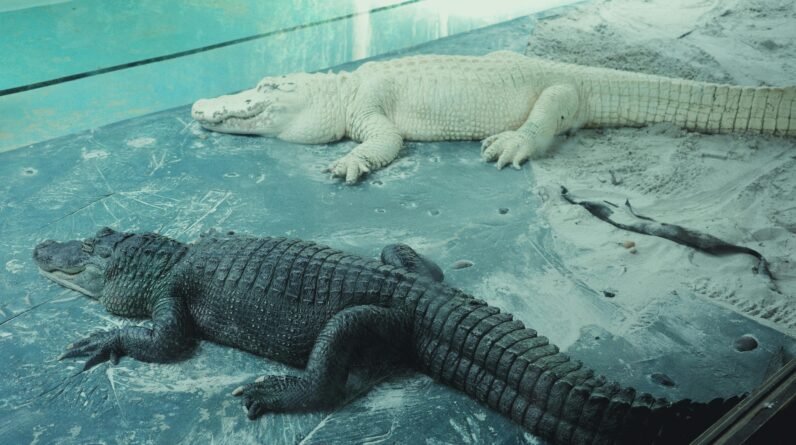
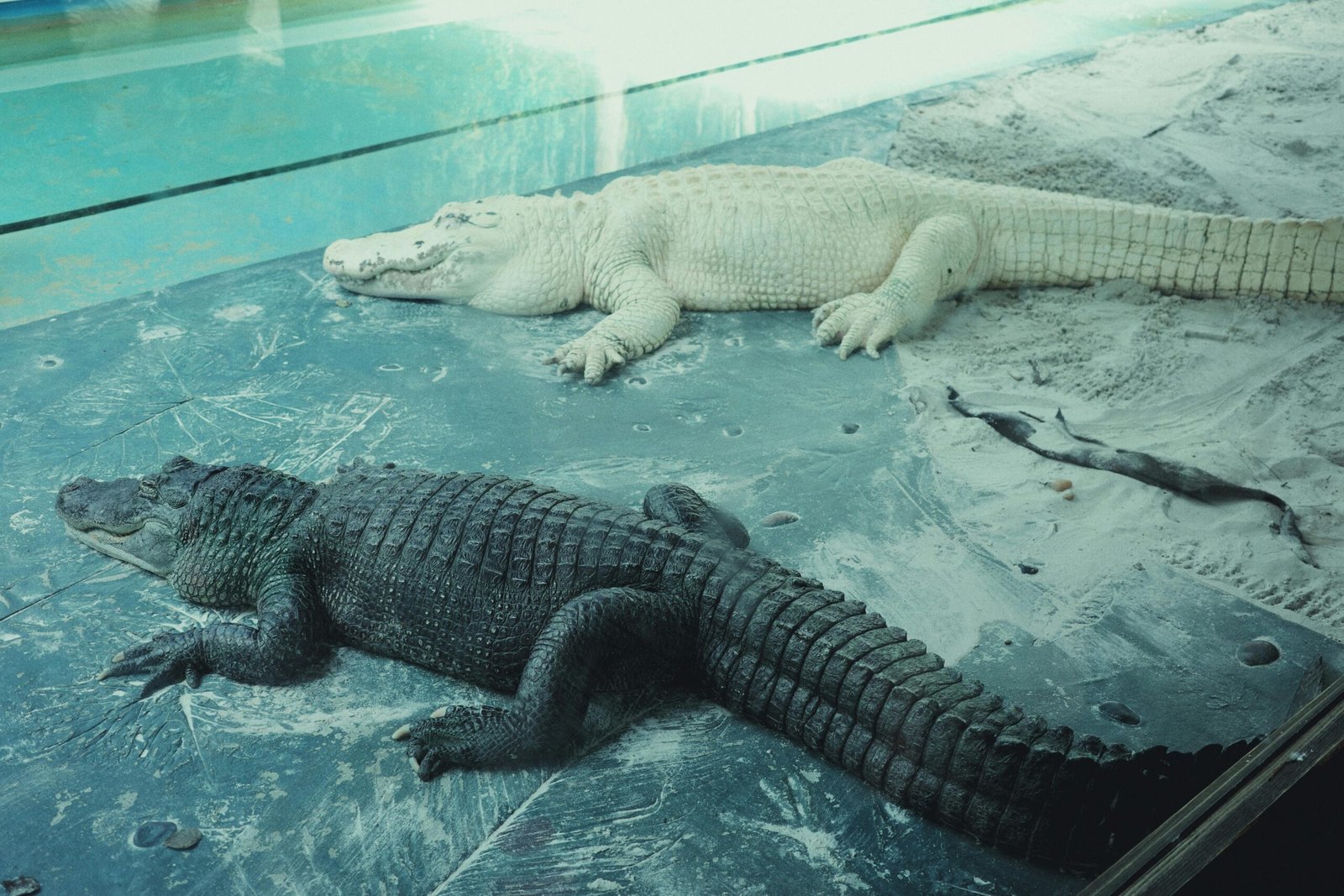
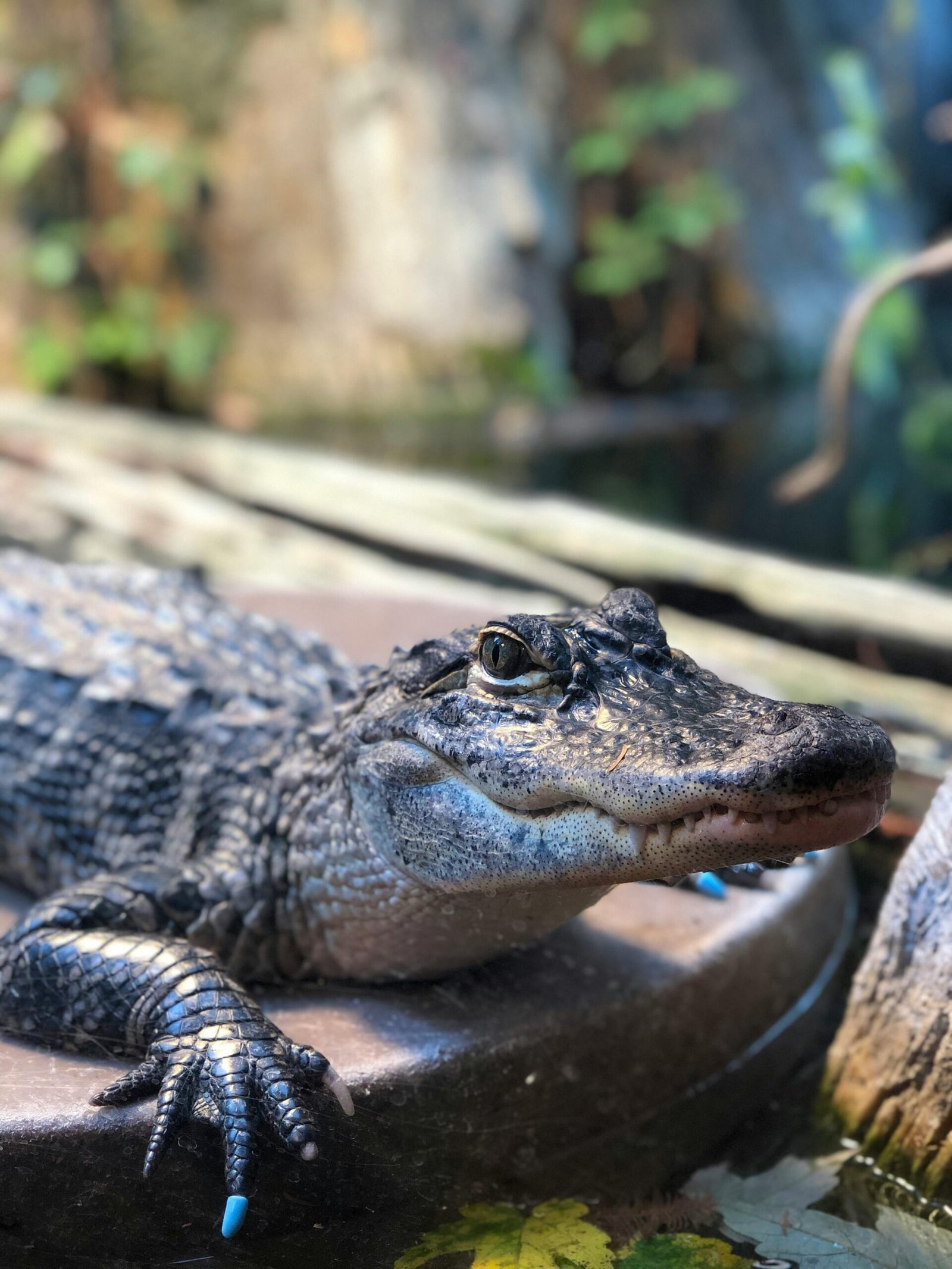
Alligators are common, especially near deeper water. You will see them basking, sliding silently, or simply sitting like carved dark logs. Respect their space—do not approach or feed them.
Birds: A Birder’s Landscape
Birds are a central feature. From prolific waders to raptors to secretive marsh birds, you will probably keep your binoculars busy. Notable species include sandhill cranes, wood storks, limpkin, roseate spoonbill, purple gallinule, various herons and egrets, and numerous migratory passerines.
Other Mammals
You will find deer, bobcats (rarely seen but present), raccoons, river otters, foxes, and smaller rodents. The park is a corridor connecting broader ranges, so occasional transient mammals show up.
Turtles, snakes (including non-venomous and venomous species like water moccasins), anoles, and a rich chorus of frogs will be part of your experience if you listen and look carefully. The sounds at dusk can be a tapestry of chirps and trills.
Fish and Aquatic Life
Shallow waters support fish, crustaceans, and invertebrate communities that are food bases for wading birds and other predators. You will notice bird feeding patterns as cues to where life below the surface is bustling.
Seasonal Highlights
Seasons in Florida are subtle but important. Your experience will depend on when you come.
Spring
Spring brings breeding birds, flooding in some marshes, and wildflowers. You will notice active nests and territorial behavior. Migration is often tailing off, but resident birds are nesting.
Summer
Summer is hot and humid; storms are frequent. You will find abundant insects and active amphibians. Water levels may be lower by late summer in drought years, concentrating wildlife in fewer pools.
Fall
Fall migration brings transient waterfowl and songbirds. You will enjoy a quieter light and often cooler mornings, making long walks more pleasant.
Winter
Winter can be excellent for seeing birds that retreat to warmer areas elsewhere. You may also find clear visibility across the prairie and more pronounced contrasts in animal behavior as they group or range differently.
Trails, Boardwalks, and Observation Points
You will spend much of your time moving between a few main access points designed to let people observe without disturbing wildlife.
La Chua Trail
This is a classic, heavily used trail and boardwalk that brings you close to wetlands and observation platforms where you can often see bison, horses from a distance, and many waders. It’s a good place for families and first-time visitors because the boardwalk offers reliable, high-probability viewing.
Morningside Track
This track offers a more intimate feel, winding through oak hammocks and along the edges of the prairie. You will get varied habitats and good birding.
Wildlife Drive and Overlooks
If available (seasonal/opening varies), a defined wildlife drive can let you see large-scale movement. Overlooks such as the La Chua Marsh platform provide excellent vantage points for photos and binocular watching.
Trail Distances and Difficulty (Table)
Use this quick table to choose trails that match your time, mobility, and interest.
| Trail / Area | Length (approx.) | Terrain | What You’re Likely to See |
|---|---|---|---|
| La Chua Trail (boardwalks & marsh) | 0.75–2 miles (varies by route) | Flat, boardwalks & packed soil | Waders, alligators, bison across prairie |
| Morningside Track | 2–4 miles (loop options) | Dirt paths, some shade | Songbirds, hammocks, prairie edge species |
| Tram Road / Wildlife Drive | Variable | Gravel, vehicle-accessible | Large mammals from distance, bird flocks |
| Oak Hammock Trails | 1–3 miles | Shady, single track | Raptors, migratory passerines, reptiles |
This image is property of images.pexels.com.
Observation Etiquette and Safety
You will be a better visitor if you act like a considerate houseguest. That means minimizing your footprint, keeping noise low, and giving wildlife their space.
- Keep at least 30–50 feet from most wildlife; more for alligators and bison.
- Never feed wildlife. Feeding changes behavior and can make animals aggressive.
- Keep dogs leashed where allowed (many areas prohibit dogs due to sensitive wildlife).
- Carry water, sunscreen, and insect repellent in summer; wear layers in cooler months.
- Watch your step: snakes and holes can be hidden in grass.
Photography and Optics
You’ll want to bring binoculars and a camera. The park rewards patience: sometimes the most memorable images are not dramatic close-ups but small, revealing moments—an egret grooming, a foal trotting, a sun-streaked cypress silhouette.
- Use binoculars for birds and distance viewing.
- A telephoto lens (200–400mm range) is useful; however, long lenses are less necessary at boardwalks where birds can be close.
- Be prepared for changing light—mornings and late afternoons are golden, midday can be harsh.
Guided Programs, Education, and the Visitor Center
You will find interpretive programs and talks offered periodically, along with a visitor center where staff can help you plan. Guided walks and ranger talks give context to what you see and often highlight seasonal priorities: nesting seasons, bison behavior, or fire management.
You will learn that fire is part of the prairie’s management—controlled burns help maintain the open grasslands and keep woody plants from taking over. The staff can explain the balance between allowing natural processes and protecting infrastructure.
Conservation, Research, and Management
You will notice that the park functions as both a recreational space and a working landscape for conservation. Management priorities include: restoring and maintaining natural hydrology, controlling invasive species, managing grazing by introduced large herbivores, and conducting research into species trends and habitat responses.
- Hydrologic restoration has been critical for returning wetland functions.
- Invasive plants are managed through targeted efforts.
- Monitoring programs track birds, amphibians, and other indicator species.
If you care about conservation, you will appreciate how the park is used as a living classroom for students and researchers.
This image is property of images.pexels.com.
Volunteer Opportunities and Citizen Science
You can participate directly if you wish. The park often needs volunteers for habitat restoration, trail maintenance, and visitor services. Citizen science projects—bird counts, frog call surveys, and bioblitz events—let you contribute meaningful data.
Volunteering is also an excellent way to get a deeper, more personal understanding of the place. You will meet people who return year after year, who can point out subtle seasonal rhythms you might otherwise miss.
What to Bring: A Practical Checklist
You will be more comfortable if you come prepared. The list below covers most eventualities for day visits.
- Binoculars and camera (charged batteries, extra memory).
- Water (1–2 liters per person in summer).
- Sun protection: hat, sunscreen, sunglasses.
- Insect repellent, especially in warm months.
- Sturdy walking shoes and light rain jacket if weather threatens.
- Snack or picnic (use park-designated areas for food).
- Park map, phone with saved directions, and emergency contact info.
- Small first-aid kit.
Accessibility
You will find that many sections of the park are designed with accessibility in mind. Boardwalks and certain viewing platforms offer easier access for wheelchairs and strollers. Check the park’s official resources for specific accessibility details and to identify which trails are most suitable.
Nearby Amenities and Where to Stay
You will appreciate that the park is near Gainesville, offering lodging, restaurants, and visitor services. Small towns like Micanopy provide a quaint downtown and local flavor. If you prefer to stay inside the park boundaries, check for designated camping and RV facilities, as offerings and availability change.
Planning for Children and Family Visits
You will find Paynes Prairie a forgiving classroom for children. Shallow boardwalks, visible wildlife, and easy trails make it family-friendly. Use observation activities—bird bingo, wildlife journals, or a camera scavenger hunt—to keep kids engaged.
Teach children to respect wildlife and follow safety rules: do not touch wildlife, do not throw objects, and stay on boardwalks.
Common Questions Visitors Ask
You will likely wonder specific things before your visit. Here are straight answers to common queries.
- When is the best time to see bison or horses?
- Early morning and late afternoon are highest-probability times, but animals can be seen throughout the day. Weather and water levels influence movements.
- Are pets allowed?
- Policies vary by area. Dogs are often restricted from sensitive habitats; keep pets leashed where permitted.
- Are there guided tours?
- Yes, ranger-led programs and seasonal guided walks are offered—check schedules.
- Can you swim or wade in the prairie?
- No, the marshes and sinkholes are not for swimming. They are wildlife habitat and can be hazardous.
Table: Species You Might See (Representative, Not Exhaustive)
This table helps you identify common and notable taxa.
| Group | Representative Species You May See |
|---|---|
| Large mammals | Florida Cracker horses, bison, white-tailed deer |
| Medium/small mammals | Raccoon, bobcat (rare), river otter, fox |
| Wading birds | Great blue heron, great egret, wood stork, roseate spoonbill |
| Shore/Marsh birds | Limpkin, purple gallinule, sandhill crane |
| Raptors | Red-shouldered hawk, osprey, bald eagle (occasional) |
| Reptiles | American alligator, various turtles, non-venomous and venomous snakes |
| Amphibians | Southern leopard frog, chorus frogs, tree frogs |
| Fish & Aquatic | Sunfish, bass (in deeper waters), various minnows |
| Plants | Sawgrass, cattails, maidencane, longleaf pine (in some uplands) |
Practical Tips for Maximizing Your Visit
You will make the most of your day by pacing yourself and paying attention to details.
- Visit early in the morning for active wildlife and softer light.
- Bring a field guide or use an app for live ID, but treat apps as hints—local conditions can produce surprises.
- If you want a quiet long walk, choose weekdays or early mornings to avoid crowds.
- Protect your electronics from humidity; small silica packs in your camera bag help in humid months.
Conservation Successes and Ongoing Challenges
You will appreciate that Paynes Prairie is both a success story and a place of continuous management. Restoring native hydrology and reintroducing species where appropriate have been major achievements. Ongoing challenges include invasive species, balancing human visitation with wildlife needs, and adapting to changing climate patterns.
The park’s management involves partnerships among state agencies, universities, local governments, and nonprofits. You will see signs and interpretive panels that describe controlled burns, water restoration projects, and research programs—each one an invitation to understand the complexities behind the view.
Nearby Cultural and Historical Sites
You will find that the human map around the prairie is as interesting as the natural one. Nearby towns like Micanopy have antique shops, historic homes, and small museums that provide context to the region’s settlement and ranching history.
Walking a local main street or visiting a small museum can make your nature visit feel anchored in place and time.
Final Thoughts: What the Prairie Gives You
If you look for scientific data, you can find long-term bird counts and monitoring reports. If you look for quiet, you will find a kind of patience in the landscape: animals pausing, grass bending, water reflecting. You will likely leave with a few photographs, a few names of birds you can now identify, and a difference in how you think about Florida—not merely as beaches and theme parks, but as a layered ecosystem where human stories and wild stories meet.
You may return feeling more literate about a particular small world: its sounds at dusk, the way a bison lowers its head, the precise ripple of light across a marsh. Long after you leave, those small observations will settle in the corner of your memory, the way a familiar habit does, and you will discover that you have been quietly changed by the prairie’s unassuming rhythms.
If you plan a visit, give yourself a morning walk and a late-afternoon sit at an overlook. Bring patience, binoculars, and a small notebook. The prairie does not always give up its wonders quickly, but when it does, you will recognize them and be glad you came.
Useful Contacts and Resources
You will find current rules, event schedules, and advisories at the official Florida State Parks page for Paynes Prairie. For research or volunteering inquiries, contact the park administration directly. Local birding groups and the county visitor bureaus can also provide timely tips about what’s happening in the park during your planned dates.
Enjoy the watching, the waiting, and the small domestic joys—the perfect cup of coffee on a chilly morning, the sound of skylarks, the careful, neighborly presence of a place that has been holding its stories for a long time. Get more creative knowledge build books and resources for happy minds at: https://booksforminds.com/