Bringing Gentle Stories to Life: Classroom Activities for The Millie Mouse Tales
Bringing Gentle Stories to Life. The Millie Mouse Tales is more than a picture book series — it’s a gentle gateway into emotional learning, storytelling magic, and joyful imagination. Whether you’re a preschool teacher, early childhood educator, or librarian, this series offers a treasure trove of classroom-friendly activities to reinforce core themes like kindness, courage, curiosity, and community. Each of Millie’s adventures is designed with rhythm, warmth, and relatable emotion — making them perfect companions for both quiet reading and interactive exploration.
This guide includes over a dozen classroom activities inspired by the stories, characters, and settings in The Millie Mouse Tales. These ideas support social-emotional development, literacy, creative expression, and collaborative learning — all while keeping things playful and calm.
1. Story Sequencing with Picture Cards
Goal: Develop narrative understanding and recall
Book Tie-In: Millie Mouse Bakes a Pie
After reading the story, give students laminated cards showing key scenes from the book. Ask them to work in pairs or small groups to arrange the scenes in the correct order. Follow up with a group retelling, encouraging students to use their own words to describe what happened — and why it mattered.
Extension: Students draw their own “next scene” to imagine what Millie might do after the pie is baked.
2. Build a Blanket Fort Reading Nook
Goal: Create a calm, cozy classroom space for independent reading
Book Tie-In: Millie Mouse and the Rainy Day Fort
Recreate Millie’s rainy day fort using classroom materials like sheets, pillows, chairs, and twinkle lights. Invite students to bring in a favorite plush friend and let them read or rest quietly in the space. This can become your classroom’s “Calm Corner” or Reading Retreat.
Literacy Boost: Display Millie Mouse books and other gentle read-alouds inside the fort.
3. Forest Walk & Nature Sketching
Goal: Encourage mindfulness, observation, and connection to nature
Book Tie-In: Millie Mouse and the Windy Day
Take students on a short walk outside. Ask them to observe and collect (or sketch) items like leaves, feathers, or interesting textures. Back in class, students can draw what they found and write one sentence about what Millie might say if she saw it.
Optional: Create a classroom “Millie’s Forest Wall” display with everyone’s drawings.
4. Character Emotion Masks
Goal: Support emotional literacy and dramatic play
Book Tie-In: Millie Mouse Says Goodnight
Introduce basic emotions (happy, sad, scared, excited, calm). Provide paper plates, yarn, and markers for students to create “emotion masks” that reflect how Millie feels in different parts of the story.
Activity: Let students act out short scenes using the masks, naming the emotions and what caused them.
5. Friendship Circle Discussion
Goal: Foster empathy, listening, and community building
Book Tie-In: Millie Mouse and the New Neighbor
After reading, gather in a circle and ask: “How did Millie make her new neighbor feel welcome?” Invite students to share how they’ve made (or can make) someone feel included.
Anchor Chart: Create a “Ways We Can Be Kind” poster together.
6. Scavenger Hunt: Millie’s Treasures
Goal: Support fine motor skills, sorting, and storytelling
Book Tie-In: Millie Mouse’s Box of Treasures
Set up a mini scavenger hunt where students find small “treasures” hidden around the classroom (buttons, ribbon, stones, etc.). Afterward, each student chooses three and tells a short story about why they’re special — just like Millie does.
Writing Extension: Older students can write a few sentences describing their favorite item.

Goal: Build writing confidence and classroom kindness
Book Tie-In: All titles
Set up a small mailbox where students can leave notes for Millie Mouse — questions, drawings, or “thank yous.” Respond weekly with a short reply from Millie (written by the teacher or a designated “Millie Monitor”).
Benefit: Encourages self-expression, audience awareness, and excitement around writing.
8. Sound Effect Storytelling
Goal: Boost expressive reading and auditory engagement
Book Tie-In: Millie Mouse and the Forest Picnic
As you read the story aloud, invite students to help create sound effects: birds chirping, wind whooshing, footsteps on twigs. Assign different sounds to different groups.
Variation: Let students retell the story using props and sounds.
9. Muffin Baking Day (Sensory Learning)
Goal: Combine storytelling with hands-on experience
Book Tie-In: Muffin Mouse Bakes a Pie
If your classroom allows for cooking, bake muffins together after reading the story. Discuss ingredients, textures, smells, and flavors. If baking isn’t possible, use playdough or paper craft to “make” pies and muffins.
Language Tie-In: Label each ingredient and have students describe the steps aloud.
10. Create Your Own Millie Tale
Goal: Inspire storytelling, art, and ownership
Book Tie-In: Series-wide
Invite students to write or dictate their own Millie Mouse story. Where does she go? What problem does she solve? What friend helps her?
Art Extension: Students illustrate a simple book page or create a class book of Millie adventures.
11. Kindness Chain Craft
Goal: Promote community-building and visible progress
Book Tie-In: Millie Mouse and the New Neighbor + Says Goodnight
Each time a student is observed showing kindness, let them add a link to a paper “Kindness Chain.” Use it to decorate the reading corner or hallway.
Celebrate: When the chain reaches a milestone length, host a Millie-themed kindness party.
12. “What Would Millie Do?” Roleplay Cards
Goal: Strengthen decision-making and values in context
Book Tie-In: Series-wide
Create short scenarios on cards (e.g., “You see someone sitting alone,” “You broke a toy,” “It’s raining and your friend is sad”). Have students draw one and act out what Millie would do.
Discussion: Follow each roleplay with a short conversation about choices and feelings.
Puppet Show to Bring Stories to Life
A manual for making reading interactive and playful so children internalize lessons, connect with characters, and reduce screen time. You’ll get step-by-step ideas, craft projects, questions to ask, and tiny bit of theatrical sabotage to help stories leap off the page and into real life.
Why use puppets and interactive reading?
You might think puppets are just for giggles and misplaced socks, but they do a lot of heavy lifting for learning. Puppets help kids externalize feelings, experiment with different perspectives, and practice language in a low-stakes way — all while you both have fun and you secretly win at reducing screen time.
Puppet-based reading makes characters tangible and empathy manageable; kids can try on someone else’s choices without committing to them. Plus, when you add movement, voices, and snacks, the story becomes a memory rather than background noise.
The purpose: what you’re really doing
You’re not just making finger puppets; you’re building pathways in your child’s brain for empathy, comprehension, and creativity. The purpose is to make reading interactive and playful so children internalize lessons, connect with characters, and reduce screen time.
Treat this like a multi-sensory lesson plan disguised as play. You’re also strengthening attention, boosting vocabulary, and creating ritualized, memorable bonding moments. That’s parenting-level stealth productivity.
Preparing to read the story with your child
Preparation transforms a chaotic puppet jam into a performance with meaningful learning outcomes. Read the story beforehand, plan the moments you’ll emphasize, and decide where you’ll pause for suspense — or for snacks.
Practice expressive voices, consider where to take turns, and remind yourself the goal is fun, not a Tony Award. If your voice cracks during the dragon scene, call it characterization.
Read the story ahead of time
Skimming it once before performance is crucial. You’ll notice plot beats, emotional arcs, and lines perfect for a dramatic pause.
Knowing the story allows you to prompt richer questions during reading. It also helps you judge how long the child’s attention will hold and where to add interactive bits.
Use expressive voices and timing
Try accents, pitch changes, and exaggerated timing to make characters distinct. You’ll be surprised how a small pause can make a moral or joke land like a tiny meteor of joy.
Keep it playful and avoid performance perfectionism; the fun of puppet shows is in the delightful wobble of doing your best.
Pause for suspense and take turns
Suspense is educational: it encourages prediction skills and patience. Pause before big moments and invite guesses, bets, or dramatic gasps.
Taking turns with reading lines or puppet speaking keeps kids engaged and gives them ownership of the story.
Prioritize fun
If it feels like a lesson, course-correct. The aim is playful engagement and emotional learning, not drilling comprehension for a pop quiz. Be silly, improvise, and celebrate the small weird moments — they’re often the most memorable.
Puppet show basics: what you need and why
Your puppet show doesn’t require a pro-grade stage. All you need are characters, a performance area, and a willingness to use voices that will make your spouse look up from their phone. Stuffed animals and sock puppets are perfect; they’re tactile and already beloved.
Use puppets to act out characters so children can see motives and emotions as actions. When a child manipulates a puppet, they practice empathy by embodying someone else’s choices and feelings.
Materials checklist
Here’s a simple table to keep your puppet production department sane and portable.
| Item | Purpose | Alternatives |
|---|---|---|
| Socks or old gloves | Make quick puppets | Felt, paper bags |
| Stuffed animals | Instant character puppets | Action figures with soft edges |
| Permanent markers, fabric glue | Eyes, mouths, decorations | Buttons, felt pieces, hot glue (adult use) |
| Cardboard or shoebox | Mini stage | Blanket draped over table, doorway curtain |
| Popsicle sticks | Puppet handles or props | Straws, wooden skewers (adult use) |
| Scissors, needle & thread | Crafting and repairs | Safety scissors, fabric glue |
| Costume bits (scarves, hats) | Dress-up and role-play | Paper crowns, colored paper |
Quick puppet types and their vibes
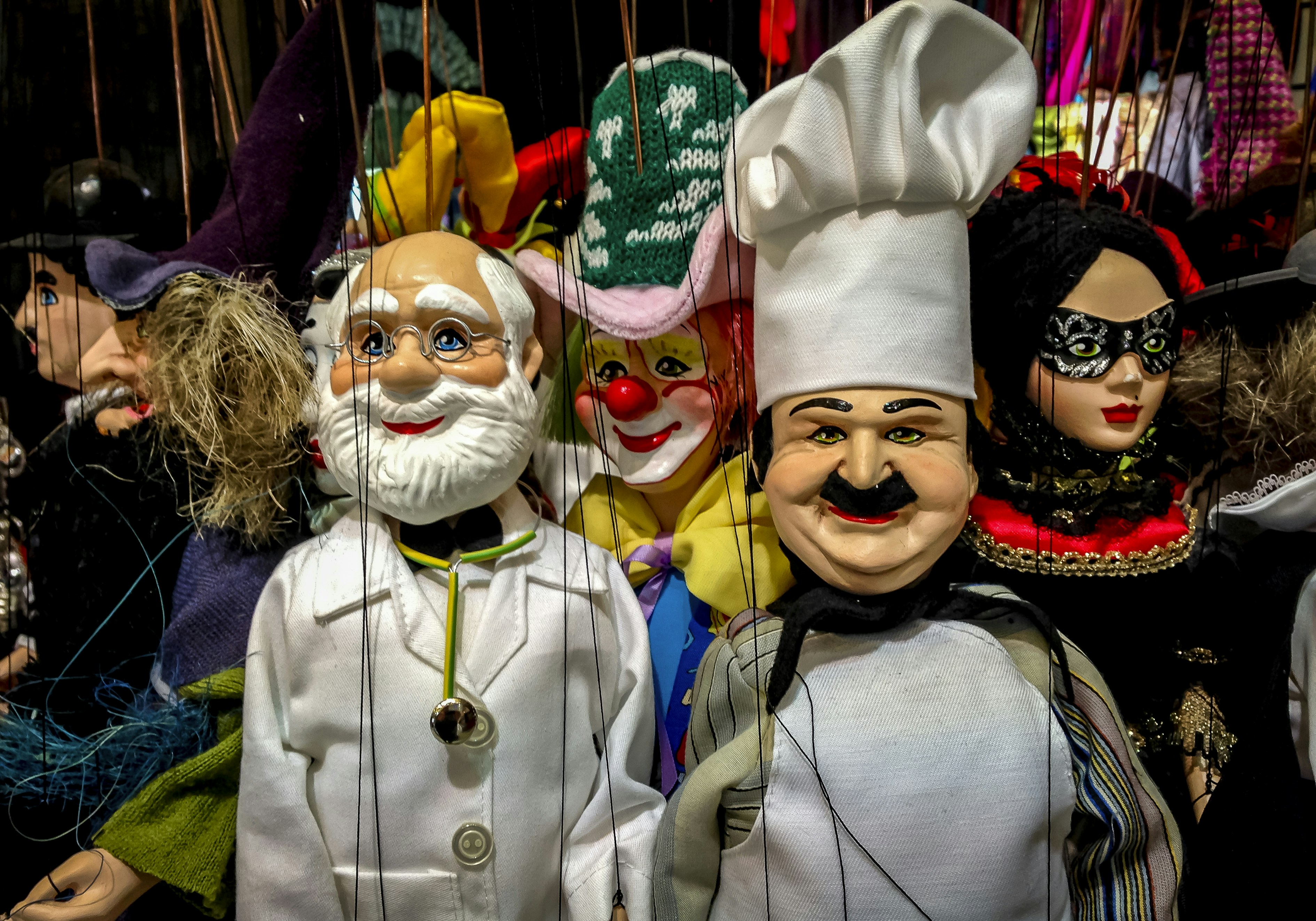
- Sock puppet: chaotic, silly, great for improvisation.
- Stuffed animal: comforting, expressive, good for shy kids.
- Paper bag puppet: arts-and-craft friendly and customizable.
- Glove puppet: hands-on and flexible for more dramatic gestures.
This image is property of images.unsplash.com.
Making a simple sock puppet: step-by-step
No sewing degree required. Take a colorful sock, add a mouth with felt or markers, glue on button eyes, and you have a character. Keep it safe: glue and small parts should be used with supervision for little kids.
Give each puppet a voice and a quirk (sings only, mispronounces “banana,” loves dramatic pauses). The quirk is the puppet’s personality shortcut — like a sitcom tag but less expensive.
Variations and upgrades
- Add felt teeth or tongue for expressive mouths.
- Sew an elastic band so your puppet stays on smaller hands.
- Glue on yarn hair for wild character energy.
- Make interchangeable accessories (tiny hats, scarves) for quick costume changes.
Using stuffed animals as puppets
Stuffed animals are brilliant because kids already have emotional ties to them. They’ll be more willing to talk through a teddy than talk to you about why they ate glue at age four.
Use them to act out tricky social scenarios or to model problem-solving. The child can practice being the voice of a character, which helps them attribute thoughts and feelings to others.
Tips for animating stuffed animals
- Move the head, ears, and paws as if they were talking — subtlety works.
- Position the stuffed animal near your mouth when voicing to avoid lip-sync confusion.
- Encourage the child to make the animal do simple actions like jumping or hiding to emphasize plot points.
Building a DIY puppet stage
Don’t buy a Broadway budget; a shoebox theater or a blanket-over-table curtain will do. The stage gives the performance a frame and helps focus attention.
A small stage can be portable and stored easily, encouraging spontaneous shows. Use bright fabric and simple props to make it feel special without being fussy.
Quick stage builds
- Shoebox theater: Cut a rectangle out of one side, decorate, and insert a paper backdrop.
- Blanket curtain: Drape a blanket over a table; use the table edge as a stage lip.
- Cardboard frame: Join two large boxes to make a standing frame with a cut-out window.
Reading and acting: integrating puppetry into read-alouds
Combine reading and puppetry by assigning characters to puppets and alternating between narrated text and puppet dialogue. This keeps attention and helps kids practice narrative sequencing.
You can have the puppet “interrupt” the reading to ask questions or make jokes. This models active engagement with the text and demonstrates that books are for conversation, not silent shrines.
Roles and rules for puppet interactions
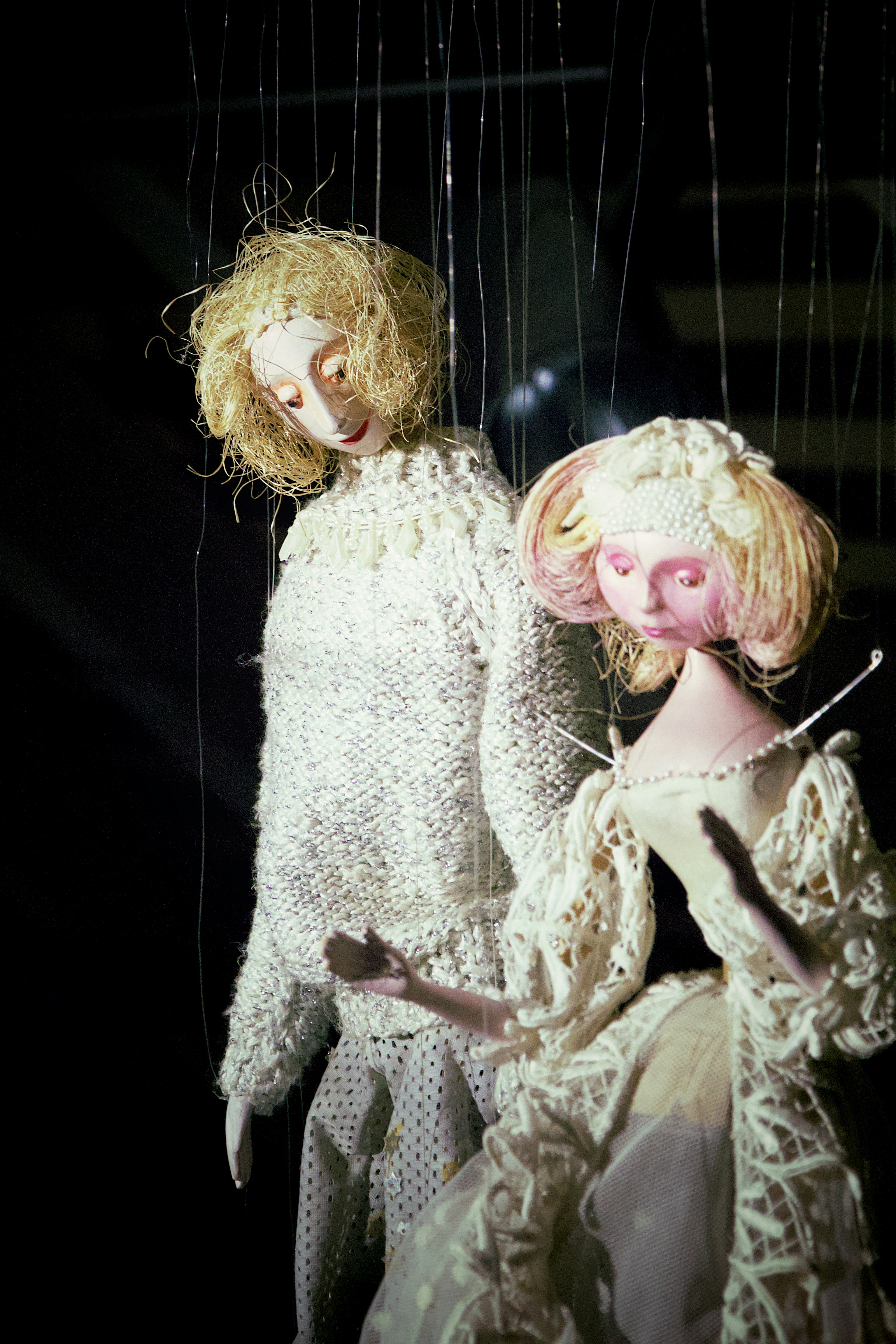
- Narrator (you or the child): reads descriptive passages and sets scenes.
- Character puppets: say lines and react.
- Audience puppet: can ask questions or make predictions — great for involving shy kids.
Set a simple rule like “puppet voices during puppet parts, narrator voice during narration” to keep the event coherent and fun.
This image is property of images.unsplash.com.
Ask questions while reading: build comprehension through curiosity
Asking questions as you read is the surgical tool that makes lessons stick. Predicting outcomes, discussing characters’ choices, and exploring morals are all enhanced when a puppet asks the question — it feels less like a quiz and more like an interrogation by a plush tyrant.
Use open-ended questions and age-appropriate prompts to encourage thinking. Avoid leading questions that turn every answer into the one you printed on the fridge.
Types of questions and examples
Use this handy table to match your goals with question types.
| Goal | Question Type | Examples |
|---|---|---|
| Prediction | “What do you think will happen?” | “What will the rabbit do next?” |
| Character understanding | “Why did they do that?” | “Why did the lion share his lunch?” |
| Moral reasoning | “Was that the right choice?” | “What would you do if you were the frog?” |
| Text detail | “Where did the story take place?” | “Can you point to the part where the bridge breaks?” |
| Personal connection | “Have you ever felt that way?” | “When did you feel brave like that?” |
Sample puppet prompts
- “Mr. Sock wants to bet your brain that the fox will be clever — what’s your bet?”
- “Penny the Bear wants to know if sharing is always good. Tell her a time when it was tricky.”
Attending or hosting storytime/read-alouds
Libraries, bookstores, and author read-alouds introduce new books and perspectives and model public literacy rituals. Taking your child to these events expands their book exposure and shows that stories are social.
If you host a read-aloud, keep it short, interactive, and playful. Invite friends, encourage costume pieces, and turn the finale into a puppet act-out for maximum bragging rights.
How to host a mini storytime
- Pick a short book with strong characters.
- Prepare puppets and a simple stage.
- Invite a small group (3–6 kids works well).
- Include time for questions, drawing, or making a related snack.
Play dress-up: costume play to deepen engagement
Costumes transition kids from audience to performer; they enhance imagination and make role-playing feel official. Dress-up can be simple — a cape, a hat, or a cardboard sword — and the transformation is immediate.
Encourage costumes related to the book’s theme to deepen connection. If the protagonist wears boots, let your child stomp in similar boots and narrate what it feels like.
Costume safety and creativity
- Ensure costumes are size-appropriate and safe (no long trailing fabric for toddlers).
- Use thrift store finds or recycled clothes to keep costs down.
- Add simple props like a sticky-note badge or a paper mask for quick character signals.
Make a meal from the book: sensory learning through food
Food is an underused storytelling prop. Cooking foods featured in stories turns scenes into taste tests and gives kids a sensory anchor for memory. A meal can be as simple as “hot cocoa with marshmallows” from a winter tale or as complex as making rice and beans from a folktale.
Cooking together builds procedural skills and vocabulary while linking story events to real-world experiences. Plus, no one complains about food being part of homework.
Simple recipes and ideas
- “Goldilocks Porridge”: let kids choose too hot, too cold, or just right — emphasize adjectives.
- “Chicken Soup for the Brave”: tiny vegetable pieces to talk about body parts and feelings.
- Story-themed snack board: arrange foods to match characters or settings (blueberries for lakes, cheese for caves).
This image is property of images.unsplash.com.
Draw a picture: illustrate and display
Ask your child to draw characters or scenes; this reinforces comprehension and gives them a sense of ownership. Display their art prominently — on the fridge, a corkboard, or a rotating gallery — to celebrate learning.
Turning drawings into props, book illustrations, or puppet skins gives art a functional purpose beyond decoration. This keeps the creative loop alive and visible.
Prompts for drawing activities
- “Draw the moment when the hero made the big choice.”
- “Sketch what you think the villain’s house looked like.”
- “Design a new costume for the character.”
Write a story or poem: foster narrative skills
Encourage children to create original pieces, sequels, or retellings from another character’s perspective. Writing is a thinking tool — the act of making choices about what happens next clarifies understanding.
Start with short prompts and build complexity as confidence grows. Celebrate small pieces and resist the editing urge; the first drafts should be sticky, silly, and full of potential.
Writing prompts and structure
- Prompt: “Write the next day after the story ends.”
- Prompt: “Tell the same story but as if the villain were the hero.”
- Structure: Use a three-box storyboard (beginning, middle, end) to plan before writing.
Make a book: long-term, collaborative projects
Making a book turns a short activity into a proud artifact. Support longer projects like sequels or collaborative author-illustrator teams with steps for concept, draft, illustration, and binding.
Binding can be as simple as stapling pages, sewing a spine, or creating a digital PDF. Share copies with family to amplify pride and real-world writing purpose.
Steps for a Make-A-Book project
- Brainstorm: choose a story or sequel idea.
- Draft: write a page or two per session.
- Illustrate: draw scenes or photographs.
- Assemble: bind pages and create a cover.
- Share: host a reading or mail a copy to relatives.
Make a game from the story: learning via play
Converting story elements into games reinforces plot, vocabulary, and sequencing. You can make word searches, crosswords, memory matching, or movement-based activities tied to important events.
Games can be cooperative or competitive depending on the learning goal. Use them for review or as a fun reward after reading.
Sample mini-game ideas
- Character Charades: Act out who you are and let others guess.
- Story Sequence Cards: Put event cards in order to reconstruct the plot.
- Vocabulary Bingo: Use important words from the book to build listening skills.
Follow authors/illustrators online and use their resources
Many creatives share process videos, drawing tutorials, and bonus content that deepen reading experiences. Following authors can model creative work and inspire children to pursue their own art.
Teach your child safe, responsible use of online resources, and preview any content before sharing. Bonus materials often include discussion guides and activity sheets you can use right away.
Types of content to look for
- Illustrator “draw-along” videos
- Author read-alouds and Q&A sessions
- Printable activity guides and coloring sheets
- Behind-the-scenes process videos showing sketches to final art
Help children write letters to favorite authors
Letter writing is a charming way to practice writing, build gratitude, and connect kids with creators. A short letter with a drawing and a question about the book is perfect.
If you’re mailing, include a stamped, self-addressed envelope if the child hopes for a reply. If emailing, follow the author’s guidelines on their website or social media for submissions.
Sample letter template
Start with: “Dear [Author], I loved your book because…”
Include a question like: “What inspired the [character/object]?”
Close with thanks and the child’s name, age, and a drawing attached.
Use bonus materials and publisher resources
Publishers often provide discussion guides, printable activities, and lesson plans that align with social-emotional learning. These resources can deepen comprehension and extend the life of a story.
Look for guides on empathy, conflict resolution, and vocabulary-building. Use them to design post-reading activities like role-play, art prompts, or short writing exercises.
How to use printable guides effectively
- Choose one printable per reading session to avoid overwhelm.
- Tie the printable to a puppet scene or a snack to reinforce learning.
- Use guides to scaffold conversations about feelings and decisions.
Tips to reduce screen time with story-based activities
Replace passive screen time with active story play by scheduling puppet-readings as a daily ritual. Make it consistent but flexible — a 15-minute puppet read-aloud after dinner can become a much-expected highlight.
Rotate books and activities to keep things fresh, and offer choices within limits: “Do you want to act the dragon tonight or make the dragon into a sock puppet?” Choices empower kids and reduce pushback.
Scheduling and motivational ideas
- Designate a “no screens” hour with a reading challenge and small rewards like stickers.
- Use a visual timer to help kids transition away from screens.
- Pair reading time with a sensory treat (warm cocoa, crunchy fruit) to increase desirability.
Example puppet show script: “The Brave Little Spoon” (short adaptation)
This little script gives you a template for combining narration, puppet voices, and audience interaction. It’s silly, short, and easy to adapt for your chosen book.
Narrator: “Once upon a kitchen, a small spoon felt too small to help.”
Spoon (high, earnest voice): “I am tiny! How can I help a big job?”
Fork (bassy, confident voice): “You can stir, and you can scoop, and you can be kind.”
Narrator: “An oven bell rang, and a cake needed saving.”
Spoon: “I will try!” (Spoon twirls, audience claps)
Narrator: “The spoon mixed and stirred, and the cake was saved. The spoon realized small can be mighty.”
Audience participation: “Clap your spoons if you can be brave!” (Encourage clapping or stomping)
This script can be stretched or shortened, and you can insert prompts for predictions or moral questions between lines.
Troubleshooting and FAQs
If kids lose interest quickly, trim the show and add movement. If there’s sibling chaos, assign roles before starting and rotate so everyone gets a turn. If a child is shy, give them a silent puppet to manipulate while you speak their lines.
Common problems often have simple fixes: shorter segments, bigger props, or switching formats (from sock puppet to drawing). Don’t be afraid to throw out a plan mid-show and call it improv — children love rule-breaking when adults do it with confidence.
Sample quick fixes
- Attention drift: Introduce a sound cue to regain focus (a bell or a funny squawk).
- Overdominant child: Use “puppet turn” cards so each child can be guaranteed a part.
- Messy crafts: Pre-cut pieces for younger children to glue quickly.
Safety and inclusivity considerations
Keep small parts away from young children and use non-toxic craft supplies. Be mindful of sensory sensitivities — some kids react strongly to loud noises or textures.
Include diverse books and characters to model an inclusive world. Use puppet play to discuss differences and common ground gently, and adapt activities to each child’s abilities.
Inclusion tips
- Offer multiple ways to participate: puppetry, drawing, narrating, or audience reactions.
- Choose books with diverse characters and perspectives.
- Use plain-language prompts and extra time for children who need processing support.
Final encouragement: your tiny stage matters
You don’t need to be a professional puppeteer to make stories come alive; you need curiosity, a few socks, and the courage to make a funny voice in public. These activities transform reading into a lived experience: characters stop being names on a page and become feelings, choices, and friendships.
Start small, keep it joyful, and let imperfections fuel laughter. The goal is connection and learning, not a perfect curtain call. So pick a book, raid the sock drawer, and create a little world where stories leap into life — and your audience learns emotionally and cognitively while giggling.
If you’d like, I can create a printable checklist, a tailor-made puppet script for a specific book, or an age-based activity schedule that fits your family’s routine. Which would you like to try first?
Visit us again for more great books reading and recommendations at: https://booksforminds.com/