Bedtime Stories for Girls – Enchanting Bedtime Stories for Girls and Brave Dreamers
Bedtime stories for Girls. You’re about to find a trove of ideas, tips, and gentle templates designed to help you tell—or invent—bedtime stories that foster bravery, kindness, and imagination. These stories are for girls and for any brave dreamer (yes, that includes you if you’re the grown-up telling them), and they’re meant to leave everyone feeling warm, safe, and quietly heroic.
Why bedtime stories matter
Bedtime stories do more than help eyelids get heavy. They teach language, empathy, and the rhythm of narrative (which your brain appreciates like a cat appreciates a sunbeam).
If you read regularly at night, you’re gifting a pattern of safety and curiosity. The ritual of a story helps anchor the day and models how problems can be faced, solved, or accepted without the world collapsing.
Stories and courage
Stories let you practice bravery in small, delightful doses. You can model risk-taking and resilience without actually, you know, breaking bones or losing teeth.
When a heroine decides to knock on the dragon’s door or stand up to a wicked wind, your listener learns that fear and bravery can live in the same sentence—and that’s a comfort for anyone who’s ever felt their knees turn into gelatin.
Gender, identity, and inclusive storytelling
You can choose or create stories that reflect how complex identity is, showing that girls can be royal, rough, brilliant, silly, or precisely none of those labels while still being central to the tale. Inclusive stories teach that bravery comes in many forms: quiet, loud, stubborn, kind, stubbornly kind.
When you intentionally pick stories that offer a variety of faces, choices, and ways to be brave, you help children imagine possibilities they might not otherwise see, whether those possibilities involve capes, crowns, or curiosity about clouds.

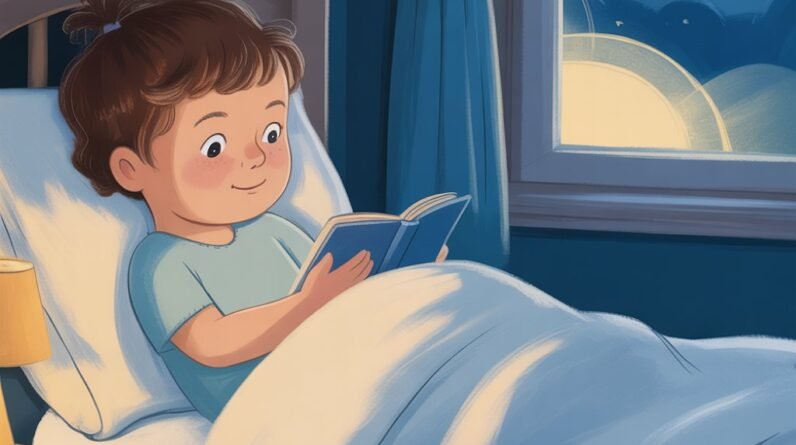
This image is property of images.unsplash.com.
How to choose enchanting bedtime stories
Not every story should be an all-night epic. You want something that warms, not stokes a wildfire of too-muchness. Choosing the right book or tale makes bedtime calm and meaningful.
Consider age, tone, and themes. A good bedtime story has pacing that whispers, not shouts. If you pick books with recurring rhythms and comforting endings, you’ll be building a reliable sleep architecture one story at a time.
Criteria for selecting a story
Think about what you want your story to do—soothe, spark imagination, teach a life lesson, or all of the above. The following table summarizes practical criteria to help you make decisions quickly (because decision fatigue is real).
| Criterion | What to look for | Why it matters |
|---|---|---|
| Length | 2–5 minutes for toddlers; 5–10 minutes for preschool; 10–20 for school-age | Keeps attention aligned with bedtime window |
| Tone | Gentle, reassuring language; limited suspense near the end | Promotes calm and lowers adrenaline |
| Theme | Courage, friendship, problem-solving, self-love | Encourages values without sermonizing |
| Language | Repetition, rhythm, onomatopoeia | Helps memory and comfort |
| Illustration | Simple, warm, not overly stimulating | Visual calm supports the text |
| Ending | Safe, clear closure, small personal victory | Reinforces security and competence |
Themes that spark bravery and kindness
You can pick themes that let bravery take many forms—speaking up, asking for help, trying a new thing, or being steady and patient. Themes of kindness teach children that strength and softness can coexist.
Choose stories where the protagonist learns from mistakes and keeps trying. That sends a powerful message: mistakes are part of the journey, not the end of the map.
The cadence of a story often matters more than the complexity of its vocabulary. Repetition (the same line you both say together) is like a bedtime rug you both step onto; it becomes familiar and deliciously predictable.
Read slowly. Use pauses like commas to let the brain catch up. If you want a little performance, add a whisper for secrets and a steady, softer voice as the conclusion approaches.
Length and timing
Longer is not better. If you tell a story that ends with a cliffhanger, you may inadvertently trigger a second wind. Aim for a satisfying arc that lands you on the pillow.
Consider the sleepy index: toddlers need short and predictable tales; preschoolers tolerate a bit of intrigue; school-age listeners can handle layered tales but appreciate a calm finale that signals rest.
Story formats and styles
There is no single right format. Fairytales, contemporary tales, animal stories, and quiet slice-of-life narratives all have something to offer. Varied formats keep things interesting and let you practice different tones.
Some styles are better for sleeping: cumulative tales with predictable additions, rhyming stories that act like lullabies, and vignettes that close with a sigh.
Have you ever wanted to tuck courage, curiosity, and a little bit of silliness into your child’s pillowcase before lights-out?
Fairy tales with modern twists
Fairy tales give you big emotional beats: the unknown, the test, the reward. When you update them, you can subvert outdated stereotypes and introduce agency—for example, a princess who trades politely with an ogre instead of waiting by a tower.
Modern twists allow you to maintain the archetypal structure while making the story a mirror of contemporary values: consent, collaboration, and curiosity over conquest.
Animal protagonists and empathy
Animals let you create emotional distance while still teaching big lessons. A small raccoon who learns to share, or a hedgehog who discovers that vulnerability is not a defect, can be easier for a child to process than a human character.
Using animals also opens up humor and adorable metaphors (porcupines and flustered feelings are an excellent match).
Superheroes and quiet heroes
Not every hero needs a cape. Create protagonists who are courageous through kindness: a girl who spends her lunch singing to a scared classmate, for instance. That model expands what bravery looks like.
Superhero structure (call, challenge, triumph) gives you a reliable arc. Keep the “triumph” modest and internal for bedtime—resolve a fear, mend a friendship, braver tomorrow.

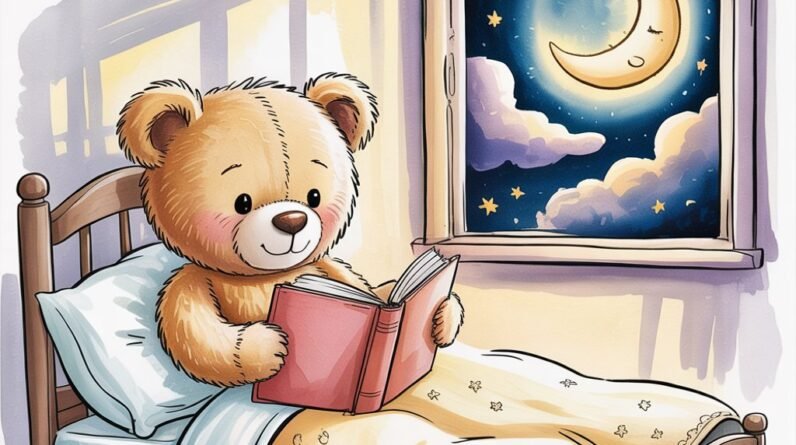
This image is property of images.unsplash.com.
Personalized stories are powerful because they plug the learner into the narrative—your listener becomes the protagonist (or at least a very important sidekick). That naturally increases engagement and self-esteem.
One or two inserted real details—pet’s name, a favorite snack, an actual street—can make the difference between a story that’s lived and one that’s merely told.
How to personalize quickly
If you’re too tired to invent an entire novel, use a template. Swap names, landmarks, and favorite objects into a standard arc. Keep the stakes gentle: the protagonist must find a lost mitten, not overthrow a government.
Note: If you personalize a lot, vary traits so the child learns about empathy for different kinds of people and problems, not only reflections of their own life.
When personalization helps with big feelings
Personalized bedtime stories are especially useful during transitions—moving house, starting school, welcoming a sibling. They let you script a safe rehearsal for change, where the protagonist experiences fear and a gentle resolution.
End with a soothing ritual line in the story that you use in real life, like “Then she took a deep breath and wrapped herself in the blue blanket,”—it becomes a behavioral cue to calm down.
Bedtime myths versus nightmares
You’re allowed to prefer stories that don’t include malevolent trolls or ominous thunder. If you do include a scare, frame it as a solvable puzzle rather than existential doom. Nightmares are less likely when the last image is soft and steady.
If a child is sensitive to scary images, consider safety edits: shorten frightening parts, give the scary creature a silly weakness, or introduce a guardian character like a moon-cat.
If a story naturally has tension, reduce it near the end. Add a guardian figure—an older sibling, wise tree, or very patient moon—that helps find the solution. Cute vulnerabilities (the dragon sneezes glitter) can convert fear into comedy.
Ask your listener if they want to see the scary part ahead of time. Consent matters, even at bedtime. Let them opt in or request a different tale.

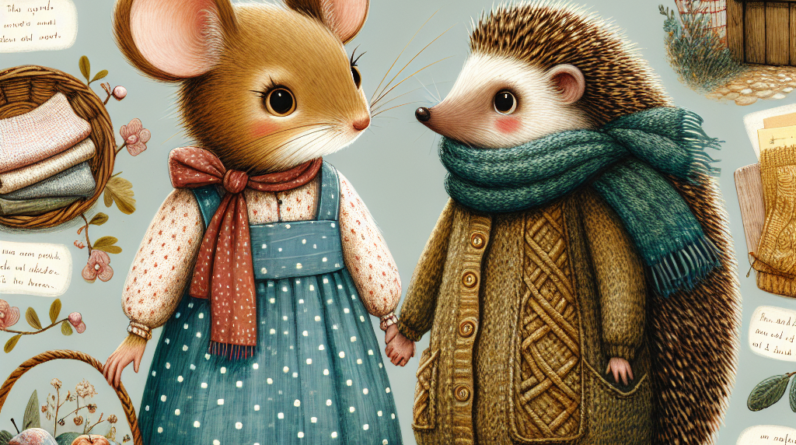
This image is property of images.unsplash.com.
Creating your own bedtime story
You can write a bedtime story without needing MFA credentials. Start with a simple structure: cozy setting, small problem, attempt, supportive help, gentle resolution. Aim to close with calm.
Make the protagonist relatable and give them a manageable task. The moral should emerge naturally rather than being hammered—let the child feel the lesson through the character’s experience.
Step-by-step story-building guide
- Choose a protagonist and one small flaw or fear. (Two sentences explaining why this matters.)
- Set the scene with a sensory detail: the smell of cocoa, the creak of stairs. (Two sentences.)
- Introduce a small conflict: the lost mitten, the shadow that won’t stop dancing. (Two sentences.)
- Add a helper or plan that the protagonist chooses. (Two sentences.)
- Resolve with a gentle victory and a routine that signals sleep. (Two sentences.)
This template gives you flexibility and keeps the story manageable, even when you’re half-asleep.
Templates for quick stories
If you need a story fast, use these fill-in-the-blank templates. They force you to choose a name, an object, a small fear, and a satisfying closure.
| Duration | Template summary | Example |
|---|---|---|
| 5 minutes | Comfort tale: Name finds a lost object and learns asking for help is brave | “Maya and the Missing Slipper” |
| 10 minutes | Adventure with safe stakes: Name goes on a short quest with a helper | “Sam and the Night Garden” |
| 15 minutes | Layered story: Emotional lesson plus small triumph | “Ava and the Moon Ladder” |
Fill in the blanks, add a quirk (an umbrella that sings), and you have a bedtime world.
Ten enchanting story prompts (for girls and brave dreamers)
Here are generous prompts you can shape into full stories. Each prompt includes a twist and a soothing ending idea, so you can wrap the night on a calm note.
- The Little Librarian Who Sheltered Storms
- Prompt: A young girl who works in a library discovers storms get lost and hide inside books. She learns how to politely ask a storm to come out, offering it a cup of warm tea. In the end, the storm agrees to leave softly and promises to visit only when invited.
- Ending idea: The girl tucks the last storm into a book and closes the cover; the hush feels like a blanket.
- The Moon That Forgot Its Way
- Prompt: A moon that forgets which house is for sleeping asks a brave dreamer to help guide it. They create a map with glow-in-the-dark stickers. The moon finds its path, and your protagonist learns that even helpers sometimes need help.
- Ending idea: The moon presses a soft light into the protagonist’s palms—a promise that night-time isn’t alone.
- The Fox Who Sold Courage in Jars
- Prompt: A fox opens a tiny stall selling courage in jars with labels like “first day at school.” A child finds that the jars don’t contain magic but small reminders (a ribbon, a note). She learns that courage grows when practiced.
- Ending idea: She places an empty jar on her nightstand and fills it with tomorrow’s small plans.
- The Girl Who Built a Ladder of Compliments
- Prompt: Each time the girl offers a compliment, a ladder rung appears. She uses the ladder to rescue a shy kite of someone else, finding out that kindness is literally elevating.
- Ending idea: She wraps a ribbon around the ladder and uses it as a bookmark before sleep.
- The Garden That Sang Back
- Prompt: A garden responds to gentle songs by blooming new paths. The protagonist sings a tune that opens a pathway to a bench where an old friend waits. Reunions steady the heart.
- Ending idea: The bench hums a lullaby that matches the protagonist’s heartbeat, and the garden quiets.
- The Brave Sock That Lost Its Pair
- Prompt: A single sock goes on a tiny quest to find its mate. Along the way, it learns to ask strangers for directions and becomes braver. When it returns, it discovers it’s a perfect pair because of its stories.
- Ending idea: The pair falls asleep inside a drawer, content that difference created stories, not problems.
- The Cloud Who Wanted to Be a Kite
- Prompt: A child teaches a cloud how to be steady and grounded enough to float like a kite during parties. The cloud learns to stay close when needed and to drift when it’s time to play.
- Ending idea: The cloud tucks itself under the protagonist’s window as a fluffy nightlight.
- The Secret Language of Old Boots
- Prompt: Old boots in a closet speak to those who walk with them kindly. A girl listens and learns that history lives in small things; she inherits an old pair and learns to listen before judging.
- Ending idea: The boots whisper a bedtime story as they’re put away, and sleep is a slow, kind march.
- The Map That Only Drew Tomorrow
- Prompt: A map that doesn’t show places but possible feelings—brave, nervous, excited—helps a child prepare for a new school. They use it to plan small steps rather than big leaps.
- Ending idea: The map folds itself into a paper heart and rests in the protagonist’s palm as they sleep.
- The Little Clock That Learned to Hug Time
- Prompt: A clock that hates being rushed learns to give moments hugs. The protagonist teaches it how to pause and savor a cup of cocoa, making time something you notice, not a tyrant.
- Ending idea: The clock’s hands slow as the protagonist breathes in and out, and the house breathes with them.
Each prompt can be expanded or shortened. Tuck in sensory details—warm cocoa, the smell of rain, a soft ribbon—and you’ve set the stage for a cozy end.
Read-aloud techniques
How you tell a story matters. Your voice is the texture of the night. Use it like a calculator for mood: slow additions, gentle subtraction, a pause for emphasis.
If you’re feeling theatrical, do small, consistent gestures: a raised eyebrow here, a whisper there. Your listener will learn those cues and will start to anticipate the calmness.
Voice, pace, and physicality
Speak a little slower than you think. Pause like you’re letting each sentence land in a pillow. Use lower volume for the sleepier parts, and slightly brighter tones for small triumphs.
Lay a hand on the child’s shoulder occasionally if that’s comfortable; it’s an embodied reassurance beyond words. If you’re reading from a book, let the illustrations be part of the script: point to a moon or a shoe in a quiet, unhurried way.
Interactive elements without overstimulation
Ask a single question—“Do you think she should try opening the door?”—and then accept their answer, even if it’s wildly different from your plan. Short interactions increase emotional investment without breaking the serene arc.
Use predictable participations, like repeating a chorus together. That repetition becomes a cue that things are moving toward sleep, not away.
Handling interruptions and night anxieties
If a child interrupts with a fear or a request, treat it as part of the story and fold it in. Nighttime worries are not side quests to be dismissed; they’re the raw material of true bedtime magic.
You can pause the story and convert the worry into a tiny scene. If the child is afraid of a shadow, turn the shadow into a sleepy friend who only shows up to listen.
Strategies for persistent anxiety
Create “dream anchors”—a small object, phrase, or visualization that calms them (a pebble, a special tuck-in phrase, imagining a soft cloud). When anxiety visits, you can both return to that anchor and resume the story with a renewed sense of security.
Practice a short breathing pattern together at the end of the tale (three slow breaths in, three out). It’s boring but effective, and the repetition is solidly therapeutic.
Books recommendations (classics, modern, and under-the-radar)
Below is a curated table of suggestions across age ranges and themes—friendship, courage, humor, and calm. These are examples you can rotate through for variety and comfort.
| Book | Author | Age range | Themes |
|---|---|---|---|
| The Paper Bag Princess | Robert Munsch | 4–9 | Resourcefulness, subverting expectations |
| The Night Gardener | The Fan Brothers | 5–10 | Wonder, quiet magic, transformation |
| Ada Twist, Scientist | Andrea Beaty | 4–8 | Curiosity, persistence |
| Llama Llama Red Pajama | Anna Dewdney | 2–6 | Separation anxiety, reassurance |
| Goodnight, Goodnight, Construction Site | Sherri Duskey Rinker | 2–6 | Rhythm, restful closure |
| Unstoppable Molly | Rosie Smith (made-up as an example—sub in a local indie find) | 6–9 | Perseverance, humor |
| The Quiet Book | Deborah Underwood | 3–7 | Attention to small, soothing moments |
(If you’re the kind of person who also checks independent bookstores for odd, gemmy finds, that’s a fantastic hobby to keep. It’s less expensive than therapy and almost as satisfying.)
Crafting a bedtime ritual
Rituals frame stories. When you pair storytelling with consistent actions—dim lights, favorite blanket, a closing phrase—you create a predictability that is deliciously trust-building.
Rituals can be short (four steps) or elaborate (refreshing but time-consuming). The key is consistency. If your ritual includes a washing of hands or a song, keep it mostly the same; children find that reassuring in a way grown-ups reserve for thermostats.
Ritual examples by age
| Age | Ritual actions | Why it works |
|---|---|---|
| Toddlers | Bath → Pajamas → Short story → Light on low | Predictable, sensory order reduces meltdowns |
| Preschool | Snack → Brush teeth → Story with song → Hug | Longer attention span; ritual includes participation |
| School-age | Quiet chat → Longer story → Goodnight phrase → Optional nightlight | Encourages reflection and autonomy |
Make a small, silly element part of the ritual if you want to inject joy: a secret handshake, a “brave face” exercise, or a tiny clap before each story. These silly anchors can be especially helpful when transitions are tense.
Digital alternatives and audiobooks
If you need a break from reading aloud, audiobooks can be gentle and well-produced. Choose recordings with calm narrators and minimal dramatic crescendos. Avoid action-heavy, cliff-hangery episodes just before lights-out.
Digital stories are useful when you’re sick, traveling, or running on two hours of sleep. Use them intentionally, and always pair with one physical ritual element (a soft touch to the head, a shared snack) to maintain connection.
Safety and balance
Set a rule: no screens that emit blue light within 30 minutes of bed unless the device has a blue-light filter. Use do-not-disturb settings so notifications don’t ruin a lullaby. Keep devices elevated and out of reach if the child is tempted to interact.
Encouraging children to tell their own stories
When children tell stories, they practice sequencing, perspective-taking, and agency. Invite them to narrate small parts—“What happens if she knocks on the door?”—and add their ideas into the tale.
Use simple prompts and pass the narrative baton back and forth. You’d be surprised at how often a child’s invention is richer than the grown-up’s plan.
Tools and games
Story dice, a jar of picture prompts, or a set of random nouns are inexpensive ways to spark creativity. Make a “story box” with tiny props—buttons, feathers, small spoons—that children can choose from to build a narrative.
Another game: two-sentence co-creation. You say two sentences, they say two. Keep it gentle and avoid making the story too tense; the goal is confidence-building, not a Pulitzer.
When stories help beyond bedtime
Stories are therapeutic. They help with grief, changes, and identity-building—when used gently and deliberately. A bedtime tale can model coping strategies and give metaphors for big emotions that are otherwise too heavy for small bodies.
Stories can be a rehearsal space: practice being brave in pages, so the real world seems a hair more navigable tomorrow.
Using stories for transitions and challenges
If a child is anxious about starting school, tell a story where the protagonist goes through a morning ritual and finds small surprises instead of catastrophes. If there’s loss, tell a story of memory-keeping, honoring small rituals that keep love present.
In tough seasons, shorten stories and add more physical comfort cues (blankets, soft touch). The narrative need not solve everything; often, it only has to acknowledge feelings and provide a soothing endpoint.
Final thoughts
You already hold enough magic to create bedtime stories that matter—your voice, your choices, that slightly ridiculous sock puppet you only break out for very special nights. Be brave: try a new prompt, personalize a tale, or simply rearrange a beloved story’s ending to be kinder.
Tonight, pick one prompt or template and tell a story that lets your listener go to sleep feeling a little bigger, a little braver, and absolutely loved. If you do this once, you make a habit. If you do it for a lifetime, you make a little library of courage under their pillow.
Goodnight—may your stories be kind, your pauses be generous, and your closing lines always, always end with the soft assurance that tomorrow will come, and with it, new chances to be brave.
Get more creative knowledge build books and resources for happy minds at: https://booksforminds.com/