Pete the Cat and the Bedtime Blues Adventure
Pete the Cat and the Bedtime Blues Adventure. Do you ever find yourself negotiating bedtime like it’s a hostage situation and the clock is an unhelpful negotiator?

Pete the Cat and the Bedtime Blues Adventure
This is a friendly, practical, and slightly sardonic look at bedtime through the lens of Pete the Cat’s gentle adventures. You’ll get both an affectionate summary of the story and useful strategies to turn your nightly struggle into a calmer, more predictable routine.
What this story is about
Pete the Cat and the Bedtime Blues Adventure is a children’s book that uses Pete’s laid-back charm to address the small but real crisis of getting kids to bed. The story wraps routine, imagination, and emotional reassurance into a narrative that lets children feel seen and soothed rather than shamed.
Why bedtime becomes a battle
Bedtime often turns into a power struggle because a child’s internal clock, curiosity, and emotions are rarely aligned with adult expectations. You’re asking for a transition — from active to still, from light to dark — and that’s a lot to ask of a small, busy human brain.
The emotional circuitry of bedtime
When the lights go down, feelings that were manageable during the day can swell into big scary things. You’ll see resistance, stalling, questions, and tears because quiet time means more room for thoughts and fear. Knowing this helps you respond with patience instead of anger.
Developmental stages and sleep needs
A toddler’s schedule is different than a preschooler’s, which is different than a school-age child’s. You must match expectations and strategies to their developmental stage so bedtime isn’t a mismatch that you’re trying to force. Adjusting wake times, naps, and activities can make a major difference.
Who is Pete the Cat (and why he matters at bedtime)
Pete is a chill, guitar-playing cat from a popular children’s book series. He models calm, curiosity, and resilience, which you can mimic when you guide your child through bedtime. Pete doesn’t shame kids for being worried or playful; he normalizes feelings and turns routine into an adventure.
Pete’s personality traits that help
Pete is cool, steady, and accepting, which is exactly the tone you want when bedtime gets wobbly. You’ll notice that when you stay calm, your child mirrors that tone; Pete’s vibe is permission to be mellow rather than militant.
How Pete’s antics map to real-world bedtime solutions
Pete often uses humor and imagination to transition into new situations, which you can copy in found ways: story-based routines, calming songs, or a playful but consistent script. The story gives you language and metaphors to make transitions less threatening.
Themes and messages in the story
The book is built around a few core themes: routine, emotional validation, creativity, and predictability. These aren’t just nice ideas; they’re practical levers you can use to change bedtime from a daily showdown to a predictable pattern.
Routine: why it isn’t boring
Routine gets a bad rap as “boring,” but for a child, it’s predictability — and predictability equals safety. The book shows that doing the same few steps each night reduces anxiety and makes sleep more likely. If you want cooperation, repetition is your friend.
Emotional validation: the quiet magic trick
The story teaches that saying the obvious — “It’s okay to feel scared” — deflates fear. When you verbally acknowledge your child’s feelings, you reduce the need for theatrics. Validation doesn’t mean giving in; it means accepting, which often lessens resistance.
Pete uses playful imagery to help switch gears. You can use imaginative transitions to make the shift from active to restful feel like an expedition, not a punishment. The trick is to keep it calming, not stimulating.
Characters and settings — a quick guide
Understanding who appears in the book and how they function can help you adapt lines and scenes for your nightly routine. You can borrow character voices, props, or actions to keep kids engaged.
| Character | Role in Story | How you can use it at home |
|---|---|---|
| Pete the Cat | Calm protagonist | Use his tone and phrases to model calm |
| Parent/Guardian | Supportive adult | Mirror patience and structure from the book |
| Friend(s)/Sibling(s) | Allow social input | Use peer examples for expectations |
| Nighttime objects (lamp, blanket) | Tools for comfort | Elevate them into ritual props |
This image is property of images.unsplash.com.
How the book can be used as a bedtime tool
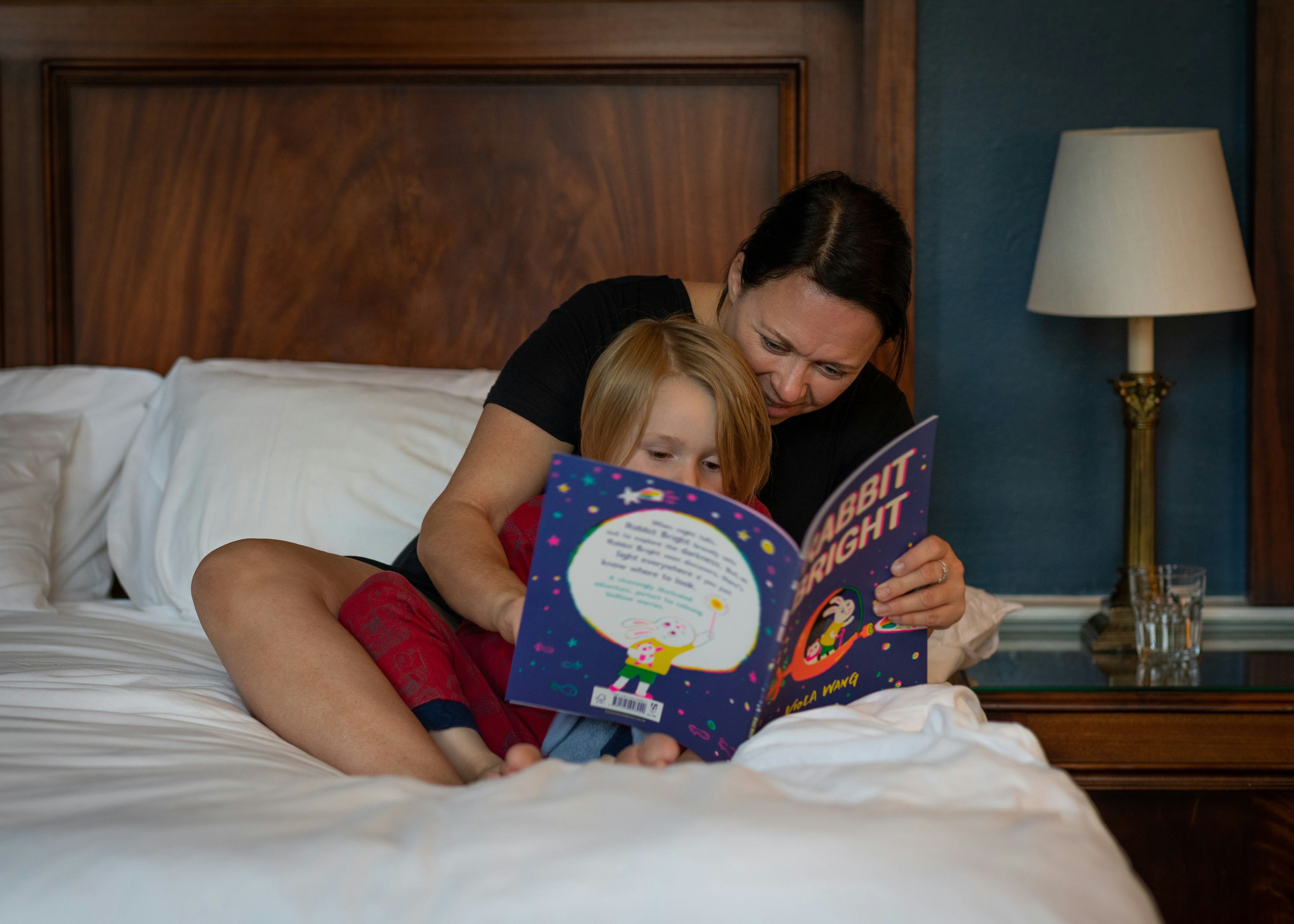
Using a story as a routine anchor can be low-effort and high-impact. The narrative gives you a framework to scaffold other strategies without feeling preachy. You can read it every night to build expectation and comfort.
Reading it aloud: what to emphasize
Read in a calm, even rhythm. Emphasize the parts where Pete feels something scary and then copes. Your intonation is part of the lesson: calm tone, consistent cadence. Keep stage directions simple and predictable so your child anticipates the next line.
Making it interactive but not energizing
Ask a small, closed question: “Do you want the blue blanket?” rather than “How was your day?” The goal is engagement that doesn’t restart the stopwatch on arousal. Use touch (a hand on their back) and short choices to provide agency without reigniting the party.
Building a Pete-approved bedtime routine
Consistency and predictability are key. The routine should be short, actionable, and repeatable, with just enough variety to keep it from feeling robotic. Think of it as an instrument you tune nightly.
A sample 30-minute routine (you can tweak times)
This simple table breaks down a predictable sequence you can adapt based on age and needs.
| Time Before Bed | Activity | Purpose |
|---|---|---|
| 30 minutes | Wind down activity (puzzle, calm coloring) | Lower activity level; shift to quiet play |
| 20 minutes | Bath or quiet wash-up | Physical routine cues body for sleep |
| 15 minutes | Pajamas and bathroom | Final physical comfort check |
| 10 minutes | Story time (Pete the Cat) | Emotional reassurance; bonding |
| 5 minutes | Lull/brief chat and lights out | Final transitions: hug, breathe, goodnight |
How to signal “we’re doing this same thing”
You must be the boring adult in the room for the greater good. Use a short phrase or a song as the routine’s signature. Over time, hearing that cue will prompt your child’s body and brain to prepare for sleep.
Practical strategies that pair well with the book
There are evidence-based strategies that you can easily combine with a comforting story. Use these tools flexibly; no single method is universal.
Bedtime fading and gradual adjustments
If you’re fighting bedtime nightly, shift it in 10–15 minute increments rather than trying to move a mountain. This aligns the child’s natural rhythms with the schedule without creating immediate rebellion. It’s like letting the tide come in gradually instead of building a dam.
Transitional objects and security items
If a blanket or stuffed animal helps, make it part of the story: “Pete’s blanket helps him feel brave.” That links the object to emotional regulation, so your child sees it as a coping tool rather than a substitute for attention.
Controlled choices to provide agency
Offer two acceptable options: “Do you want the blue or green pajamas tonight?” These little wins help your child feel in control without giving them the ability to veto bedtime entirely.
This image is property of images.unsplash.com.
Troubleshooting common bedtime problems
No routine is bulletproof. Problems will arise: stalling, fear, repeated requests, or early waking. These are solvable with consistent, kind responses.
| Problem | Quick fix | Why it works |
|---|---|---|
| Stalling (requests for water, extra stories) | Offer a single, firm choice: “One small sip or one extra minute.” | Limits opportunities to prolong while offering control |
| Night fears | Acknowledge feelings, use a short calming ritual (Pete’s brave breath) | Validates emotion and provides technique to calm body |
| Getting out of bed | Return to bed with minimal interaction — a short “Back to bed,” and tuck | Removes reward for behavior; keeps drama low |
| Early waking | Adjust bedtime slightly later or increase morning light exposure | Resets circadian rhythm without blaming the kid |
Keep a low-drama response repertoire
Your energy is contagious. If you respond with breathless panic, your child’s system will mirror that. Keep responses brief, firm, and calm. Think of yourself as a soothing metronome, not a circus performer.
Handling nightmares and night terrors
Nightmares and night terrors are different things, but both can wreck a week. You can help without creating a monster of bedtime.
Nightmares: comforting and reframing
When your child wakes upset, validate feelings and offer a quick, simple solution: a hug, a nightlight, or a calming explanation. You can introduce a short “reset story” where Pete uses his bravery to banish the bad dream. That gives your child both an explanation and a tool.
Night terrors: physiological intervention
Night terrors often don’t respond to comfort because the child is semi-awake and not fully conscious. Keep them safe, don’t force them awake, and consult a pediatrician if they’re frequent. Your role is to minimize injury and maintain calm.
Screen time and blue light: practical boundaries
Screens before bed are a problem because light interferes with melatonin and screens stimulate the brain. For better sleep, limit screens at least 30–60 minutes before lights-out and use calm alternatives.
Alternatives to screens for wind-down
You can offer audiobooks, soft music, or the Pete story itself as a calming pre-sleep activity. These give narrative comfort without activating the visual system.
Adapting the approach for special needs
If your child has sensory sensitivities, autism, or ADHD, you should adapt the routine. Sensory-friendly approaches and predictable scaffolding become even more important.
Sensory preferences and bedtime
Some kids need extra pressure, dimmer lights, or certain textures. Match the environment to their needs. If tactile sensitivity is high, choose pajamas that feel pleasant or allow a preferred layering system.
Behavioral strategies for neurodiverse kids
Use visual schedules, timers, and social stories that mirror Pete’s routine to provide structure. Visual prompts reduce verbal negotiation and offer clarity.
Activities inspired by the book
Besides reading, you can create low-energy activities that reinforce the book’s message without revving the engine.
| Activity | Age Range | How it helps |
|---|---|---|
| Pete’s calm breathing | 2+ | Teaches a physical way to calm the nervous system |
| Blanket fort for “quiet corner” | 3–7 | Gives a controlled, cozy retreat for reading |
| Sound identification game | 2–6 | Focuses attention on the present, not anxious future |
| Pete’s “Brave Jar” | 4–8 | Collects small achievements; reinforces agency |
Keep activities short and predictable
Long, elaborate projects right before bed are invitations for chaos. Keep each activity brief, and end with the book so the story becomes the final cue for sleep.
Reading routines for different ages
The way you use the book should shift as your child grows. Younger kids need tactile reassurance; older kids need more conversational validation.
Toddlers (1–3 years)
You’ll use repetition, simple phrases, and lots of soothing touch. Keep the story short and very predictable. Make Pete a soft, friendly figure in your child’s mind.
Preschoolers (3–5 years)
You can elaborate a little, ask one or two closed questions, and introduce small choices. They enjoy the narrative structure and the social element of reading together.
Early school-age (6–8 years)
This is the right time to talk about coping strategies more explicitly. You can talk about breathing, small rituals, and creating a bedtime script that the child owns.
How to keep yourself sane while doing this
You deserve kindness too. Bedtime routines can feel like a trap when you’re exhausted, so protect your energy and keep expectations realistic. Consistency beats perfection.
Small self-care strategies for the adult
Prep in the day: set out pajamas, choose the book, dim lights early. Have a short mantra or two: “This will pass” and “You’ve done this before” work fine. If you can carve out even ten minutes after the child sleeps to do something for yourself, it accumulates.
When to ask for professional help
If bedtime problems are severe, persistent, or harming daytime function, consult a pediatrician or sleep specialist. You should also seek help if there’s any suspicion of a medical issue or severe anxiety.
Signs to consult a pro
Regular night terrors, extreme resistance that doesn’t respond to routine changes, or early morning waking that impairs daytime functioning are signs you should ask for help. A specialist can rule out medical causes and offer a tailored plan.
Frequently asked questions
Here are short answers to common concerns you’ll encounter as you use the book and build routines.
How long should a bedtime routine be?
A 20–30 minute routine is usually sufficient. Keep it consistent so your child knows what to expect and their body can sync to the pattern.
What if my child refuses the book?
Allow a different but consistent story that leads to the same outcome. The goal is ritual, not the specific title.
Can I use the book as a bargaining chip?
Don’t make it a reward for compliance; it should be a predictable safety anchor. Bargaining can make bedtime inconsistent and harder to enforce.
What if bedtime gets worse before it gets better?
Behavioral change often gets worse before it gets better, because you’re breaking an old pattern. Stay calm and consistent; that’s how it stabilizes.
Is it okay to nap during the day?
For very young children, naps are crucial. For older kids, long late-afternoon naps can sabotage bedtime. Keep naps earlier and shorter if evening resistance is an issue.
Should I give a nightlight?
If your child is afraid of the dark, a dim nightlight helps. Choose one that’s warm, not blue-tinted, and place it low to reduce exposure to stimulating light.
Final thoughts (short and kind)
You don’t have to be perfect. Bedtime is a long series of small, boring actions that, repeated, become safe spaces for your child. Pete the Cat gives you a script and a tone: calm, inviting, and a little playful. Use the story to build predictability, validate feelings, and teach coping skills. If you keep showing up steady and small, bedtime will become less of a daily battle and more of a consistent, gentle rhythm — which will feel like a small miracle on the days you survive.
If you’d like, you can get a printable bedtime checklist, a routine poster, or a short script inspired by Pete’s phrases to use nightly. Those small props make the pattern obvious and give you permission to be the mildly boring, unflappable adult who ultimately gets everyone to sleep.
Get more creative knowledge build books and resources for happy minds at:
https://booksforminds.com/