Bedtime Stories for Kids Without Scary Parts – Peaceful Stories Only
Bedtime Stories for Kids Without Scary Parts. This article addresses how peaceful bedtime stories can create a comforting nightly routine that supports rest, emotional safety, and connection. It offers guidance on selecting calming tales, tips for reading with intention, suggestions for a soothing environment, and a collection of original gentle stories suitable for a wide range of ages.
Why peaceful bedtime stories matter
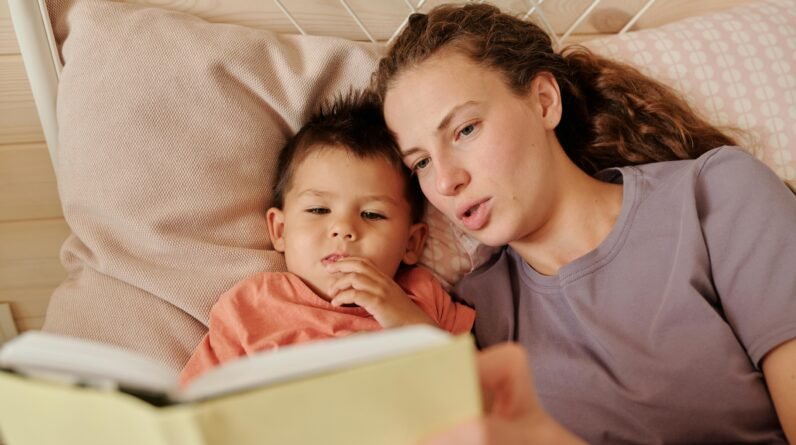
Peaceful bedtime stories help the child transition from the activity of the day to a state of calm suitable for sleep. They reduce the likelihood of anxiety and nightmares by focusing on safety, kindness, and gentle imagery rather than suspense or threat.
Benefits of calm bedtime reading
A few minutes of quiet storytelling gives several benefits:
- Emotional regulation: Stories with soft rhythms and reassuring outcomes help the child settle emotionally.
- Sleep readiness: Lowered physiological arousal supports faster, deeper sleep.
- Connection: Shared reading builds trust and a sense of belonging between the child and the reader.
- Language and imagination: Calm narratives still support vocabulary growth and creative thinking without overstimulation.
How to choose age-appropriate peaceful stories
Selecting the right story reduces restlessness and keeps the mood serene. The table below helps caregivers choose themes and lengths that fit different developmental stages.
| Age range | Recommended story length | Themes and tone | Example story elements |
|---|---|---|---|
| 0–2 years | 1–3 minutes | Rhythmic, predictable, sensory | Gentle repetition, animal sounds, soft textures |
| 3–5 years | 3–6 minutes | Comfort, routine, friendship | Short adventures with happy endings, predictable cadence |
| 6–8 years | 6–10 minutes | Calm curiosity, problem-solving without tension | Simple mysteries solved gently, nature exploration |
| 9–12 years | 10–15 minutes | Quiet wonder, character reflection | Short reflective tales, small acts of kindness, nature-based stories |
Themes that stay peaceful
Calming themes tend to emphasize:
- Friendship and helpfulness
- Nature and seasons
- Cozy home routines
- Imagination without danger (e.g., floating cities that are safe)
- Gentle humor and playful silliness
Reading techniques that promote calm
The way a story is read matters as much as the content. These techniques help establish a quiet, reassuring atmosphere:
- Slow pacing: Pause long enough for the child to imagine each scene.
- Soft volume: Keep the voice low and steady to cue restfulness.
- Warm tone: Use a gentle, affectionate inflection to convey safety.
- Minimal dramatization: Avoid sudden changes in pitch or loud effects.
- Predictable rhythm: Repetition and gentle rhymes support engagement without excitement.
Creating a calming bedtime environment
A consistent environment reinforces the story’s soothing effect. Small adjustments can have a big impact.
| Element | Calm setup |
|---|---|
| Lighting | Soft, warm nightlight or dim lamp |
| Sound | Low white noise or soft instrumental music |
| Temperature | Slightly cool room, comfortable bedding |
| Scent | Mild lavender or unscented to avoid irritation |
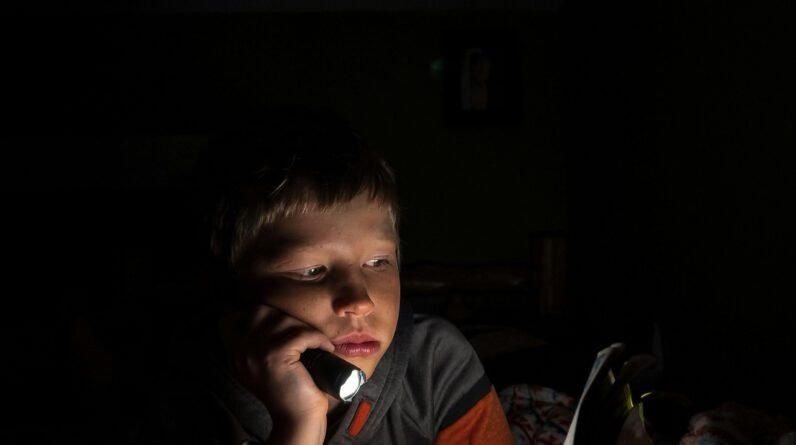
| Electronics | Devices off at least 30 minutes before sleep |
Transition routines to encourage sleep
A predictable sequence of events helps the child know that nighttime is for rest. A sample routine might be:
- Quiet play or calm activity 20–30 minutes before bed.
- Bath or teeth-brushing routine.
- One or two peaceful stories.
- A short breathing exercise or soft lullaby.
- Gentle tuck-in and a final whisper of affirmation.
Handling common bedtime concerns without scary parts
Caregivers sometimes encounter bedtime resistance, worries, or curiosity that could be addressed without introducing fear. Here are gentle approaches:
- If the child worries about darkness, introduce a “little night light friend” motif in stories instead of discussing dangers.
- If separation anxiety appears, use stories where characters say goodnight and look forward to tomorrow.
- If restlessness is present, suggest adding a brief guided breathing exercise at the end of the story.
Tips for selecting commercial books
When choosing published titles, caregivers can look for:
- Positive reviews specifically mentioning calmness or suitability for bedtime.
- Books with soft illustrations and warm color palettes.
- Tales that avoid conflict as the main driver of the plot.
Sample peaceful bedtime stories
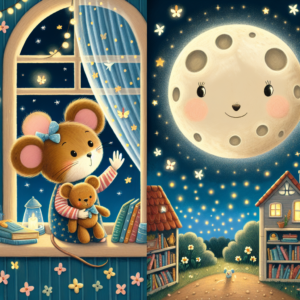
The following original stories are crafted to be free of scary parts. Each is written in third person and designed to be read in roughly the times suggested in the age table. Caregivers may shorten or lengthen them to match the child’s reaction.
The Little Cloud That Carried Hopes
A small cloud floated above a friendly town, gathering soft wishes that people whispered into the sky. By day the cloud drifted lazily, listening to children’s giggles and the hum of afternoon bees. At twilight it would hold the whispered hopes like tiny lanterns on its belly. When the moon rose, the cloud gently scattered the lanterns so everyone below woke with a small, warm idea for the next day. The children often dreamed of bright kites and pancake breakfasts. The cloud felt proud of its quiet work and cozied up among other clouds, thinking of tomorrow’s tiny hopes.
Moonlight Garden
There was a garden that only showed its secret flowers under moonlight. A curious child named Sam visited each night and found petals that shimmered like silver coins and leaves that chimed when the wind brushed them. Sam learned the flowers liked being admired but also loved silence. Quietly, Sam would sit on an old stone and hum a low tune. The flowers leaned closer to listen, and the garden smelled of mint and warm earth. One night, a small firefly joined Sam, and they watched the moontrails fade until a soft yawn told Sam it was time to go home, carrying the calm of the garden back to bed.
A friendly bear lived in a cozy cabin at the edge of a sleepy forest. Every evening, forest friends gathered on his porch for storytime. A deer shared tales of river rocks that shone like mirrors, a rabbit described carrot cakes that tasted like sunshine, and the bear would nod and add a gentle chuckle. After the stories, the bear offered warm cocoa and a blanket for anyone who wanted to rest a little before heading home. The animals left feeling full of warmth and contentment, and the bear would close his eyes, smiling at the soft night noises.
The Pebble’s Journey to the Pond
On a quiet hill, a pebble dreamed of making ripples. It waited patiently until a gentle rain washed it along a small stream. The pebble met tall reeds and friendly frogs who showed the best angles for skipping. When the pebble finally rested at the pond’s edge, a child gave it a tiny wave and watched as the pebble made a round ripple that echoed across the water. The pebble felt happy to have been part of something so wide and calm, resting in the soft mud as the moon rose.
The Little Library on Maple Street
A tiny library sat on Maple Street, its windows foggy and warm. Each night, a kind librarian would tuck characters into quiet corners. The books themselves hummed a lullaby, gently arranging their pages so a new reader could always find a friendly face. Children who borrowed a book felt the library’s hush wrap around them like a blanket. Even the street cat would curl on the step and dream of sentences that tasted like honey. As dawn approached, the librarian turned the sign to “Closed” with a smile, knowing stories were waiting for tomorrow.
The Floating Teacup
A teacup with a small chip on its rim loved to float across puddles on rainy days. It never sank because it carried a polite tiny raincoat in its handle. On an especially calm afternoon, the cup collected raindrops that had tastes of lemon and quiet afternoons, and each drop told a short, content story. The cup ferried them toward a window sill where an elderly woman and a child shared them like small secrets. Both laughed softly, and the cup felt useful for bringing those peaceful moments together.
The Clock That Counted Gentle Things
An old clock on a kitchen wall didn’t count minutes so much as gentle things: the number of hugs in a morning, the soft snores at nap time, the tiny dances under rain. Each tick was a nod to small comforts, and the clock glowed a faint gold when someone was kind. One evening, the clock’s hands slowed as the household settled. The clock felt honored to mark the quiet, and its soft ticks matched the steady breathing of those sleeping nearby.
The Kite That Returned to the Roof
A bright kite loved to visit rooftops and watch the town sleep from above. One blustery afternoon it was lent to a child who laughed as it touched the clouds. As evening came, the kite remembered its favorite rooftop perch and fluttered back. The child left a small blanket and a paper star on the roof so the kite would always have a cozy place. The kite rested under the paper star and dreamed of wind songs until morning, when it would rise again with nothing at all to worry about.
Short calming rhymes and lullabies
Simple rhymes can be spoken or sung softly at the end of a story to signal that sleep is near. These examples are brief enough to be repeated and soothing.
- Star light, soft bright, the day slips into night.Little breaths, gentle dreams, all is calm and kind.
- Softly now, close the day, drift on clouds and float away.Hush of leaves, hum of moon, wake with a friendly tune.
Quick guided breathing exercises for kids
A two- to three-minute breathing routine can follow a story. Keep instructions simple and visual:
- Balloon Breath: Inhale slowly through the nose and imagine filling a pretend balloon in the belly; exhale through the mouth, watching the balloon slowly shrink. Repeat 5–6 times.
- Flower Breath: Pretend to smell a flower (inhale for 3 counts) and then blow on the petals to make them dance (exhale for 4 counts). Repeat 4–6 times.
Activities to pair with calm stories
Quiet activities can extend the calming effect of a story without ramping up energy:
- Soft drawing: A child can color a calm scene from the story using muted colors.
- Gratitude whisper: Each person names one small thing they appreciated that day, spoken in a whisper.
- Gentle stretch: Simple reaches and ankle rolls to ease muscles before sleep.
Using props without adding stimulation
Some props enhance the experience while staying peaceful:
- A soft stuffed animal or a small blanket with a familiar scent.
- A tiny felt puppet that only makes soft, short appearances.
- A handcrafted “goodnight lantern” with a battery tealight to symbolize safety.
Troubleshooting restless nights
If a child resists bedtime or wakes often, small adjustments can help without introducing fear:
- Shorten the stimulating parts of the day earlier, such as screen time and active play.
- Keep a consistent schedule even on weekends to stabilize sleep cycles.
- Offer short, calm rereads of a favorite peaceful story rather than trying new ones every night.
Recommended reading list ideas (non-scary)
These suggestions focus on gentle moods and comforting images. They are meant as inspiration rather than strict endorsements.
- Books that center on daily routines, friendships, and comforting rituals.
- Picture books with soft color palettes and simple, reassuring text.
- Short chapter books with light humor, cozy settings, and minimal conflict.
When a child prefers the same story every night
Repetition often reassures a child. If the same story is requested nightly, caregivers can:
- Slightly vary phrasing after several repetitions, keeping the structure familiar.
- Use the same story as a base for short, calming additions such as a breathing break or a quiet question about a favorite character.
- Recognize that routine provides comfort; repetition can be a healthy part of sleep hygiene.
Encouraging older children toward peaceful stories
For older children who crave a little more complexity without fear, caregivers can choose stories that emphasize reflection and small acts of kindness. Character-driven tales about friendships, personal projects, or quiet mysteries that end in solutions (not threats) often satisfy curiosity while remaining calming.
Creating original peaceful stories together
Collaborative storytelling can be a soothing bedtime ritual. A simple method:
- Start with a calm setting (a garden, a lake at dusk).
- Each person names one gentle detail (a red leaf, a humming insect).
- Build a short narrative with one tiny goal (finding a lost mitten, making tea for a friend).
- End with a warm resolution and a restful image (a blanket, a soft star).
Safety and accessibility considerations
A peaceful bedtime routine should be inclusive. Consider:
- Adjusting story length and language for children with attention or sensory needs.
- Using tactile props for children who benefit from touch-based calming.
- Choosing stories that reflect diverse cultures and family structures, fostering belonging.
A quick reference table: calming routine checklist
| Step | Action | Time |
|---|---|---|
| Wind-down activity | Quiet play, bath, or puzzles | 20–30 min |
| Hygiene | Teeth brushing, pajamas | 5–10 min |
| Storytime | One or two peaceful stories | 5–15 min |
| Relaxation | Breathing exercise or lullaby | 2–5 min |
| Tuck-in | Gentle words, comfort object | 1–3 min |
Final thoughts
Peaceful bedtime stories offer more than entertainment; they create a predictable, gentle bridge between wakefulness and sleep. By choosing calm themes, reading with a warm tone, and pairing stories with a soothing environment, caregivers can help the child develop a bedtime routine that feels safe and restorative. A nightly story becomes a quiet gift: moments of closeness, softness, and rest that linger into dreams and set the stage for a brighter morning.