Bedtime Stories for Little Dreamers
Bedtime stories for little dreamers. We are about to talk about a tiny, glorious solution for bedtime chaos: Sleep Stories: Bedtime Stories For Little Dreamers, a children’s bedtime story podcast that behaves like a soft blanket and a reasonable bribe rolled into one. We will give you the lowdown on what it is, how it works, why it helps, and how to use it without turning your living room into a late-night puppet show.
What the show actually is
The show is a series of short, calming episodes created to soothe young listeners into sleep by guiding their imaginations gently away from the day’s dramas. Each episode runs about 4–7 minutes, which is long enough to settle a child and short enough to keep grown-ups from needing a nap afterward.
Who made it and who’s behind the mic
Katy Chisenga-Phillipps is the host and creative force behind the podcast, and the show is hosted on Acast for distribution. We can say with confidence that the voice is soothing, friendly, and on-task—which is to lull, not lecture.
Who this is for – Bedtime Stories for Little Dreamers
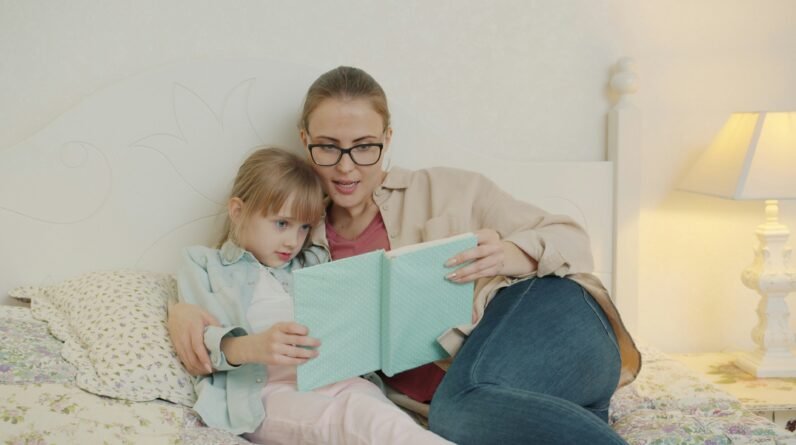
The intended audience is young children, roughly ages 3–8, affectionately termed “little dreamers” by the show. We think these episodes are perfect for children who like gentle stories, repeated comforts, and brief imaginative journeys before lights-out.
Where to find it
The show is available through Acast, Spotify/Podcasters, and Anchor RSS feeds, which means we can listen via most podcast apps and platforms. If we are picky about our podcast apps, the Anchor or Spotify feeds will probably feel most familiar, and Acast hosts the content—see acast.com/privacy for privacy details.
Episode style and format
We appreciate a format that respects sleep windows and attention spans, and this podcast does that by being concise and soothing. The narration style is quiet and deliberate, with simple plots and gentle soundscapes that nudge imagination instead of slamming open its doors.
Have we ever tried to hush a hurricane of tiny opinions, glitter, and unfinished questions into actual sleep and failed spectacularly?
Typical episode length and pacing
Episodes are generally between roughly 4 and 7 minutes, a sweet spot that keeps things short, calm, and low-risk for late-night hyperactivity. The pacing is slow and rhythmic, which helps regulate breathing and attention as the story winds toward a restful conclusion.
Narrative voice and sound design
The narration is soft, slightly wry at times, and consistently reassuring; music and light sound effects are used sparingly so that those easily distracted by noise aren’t pulled awake. We find that minimal soundscaping plus a warm delivery produces the optimal lullaby-for-the-brain effect.
We will summarize several episodes so we know what our children are getting into—no surprise T. rex-induced adrenaline spikes at 8:50 p.m. These stories are themed around friendship, nature, family, wonder, and small, manageable adventures that end with rest.
Episodes summarized
Below is a table to map out episode titles, run times, and core themes so we can pick the right one for the mood—gentle adventure, tender birthday feels, or prehistoric calm.
Episode Title | Approx. Length | Core Themes |
|---|---|---|
The Magic Garden | 6:36 | Talking flowers, friendship with nature, wonder |
Georgiana’s Birthday Surprise | 5:58 | Celebration, kindness, heartwarming family moments |
Forever Friends: Jack and Katy’s Magical Adventure | 5:33 | Friendship, imagination, cooperative play |
Dinosaur Dreams: Max’s Magnificent Prehistoric Adventure | 5:57 | Dinosaurs, gentle thrills, bravery |
The Magical Quest for the Rainbow Crystal | 4:50 | Animal communication, colorful quest, teamwork |
Aisha’s Adventure in the Heart of London | 5:59 | Family, city exploration, diversity and belonging |
Sunshine Dreams: A Summer Holiday Adventure | ~6:15 | Summer vacation, relaxation, small joys |
How the themes support sleep
Each theme is intentionally non-threatening and focused on small wins or warm feelings, which helps lower emotional arousal before bed. When we pick an episode that matches our child’s emotional state—calm, excited, or borderline theatrical—we can use the story to redirect their energy into rest.

Why short sleep stories work for little dreamers
We are not claiming this is magic, but short narratives work because they are predictable, they occupy the mind just enough to shut off rumination, and they don’t demand cognitive heavy-lifting. Bedtime isn’t a time for plot twists that require note-taking; it’s a time for gentle closure.
Attention span realities
Children aged 3–8 have attention spans that are gloriously limited and sometimes heroic in their inconsistency; short episodes respect that. If we overplay the narrative length, we risk a second wind, a Real Conversation, and a 20-minute monologue about socks.
Emotional regulation and routine
Listening to a familiar voice and format signals to the nervous system that it’s safe to relax; repetition helps build that ritual. When we pair an episode with a bedtime routine, the brain starts to anticipate sleep and conforms to the pattern more readily.
Strategies for easily distracted bedtime brains
We have all met the child who can find a reason to be awake in a blank wall. Here are practical, slightly bossy strategies that work for kids who are easily distracted.
Setting the scene
Dim the lights, remove overstimulating toys, and give our little dreamers a tactile object—like a stuffed animal or a soft blanket—that stays in bed. We should keep lighting warm and low and stash screens at least 30 minutes before the podcast starts to reduce blue light drama.
Create a listening ritual
Start each episode the same way: a little hush, the lights down, and a cue phrase like “time for our sleep story.” Rituals are boring and brilliant; the brain loves repetition. If we add a consistent scent (lavender, if our child tolerates it), the association strengthens.
Use choice to reduce resistance
Offer two episodes and let the child choose; the act of choosing reduces protests because it satisfies the toddler’s tiny sovereign state. We can offer both options and make it a ritual of choice so bedtime feels cooperative rather than combative.
Keep a silent timer and offline copies
Download episodes ahead of time so the show won’t buffer and cause a techno-tantrum. Use a sleep timer so the podcast stops once the story ends—no cliffhanger playlists that keep the house alive until midnight.
How to incorporate the podcast into a bedtime routine
We want the podcast to be one cog in a calm machine, not a chaotic ignition switch. Here is a suggested step-by-step routine that we can adapt to our household rhythms.
Sample 20–30 minute routine
Bath or quiet wind-down (5–10 minutes). Let the child pick pajamas; autonomy wins.
Teeth brushed and toilet visited (5 minutes). This is where microscopic power struggles happen; be firm.
Lights dimmed, cuddles optional, the child selects a sleep story (1–2 minutes). Give them two choices to avoid negotiation marathons.
Play the episode and encourage slow breathing with each storytelling beat (4–7 minutes). We can model breath patterns—long in, longer out—and breathe with them.
After the episode ends, keep movement minimal—soft whispers, a back rub, or silence. If needed, play a short white noise track to maintain the calm.
Adjusting for younger or older kids
Younger children may need touch or more time to settle, while older kids might enjoy a slightly longer wind-down or the chance to rate the story. We should be flexible and reduce parental guilt as necessary; sleep is non-negotiable.

Techniques for kids who won’t stay in bed
We acknowledge that some kids think of bedtime as a contest. Here are targeted methods to handle midnight ambulation without escalating into a courtroom drama.
The “two-return rule”
Allow two gentle returns to bed, then a non-emotional, consistent consequence (like returning them to bed ourselves without conversation). We should stay neutral and boring; kids who crave attention will pick up on it like bloodhounds.
The “bedtime map” trick
Create a visual map of the bedroom routine with icons: pajamas, teeth, story, sleep. When the child breaks the rules, point to the map and remind them of the steps. We should present it as a team strategy, not punishment.
Use positive reinforcement
Offer small, predictable rewards for staying in bed, like a sticker chart that leads to a simple treat. The goal is consistency; incentives only work if we follow through without wavering.
How to pick the right episode for mood and temperament
We will pair story themes with the child’s emotional state so the narrative helps carry them toward sleep rather than propelling them away.
Mood-to-episode mapping
Overexcited about tomorrow? Choose a calming nature story like The Magic Garden.
Feeling socially needy or nervous? Choose Georgiana’s Birthday Surprise or Aisha’s Adventure for comfort and connection.
Loves action and needs a safe outlet? Choose Dinosaur Dreams or Forever Friends: Jack and Katy’s Magical Adventure.
Craves color and wonder? Choose The Magical Quest for the Rainbow Crystal.
Practical playlist suggestions
We can set up a short playlist of 3 episodes in order: calming, neutral, and tiny adventure—then let the child choose which of the three they want. This keeps choice intact but the outcome predictable.
Printable extras and newsletter
The show offers extras to stretch the bedtime magic into quiet activities the child can use during the day. These extras include printable coloring pages and a newsletter to keep us in the loop.
What the extras are and how to use them
The new website and newsletter offer three free printable coloring pages that reflect story characters and scenes; these are great for quiet pre-bed coloring or post-story calm. We can print them in bulk and use them as a wind-down activity that transitions into the podcast.
Why we like printable extras
Coloring is a sedentary, mindful activity that primes the brain for sleep without needing to be screen-based. When we make these printables part of the routine, the child learns that coloring leads to quieter play and ultimately bedtime.

This image is property of images.unsplash.com.
Safety, privacy, and hosting details
We take privacy seriously because digital things are not inherently wholesome just because they have lullaby voices. The podcast is hosted by Acast, which has a privacy policy we can read online.
Where to find privacy info
Acast hosts the show and provides privacy details at acast.com/privacy. We should review that policy if we have questions about data handling or if we are especially cautious about family digital footprints.
What parents should know about ads and in-episode content
Some podcast feeds can include short host-read ads or platform ads; our experience is that this show focuses on minimal interruption, but availability and ad insertion depend on the platform. We should check the specific feed (Spotify, Anchor, Acast) for ad settings or premium options.
Representation, diversity, and gentle lessons
We appreciate stories that reflect the world, not a single cartoon bubble version of it, and this podcast includes episodes that celebrate family, city life, and different cultures.
Episodes that highlight diversity and family
Aisha’s Adventure in the Heart of London prominently features family and city exploration and shows readers that belonging comes in many forms. We value these portrayals because kids internalize inclusion most naturally through stories and characters that feel like people they know.
Stories focus on kindness, friendship, curiosity, and bravery in small doses rather than scary tension. If our child is sensitive to certain themes (like dinosaurs), we can preview the episode by title and choose something gentler if needed.
Accessibility and practical listening tips
We want bedtime help to be easy, not an additional chore. Here are a few practical tips to ensure listening is low-friction.
Offline listening and app choices
Download episodes when on Wi‑Fi to avoid buffer surprises. Many podcast apps allow downloads—Anchor and Spotify do; Acast often points listeners to where the content is available.
Using speakers vs. headphones
Use a small Bluetooth speaker or the device’s speaker at low volume placed near the bed; headphones are generally not recommended for small children overnight. We should set a maximum volume and use a sleep timer to avoid continuous playback.
Setting a sleep timer
A sleep timer will prevent the podcast from looping unexpectedly and waking everyone up in the middle of an excellent nap attempt. We can set timers through many podcast apps or external device timers.
FAQs parents actually ask (and our blunt, useful answers)
We will answer common questions with directness and compassion because bedtime demands efficiency and a little bit of humor.
Q: Will this podcast make my child sleep through the night?
A: Probably not by itself. The podcast helps with settling and establishing a predictable routine, which contributes to better sleep overall, but it’s not a miracle cure for night wakings or developmental sleep needs.
Q: Are the stories safe for younger siblings (toddlers)?
A: Yes, stories are gentle and age-appropriate for ages 3–8. For toddlers under three, we should supervise and pick the very calmest episodes, monitoring for fear responses.
Q: Is there any advertising or in-episode promotion we should be aware of?
A: Platform-dependent. The show is hosted on Acast, and some platforms insert ads. If we are sensitive to ads, we can check the platform feed or opt for downloaded episodes if an ad-free option exists.
Q: Can we request a custom story or suggest themes?
A: Many small podcasts accept listener feedback through their website or newsletter—link and submission methods are often listed on the show page. We should be pleasantly persistent but not needy; creators have limited time.
Troubleshooting common problems
We will walk through predictable glitches and the blunt fixes that actually work.
Buffering or playback errors
If the story buffers, pause the app, go to settings and download the episode on Wi‑Fi, then play offline. We should also clear the app cache if the device is cranky.
Child refuses to lie down during the story
Try the “two-return rule” plus the bedtime map. Offer cuddles before the story and give the child a small “sleep responsibility”—an in-bed flashlight or a favorite soft toy.
The child wants the story on repeat
Set a strict limit—one or two plays per night—and be firm but kind. We can promise a replay tomorrow to avoid a meltdown tonight.
How parents can use the show beyond bedtime
We like stories for more than sleep; they can be tools for calming during transitions, travel, or quiet daytime moments. We will repurpose episodes for quiet play or nap time when needed.
Quiet car rides and airplane naps
Download episodes for travel so we can coax a travel nap without screen time. The gentle pacing is often enough to facilitate a nap after an extended outing.
Calm-down periods after daycare or social events
If the child comes home overstimulated, start a ritual with one of the more soothing episodes to decompress before dinner. Doing so gives everyone a moment to recalibrate.
Keeping the ritual fresh without losing routine
We want to avoid ritual fatigue—where repetition becomes irritation—while still leveraging routine benefits. Here are small ways to keep things fresh.
Rotate themes weekly
Use a simple rotation: nature week, friendship week, adventure week. We maintain a predictable arc while changing textures just enough to keep things interesting.
Introduce a “story scarf” or “story hat”
A silly prop that gets new meaning when the podcast starts can make the ritual feel special without changing the structure. We will remind children that the prop is part of the bedtime team.
Final thoughts: Why we keep returning to short sleep stories
We like tools that help us be less frantic parents and more relaxed managers of bedtime. This podcast offers a compact, well-produced way to signal sleep, engage imagination, and reduce the nightly circus without heavy-handedness.
Closing note on consistency and patience
Consistency wins quietly over coercion—over time, the routine becomes the thing that quietly lowers the house’s volume. We will expect imperfect nights and celebrate the many good ones.
Where to get started now
Find Sleep Stories: Bedtime Stories For Little Dreamers on Acast, Spotify/Podcasters, or via the Anchor RSS feed. We should download a few episodes, print the three free coloring pages from the show’s site, and try a week of ritual to see if the bedtime mood shifts in our favor.
We are not promising miracles, but we will say this: if we pair the right episode with low lights, a soft blanket, and a boring but cheerful parental demeanor, there is a very good chance the small wild creature we co-parent will tip toward sleep like a well-trained, tiny sloth. And if that happens, we will collectively feel like winners.