



2 Minute Short Stories: 20 Quick Tales for Kids, Bedtime, and Class Time
2 minute short stories are one of the most useful tools a parent, teacher, librarian, or caregiver can keep close at hand. They fit real life. They work when a child wants one last story before bed, when a teacher needs a calm transition after recess, when a family is waiting in the car, or when there are only a few minutes left before lights out. In a world full of short attention spans and busy routines, quick stories offer something wonderfully practical: a complete beginning, middle, and end in almost no time at all.
What makes these tiny stories so effective is not just their length. It is their flexibility. A micro-story can calm, entertain, reassure, teach, or inspire with just a few carefully chosen details. When written well, a 2-minute tale feels satisfying rather than rushed. It gives children a whole emotional journey without asking for a long block of time, and it gives adults a storytelling option that is easy to repeat consistently.
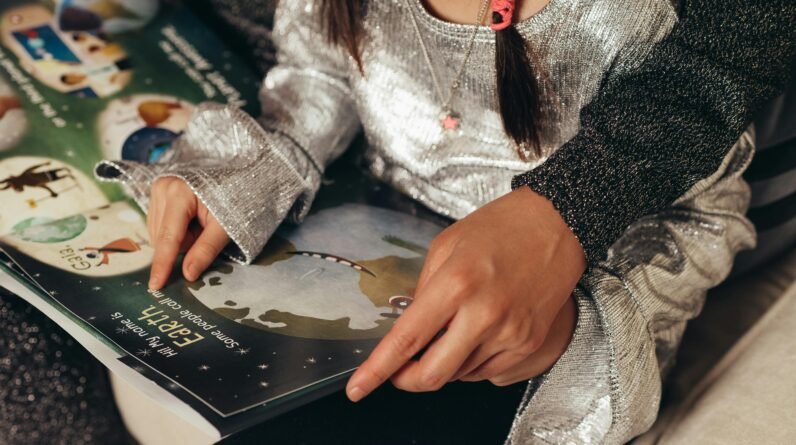
If you want more age-based collections beyond micro-stories, explore short stories for kids by age to build a broader read-aloud routine.

This image is property of images.pexels.com.
Why Choose 2 Minute Short Stories?
The biggest advantage of short stories is simple: they fit into real routines. A full chapter book can be wonderful, but not every moment allows for fifteen or twenty uninterrupted minutes. A 2-minute story is compact enough for bedtime, circle time, quiet time, waiting-room time, transition time, or that final “just one more” moment that somehow appears every evening.
They also work well because children often respond beautifully to concise storytelling. A single clear character, one small problem, one meaningful action, and one comforting payoff can be enough to hold attention and create emotional connection. The story feels complete, but it never becomes too heavy or too long.
Benefits for Kids
For children, short stories support listening stamina, vocabulary growth, sequencing, imagination, and emotional understanding. Because the stories are brief, children can hear them more often, remember them more easily, and even retell them themselves. That repetition can be especially helpful for early language and literacy development.
Benefits for Adults
For adults, the benefit is usability. A short story is easier to memorize, easier to adapt, easier to read aloud, and easier to fit into a routine consistently. That makes storytelling more likely to happen, and frequency often matters more than perfection.
How to Write a 2 Minute Short Story
Writing a micro-story is not about squeezing a longer tale into a smaller space. It is about choosing the right moment. A strong 2-minute story focuses on one idea, one emotional beat, and one clear change.
1. Pick One Small Moment
The easiest way to write a short story is to begin with one tiny event rather than a giant plot. A lost mitten. A shy star. A bicycle that would not listen. A sleepy fox who forgot where it buried its blanket. Small moments are easier to shape into satisfying quick reads.
2. Create One Clear Character
Micro-stories do not need large casts. One main character with one visible trait is usually enough. Curious. Kind. Shy. Brave. Grumpy. Hopeful. That single trait gives the story emotional clarity and helps children understand the character quickly.
3. Use a Tight Narrative Arc
A useful structure for 2 minute short stories is this:
- Setup: show the character and situation in one or two sentences.
- Complication: introduce a small problem or question.
- Resolution: let the character act, learn, or receive help.
- Payoff: end with a clear feeling, image, or tiny lesson.
That structure is simple, but it works because it feels complete. The listener gets movement, meaning, and closure in a very short span.
4. End on a Clear Feeling
The ending should usually leave the listener with one emotion: relief, comfort, pride, amusement, gratitude, or calm. A story can be tiny and still resonate if the last line lands gently and clearly.
5. Edit Ruthlessly
Good short storytelling depends on trimming anything that does not move the story forward. If a sentence adds backstory but not action, it often needs to go. If a character does not matter to the payoff, remove them. Precision makes micro-fiction feel smooth instead of cramped.
A Practical Micro-Story Structure That Works
Narrative Structure
A very reliable format for a 2-minute story looks like this:
- Line 1: character and ordinary world
- Line 2: a small complication appears
- Line 3: the character acts
- Line 4: the result reveals a feeling or subtle message
This structure works especially well for parents and teachers because it is easy to improvise. Once you know the shape, you can generate countless stories from everyday objects, bedtime routines, or playful prompts.
Pacing Tips
To keep pacing strong, use only three to five major beats. One image, one turn, one action, one end. Sensory anchors also help. A single smell, sound, or color can replace a paragraph of description. “The mittens smelled like rain.” “The cloud hummed like a kettle.” “The pebble was warm as toast.” Small details like these do a lot of work quickly.
How Morals Work Best in Tiny Stories
A 2-minute story should not feel like a lecture. The best morals come through a character choice rather than a direct statement. If a child shares, tells the truth, asks for help, or notices someone else’s feelings, the listener picks up the message naturally. Show the effect. Do not announce the lesson too loudly.
20 Ready-to-Read Quick Tale Ideas
Below is a curated idea bank of quick stories that work well for bedtime, circle time, and short read-alouds. Some are cozy, some are funny, and some are slightly more reflective, but all are designed to fit the spirit of a micro-story.
- Peter’s Pizza — A missing slice leads to a surprising act of sharing.
- Santa Claus and the Mouse — A tiny kindness changes a chilly night.
- Downward Cat — A jittery cat finds calm in one slow stretch.
- The Witch’s Wall — A curious child discovers a secret behind old bricks.
- The Man and the Serpent — Fear softens when someone chooses understanding.
- The Fox Who Was Bored — Boredom becomes creativity in the forest.
- The Lighthouse Mystery — A team solves a small problem by listening closely.
- The Little Leaf That Wouldn’t Fall — One leaf learns that letting go can be gentle.
- Magnolia Meets the Moon — A curious child asks the moon an important question.
- The Bicycle That Learned to Listen — A noisy bike discovers patience.
- Where the Buttons Go — Missing buttons form a very tidy secret club.
- Ravi’s Rainbow Sock — A lost sock leads to a new friend.
- The Garden That Said Hello — Flowers greet one shy child at a time.
- Nora and the Noisy Night — Sleep comes once sounds become stories.
- Sam’s Tiny Telescope — A child finds wonder in one small star.
- The Clock Who Took a Nap — Time pauses long enough for everyone to breathe.
- Lila’s Library of Lost Words — Missing words find their way home.
- The Pebble Under the Pillow — Truth makes a small pebble bloom.
- The Snack That Made a Friend — Sharing changes the mood of the whole room.
- The Rain That Forgot to Fall — A cloud needs help finishing its job.
Three Fully Written 2 Minute Short Stories
1) Peter’s Pizza
Peter set the last slice of pizza on the windowsill while he reached for a napkin. When he turned back, the slice was gone. A trail of sauce dots led under the chair.
Peter crouched and found a sleepy raccoon in a red bow tie, chewing very politely. The raccoon froze. Peter frowned for one second, then laughed because the bow tie made the whole situation impossible to take seriously.
“If you’re hungry,” Peter said, “you can ask.” He tore his own slice in half and slid a piece forward. The raccoon blinked, tapped its tiny paws together, and set a shiny pebble on the floor in return.
That night Peter put the pebble on the windowsill. In the moonlight it glowed just enough to remind him that sharing had made the raccoon brave enough to come closer next time.
2) Santa Claus and the Mouse
On a freezing night, a mouse found a mitten too large for her paws. She dragged it into an old shoebox and stitched the torn corner with a needle she had hidden beneath a button.
When Santa’s boot bumped the box on his way past, he looked inside and found the neatly mended mitten. He smiled, left a tiny silver bell, and tucked a note beside it: “Thank you for keeping the cold out.”
The next morning, the mouse heard a sparrow shivering on the sill. She carried the mitten all the way to the bird and tied it gently under one wing.
From then on, every time the little bell rang in the quiet house, the mouse remembered to look for one small kindness she could do before the day was done.
3) Downward Cat – Mr. Whiskers and the Slow Breath
Mr. Whiskers woke up feeling jittery. He chased a sunbeam, chased a dust speck, then chased his own tail and became even more flustered.
A wise old dog watched from the rug and said, “Try one slow breath instead.” Mr. Whiskers looked doubtful, but he sat anyway. He imagined breathing in a mouse-shaped shadow and breathing out a racing tail.
Then he stretched into a long soft bow. His paws pressed down. His back rose gently. His whiskers stopped twitching.
The jitters melted like cream into warm tea. Mr. Whiskers curled up, tucked in his paws, and decided that whenever the world moved too fast, three slow breaths and one downward-cat stretch would help it feel quiet again.

This image is property of images.pexels.com.
How to Use 2 Minute Short Stories at Bedtime
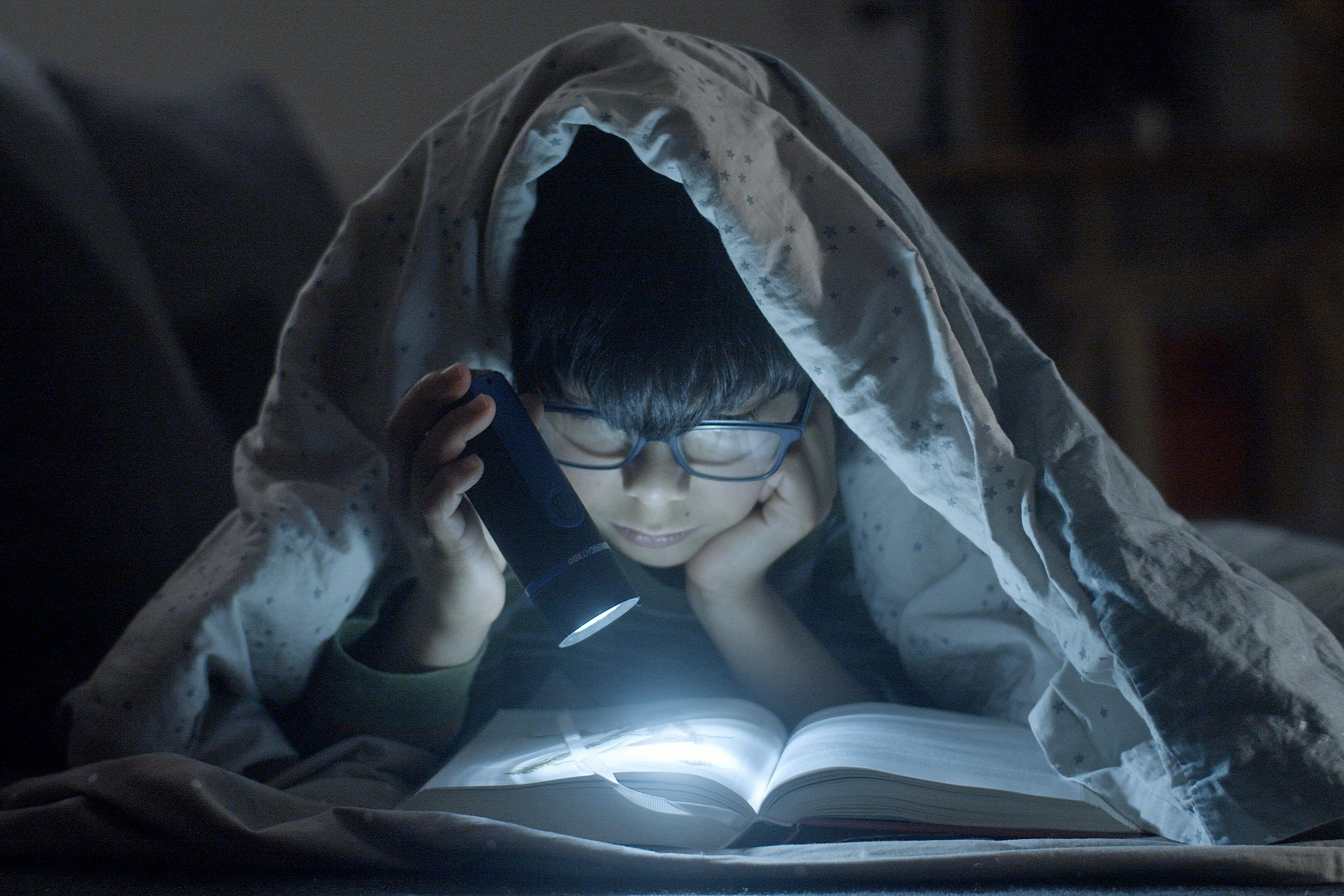
Micro-stories are especially strong at bedtime because they help with one of the hardest parts of the evening: transition. A child who does not have energy for a long book may still respond well to one or two small, complete tales.
Create a Simple Bedtime Cue
Use the same setup each night: a lamp, a blanket, one story, then one final goodnight phrase. Over time, that repetition turns storytelling into a reliable sleep signal.
Keep the Ending Soft
Even funny bedtime stories should taper down by the end. The final lines should feel slower, warmer, and more reassuring than the beginning. That helps the body match the emotional direction of the story.
Use Them for “One More Story” Requests
When a child asks for one more story, a micro-story is perfect. It honors the request without reopening the full bedtime marathon. One tiny tale can feel generous without becoming endless.
How Teachers Can Use 2 Minute Short Stories in the Classroom
Teachers can use micro-stories as transition tools, literacy warm-ups, writing prompts, and emotional reset moments. Their short length makes them especially useful when time is fragmented.
Transition Time
A quick story after lunch, before circle time, or right after recess can help settle a room. The structure is clear, the timing is manageable, and the shared focus brings attention back to one place.
Writing Prompt Launchers
A single micro-story can become the seed of a writing activity. Children can change the ending, add one more character, draw the scene, or retell the event from a different point of view.
Read-Aloud Confidence Builders
Because the text is short, children can also practice reading pieces aloud themselves without feeling overwhelmed. That makes short stories especially helpful for early literacy work.
Audio, Video, and Digital Formats
2 minute short stories adapt beautifully to audio and video because their length already matches modern listening habits. A tiny story can become a podcast clip, a classroom audio cue, a short bedtime video, or a printable card.
Audio Storytelling
These stories work best in audio when the narration stays calm and clear. Short episodes also make it easier for families to use them consistently without overextending screen or device time.
Animated or Video Micro-Stories
A 2-minute narrated video can be useful when the visuals stay simple and the pacing remains gentle. This works especially well for bedtime brands, classroom channels, and read-aloud content.
Illustrated One-Page Stories
One of the easiest publishing formats is a printable one-page story card: one image, one story, one clear age range, one theme. That format is practical for teachers, parents, and digital downloads alike.
This image is property of images.pexels.com.
Interactive Storytelling Ideas for Daily Routines
Micro-stories can become even more engaging when they include one tiny interactive element. The key is to keep participation brief and predictable so the story still ends on time.
- Ask the listener to choose one object, such as hat or mitten.
- Use one repeated sound, such as hum, swish, or tap.
- Pause once to ask, “What would you do?”
- Pass a prop like a pebble, leaf, or toy during the story.
- Invite a child to draw the ending afterward in sixty seconds.
- Let children act one motion, such as stretch, tiptoe, or yawn.
- Use a puppet to ask one final question.
- End with a predictable line everyone can say together.
Themes That Work Especially Well in Micro-Stories
Not every theme fits a 2-minute format equally well. The strongest ones usually focus on one immediate feeling or one simple choice.
Excellent Themes for 2 Minute Short Stories
- Kindness
- Curiosity
- Small acts of bravery
- Asking for help
- Belonging
- Friendship
- Patience
- Truth-telling
- Bedtime comfort
- Gentle humor
Magical realism also works well in this length. A whispering mailbox, a pebble that blooms when someone tells the truth, or a moon that forgets how to shine can all create immediate wonder without needing heavy setup.
Using 2 Minute Stories for Learning
These stories are not just useful for entertainment. They are also excellent for learning. Because they are short, children can hear them repeatedly, notice patterns more easily, and connect words to feelings and events faster.
Vocabulary Building
A short story can introduce one or two new words in a meaningful context. When those words repeat across the week, comprehension grows naturally.
Social and Emotional Learning
Micro-stories are ideal for teaching emotional skills because they keep the focus narrow. One decision. One feeling. One result. That makes the lesson easier to notice and remember.
Problem-Solving Skills
Even tiny stories can show how problems are approached. A child character who pauses, asks, shares, or reflects models practical thinking in a memorable way.
If you want a closely related internal collection from your data set, this page also fits naturally with quick reading stories for kids for more short-format story ideas.
How to Curate and Publish a Short Story Collection
If you plan to turn your 2 minute short stories into a collection, start with consistency. Pick a theme, a tone, an age range, and a word-count target. Collections work best when the stories feel related even if the plots differ.
A Simple Publishing Checklist
- Pick a clear audience and use case.
- Choose a consistent target length.
- Edit every story for pacing and clarity.
- Create one image style for the collection.
- Format for print, web, audio, or slides.
- Test the stories aloud before publishing.
- Label by age, theme, and read-aloud time.
Short collections are especially well suited to printable decks, email series, podcast episodes, classroom packets, and bedtime downloads.
Practical Storytelling Techniques That Boost Engagement
When a story is very short, every technique matters more. A few smart storytelling choices can make the difference between a story that feels flat and one that feels memorable.
- Begin with one sensory image.
- Use one repeated refrain.
- Keep attention on one moment only.
- Let the character change in one visible way.
- Ask only one interactive question.
- Use one call-back line near the end.
- Shift voice slightly for different characters.
- Time the read-aloud with a stopwatch.
- Use one visual anchor, like a hat or pebble.
- Trim every unnecessary sentence.
Conclusion: Why 2 Minute Short Stories Work So Well
2 minute short stories succeed because they respect real life. They understand that children need stories often, adults need stories that fit routines, and meaningful storytelling does not have to be long to matter. A well-made micro-story can calm a bedtime, ease a classroom transition, support language growth, inspire a writing prompt, or simply give a child one beautiful small moment to carry through the day.
The best way to use them is to start small. Write one. Read one tonight. Time it. Notice what kind of story calms your child, what makes your class listen, or what tone fits your routine best. Tiny stories are easy to test, easy to adapt, and easy to repeat. That is part of their magic.
Two minutes may not sound like much, but sometimes two minutes is exactly enough to change the whole mood of a moment.
Frequently Asked Questions
1. How long should a 2 minute short story be?
A true 2 minute short story is usually around 130 to 260 words when read aloud at a natural pace. Many of the strongest versions fall between about 150 and 220 words because that leaves enough room for pauses, expression, and a complete emotional arc without making the story feel rushed or overcrowded.
2. Are 2 minute short stories good for toddlers?
Yes, they can work very well for toddlers when the language is simplified and the structure is highly predictable. One character, one action, repetition, and strong sensory imagery are usually enough. The shorter format often matches toddler attention spans better than longer stories, especially during bedtime or transition moments.
3. Can I turn 2 minute short stories into audio?
Absolutely. This format is especially well suited to audio because the length already fits modern listening habits. Calm narration, simple sound design, and clear labeling by theme or age range can make short story audio useful for bedtime, quiet time, car rides, or classroom listening stations.
4. How do I teach morals without sounding preachy?
The easiest way is to let the moral emerge through the character’s choice rather than state it directly. If the listener sees that sharing helped, honesty repaired something, or kindness changed a mood, the lesson lands more naturally. Tiny stories work best when they show the effect instead of announcing the message.
5. Where can I use 2 minute short stories besides bedtime?
They work well in classrooms, libraries, waiting rooms, car rides, morning meetings, calm-down corners, and short read-aloud breaks. Their main strength is flexibility. Because they are brief, they can fit almost anywhere a child needs a moment of focus, reassurance, laughter, or gentle transition from one activity to another.
6. What themes are best for 2 minute short stories?
The strongest themes are usually kindness, curiosity, friendship, gentle bravery, bedtime comfort, humor, gratitude, and asking for help. These all fit well into a small narrative space because they can be shown through one clear action or moment. Themes that require lots of backstory or emotional complexity are usually harder to compress effectively.