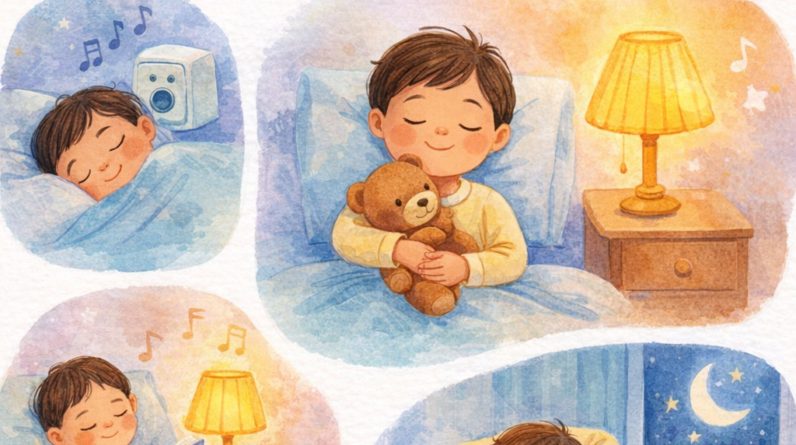
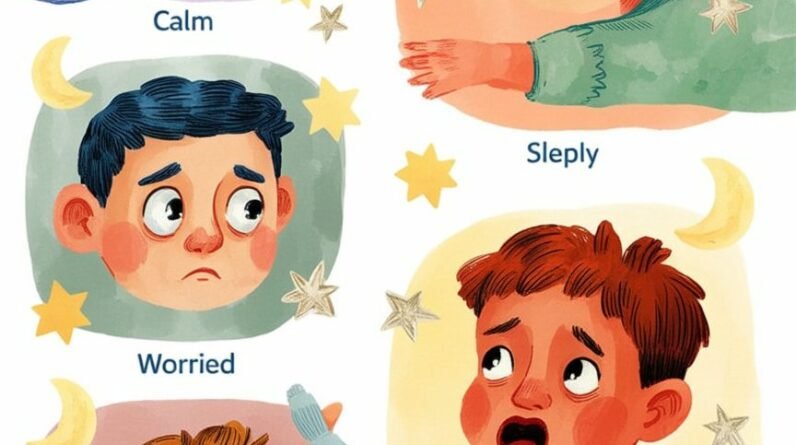
20-Minute Calm Bedtime Routine for Toddlers and Preschoolers
A calm bedtime does not need to involve a complicated schedule or a long list of activities. For toddlers and preschoolers, a simple and predictable sequence can make the transition from daytime activity to nighttime rest easier for both children and the adults caring for them.
A calm bedtime routine for toddlers can be especially helpful when evenings regularly involve requests for another drink, another story, another cuddle or one more trip out of bed. The goal is not to make every evening perfect. It is to create a familiar pattern that your child begins to recognise.
This 20-minute routine is designed as a flexible starting point. You can make it shorter or longer depending on your child’s age, needs and your family’s schedule.
The most important part is the sequence: slow down, prepare, connect, read, reassure and settle.

Key Takeaways
- A bedtime routine works best when the sequence is familiar and predictable.
- You do not need a complicated routine to create a calmer bedtime.
- Practical tasks such as teeth, pyjamas and bathroom time should happen before the final story.
- Small choices can give children a sense of control without allowing bedtime to become a negotiation.
- A gentle bedtime story can become a reliable signal that the active part of the day is ending.
- A short connection ritual can help children transition away from daytime activity.
- The routine should be adapted to your child’s age and individual needs.
What Does a Bedtime Routine Do?
A bedtime routine gives children a predictable sequence between the active part of the day and the quieter period before sleep.
For a young child, the sequence might become familiar enough that certain activities begin to signal what comes next.
For example:
Pyjamas → teeth → story → cuddle → goodnight.
After enough repetition, your child begins to recognise the pattern without needing a detailed explanation every evening.
Predictability Can Reduce Uncertainty
Children often ask questions when they do not know what is going to happen next.
A predictable routine answers some of those questions without requiring a conversation.
Your child knows:
- When active play is ending.
- When the bedroom becomes quieter.
- When the story happens.
- When the final cuddle happens.
- When it is time to settle.
This does not mean your child will cooperate perfectly every night. It simply gives the evening a familiar structure.
What to Do Before the Final 20 Minutes
The 20-minute routine works best when the most active parts of bedtime preparation have already begun.
Depending on your family, you might start slowing things down 30–60 minutes before lights out.
Begin Reducing Stimulation
As bedtime approaches, gradually move away from activities that make it difficult for your child to settle.
You might:
- Finish energetic play.
- Reduce loud music.
- Put away stimulating toys.
- Dim the lights.
- Move toward quieter conversation.
- Finish screen-based activities according to your family’s routine.
Give Your Child a Transition Warning
Young children may struggle when an enjoyable activity ends suddenly.
Try giving advance notice:
“In ten minutes, we are going upstairs for pyjamas and our bedtime routine.”
Then give another reminder as the transition approaches.
The warning does not need to become a negotiation. It simply helps your child understand that the next part of the evening is approaching.

The 20-Minute Calm Bedtime Routine
| Time | Activity | Main purpose |
|---|---|---|
| 0–5 minutes | Bathroom, teeth and pyjamas | Finish practical bedtime tasks. |
| 5–8 minutes | Dim lights and settle in the bedroom | Reduce stimulation and signal the transition. |
| 8–15 minutes | Read one gentle bedtime story | Create calm connection and a predictable story ritual. |
| 15–18 minutes | Cuddle and quiet connection | Help your child transition toward rest. |
| 18–20 minutes | Goodnight phrase and settle | Create a familiar ending to the routine. |
These times are only a guide. The routine may take longer with a younger child or on a difficult evening. The sequence is more important than following the clock perfectly.
Minutes 0–5: Finish Practical Bedtime Tasks
Start the final 20 minutes by dealing with the things that could otherwise interrupt bedtime later.
This might include:
- Using the bathroom.
- Brushing teeth.
- Putting on pyjamas.
- Having a final drink if appropriate.
- Choosing a comfort item.
Why Do These Things First?
If your child repeatedly leaves the bedroom because they need the bathroom, a drink or another practical item, the final part of bedtime can become fragmented.
Completing these tasks before the story creates a clearer transition into the quieter part of the routine.
Give One or Two Small Choices
Let your child participate without handing over control of the whole routine.
For example:
“Would you like the blue pyjamas or the green ones?”
Or:
“Would you like the moon story or the animal story tonight?”
Small choices can help children feel involved while the overall bedtime structure remains with the adult.
Minutes 5–8: Slow Down the Environment
Once the practical tasks are finished, begin making the bedroom and surrounding environment quieter.
Dim the Lights
Lower lighting can help create a clear visual transition from daytime activity to bedtime.
If your child is uncomfortable with complete darkness, a small night light may be appropriate for your family.
Put Busy Activities Away
This is not the time to start another game or introduce an exciting new activity.
Instead, settle into the same place where you normally read or say goodnight.
Use a Familiar Phrase
A short phrase can become another bedtime cue.
“Now our day is slowing down. It is story time.”
Over time, your child may begin to associate the phrase with the next part of the routine.
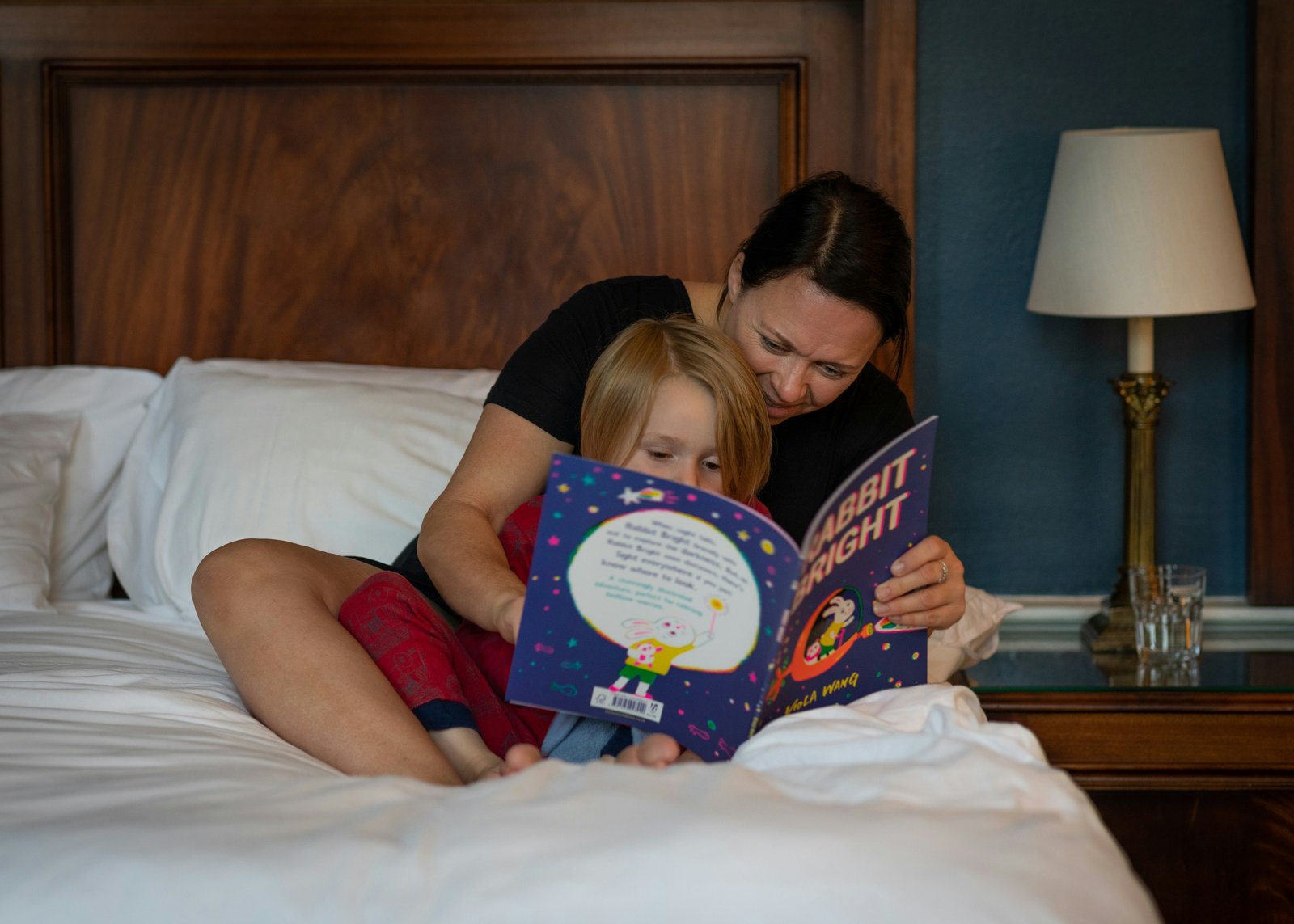
Minutes 8–15: Read a Gentle Bedtime Story
This is the heart of the routine.
A seven-minute story does not need a dramatic plot. In fact, bedtime is often a good time for stories with gentle imagery, familiar characters and reassuring endings.
Choose Stories With Calm Themes
Look for:
- Friendly animals.
- Cosy homes.
- Moonlight and stars.
- Quiet nature.
- Kindness and friendship.
- Small problems with simple solutions.
- Comfort and belonging.
- Peaceful endings.
For children who are sensitive to frightening themes, our guide to non-scary bedtime stories for kids can help you choose gentler material.
Keep Your Reading Voice Calm
You do not need to perform the story dramatically.
Try:
- A slightly slower pace.
- A comfortable volume.
- Gentle pauses.
- A familiar reading voice.
- Less dramatic emphasis as the story approaches its ending.
Let the Story Lead Toward Sleep
If possible, choose a story whose final moments naturally become quieter.
A character settling into bed, watching the stars or finding a cosy place can provide a peaceful final image before your own goodnight ritual.
A Calming Bedtime Story to Share
If narrated stories are part of your family’s routine, The Sleepy Moon’s Silver Glow can be used as a gentle story-time asset.
Parent tip: If screen viewing makes your child more alert, consider using the narration without actively watching the screen, or use the story as inspiration for your own screen-free reading routine.
Minutes 15–18: Cuddle and Connect
After the story, resist the temptation to immediately introduce another activity.
Instead, allow a few quiet minutes for connection.
This might mean:
- A short cuddle.
- Holding hands.
- Adjusting the blanket.
- Sitting quietly beside your child.
- Saying one reassuring sentence.
Keep Conversation Simple
You might say:
“I’m glad we had our story together. Now your body can rest.”
If your child wants to tell you something important, listen. But try not to introduce a long conversation if your child is already becoming sleepy.
Connection Does Not Need to Be Long
Three quiet minutes of focused attention can be more useful than extending bedtime by twenty minutes through repeated negotiations.
Minutes 18–20: Goodnight and Settle
The final two minutes should be predictable.
Use the same basic sequence each evening:
- Adjust the blanket.
- Settle the comfort item.
- Use the familiar goodnight phrase.
- Say goodnight.
- Leave or begin your family’s final settling routine.
Choose a Familiar Goodnight Phrase
For example:
“Goodnight. You are safe, you are loved and it is time to rest.”
Or simply:
“Goodnight. I love you. I’ll see you in the morning.”
The exact words are less important than making the ending familiar.
Do Not Add a New Activity at the End
Once the final goodnight begins, try not to introduce another game, story or conversation unless there is a genuine need.
The purpose of the final moments is to communicate that bedtime is now complete.
How to Adapt the Routine for Toddlers
Toddlers often need more repetition and simpler instructions than older children.
Keep the Sequence Short
Use a few familiar steps rather than explaining the entire evening.
For example:
“Pyjamas, teeth, story, cuddle, goodnight.”
Repeating the same sequence can help your toddler recognise what happens next.
Use Simple Choices
Offer two options rather than asking an open-ended question.
“Blue pyjamas or green pyjamas?”
This provides participation without creating a long decision-making process.
Expect Some Protest
Toddlers are still learning how to handle transitions. Saying goodbye to playtime can naturally produce resistance.
A calm boundary is often more useful than trying to persuade your toddler with increasingly complicated explanations.
How to Adapt the Routine for Preschoolers
Preschoolers can usually participate more actively in the routine.
Let Them Help With the Sequence
You can ask:
“What comes after brushing our teeth?”
Your child may answer:
“Story time!”
This turns the routine into something familiar that they understand rather than a list of instructions from an adult.
Use a Simple Bedtime Chart
A visual sequence can be helpful for preschoolers who enjoy knowing what comes next.
It might show:
- Pyjamas.
- Teeth.
- Story.
- Cuddle.
- Goodnight.
The chart does not need to be elaborate.
Allow One Meaningful Choice
Preschoolers can usually handle slightly more choice than toddlers, but bedtime still benefits from clear limits.
For example:
“You can choose tonight’s story. After the story, we have our cuddle and goodnight.”
What If Your Child Resists the Routine?
Even the best routine will not work perfectly every night.
Your child may refuse pyjamas, ask for another story, leave the bedroom or suddenly announce that they are not tired.
When this happens, return to the structure rather than creating a completely new bedtime plan.
If Your Child Says “One More Story”
“I know you would like another story. Tonight we have finished our story. Now it is cuddle time.”
If Your Child Says “I’m Not Tired”
You do not need to argue about whether your child feels tired.
Try:
“You don’t have to make yourself sleep. You can lie quietly and let your body rest.”
If Your Child Keeps Getting Out of Bed
Check for a genuine need first. If there is not one, respond calmly and return to the established bedtime boundary.
Avoid turning every return into a new conversation.
If Your Child Becomes Upset
Pause and acknowledge the feeling.
“I know you are disappointed that bedtime is finished. I’m here with you. It is still time to rest.”
Then return to the routine.
Common Bedtime Routine Mistakes
Making the Routine Too Complicated
If bedtime contains ten or fifteen separate steps, there are more opportunities for delay.
Keep the core routine simple.
Changing the Routine Every Night
Flexibility is necessary, but constantly changing the sequence can make it harder for a young child to know what to expect.
Keep the basic structure stable even when the exact timing changes.
Adding Activities After the Final Story
If story time is followed by games, snacks, screens and extended conversations, the story stops functioning as a signal that bedtime is approaching.
Try keeping the story close to the end of the routine.
Negotiating Every Step
Children can be offered choices without every part of bedtime becoming a negotiation.
The adult can calmly decide:
- When the routine begins.
- Which practical tasks need to happen.
- How many stories are being read.
- When the final goodnight occurs.
Expecting Perfect Cooperation
Children will sometimes protest, become emotional or have difficult evenings.
A successful routine does not mean your child never objects. It means the family has a predictable structure to return to.
Parent Bedtime Checklist
Before beginning the final 20 minutes, ask yourself:
- Has active play started to wind down?
- Have practical needs been handled?
- Does my child know bedtime is approaching?
- Are the lights and environment becoming calmer?
- Have I chosen a gentle story?
- Have I decided how many stories we are reading?
- Have I allowed a little connection?
- Am I giving my child appropriate choices without negotiating everything?
- Do we have a familiar goodnight phrase?
- Am I keeping the final minutes calm and predictable?
You do not need to achieve every item every night. Use this as a simple guide for identifying what could make your family’s bedtime easier.
When a Bedtime Routine Isn’t Enough
A bedtime routine can provide structure, but it cannot solve every reason a child may struggle with sleep.
If your child regularly experiences significant distress, persistent fears, ongoing sleep difficulties or problems that are affecting daytime wellbeing and family life, consider discussing the situation with an appropriate healthcare or child-development professional.
There may be factors outside the bedtime routine that need individual attention.
This article provides general parenting guidance and is not a substitute for individual medical or psychological advice.
Frequently Asked Questions About Calm Bedtime Routines
What is a good bedtime routine for a toddler?
A simple routine can include bathroom, teeth, pyjamas, a gentle story, a short cuddle and a familiar goodnight phrase. The exact timing can vary, but keeping the sequence predictable can help your toddler understand what happens next.
How long should a toddler’s bedtime routine be?
There is no single ideal length. A 20-minute final wind-down can be a useful starting point, although some toddlers may need more time and others less.
Should bedtime routines happen at exactly the same time?
Exact timing is not always practical. A consistent sequence can be more important than starting every activity at precisely the same minute.
Should I read a bedtime story every night?
If your child enjoys stories, reading regularly can make story time a familiar part of the bedtime routine. Repetition can also be reassuring, so there is no problem with reading a favourite story frequently.
How many bedtime stories should I read?
There is no universal number. Many families find that one short, calming story provides a clear transition toward the end of the routine. If you choose more than one, decide the limit before story time begins.
What if my toddler refuses to follow the bedtime routine?
Keep the sequence simple and respond calmly. Offer small choices where appropriate, acknowledge feelings and maintain the overall bedtime boundary rather than turning each step into a negotiation.
Should I give my child a choice about bedtime?
You can give small choices within the routine, such as choosing between two pyjamas or two stories. The adult can still decide when the routine begins and when it ends.
What if my child keeps asking for another story?
Acknowledge the request without automatically changing the boundary. For example, say, “I know you would like another story. Tonight we have finished our story. Now it is time to rest.”
Can a bedtime routine help with bedtime resistance?
A predictable routine can make the transition toward sleep easier to understand. It does not guarantee that a child will never resist bedtime, but it gives parents and children a familiar structure to return to.
What if bedtime remains very difficult despite having a routine?
If bedtime difficulties are persistent, severe or significantly affecting your child’s wellbeing or family life, consider discussing them with an appropriate healthcare or child-development professional.
Related Bedtime Resources
Final Thoughts
A calm bedtime routine for toddlers does not have to be complicated.
The most useful routine is one your family can repeat: finish the practical tasks, slow down the environment, share a gentle story, spend a few quiet moments together and end with a familiar goodnight.
Some evenings will be smooth. Others will involve protests, tears, extra requests or an overtired child. That does not mean the routine has failed.
The purpose of a bedtime routine is to provide a familiar path back to calm.
Twenty minutes of predictable connection can become a reassuring signal that the busy part of the day is over and it is time to rest.