Free Bedtime Stories for Little Dreamers
Free bedtime stories for kids can turn the final minutes of a busy evening into a calmer, more connected experience. The best bedtime tales do not need complicated adventures or dramatic surprises. A gentle setting, one small discovery and a reassuring ending are often enough to help a child slow down and prepare for sleep.
In this guide, you will find five original short bedtime stories to read aloud, practical tips for choosing the right story for your child’s mood, a simple five-minute storytelling formula and an easy bedtime routine you can use tonight.
These stories are especially suitable for young children who enjoy moonlight, animals, gardens, stars and other peaceful images. Read slowly, pause naturally and allow the final words to settle before moving on to lights out.
Key Takeaways
- Short bedtime stories work best when they use a calm setting, low-stakes events and a reassuring ending.
- A five-minute story can create a clear boundary between daytime activity and sleep.
- Match the story to your child’s mood rather than choosing only by age.
- Reading slowly and repeating the same closing phrase can strengthen the bedtime signal.
- Consistency matters more than finding a completely new story every night.
Why Short Bedtime Stories Work
Five minutes is long enough to open a small imaginary world and short enough to fit into a tired family evening. A short story offers a simple rhythm: arrival, a peaceful moment and a soft conclusion. That familiar pattern can help a child understand that the day is ending.
Short stories also reduce the likelihood of bedtime stretching into a long negotiation. When the expectation is clear—one gentle story followed by a familiar goodnight ritual—the transition can feel more predictable for both parent and child.
A Manageable Length for Young Listeners
Young children may be curious and engaged one moment and ready to move on the next. A story that lasts approximately three to six minutes often holds their attention without asking them to follow too many characters, settings or plot changes.
The aim is not to fill every remaining minute before sleep. It is to provide a small period of connection that gradually lowers the emotional and sensory energy in the room.
Predictability Creates a Bedtime Cue
Children often settle more easily when the order of events remains familiar. Pajamas, dim lights, one story, a kiss and the same closing phrase can become a repeated signal that active time has finished.
For more ideas on choosing a suitable story length, explore our guide to micro bedtime stories for calm sleep.
Connection Matters as Much as the Story
The content of the story matters, but so does the experience around it. Sitting close, using a calm voice and giving a child your attention can make bedtime feel safer and more settled. On difficult evenings, the steady presence of a trusted adult may be more important than reading every sentence perfectly.
A Gentle Bedtime Story Video
Use this calming video when your voice is tired, when another caregiver is managing bedtime or when your child enjoys listening and watching together. Keep the room dim and lower the volume so the video supports the routine rather than becoming a new source of stimulation.
How to Use These Free Bedtime Stories
You do not need a perfect reading voice or a complicated setup. A comfortable place, a slower pace and a consistent ending are enough to make a short story feel like part of a reassuring bedtime ritual.
Prepare a Low-Stimulation Space
Dim the main lights and use a warm bedside lamp where possible. Put noisy toys and bright devices aside before the story begins. The room does not need to be completely dark, but it should feel visibly different from playtime.
Offer a Small, Controlled Choice
Instead of asking, “What story would you like?” offer two suitable options:
“Would you like the moon story or the owl story tonight?”
This gives your child some control without turning bedtime into an open-ended search through books, videos or apps.
Read More Slowly Than Usual
Use a warm, even voice and allow silence to be part of the story. Pause briefly after calming images such as a quiet garden, a soft blanket or stars returning to the sky. Those pauses give the child time to picture the scene without making the story feel rushed.
Keep Questions Gentle and Limited
Interactive reading can be valuable during the day, but too many questions at bedtime may keep the mind alert. One quiet question is usually enough:
“Which part felt the most peaceful?”
If your child is already sleepy, you can skip questions completely and move directly to the closing phrase.
Use the Same Closing Ritual
After the last sentence, lower your voice and repeat a familiar phrase such as:
“The story is finished, the room is safe, and now it is time to rest.”
A repeated final phrase helps separate story time from another round of talking, choosing or negotiating.
How to Choose a Bedtime Story for Your Child’s Mood
The most suitable bedtime story is not always the newest or most exciting one. Consider how your child feels at that moment. A restless child may respond well to rhythm and repetition, while an anxious child may need reassurance, safety and a very clear resolution.
| Child’s mood | Story style to choose | Why it may help |
|---|---|---|
| Restless or wiggly | Repetitive and rhythmic | Predictable language gives the child something steady to follow. |
| Quiet or reflective | Soft, image-rich story | Gentle descriptions support a slow transition into rest. |
| Sad or worried | Reassuring story with a safe resolution | A small problem followed by comfort can restore a sense of security. |
| Excited | Warm story with mild humour and a slow ending | A little laughter can release tension when the final section becomes calm. |
| Curious | Gentle wonder with a complete ending | Curiosity is satisfied without leaving an unresolved mystery. |
| Afraid of the dark | Story about moonlight, a night-light or a protective friend | The nighttime setting becomes familiar and reassuring rather than threatening. |
There is no single correct choice. Watch your child’s breathing, movement and responses. When their body begins to soften and their voice becomes quieter, the story is doing its job.
For children who are especially sensitive to frightening themes, see our collection of non-scary bedtime stories for kids.
Five Free Bedtime Stories to Read Tonight
The following original stories are designed to be read slowly in approximately five minutes. Each one contains a peaceful setting, a small moment of wonder and a gentle ending.
1. The Moon’s Little Neighbor
Best for: Quiet, thoughtful evenings and children who enjoy moon stories.
Reading note: Use a slow voice and pause whenever the moon listens.
There was once a small house on a lane where the lamps seemed to keep their own hours and the cat slept curled inside an old woollen mitten.
The children who lived there called it the House of Always-Lights because, even when it was very late, a small glow remained in one window like a pocket of daytime.
One night, when the moon felt lonely, it leaned a little closer to the earth and noticed a tiny garden beside the house’s chimney.
The moon loved gardens, especially gardens that offered gentle scents instead of noise. Mint opened like a whisper. Rosemary smelled warm and steady. A single sunflower stood with its face turned towards the night sky.
A little boy named Tomas cared for the rooftop garden. He grew beans that climbed the chimney and watered the sunflower every evening before bed.
Tomas had noticed the moon watching from above. Each night, he placed a small saucer of warm milk on the windowsill.
The moon could not drink milk in the way that Tomas could, but the saucer became a small ceremony between them. A silver beam touched the milk, and its surface shone like a tiny lake.
Then, one evening, the moon’s light looked thinner than usual.
Tomas put on his slippers, climbed the short ladder to the roof and sat beside the sunflower.
“Are you tired?” he asked.
The moon gave a quiet hum, like a bell ringing somewhere far away. Then it sent one silver-touched leaf floating gently towards the rooftop.
Tomas caught the leaf and placed it beneath his pillow.
From that night on, whenever the moon felt small or tired, it remembered the house on the lane. It leaned closer to the rooftop garden, where moonflowers opened and the saucer of milk waited beneath the window.
Tomas felt the moonlight settle across his room like a gentle hand resting on the back of a chair.
He closed his eyes.
The moon remembered the house, the house remembered the moon, and everyone slept.
2. Milo and the Pocket of Stars
Best for: Children who enjoy a little magic without suspense.
Reading note: Begin with light playfulness, then slow your voice as the stars return home.
Milo discovered the pocket by accident.
He reached inside his coat and pulled out a small handful of night. It felt soft, smelled faintly of lavender and held several tiny points of light.
Milo looked carefully at the pocket. Perhaps it had been stitched incorrectly. Perhaps the night had simply become lost.
He carried the coat to the window and opened the pocket a little wider.
Three tiny stars tumbled onto the rug.
One hid beneath the bookshelf. Another climbed the curtain like a bright little mouse. The third sat on Milo’s slipper and blinked.
Milo laughed softly.
His sister, Ada, woke and found a star curled beside her pillow. It felt warm against her hand.
She blew on it gently, and the star made a sound like very small bells.
“We could keep them,” Milo whispered.
Ada looked towards the night sky.
“We could,” she said, “but the sky might be waiting.”
They placed the stars inside little paper cups and carried them through the garden. They passed the sleeping beans, the lavender bushes and the old fence that creaked only when the wind asked politely.
At the far end of the garden, Milo opened his coat pocket.
The tiny stars rose into the air. First one, then another, then all the rest. They circled the old elm tree before floating higher and higher.
One by one, they found their places in the sky.
The pocket had only been a temporary home. Its job was to show Milo and Ada that the stars were sometimes nearer than they appeared.
The children returned to bed.
Outside, the stars tucked themselves back where they belonged, and the room became quiet again.
3. The Quiet Garden
Best for: Anxious, overwhelmed or emotionally tired children.
Reading note: Read slowly and leave a short pause after each change in the garden.
There was a garden that people visited only at quiet times—when the light was warm and the air was the colour of soft bread.
It was a garden made from tiny things: an almost-invisible pond, a bench that had learned how to hold people comfortably and a hedgehog who carried one smooth acorn in his pocket.
A girl named Ruth knew the names of every plant.
She spoke to the lavender as though it were a wise friend, and the lavender answered with its gentle scent.
One afternoon, the world outside the garden had felt too loud. Doors had closed sharply. Cars had rushed past. Too many voices had arrived all at once.
Ruth walked into the garden and sat on the bench.
She watched the pond and counted its ripples. Each ripple touched the next and then slowly disappeared.
One ripple.
Then another.
Then stillness.
A small cloud drifted down into the garden. It looked like a piece of soft cotton that had become tired of travelling.
Ruth moved along the bench to make space.
The hedgehog rolled his acorn forwards as a serious little gift.
The cloud rested beside them. After a moment, it began to release quiet drops of rain.
The drops made tiny circles in the pond. They brightened the lavender leaves and polished the hedgehog’s acorn.
When the cloud had finished raining, it looked lighter.
“Thank you,” it whispered.
Ruth understood. Sometimes the best thing a quiet garden could do was simply make room.
The cloud floated back towards the sky. The hedgehog returned the acorn to his pocket. Ruth wrapped her scarf around her shoulders and listened to the garden breathe.
Some gardens keep their secrets only when you listen.
Ruth listened, and the whole garden rested with her.
4. Lola’s Paper Boat
Best for: Children who need a story about courage, sharing and returning safely home.
Reading note: Use cheerful warmth at first, then soften your voice as evening arrives.
Lola made a boat from a square piece of paper.
She folded it carefully with fingers that knew how to make small things feel important. The boat was not perfect. It had a tiny tear on one side and a stubborn fold at the front that made it lean slightly.
Lola liked it that way.
She carried the boat to the puddle behind her house—a puddle that enjoyed pretending it was an ocean.
The paper boat bobbed on the water and left a delicate trail behind it.
Lola placed a smooth pebble inside for balance and added a leaf for a sail.
Then she whispered a wish into the boat.
She wished for a warm blue jumper and for the neighbour’s dog to feel less lonely at night.
A boy named Sami came to the puddle.
“May I sail it too?” he asked.
Lola considered the question carefully and then nodded.
Sami whispered his own wish into the boat. Together, they pushed it towards the middle of the puddle.
Each time the boat reached the edge, it turned and floated back as though carrying a quiet answer.
They sailed it until the evening sky became purple and the first porch light appeared.
Then Lola lifted the boat from the water and tucked it carefully into her coat pocket.
“We will find other oceans,” she promised.
The pebble had become warm from being held. The leaf smelled faintly of summer rain.
Lola and Sami went home as the puddle became still.
Small boats remember the places that loved them, and this one rested safely until morning.
5. The Owl Who Forgot to Hoot
Best for: Children building confidence or learning that progress can begin quietly.
Reading note: Use a mildly playful voice at first, then slow down as the owl begins to listen.
Near the edge of a wood, where the trees shared slow secrets with the wind, lived an owl who had forgotten how to hoot.
He remembered many other things.
He knew where the mice hid, which mushrooms looked like tiny umbrellas and how to tilt his head when he wanted to hear a leaf fall.
But when evening came and the other owls called through the trees, he remained silent.
No one was unkind to him. The other owls knew he was clever in different ways.
Still, the moon missed his voice. The quiet space where his hoot should have been felt like a loose stitch in a familiar blanket.
One night, the moon hummed softly above the forest.
The owl listened. Something inside him moved like a door that had been closed for a very long time.
A little fox heard the moon too. He climbed the hill beneath the owl’s branch, carrying a tiny jar of honey.
“Do you remember the shape of the sound?” the fox asked.
The owl shook his head.
“Then we can begin with a very small sound,” said the fox.
Together, they practised.
The fox whispered round vowels into the night.
“Ooo.”
The owl opened his beak.
At first, there was only a rustle.
They tried again.
This time, a tiny note appeared. It sounded like the final breath of a bell.
It was not loud. It was not polished. It did not sound exactly like the other owls.
But it was his.
The moon tilted closer to listen.
The fox smiled and closed the honey jar for another evening.
By morning, the owl’s voice was still small, but it had begun.
And so the whole forest learned to listen to small beginnings.
How to Make Your Own Five-Minute Bedtime Story
A homemade story can feel especially comforting because it contains your child’s name, familiar places and details from everyday family life. You do not need to invent an elaborate plot. Simplicity is an advantage at bedtime.
Use This Four-Part Story Structure
| Story part | Approximate time | What to include |
|---|---|---|
| Gentle opening | 20–30 seconds | Introduce one safe setting, such as a bedroom, moonlit garden or quiet forest. |
| Small discovery | 1–2 minutes | Let the character notice something curious but non-threatening. |
| Comforting action | 1–2 minutes | Use a slow action such as carrying a lantern, finding a blanket or helping a sleepy animal. |
| Soft landing | 30–60 seconds | Return the character to safety and end with a repeated sleepy phrase. |
Choose One Detail From Each Group
- Setting: moonlit room, sleepy garden, quiet beach or small forest cottage.
- Character: child, rabbit, owl, cloud, star or friendly bear.
- Small problem: a missing feather, a tired moon, a lost yawn or a lamp glowing too brightly.
- Comforting solution: sharing, breathing, returning home, finding a blanket or asking for help.
- Closing image: dim light, warm pillow, closed flower, quiet stars or a sleeping animal.
A Fill-in-the-Blank Bedtime Story Prompt
Once, in a quiet [place], there lived a gentle [character]. One evening, the character noticed [small problem or discovery]. With the help of [friendly helper], they [slow comforting action]. Soon everything felt safe again. The [closing image] became still, and the whole world whispered, “Goodnight.”
Gentle Rules for Homemade Stories
- Keep conflict small, symbolic and quickly resolved.
- Avoid cliffhangers, villains and sudden danger.
- Use only one main setting and one or two characters.
- Include soft sensory details such as warmth, quiet sounds and smooth textures.
- Repeat one calming line near the end.
- Finish with safety, closeness and rest.
Adapting a Short Bedtime Story by Age
The same basic story can work for several ages when you adjust the vocabulary, length and amount of detail.
| Age range | How to adapt the story | What to preserve |
|---|---|---|
| 0–2 years | Use very few words, strong rhythm, repetition and simple physical cues. | Warm voice, familiar objects and a clear ending. |
| 3–5 years | Add one recognisable character and a simple action. | Visual scenes, repetition and emotional safety. |
| 6–8 years | Add a small question, gentle joke or simple lesson. | Low stakes and a complete resolution. |
| 9–12 years | Use more emotional detail, subtle humour or reflective language. | A calm pace and reassuring conclusion. |
These age ranges are only starting points. Choose the language and story length that match the individual child’s interests, sensitivities and attention span.
For more detailed guidance, visit our complete guide to bedtime stories for kids by age.
A Simple Bedtime Routine to Try Tonight
A short story works best when it is part of a predictable sequence. Complete energetic or practical tasks before reading so the story becomes the final calming activity rather than an interruption between teeth brushing, searching for pyjamas and finding a favourite toy.
| Stage | Activity | Purpose |
|---|---|---|
| 10–15 minutes before story | Bathroom, teeth and pyjamas | Complete active tasks before the wind-down begins. |
| 5 minutes before story | Dim lights and choose between two stories | Reduce stimulation and prevent a long search. |
| Story time | Read one short story slowly | Create connection and a predictable sleep cue. |
| After the story | One brief reflection, cuddle or reassuring phrase | Close the emotional experience without restarting conversation. |
| Lights out | Repeat the same goodnight phrase | Signal clearly that the routine is complete. |
The exact timing matters less than keeping the order familiar. A routine becomes soothing through repetition.
Troubleshooting Common Bedtime Story Challenges
“Can We Have One More Story?”
Set the boundary before reading begins:
“Tonight we are reading one story. When it finishes, we will have our cuddle and say our goodnight phrase.”
When the story ends, avoid beginning another negotiation. Offer a tiny closing ritual instead, such as choosing one favourite sentence to repeat.
My Child Interrupts Constantly
Some children use questions to delay bedtime, while others are processing the story aloud. Acknowledge the question briefly and create a boundary:
“That is a good question. Let us keep it for tomorrow. Right now, we are listening to the sleepy part.”
You can also let the child whisper one idea that you gently incorporate into the story without changing its direction.
The Story Makes My Child More Excited
Choose a lower-energy story with fewer characters, less humour and no chase scenes, surprises or unresolved mystery. Slow your voice and remove dramatic character voices. A familiar story may work better than a new one on highly energetic nights.
My Child Becomes Frightened by a Detail
Do not insist that the detail is harmless. Validate the feeling and change the story:
“That part felt scary. Let us make the sound come from a sleepy little hedgehog instead.”
For children who frequently become unsettled by story themes, choose books and tales specifically designed to be gentle and non-scary.
My Child Does Not Want a Story
A story is an option, not a requirement. On some nights, a short poem, quiet song, familiar affirmation or two minutes of calm conversation may work better. Preserve the overall bedtime sequence without forcing reading.
Bedtime Is Taking Too Long
Complete teeth brushing, drinks, toilet visits and toy choices before sitting down to read. Keep the story selection limited and use one clear ending. When bedtime regularly becomes prolonged, examine the entire evening routine rather than expecting the story alone to solve the difficulty.
How to Finish a Story So Sleep Can Follow
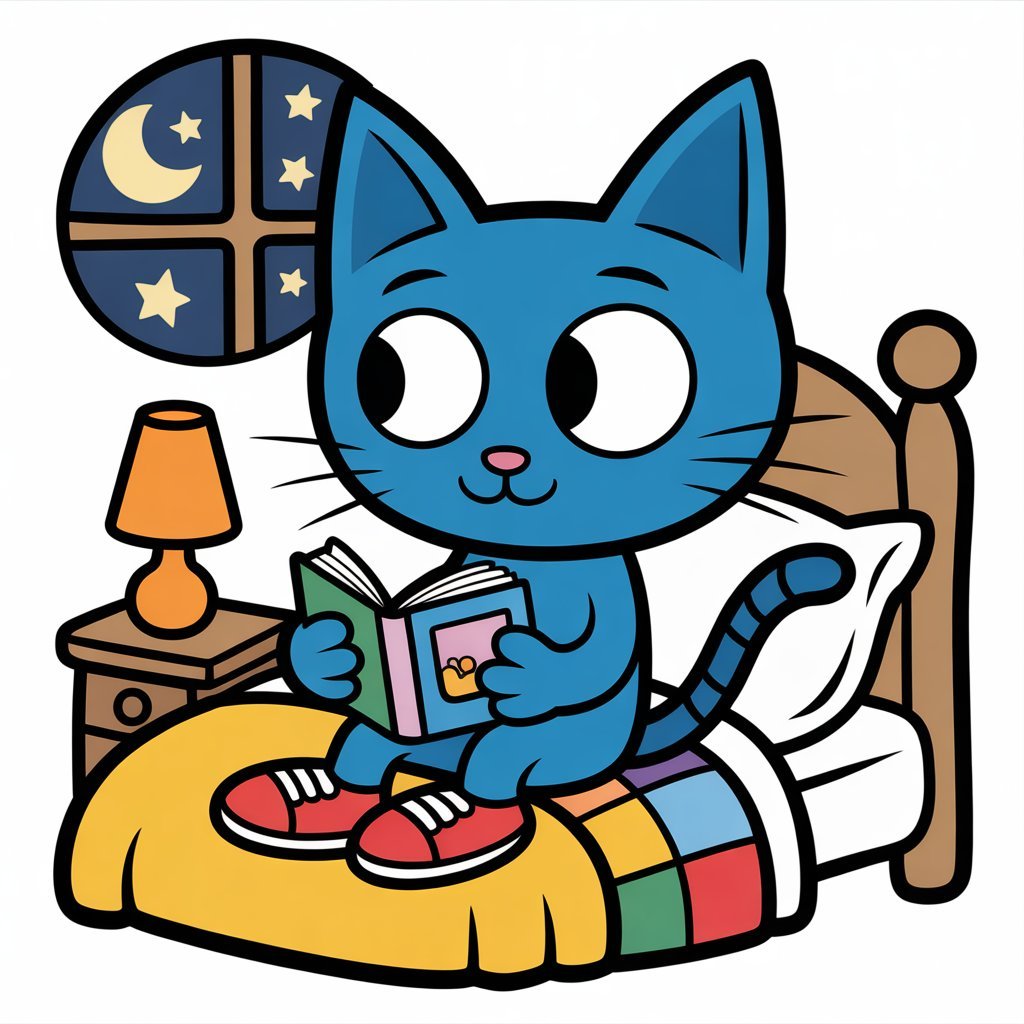
A good bedtime ending should feel complete. The character is safe, the small problem has been resolved and the final image points towards stillness rather than a new adventure.
- Lower your voice slightly during the final three or four sentences.
- Use slower, shorter sentences near the end.
- Repeat one reassuring phrase.
- End with a quiet image such as a closed flower, sleeping animal or dimming light.
- Remain still for a few seconds after the last word.
Try this reusable closing:
“The room was quiet, the night was kind, and everything that needed to rest began to rest.”
Frequently Asked Questions About Free Bedtime Stories
How long should a bedtime story be for a young child?
For many children aged three to six, approximately three to ten minutes works well. A shorter story may be better on tired or emotionally difficult evenings. The ideal length is one that holds gentle attention without delaying sleep.
What makes a bedtime story calming?
A calming bedtime story usually has a peaceful setting, only one or two characters, little or no danger, slow actions, reassuring language and a complete ending. Repetition and soft sensory descriptions can also support a relaxed atmosphere.
Is it all right to read the same bedtime story repeatedly?
Yes. Familiar stories can be especially comforting because the child knows what will happen and does not need to remain alert for surprises. Repetition can strengthen the association between the story and the bedtime routine.
Can bedtime stories help when a child is worried?
A gentle story can create an opportunity for reassurance and connection, especially when it reflects safety, support and a manageable emotional problem. Stories are not a replacement for professional support when anxiety is persistent or significantly affects daily life.
Should I use audio or video bedtime stories?
Audio or video can be useful when a caregiver is tired or when a child finds a familiar narration comforting. Keep the screen dim, the volume low and the content short. Whenever possible, avoid autoplay and return to a consistent lights-out routine when the story ends.
How can I stop bedtime stories becoming a delay tactic?
Agree on the number of stories before reading, offer only two choices and use the same closing ritual every night. A clear boundary is easier to maintain when it is explained calmly before the story begins.
Are these stories suitable for toddlers?
The themes are gentle, but younger toddlers may benefit from shorter versions with fewer sentences and more repetition. You can simplify each story by focusing on one character, one action and the final sleepy phrase.
Can I print these stories for personal use?
You may refer to the website’s current terms of use for permissions relating to copying, printing or sharing published material. For a purpose-designed printable option, use the free Books For Minds bedtime-story download linked in this article.
Related Bedtime Resources
- Explore calming bedtime stories for kids
- Read micro bedtime stories for calm sleep
- Find non-scary bedtime stories for sensitive children
- Choose bedtime stories by your child’s age
- Learn how gentle stories support big feelings
- Discover the science behind calming bedtime stories
- Explore gentle bedtime stories for children on YouTube
A Gentle Ending for Little Dreamers
A free bedtime story does not need to be long or elaborate to become meaningful. What children often remember is the steadiness around the story: the familiar voice, the warm place beside them and the reassuring knowledge that the evening will end safely.
Choose the story that best matches the mood in the room tonight. Read slowly, leave space for silence and let the final image be soft enough to carry into sleep.
Over time, a few favourite stories may become part of the furniture of family life—familiar, comforting and always ready when the day needs a gentler ending.