
Gentle Bedtime Stories for Kids – Calm, Kind, and Soothing Tales

89 / 100 SEO Score

Gentle Bedtime Stories for Kids – Calm, Kind, and Soothing Tales

Gentle Bedtime Stories for Kids. You might think stories are just entertainment, but they act like a tiny switch in your child’s brain that says, “Okay, slow down.” A calm, consistent bedtime routine sends signals to your child’s body and brain to shift into sleep mode — and you get bonus points for doing it with charm and a snack-sized dose of drama.

Routines create predictability, and kids love predictability even if they pretend they don’t. When you pair reading with the same lights, the same snuggle spot, and the same closing line, you’re training sleep-ready habits that will save your evenings and sanity.

Did you know a story plus a soft voice can be more powerful than a thousand “just one more minute” pleas?

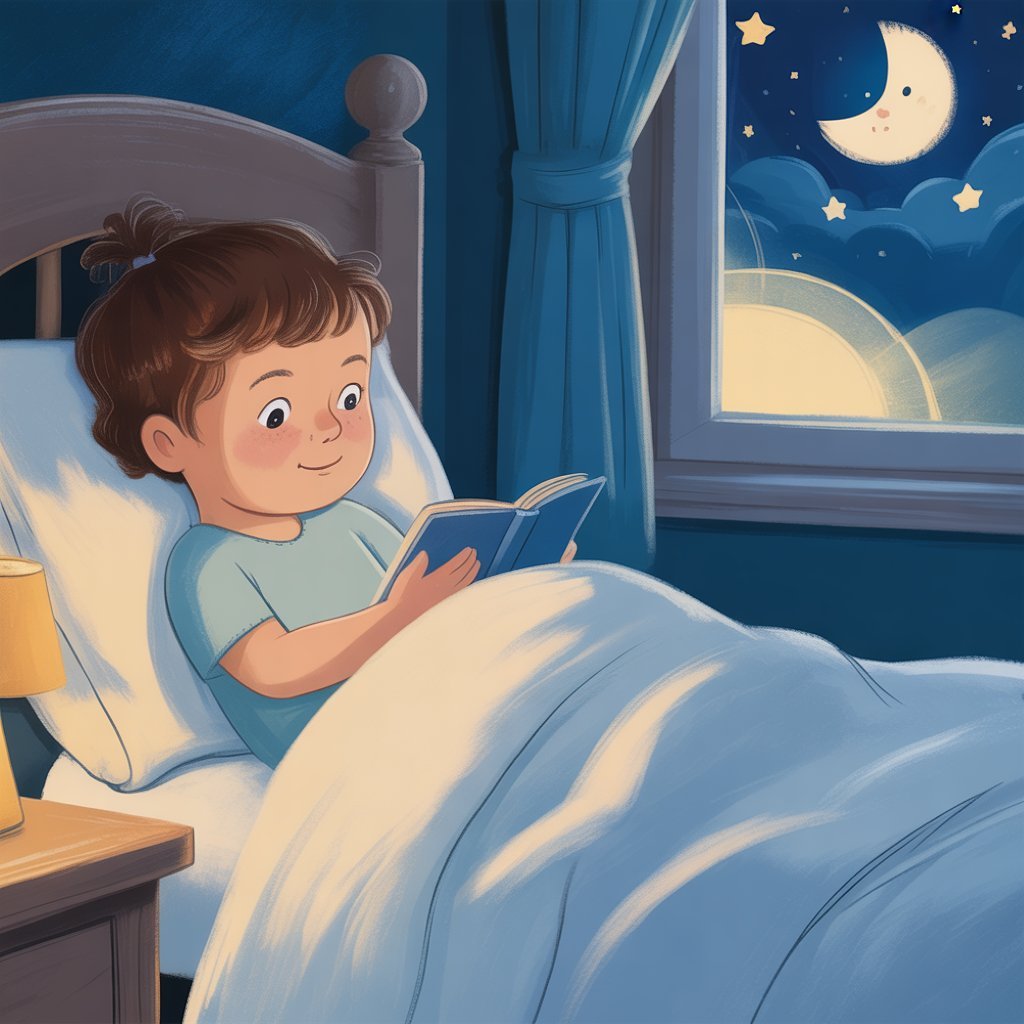
Gentle Bedtime Stories for Kids

This image is property of images.pexels.com.

What Usborne recommends and why it matters

Usborne suggests using age-appropriate bedtime reads and wind-down activity books — from newborn sound books to comforting read-alouds for older children. These books are designed to suit the sensory and attention needs of different ages, whether that’s a press-and-play music button for a newborn or a short story collection for a seven-year-old who refuses to stop asking questions.

The right selection of books helps you match the story’s length and style to your child’s attention span. That’s the secret sauce: content that fits the child rather than you trying to fit a novel into a toddler’s bedtime.

Quick list of featured titles (age guides included)

Here’s a convenient table of the Usborne titles mentioned, with ages and a short note on why each works for bedtime.

TitleAge guideWhy it’s great for bedtime
Baby’s Bedtime Music Book0+Press-and-play music and gentle rhythms create sensory cues for sleep.
Sleepytime Music Book6+ monthsSlightly more content for slightly older babies who love predictable tunes.
Very First Questions and Answers: Why do I have to go to bed?3+Reassuring answers to common bedtime worries in toddler-friendly language.
Sam Sheep Can’t Sleep2+Silly, repetitive story that’s calming and familiar.
Five-Minute Bedtime Stories2+Short stories sized perfectly for quick wind-downs.
Usborne Book of Night Time4+Explains night-time phenomena with comforting facts and images.
Bedtime Stories to Read Aloud3+Read-aloud format that includes warm, resolved tales.
Wind-Down Activities7+Gentle activities to encourage reflection and relaxation before sleep.
Night Sounds3+Sensory and auditory focus to ease the transition to quiet.
Tales/Forgotten Fairy Tales of Brave and Brilliant Girls7+Empowering short tales for older children who enjoy thoughtful stories.
The science-y (but understandable) part: why routine + reading = sleep success

Your child’s brain responds to repetition. When you repeat a bedtime ritual — dim lights, a particular book, a phrase you always say when the book closes — neural pathways begin to connect that sequence with sleep. That means fewer negotiations and more sighs of contentment.

Reading also provides cognitive and emotional benefits. A gentle story helps regulate emotions, reduces anxiety about the dark or monsters, and encourages empathy and imagination — all while your child’s eyelids gradually get heavier.

Babies and toddlers: sensory simplicity wins

At this age you want short, sensory-rich books. Babies and young toddlers adore repetition, predictable pages, and music that can be pressed and heard. Those simple interactions — a button that plays lullaby music or a texture to stroke — become powerful sleep cues when repeated nightly.

You should use dim lighting and slow page pacing. Let them press buttons if they insist, then gently take their hand and use a calm closing ritual phrase — something like “night-night music” — to signal that the book is finished and it’s time to sleep.

How to read to a baby or toddler

When you read to babies, the goal is more about rhythm than plot. Keep your voice soft and use exaggerated facial expression sparingly. For toddlers, you can pause to let them join in with repeated phrases. Keep pages slow and predictable so they can settle into the pattern.

Let them engage, but set the expectation of an ending. A calm phrase at the close — repeated nightly — becomes a cue the brain recognizes. Do not be afraid to press the music button twice; you won’t break anything, and your child will probably think it’s your encore.

Pre-schoolers: short stories and gentle phonics

Preschoolers benefit from slightly longer stories that still resolve warmly and predictably. Choose short, warmly resolved tales and gentle phonics books that keep attention without revving up the brain. The aim is to soothe, not to start an adventure that ends with a cliffhanger and a list of questions.

Short, rhythmic stories encourage language development and help settle energy. Use stories that finish on a cozy note and avoid action-packed plots that stimulate too much excitement.

Example pre-bed routine for preschoolers

You read a short story, follow with a two-minute whisper recounting of the favorite part, offer a gentle applause if they sang along, dim the lights further, whisper the same closing phrase, and tuck them in. It sounds like performance art, and frankly, you’re the star.

Older children: reflection and gentle activity

For older children, comforting read-alouds, short stories, and wind-down activity books work well. They can handle slightly longer texts and often appreciate stories that invite quiet reflection. Gentle activity books — coloring or mindfulness tasks — are great if they’re too wired for a full story but not ready to sleep.

Wind-down activity books are particularly useful for older kids who process the day with questions or worries. They give structured time for thinking and calming, without screens doing the heavy lifting.

Choosing read-alouds for older kids

Select books that end on a positive or thoughtful note, not cliffhangers. Short stories or anthologies — like Five-Minute Bedtime Stories — are perfect because they respect limited time and offer closure. If your child still needs reassurance at night, choose titles that validate feelings and give simple explanations about sleep and dark.

Matching book type and length to attention span

You’ll hear many parenting gurus say match book to attention span, as if that’s a secret code. It isn’t. Babies = single-sensory cues; toddlers = short, repetitive stories; preschoolers = short but complete tales; older kids = read-alouds and gentle activities. The general rule: shorter is better the closer you get to bedtime.

If the child is nodding or your spouse is nodding off, you’re probably doing it right. If the child insists on a 12-chapter mystery at bedtime, you can either break it up over nights or schedule it for earlier.

Gentle Bedtime Stories for Kids

This image is property of images.pexels.com.

The bedtime reading toolkit: what to have within arm’s reach

Here’s a table of practical items to keep nearby to make bedtime reading smoother and faster.

ItemPurpose
Dimmable lamp or nightlightCreate consistent lighting cue without being bright enough to stimulate.
Favorite snuggly or blanketSensory cue tied to sleep and comfort.
A small stack of age-appropriate booksRotate through favorites to keep routine fresh but predictable.
Press-and-play sound books (for babies)Sensory sleep cues built into the book.
A calming phrase or ritual lineSignal the end of reading and the start of sleep time.
A few wind-down activity books (for older children)Quiet activities to ease mental chatter.

Creating the perfect reading environment

The environment should be consistent and calm. Dim lighting, comfortable seating, and minimal noise are non-negotiable. You’re aiming for a stage that says relax, not a disco for one.

Keep toys that could cause excitement out of sight and use a predictable spot for reading: a particular chair, pillow nest, or the bottom corner of their bed. Consistency tells brains it’s time to power down.

Lighting tips

Lower the lights progressively rather than flipping a switch from daytime to midnight. Warm-toned lighting is less likely to suppress melatonin than cool, bright lights. Think soft amber rather than hospital-chic.

Step-by-step bedtime reading ritual you can steal

Once you get a rhythm, everyone breathes easier. Here’s a step-by-step ritual that’s adaptable to ages:

  1. Bath or quiet play (optional) — two sentences max: help wash away the day.
  2. Pajamas and teeth — make it part of the show so it doesn’t become an encore demand.
  3. Choose the book together — let them feel involved but limited: “You pick one.”
  4. Lights dimmed, cuddle spot arranged — make it the same every night.
  5. Read, using slow pacing and soothing tones — aim for predictability.
  6. Finish with your special phrase — this seals the routine.
  7. A final kiss, tuck, or stuffed-animal handover — small and ritualized.

Use the same closing phrase nightly. It can be silly, gentle, or ritual-like as long as you use it consistently. Your children will come to expect it, and your bedtime negotiations will dwindle like a blocked nose.

Handling bedtime worries and questions

Bedtime is prime time for worry. Children rehearse fears — what if the monsters are real, what if the moon falls, what if you move to Mars? You can preempt many of these by reading reassuring titles early in the evening. Usborne’s Very First Questions and Answers: Why do I have to go to bed? is designed to validate feelings and answer them in toddler-friendly terms.

If a worry flares up during the ritual, acknowledge it briefly, offer a calm, simple explanation, and redirect: “I know it feels scary. Night is dark, but lots of people sleep in the dark. Let’s read about why that’s okay.” If the worry persists, write it down and promise to check it in the morning.

Reassurance techniques that don’t reward stalling

Use a “worry jar” or a “star ticket” — a bedside jar where your child places a small token that represents their worry, and you place it on a shelf until morning. That validates feelings but signals bedtime is non-negotiable. Offer a brief explanation, then return to the ritual and your closing phrase.

Gentle Bedtime Stories for Kids

This image is property of images.pexels.com.

Wind-down activities and books for older kids

Older kids sometimes need an extra step: a wind-down activity. That’s where Wind-Down Activities and Night Sounds come in. These books contain simple breathing exercises, coloring prompts, or short reflection tasks suited to calming a busy brain.

Use them for 5–10 minutes after a short read-aloud if your child still seems wired. Keep the activity low-energy — not an educational marathon — and follow it immediately with your closing phrase and lights out.

Using read-alouds effectively

You are not auditioning for a radio drama. Keep voices calm and natural; whispering is not required and can sometimes increase excitement. Read at a pace that allows the child to breathe between sentences. Pause at natural spots that lend themselves to yawning.

Make small observational prompts instead of asking lots of questions. Instead of “What do you think happens next?” try “That sounds cozy, doesn’t it?” — the latter invites agreement and makes the brain slow down.

Troubleshooting common bedtime battles

If bedtime battles persist, your routine might be inconsistent, the book might be too stimulating, or you’re inadvertently rewarding dawdling. Here are quick fixes:

  • Inconsistent routine: Make a small, doable schedule you can stick to. Less ambitious and more consistent beats elaborate and occasional.
  • Overlong or exciting books: Switch to five-minute stories or music books.
  • Rewards for stalling: If you give in to prolonged negotiations, make a clear rule that stalling doesn’t get extra stories. Offer a token reward system for nights with no battles.

If teeth-brushing suddenly becomes a full-contact sport, use a short timer set to a lullaby rather than starting a negotiation.

Rotating books without chaos

You can rotate favorites but keep the overall structure the same. Try a 3-book rotation: one sensory/book for the youngest, one story, and one calming fact or activity book for older kids. Rotations keep things novel enough to be interesting but predictable enough to remain ritual.

Label shelves with sticker categories or keep the night’s choices on a small tray. This reduces the late-night Olympic-level book search.

When to adapt the ritual for life changes

Life changes — travel, illness, sleep regressions, moving house — will occasionally scramble the ritual. That’s fine. Carry a small travel reading kit: one familiar book, a soft toy, and your calming phrase. The continuity of the phrase and the rhythm often does more than the specific book choice in making children feel secure.

If sleep regressions appear (temporary wakefulness during development), temporarily shorten the ritual and emphasize predictability rather than entertainment. You’ll rebuild momentum when the regression passes.

Tips for tired parents who still want a ritual

You’re human. After a long day, you might have the energy of a lukewarm potato. That’s okay. Simple beats perfect:

  • Use a musical book for babies so a short tune can do half the work.
  • Read the title page or a short rhyme if a full story is impossible.
  • Use audiobooks for older kids occasionally, but only if they’re calming and you still maintain the same closing ritual.

Consistency matters more than passion. If you read five lines lovingly every night, that’s more powerful than heroic weekend-long marathons.

Gentle Bedtime Stories for Kids

Examples of calming closing phrases

Your closing phrase becomes a Pavlovian nudge toward sleep. Pick something simple, affectionate, and consistent. Here are a few that work without being cheesy:

  • “Night-night music.”
  • “Time for sleepy stars.”
  • “Soft dreams now.”
  • “Lights low, hearts slow.”

Feel free to invent something ridiculous that makes your child smile. The point is repetition.

A sample week of bedtime reading plans (age-based)

Here’s a small plan you can reuse and remix based on age.

  • Babies (0–6 months): Baby’s Bedtime Music Book each night, same lullaby, dim lights. 5–10 minutes max.
  • Older babies/toddlers (6–24 months): Alternate Sleepytime Music Book and Sam Sheep Can’t Sleep. Let them press a button once, then close with the phrase.
  • Toddlers/preschoolers (2–4 years): Five-Minute Bedtime Stories three nights a week and Usborne Book of Night Time twice a week to answer curious questions.
  • School-age (5–8 years): Bedtime Stories to Read Aloud and occasional Wind-Down Activities or Night Sounds for reflective nights. Add Tales/Forgotten Fairy Tales once a week for variety.

Frequently asked questions (short and useful)

Q: What if my child asks for more stories every night?
A: Offer a “story token” system: one token = one extra short story per night. Tokens can be earned earlier in the day with cooperative behavior.

Q: Are musical books okay every night?
A: Yes, for babies and young toddlers, musical books provide reliable sleep cues. For older kids, remove the music if it increases stimulation.

Q: Should screens ever be part of the ritual?
A: Avoid screens close to bedtime; they suppress melatonin. Stick to physical books or gentle audiobooks.

When to call in extra help

If your child consistently struggles with falling asleep despite a calm routine, extended sleep issues could need a pediatric opinion. Sleep disorders are rare, but consistent, severe problems (hours-long nightly battles, extreme daytime sleepiness) merit a professional check.

Wrapping it up (without the cheesy pep talk)

A calm, consistent bedtime reading ritual is like a reusable spell: it tells the brain to settle and the body to rest. Match book choice to age, keep sensory cues consistent, and close with a dependable phrase. Use Usborne’s age-appropriate titles to make the selection easier and the routine more effective.

You’ll probably still have one night a week where everything blows up and you both end up reading the same book while wearing a cereal box as a hat. That’s okay — it still counts as ritual. The point is repetition and comfort, not perfection. Sleep well, and may your closing phrase be forever effective.
Visit us again for more great books reading and recommendations at: https://booksforminds.com/