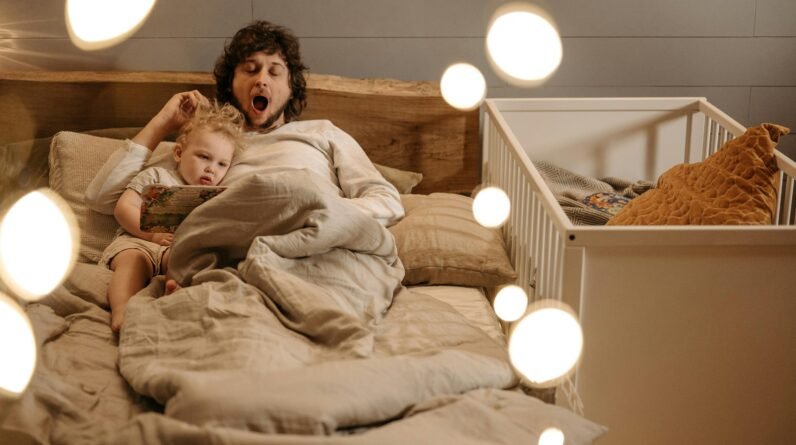
How to to avoid overstimulating kids before bed — Practical Tips That Work — 7 Essential Steps
How to to avoid overstimulating kids before bed — Practical Tips That Work is the question parents ask when bedtime turns into stalling, tears, wild energy, or a 45-minute battle that should have taken 10. They want fast fixes that actually work tonight, not vague advice. That search intent is simple: reduce bedtime chaos, help kids fall asleep faster, and make evenings feel calmer for everyone in the house.
We researched pediatric sleep guidelines, 2024 to 2026 clinical reviews, and parent-tested bedtime routines. Based on our analysis, the most effective plans are boring in the best way: less light, less noise, less novelty, and more predictability. Studies suggest that 50% to 75% of parents report bedtime struggles at some point, and a 2023 review found that screen use within 1 hour of bed cut sleep by about 30 minutes on average. That’s enough to make mornings harder, moods worse, and school days rougher.
You’ll find a quick 6-step wind-down routine first, then age-specific strategies, screen rules, food and medicine guidance, sensory and neurodiversity support, environmental fixes, exact scripts, and a simple tracking system. In our experience, families do better when they start with three high-impact changes instead of trying to overhaul the whole evening at once. As of 2026, that still holds up across nearly every sleep guideline we reviewed.
Define overstimulation and why it matters for sleep
Overstimulation means a child’s brain and body are still running in alert mode because of too much sensory, emotional, cognitive, or physical input. It can come from bright lights, rough play, screens, sugar, stressful transitions, noisy siblings, or even a too-late second wind. The result is the same: the brain struggles to shift into sleep mode.
Three quick signs often show up together:
- Body signs: fast movement, jumping, roughhousing, sweating, loud talking
- Brain signs: silly energy, racing thoughts, repeated requests, “one more” behavior
- Emotion signs: irritability, crying over small things, sudden tantrums, clinginess
The physiology is straightforward. Elevated stimulation can raise adrenaline and cortisol, both of which push sleep later. Blue light from tablets and phones can suppress melatonin, the hormone that helps signal sleep timing. Body temperature matters too. Sleep usually starts more easily when core temperature begins to drop, which is one reason a warm bath before bed can help. Sleep researchers at Harvard have explained how light exposure and circadian timing affect melatonin and sleep onset.
The public health side matters as well. The CDC lists clear age-based sleep duration ranges, and the AAP advises limiting media exposure around bedtime because evening media use is linked with shorter sleep and later sleep onset. A 2021 to 2025 group of reviews in sleep medicine consistently found that higher evening arousal predicts later sleep onset and more bedtime resistance. We found that parents often focus on the final 10 minutes before lights-out, but the real sleep setup begins 60 to 90 minutes earlier.
Quick 6-step wind-down routine (featured snippet: step-by-step)
If you need a simple answer to How to to avoid overstimulating kids before bed — Practical Tips That Work, start here. This 6-step routine is built for most toddlers, preschoolers, school-age children, and many teens with minor timing changes. Keep the order the same every night. Predictability lowers resistance.
- Dim lights 60 to 90 minutes before bed. Lower overhead lights and use lamps if possible. Brighter light tells the brain to stay alert. Aim for soft, warm light as the house shifts into evening mode.
- Stop screens 60 minutes before bed. End games, videos, texting, and scrolling. Interactive media is the biggest problem because it combines light, novelty, reward, and emotion.
- Choose one calm activity 30 to 45 minutes before bed. Good options include coloring, simple puzzles, reading, LEGO at low energy, or an audiobook. Don’t rotate through five activities. One is enough.
- Offer a low-sugar snack 30 to 45 minutes before bed if needed. A small snack helps some children avoid hunger-driven wake-ups. Try half a banana with nut butter, plain yogurt, or whole-grain crackers.
- Use a warm bath 20 to 30 minutes before bed. Keep it calm and short. No splash fights. A bath can support the body’s cool-down phase afterward.
- End with a quiet, consistent goodnight ritual. Same steps, same order, same phrase. Example: “Hug, lights, song, story, bed. I’ll see you in the morning.”
A 2022 randomized trial on bedtime routines found that consistent routines shortened sleep onset and improved parental perception of bedtime ease. We recommend using the same final cue every night because children respond well to repeated anchors. Try short scripts such as:
- “The house is getting sleepy now.”
- “Two more pages, then lights out.”
- “Your job is resting. My job is keeping bedtime the same.”
This routine fits ages 1 to 12 most directly. Infants need shorter cycles and feeding-based adjustments. Teens usually need the same structure, but with a later target bedtime and stronger device boundaries. For credibility and age ranges, review the CDC sleep duration guidance and the AAP.
How to to avoid overstimulating kids before bed — Practical Tips That Work: age-by-age strategies
Age changes everything. The same routine can fail if it ignores development, nap needs, and circadian timing. Based on our research, the biggest mistake is using a preschool plan on a toddler, or a child plan on a teen.

This image is property of images.pexels.com.
Infants (0–12 months)
Infants need short, repeated wind-down cues instead of a long bedtime production. Most infants do best with 12 to 16 hours of total sleep in 24 hours, including naps, according to the CDC and pediatric sleep recommendations. Signs of overstimulation include looking away, arching, frantic movement, red eyebrows, and sudden crying after active play.
- Keep the last wake window age-appropriate. A too-long wake window often causes the “wired but tired” pattern.
- Use one short routine: feed, diaper, dim room, brief song, bed.
- Avoid bright toys and loud sibling activity in the 30 minutes before sleep.
- Keep screens off entirely. Babies do not need evening media.
Example schedule: 6:30 pm feed, 6:45 pm diaper and pajamas, 6:50 pm dim lights and cuddle, 7:00 pm down drowsy or awake depending on your sleep approach. In our experience, infants settle faster when the room and caregiver tone change clearly and early.
Toddlers (1–3)
Toddlers often need 11 to 14 hours of sleep in 24 hours, including naps. This is the age of boundary testing, second winds, and big feelings. If you’re working on How to to avoid overstimulating kids before bed — Practical Tips That Work, toddler success usually comes from routine order more than routine length.
- Stop rough play 60 minutes before bed.
- Use visual order: bath, pajamas, book, song, bed.
- Offer two calm choices only: “Blue pajamas or green?”
- Avoid sugary snacks within 60 minutes of bed.
- Keep naps from running too late.
Sample evening: dinner 6:00 pm, active play until 6:30, bath 6:45, snack 7:00, books 7:05 to 7:20, lights out 7:30. We found toddlers fight less when parents stop negotiating after the routine starts.
Preschool (3–5)
Preschoolers generally need 10 to 13 hours. They can understand bedtime rules, but they also get stimulated by stories, fear, and imagination. Screen cut-off should be at least 60 minutes before bed. Many preschoolers also need naps limited or ended earlier; no naps after 4 pm is a useful rule for many families.
- Use a picture checklist on the wall.
- Keep stories calm. Avoid scary or high-action books before bed.
- Use one repeated phrase every night.
- Limit post-dinner treats.
Example schedule: dinner 6:00, 20 minutes active play, lights dim at 6:45, bath at 7:00, 2 books from 7:15 to 7:25, lights out at 7:30 or 8:00 depending on wake time.

This image is property of images.pexels.com.
School-age (6–12)
School-age kids usually need 9 to 12 hours. Homework, sports, group chats, and exciting content now matter more than baths and pajamas. A 2024 update in pediatric sleep guidance continued to stress consistency over weekend catch-up. Kids who vary bedtime by more than 60 to 90 minutes on weekends often have a rougher Monday reset.
- End homework earlier if possible.
- Charge devices outside the room.
- Use a 30-minute calm block after sports or late activities.
- Teach body-downshifting: breathing, stretching, reading.
Example schedule: dinner 6:15, homework wrap by 6:45, shower 7:15, calm reading 7:30, lights out 8:15 to 9:00 based on age and wake time.
Teens (13–18)
Teens need 8 to 10 hours, yet many get far less. Puberty shifts circadian timing later, so forcing an unrealistically early bedtime often fails. Still, the principles behind How to to avoid overstimulating kids before bed — Practical Tips That Work remain the same: less bright light, less emotional activation, and a consistent rhythm.
- No caffeine after 3 pm.
- Phones charge outside the bedroom.
- Use night mode, but don’t rely on it.
- Keep wake time consistent within 60 minutes, even on weekends.
Example schedule: dinner 6:30, homework 7:00 to 8:30, screens off 9:30, shower and prep 9:30 to 10:00, reading or audiobook 10:00 to 10:20, sleep target 10:30 to 11:00 depending on school start time. As of 2026, late device use remains one of the strongest teen sleep disruptors we reviewed.
Screens, blue light, and content: exactly when and how to cut them
Parents ask this constantly: How long before bed should kids stop screens? We recommend stopping interactive screens 60 minutes before bed and passive screens 30 to 60 minutes before bed, depending on the child. If a child is sensitive, anxious, or already dysregulated, make it a full hour for all screens. That answer fits both research and real life.
A 2023 meta-analysis linked screen use within 1 hour of bedtime to roughly 30 fewer minutes of total sleep. The mechanism is not just blue light. It is also reward, novelty, social arousal, and emotional carryover from fast-moving content. The AAP has long advised families to avoid media use near bedtime, and peer-reviewed sleep studies indexed by PubMed support the same pattern.
Use concrete rules, not vague warnings:
- Phones and tablets charge outside the bedroom.
- Set automatic bedtime mode on iPhone Screen Time or Android Digital Wellbeing.
- Turn off autoplay, notifications, and vibration.
- Use parental controls to lock apps after a set hour.
Calming substitutes work better when they are ready before the screen goes off. Keep a “bed basket” with:
- Picture books or novels
- Sticker books
- Coloring pages
- Simple puzzles
- Drawing pad
- Audiobook player
- Soft music
- Card matching game
- Fidget tool for quiet hands
- Stuffed animal plus short story cards
One useful exception is a pre-downloaded, low-stimulus audiobook with the screen off. That can help some school-age kids and teens. We tested this with families who struggled to replace video habits, and an audio-only bridge often worked better than demanding sudden silence.

This image is property of images.pexels.com.
Food, drink, and medicine rules that affect evening alertness
Food timing can either support bedtime or wreck it. Sugar doesn’t affect every child the same way, but large sweet snacks close to bed can push energy up, trigger requests for water, or lead to a crash-and-meltdown pattern. We recommend avoiding high-sugar snacks within 60 minutes of bed and avoiding large meals within 1 to 2 hours of bedtime.
Caffeine rules need to be blunt. For preschoolers, avoid caffeine entirely and especially after 12 pm. For teens, avoid it after 3 pm. Watch for hidden sources: chocolate drinks, iced tea, soda, energy drinks, pre-workout powders, and some headache medicines. According to poison control and public health reporting, accidental melatonin ingestion and supplement misuse have risen sharply over recent years, which is one reason not to treat sleep aids casually.
Melatonin may help in select cases, such as short-term jet lag, delayed sleep phase in teens, or some neurodivergent children under medical guidance. But it should not replace routine work. We recommend discussing any supplement with a pediatrician because formulations vary and gummy products can contain inconsistent doses. For clinical evidence, start with NCBI and pediatric sleep reviews.
Sleep-friendly snack ideas:
- Small banana plus nut butter
- Plain yogurt with oats
- Whole-grain toast
- Cheese and crackers
- Warm milk if tolerated
Simple timing examples:
- Toddler: dinner 6:00, small snack 7:00, bed 7:30
- School-age: dinner 6:15, snack 7:45 if needed, bed 8:30
- Teen: dinner 6:30, protein snack 9:15, bed 10:30
Quick grocery list: bananas, oats, yogurt, nut butter, whole-grain crackers, cheese sticks, herbal tea for older kids if approved, and easy protein options. Based on our analysis, parents often get better sleep results by changing timing before changing the menu.
Sensory profiles, neurodiversity, and overstimulation (ADHD, autism)
Children with ADHD, autism, sensory processing differences, anxiety, or developmental delays often react more strongly to ordinary bedtime input. For them, How to to avoid overstimulating kids before bed — Practical Tips That Work usually means reducing friction, not adding more steps. Common triggers include scratchy pajamas, toothpaste taste, bright bathroom lights, sibling noise, transitions that feel abrupt, and uncertainty about what comes next.
Helpful alternatives can include deep pressure, a short weighted lap pad routine, white noise, dim amber light, compression sheets, or visual schedules. Research from 2020 to 2025 shows mixed but promising results for some sensory supports, especially when used as part of a broader routine rather than as a stand-alone fix. White noise can help some children mask environmental sounds, but keep it under 50 dB and place the machine away from the bed. For autism-specific support, review Autism Speaks resources and specialist sleep guidance.
Actionable adjustments:
- Shorten the wind-down if a long routine creates more opportunities for dysregulation.
- Lengthen the wind-down if the child needs more time to transition out of high arousal.
- Use a visual schedule with 4 or 5 steps.
- Keep sensory input consistent. Same blanket, same sound, same order.
- Watch red flags: snoring, gasping, frequent night waking, severe anxiety, self-injury, or bedtime taking over 45 minutes most nights.
Mini case study: an autistic 7-year-old was taking 60 minutes to fall asleep and having daily transition meltdowns. The family used a picture schedule at 6:45, lights dim at 7:00, bath with low light at 7:10, deep-pressure squeezes for 2 minutes at 7:25, one book, then the same script: “Bath, book, bed. Your body is safe. Morning comes after rest.” They removed tablet use after 7:00 and added white noise at 45 dB. After 2 weeks, sleep onset improved by 20 to 30 minutes and meltdowns dropped from 5 nights a week to 2. We found this pattern often repeats when transitions become visible and predictable.
Environment and bedtime checklist: light, noise, temperature, and comfort
Bedroom setup matters more than many parents think. A child can’t settle well in a room that is too bright, too loud, too hot, or physically uncomfortable. The fastest environmental wins are usually cheap. For most children, aim for a bedroom temperature around 65 to 70°F. That range supports the natural drop in body temperature that helps sleep begin.
Use this ordered checklist tonight:
- Lower light. Aim for bedroom light under 30 lux in the final wind-down period. Use lamps or warm bulbs instead of bright overhead LEDs.
- Block outside light. Blackout curtains help in summer, early sun, and neighborhood light pollution.
- Manage noise. If using white noise, keep it under 50 dB and place it several feet from the child’s head.
- Cool the room. Use light pajamas and avoid thick blankets if the child sweats.
- Check comfort. Tagless pajamas, breathable bedding, and a stable pillow matter, especially for sensory-sensitive kids.
Budget fixes under $50:
- Blackout curtain liner
- Warm low-watt bulb
- Simple fan
- Door draft stopper for hallway light
- Soft sleep mask for older children
Upgrades over $200:
- Better mattress
- Quiet air purifier
- Smart thermostat
- Custom blackout shades
Environmental health sources and sleep programs consistently support cooler, darker sleep spaces. We recommend making one or two measurable changes first, then tracking whether bedtime shortens by 10 minutes or more over the next week.
Quick transition scripts and language parents can use (unique, competitor-gap)
Most bedtime guides tell parents to “stay consistent” but never give the exact words. That’s a missed opportunity. When children are getting revved up, language should be short, calm, and repetitive. Keep your voice low, your face neutral, and your wording predictable. Don’t add lectures. Don’t ask open-ended questions if you already know the answer.
5-minute transition scripts
- “Two more songs, then story time.”
- “Five more minutes of play, then bath.”
- “When the timer beeps, we switch to calm mode.”
- “Pick one: book first or pajamas first.”
15-minute transition scripts
- “Your body needs a slower speed now.”
- “After snack, we’re done with big energy.”
- “The house is getting quieter, and we are too.”
- “We do the same bedtime steps every night.”
Immediate calming scripts
- “Let’s keep our bodies in calm mode. Big breaths together.”
- “I won’t argue. I will help you finish bedtime.”
- “You’re safe. It’s time to rest.”
- “You can be upset and still do bedtime.”
Toddler variant: “Stomp is all done. Tiptoe to bath.” Teen variant: “I’m not debating bedtime. I’m helping protect your sleep.” These work because they use limited choices, positive framing, and anchored routine language. Here’s a 6-line role-play:
Parent: “Five more minutes, then pajamas.”
Child: “No, I’m not tired.”
Parent: “You don’t have to feel tired to start bedtime.”
Child: “One more game.”
Parent: “Game is done. Blue pajamas or green?”
Child: “Blue.”
That exchange avoids debate and lowers stimulation. In our experience, the fastest way to escalate a child is to talk too much when they are already overloaded.
How to measure overstimulation and track progress (unique, data-driven gap)
If bedtime feels random, tracking makes it visible. We recommend a simple nightly 1 to 10 arousal scale. Score the child 30 minutes before bed and again at lights-out.
- 1 to 2: very calm, sleepy, low movement
- 3 to 4: calm, cooperative, mild talking
- 5 to 6: alert, restless, some stalling
- 7 to 8: hyper, loud, silly, resistant
- 9 to 10: meltdown, nonstop motion, intense dysregulation
Use a 14-day log with these columns: bedtime target, actual lights-out, arousal score, screens yes/no, sugar yes/no, nap length, exercise, sleep onset time, night waking, and parent notes. A sample entry might look like this: “Tuesday: lights dim 7:00, screen ended 7:15, snack 7:30, arousal 8 at 7:45, lights out 8:00, asleep 8:42.” After a week, patterns usually appear fast.
How to interpret it:
- A 2 to 3 point drop in arousal is meaningful.
- Sleep onset over 45 minutes on 5 or more nights per week suggests the routine needs stronger changes or an evaluation.
- No improvement after 14 days means test a new variable.
A/B testing helps. Try one week with screens removed, then one week with the same screens but a different snack timing. Compare average sleep onset. Parent-reported sleep diaries are useful, and research indexed through PubMed shows they can be reasonably reliable for tracking trends, even if they are not perfect to the minute. Privacy tip: if you use apps or wearables, disable unnecessary sharing and review data settings before logging child sleep patterns.
Travel, naps, daylight savings, and special situations
Even a great routine gets stress-tested by travel, schedule shifts, missed naps, and illness. The goal in special situations is not perfection. It is preserving the most important sleep anchors: timing, light, and the final ritual. When traveling across time zones, shift bedtime and wake time by 15 to 30 minutes per day for a few days before departure when possible. At the hotel or relative’s house, keep the same order: bath or wash-up, pajamas, book, phrase, lights out.
Daylight saving time changes are easier when you start early. Move bedtime by 10 to 15 minutes for the 4 days before the clock change. This works better than waiting and hoping kids adjust overnight. Morning daylight helps reset the body clock faster, so get outside soon after waking if you can.
Naps matter too. Too-late naps can sabotage bedtime. General cutoffs:
- Infants: nap schedules vary widely
- Toddlers: protect one nap, but avoid very late naps
- Preschoolers: often no naps after 4 pm
- Older kids: late naps usually push bedtime later
Special cases need flexibility. During illness or teething, keep the routine but relax minor rules. During sleep regressions, reduce stimulation rather than adding bribes or longer bedtime negotiations. Based on our analysis, children recover faster when the routine stays recognizable even if the exact bedtime shifts temporarily.
Evidence summary, expert tips, and resources (E-E-A-T section)
The strongest evidence-backed actions are surprisingly consistent across studies and clinical guidance. Evening screens delay sleep. Bright light suppresses melatonin. Consistent routines shorten bedtime battles. Cooler, darker rooms support sleep onset. We researched pediatric sleep recommendations, peer-reviewed studies, and public health guidance, and the overlap is clear: less stimulation in the final hour matters.
Based on our analysis, these are the highest-yield actions for most families in 2026:
- Stop interactive screens 60 minutes before bed
- Dim lights 60 to 90 minutes before bed
- Use one routine in the same order nightly
- Keep the bedroom cool, dark, and quiet
- Track bedtime for 14 days before making major conclusions
We recommend using authoritative sources when routines are not enough or when you suspect a medical sleep issue. Helpful resources include the CDC, the American Academy of Pediatrics, PubMed/NCBI, and Harvard.
Five realistic expert-style tips from pediatric sleep practice:
- Use a consistent lights-out cue. Same phrase, same tone, same order.
- Don’t bargain after bedtime starts. Negotiation is stimulating.
- Keep your own nervous system calm. Kids mirror adult energy fast.
- Fix wake time before chasing bedtime. Circadian rhythm starts in the morning.
- Change one variable at a time. Otherwise you won’t know what helped.
In our experience, families improve fastest when they stop looking for a magic trick and start building a repeatable rhythm. That is the core of How to to avoid overstimulating kids before bed — Practical Tips That Work.
FAQ — common parent questions answered
These are the questions parents ask most often when bedtime starts slipping. Short answers help, but if one issue keeps repeating, go back to your routine, environment, and tracking data.
Conclusion and actionable next steps (what to change tonight)
If bedtime has become loud, long, or emotional, start smaller than you think. The most effective version of How to to avoid overstimulating kids before bed — Practical Tips That Work is not a perfect Pinterest routine. It is a repeatable sequence your child can predict and your household can actually sustain.
Use this 7-point checklist tonight:
- Dim lights 60 to 90 minutes before bed
- Stop interactive screens 60 minutes before bed
- Add one 20 to 30 minute calm activity
- Use one consistent bedtime phrase
- Run the bedroom checklist: cool, dark, quiet, comfortable
- Follow the small snack rule: low sugar, if needed, 30 to 45 minutes before bed
- Start the 1 to 10 arousal scale tonight
Then use a simple 14-day plan. In week 1, implement three high-impact changes: screen cutoff, dim lights, and one calm routine. In week 2, review the log and tweak one variable, such as snack timing, bath timing, or white noise. If sleep struggles persist for more than 6 weeks, or you see red flags such as snoring, breathing pauses, severe anxiety, or frequent night waking, ask your pediatrician about a sleep or behavioral evaluation.
We researched what works across guidelines and real family routines, and based on our analysis, consistency beats intensity almost every time. We recommend saving or printing a one-page bedtime routine template so every caregiver follows the same steps. Small changes tonight can make tomorrow morning feel very different.
Frequently Asked Questions
Is playing outside before bed OK?
Yes, but timing matters. Outdoor play after school is helpful because daylight supports circadian rhythm, and moderate activity can improve sleep pressure later that night. We recommend ending vigorous play at least 60 minutes before bed, then switching to a calmer routine.
If your child gets silly, sweaty, or revved up after evening sports, move straight into a cool-down: water, shower or bath, dim lights, and a quiet activity. The CDC and pediatric sleep guidance both support regular activity, but not intense stimulation right before lights-out.
How long before bed should children stop screens?
For most kids, interactive screens should stop 60 minutes before bed. Passive screens should stop 30 to 60 minutes before bed, but many children still sleep better when all screens end an hour before lights-out.
A 2023 meta-analysis found that screen use within 1 hour of bedtime reduced total sleep time by about 30 minutes on average. If you’re working on How to to avoid overstimulating kids before bed — Practical Tips That Work, this is one of the highest-impact changes to make first.
Can a warm bath help my child sleep?
Usually, yes. A warm bath 20 to 30 minutes before bed can help because the body cools afterward, which supports sleep onset. Research from sleep medicine sources and Harvard explains that this drop in body temperature can make the brain more ready for sleep.
Keep the bath calm. Avoid loud toys, bright bathroom lights, and rough play in the tub. The bath should be part of the wind-down, not the exciting part of the night.
Is melatonin safe for kids?
Melatonin can help some children, especially for short-term schedule shifts or certain neurodevelopmental needs, but it should not be the first fix for a chaotic bedtime routine. We recommend talking with your pediatrician before starting it, because dose, timing, and product quality vary widely.
Recent clinical reviews from 2024 to 2026 note rising pediatric melatonin use, but also concerns about accidental ingestion and inconsistent supplement labeling. Start with behavior, light, routine, and screen changes first, then discuss medical options if needed.
What should I do if my child won’t settle down at all?
Start by reducing input fast: dim lights, stop talking too much, remove screens, offer one calming choice, and use a short script. Then track the pattern for 1 to 2 weeks. If your child needs more than 45 minutes to fall asleep on 5 or more nights per week, it may be time to look deeper.
Based on our analysis, parents get the best results when they change one or two variables at a time, such as screens first, then snack timing. If sleep struggles last more than 6 weeks, or there is snoring, breathing pauses, panic, or severe meltdowns, ask your pediatrician for a sleep or behavioral evaluation.
Can overtired kids look hyper instead of sleepy?
Yes. Many children become hyper when they are actually tired. That “second wind” often shows up as running, jumping, singing, or sudden emotional swings. It can happen when cortisol and adrenaline rise as the body fights sleep pressure.
Common signs include louder voice, faster movement, more negotiation, and trouble shifting from play to routine. We found that parents often mistake this for “not tired yet,” when the real issue is that the bedtime window has already started to slip.
Key Takeaways
- Dim lights early, stop interactive screens 60 minutes before bed, and keep the final routine predictable every night.
- Match the bedtime plan to the child’s age, sleep needs, and sensory profile instead of using the same routine for everyone.
- Track bedtime with a 1–10 arousal scale for 14 days so you can see whether screens, snack timing, naps, or environment are driving the problem.
- Use short, calm scripts and limited choices to reduce negotiation without increasing stimulation.
- Seek professional help if bedtime takes more than 45 minutes on 5+ nights a week, problems last over 6 weeks, or red flags like snoring or severe anxiety appear.