


Woodland Animal Bedtime Stories for Gentle Dreams
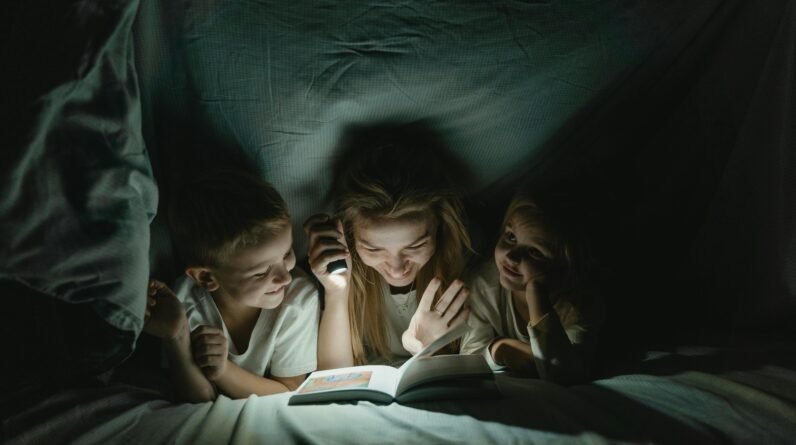
Few nighttime rituals are as comforting as woodland animal bedtime stories. When children settle under warm blankets and the lights dim, gentle tales about foxes, owls, hedgehogs, and rabbits help quiet busy minds and prepare them for sleep.
Soft storytelling acts as a bridge between a lively day and peaceful dreams. Through calm woodland adventures, children experience friendship, kindness, and small lessons in empathy — all wrapped in soothing narratives that make bedtime feel safe and predictable.
If you enjoy animal bedtime stories, these gentle woodland tales offer the perfect way to end the day.
Why Woodland Animal Bedtime Stories Help Children Sleep Better
Stories have always been powerful bedtime tools. A calm narrative slows breathing, lowers stimulation, and helps children mentally transition from activity to rest. Woodland animals make ideal characters because they feel familiar and safe while still sparking imagination.
These stories also nurture emotional growth. Through the experiences of animals, children learn empathy, patience, and problem-solving without the pressure of real-world conflict.
The Gentle Tone That Encourages Relaxation
A soothing storytelling tone creates a peaceful atmosphere. Instead of dramatic action, gentle bedtime stories focus on quiet discoveries, small adventures, and comforting endings. This calm rhythm helps children relax while listening.
Most bedtime stories end not with excitement but with reassurance — characters returning home, sharing tea, or settling into their own beds beneath quiet forest skies.
Why Animal Bedtime Stories Create Comforting Worlds
Forests are naturally calming environments filled with soft sounds, rustling leaves, and friendly woodland creatures. These settings provide children with cozy worlds where problems remain small and solutions feel reassuring.
A lost mitten, a misplaced acorn, or a missed tea invitation becomes a gentle adventure. The stakes stay low, allowing children to explore emotions without anxiety.
Woodland Settings Feel Safe and Familiar
Forest environments offer warmth and familiarity. The imagery of mossy paths, quiet trees, and glowing lanterns creates an atmosphere that naturally encourages relaxation.
This calm sensory storytelling helps children picture peaceful scenes while preparing their minds for sleep.

Key Elements of Gentle Animal Stories Before Bed
Great bedtime stories share a few important qualities that make them relaxing and enjoyable:
- Calming atmosphere and descriptive sensory details
- Simple conflicts that feel relatable
- Kind resolutions that reassure children
- A light touch of humor or warmth
Calming Atmosphere
Soft descriptions of rustling leaves, moonlight through branches, or warm blankets create an environment where children can mentally slow down.
Small and Relatable Conflicts
Conflicts should remain gentle. A squirrel searching for a nut or a hedgehog misplacing a comb provides enough story movement without creating tension.
Comforting Endings
The best bedtime stories end with reassurance. Characters find what they need, make peace with friends, and settle down for sleep.
Short Woodland Animal Bedtime Stories (Examples)
The Night the Squirrel Forgot His Name
One evening a curious squirrel hopped through the forest wondering why everyone seemed to know his name except him. After asking owls, mice, and birds, a tiny sparrow reminded him that sometimes names matter less than kindness and curiosity. The squirrel laughed and realized his friends already knew exactly who he was.
The Hedgehog Who Lost His Comb
Percy the hedgehog treasured a small twig he used to tidy his spikes. When it disappeared, he searched the forest asking friends for help. Eventually he discovered a cricket had borrowed it to support a mushroom. Percy smiled, reclaimed his comb, and shared a laugh with his new friend.
The Owl Who Tried to Save All Her Sleep
A young owl believed she could collect naps like acorns and store them for later. But every night she felt more tired. A wise mole explained that sleep works best in rhythm — a little rest each day and night. The owl learned her lesson and slept peacefully beneath the moon.
How to Tell Gentle Animal Stories at Bedtime
Parents and caregivers can make bedtime stories even more effective with a few simple techniques:
- Read slowly and calmly
- Use a quiet, comforting voice
- Pause occasionally for atmosphere
- Allow repetition when children request the same story
Voice and Story Pacing
A slow storytelling pace mirrors the rhythm of sleep. Gentle pauses and soft voice changes help children remain engaged while gradually relaxing.
Adapting Bedtime Stories for Different Ages
| Age Group | Story Type | Length | Tone |
|---|---|---|---|
| 0–2 years | Repetitive calming tales | 3–5 minutes | Very gentle |
| 3–5 years | Short woodland adventures | 5–8 minutes | Warm and playful |
| 6–8 years | Curious animal quests | 8–12 minutes | Reflective |
| 9–12 years | Longer narrative stories | 12–20 minutes | Thoughtful |
Creating Your Own Woodland Bedtime Story
You can easily invent your own bedtime stories using this simple structure:
- Choose a gentle woodland animal character.
- Give them a small goal or curiosity.
- Introduce a mild problem.
- Add a helpful forest friend.
- Resolve the problem with kindness.
- End with a peaceful nighttime scene.
This structure keeps stories simple while encouraging imagination and warmth.
Explore More Gentle Bedtime Stories
If your child enjoys forest adventures and relaxing storytelling, explore our full collection of gentle animal stories. These calming tales help create peaceful bedtime routines and encourage better sleep.
You can also download a printable collection from our free bedtime stories PDF to read anytime.
Conclusion
Bedtime stories are small but meaningful rituals that help children feel secure and calm at the end of the day. Woodland animal bedtime stories offer a perfect balance of imagination and comfort — gentle adventures where kindness always wins and the forest grows quiet under the moon.
Whether you tell these stories exactly as written or invent your own woodland tales, the real magic lies in the quiet moments shared between storyteller and listener before sleep.
FAQ: Woodland Animal Bedtime Stories
Why are woodland animal bedtime stories good for children?
Woodland animal stories create calm environments that help children relax before sleep. The familiar forest setting and gentle characters make it easier for children to connect emotionally while avoiding stressful or overly dramatic plots. These soothing narratives encourage imagination while helping kids wind down naturally.
What age group enjoys animal bedtime stories the most?
Animal bedtime stories are especially popular with children aged three to eight. Younger children enjoy repetition and simple plots, while older children appreciate slightly longer adventures involving friendship and discovery. The flexibility of animal characters makes them appealing across a wide age range.
How long should a bedtime story be?
Most bedtime stories work best when they last between five and twelve minutes. Younger children often prefer shorter stories with repetitive phrases, while older kids may enjoy longer tales with a gentle quest or small mystery.
What makes a bedtime story calming instead of exciting?
Calming bedtime stories avoid intense action or suspense. Instead, they focus on peaceful settings, small problems, and reassuring endings. Soft descriptions, steady pacing, and warm character interactions help children relax and prepare for sleep.
Can parents create their own woodland bedtime stories?
Yes, creating your own bedtime stories is simple and fun. Choose a friendly woodland animal, give them a small goal or challenge, introduce a helpful friend, and end the story with a comforting resolution. Improvised stories often become family favorites.
Do bedtime stories improve sleep routines?
Yes. Regular storytelling helps establish consistent nighttime routines. When children associate stories with bedtime, their brains begin to recognize storytelling as a signal that sleep is coming. Over time, this ritual can make falling asleep easier and more predictable.