Toddler Bedtime After Stopping the Pacifier: Gentle Ways to Help Your Child Sleep
Has your toddler suddenly started resisting bedtime after giving up their pacifier?
Perhaps your little one used to settle peacefully with their favourite dummy, but now bedtime involves tears, repeated requests for cuddles, getting out of bed or asking for the pacifier again.
If this sounds familiar, you are not alone.
For many young children, a pacifier is more than something to suck. It can become a familiar source of comfort, particularly when they feel tired, overwhelmed or ready to separate from their parents at bedtime.
When that familiar comfort disappears, your toddler may need time and reassurance to adjust.
The good news is that you can help your child develop new, comforting bedtime habits without turning every evening into a battle.
In this guide, we will explore why bedtime can become more difficult after stopping the pacifier and share gentle, practical ways to help your toddler feel secure, settle down and enjoy peaceful evenings again.

Why Does Bedtime Become Harder After Stopping the Pacifier?
For some toddlers, sucking on a pacifier is a familiar way to relax. It may help them feel settled when they are tired, upset or preparing to sleep.
Over time, your child may associate having their pacifier with falling asleep.
When it is no longer available, they may not immediately know what to do instead.
This does not necessarily mean your child has developed a sleep problem. They may simply be adjusting to a change in their bedtime routine.
You might notice:
- More crying or frustration when bedtime begins.
- Asking repeatedly for their old pacifier.
- Taking longer to settle down.
- Wanting extra cuddles or reassurance.
- Waking during the night and calling for you.
- Trying to delay bedtime with additional requests.
- Becoming upset when you leave the bedroom.
Every child responds differently. Some adjust within a few nights, while others need more time and support.
The important thing is to recognise that your toddler may be missing a familiar comfort rather than deliberately making bedtime difficult.
1. Understand That Your Toddler Has Lost a Familiar Comfort
Before changing your bedtime routine, consider what the pacifier meant to your child.
It may have been their way of calming themselves after a busy day. Perhaps they reached for it whenever they felt tired or needed reassurance.
Now they are learning how to manage those feelings without it.
This can be a significant adjustment for a young child.
Instead of telling your toddler that they are too big for a pacifier or that they should stop crying, acknowledge their feelings.
You could say:
“I know you miss your pacifier. It helped you feel cosy at bedtime. I’m here to help you feel comfortable.”
Simple, reassuring words can help your child feel understood.
Try to avoid making your toddler feel embarrassed about missing their pacifier. They are learning a new habit, and that takes time.
2. Introduce a New Bedtime Comfort Item
One helpful way to support your toddler is to introduce another familiar source of comfort.
For a child over 12 months, an age-appropriate comfort toy may become part of the bedtime routine.
You could let your toddler choose a favourite:
- Soft teddy bear.
- Small, age-appropriate comfort toy.
- Favourite bedtime storybook.
- Special bedtime blanket, where appropriate and safe.
- Familiar toy that stays in the bedroom.
Allowing your child to choose can make the new bedtime item feel special.
For example, you might say:
“Would you like Bunny or Teddy to keep you company tonight?”
This gives your toddler a little control while helping them become familiar with a new bedtime ritual.
Safety reminder: Choose a suitable, age-appropriate item without loose parts, cords, ribbons or small pieces that could create a choking or strangulation risk. Keep infant safe-sleep guidance in mind for babies under 12 months.
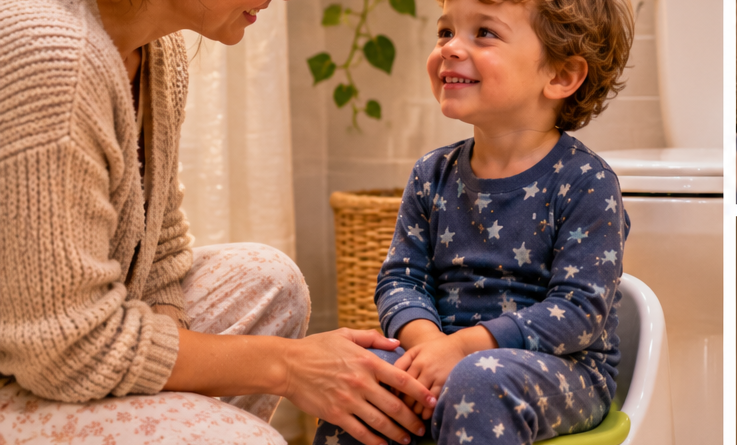
Image 1 – A New Source of Bedtime Comfort

ALT text: Mother gently comforting her toddler during the transition away from pacifier use at bedtime.
3. Create a Calm and Predictable Bedtime Routine
When something familiar changes, a predictable routine can help your toddler feel secure.
Rather than focusing entirely on the missing pacifier, introduce a sequence of calming activities that your child can look forward to every evening.
For example:
- Have a warm bath or wash.
- Put on comfortable pyjamas.
- Brush teeth.
- Dim the bedroom lights.
- Choose a favourite bedtime story.
- Enjoy a cuddle and quiet conversation.
- Say goodnight using the same reassuring words.
You do not need an elaborate routine.
The important thing is consistency. Repeating the same activities in a similar order helps your toddler understand that bedtime is approaching.
Try to keep the routine relaxed rather than rushing through it.
The NHS recommends a predictable wind-down routine and consistency when helping young children settle at night.
You can also explore our guide to creating a calm bedtime routine for toddlers.
4. Use Bedtime Stories to Replace the Pacifier Ritual
One of the loveliest ways to help your toddler adjust is to introduce a short bedtime story.
If your child previously used their pacifier while settling down, a story can become a new, comforting part of that experience.
Choose stories with:
- Gentle characters.
- Familiar family experiences.
- Reassuring endings.
- Simple language.
- Peaceful themes.
- No frightening or overstimulating scenes.
You can make storytime even more comforting by sitting beside your toddler, speaking softly and allowing them to look at the illustrations.
Over time, your child may begin to associate the story with feeling relaxed and ready for sleep.
You do not need to read for a long time. Even five peaceful minutes can become a meaningful bedtime ritual.
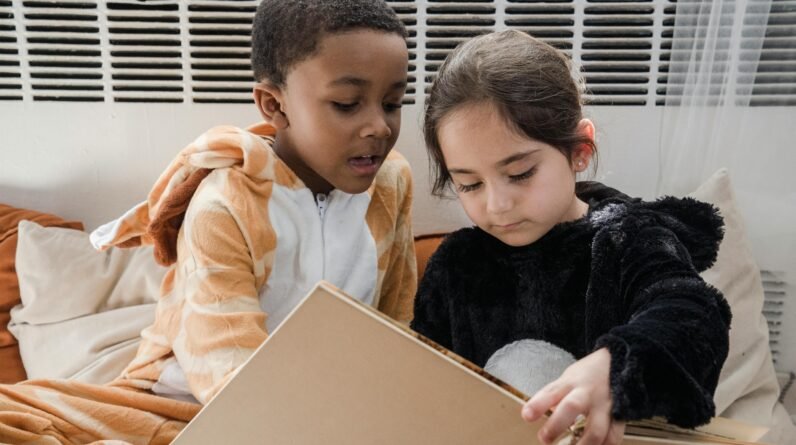
Image 2 – A Peaceful Storytime Without the Pacifier
ALT text: Mother reading a gentle bedtime story with her toddler in a cosy bedroom as part of a pacifier-free bedtime routine.
Give your little dreamer a peaceful bedtime story.
Download our free collection of calming five-minute bedtime stories, created to help families enjoy quieter evenings and special moments together.
5. Keep Your Response Gentle When Your Toddler Asks for the Pacifier
Your toddler may ask for the pacifier repeatedly, especially during the first few evenings.
They might say:
- “Where is my dummy?”
- “I want my pacifier!”
- “I can’t sleep without it!”
- “Just one more time, please!”
These requests can be difficult, particularly when everyone is tired.
Try to respond calmly and consistently.
For example:
“I know you miss your pacifier. We are learning to sleep without it now. Let’s cuddle Bunny and read your story together.”
You can acknowledge your child’s feelings without changing the boundary you have established.
Avoid arguing, threatening or shaming your toddler.
If you have decided to stop pacifier use, repeatedly reintroducing it and removing it again can make the transition confusing for some children.
A warm, predictable response helps your child understand what to expect.
6. Offer Extra Reassurance During the First Few Nights
Your toddler may need more reassurance than usual while adjusting to the new routine.
This does not mean you have to create a completely different bedtime experience.
Small gestures can make a difference:
- Offer an extra cuddle before lights out.
- Sit beside your child for a few minutes.
- Use a familiar goodnight phrase.
- Reassure them that you are nearby.
- Keep the bedroom environment calm.
- Respond to genuine distress with patience.
If your toddler calls out after you leave, use a calm and consistent response that suits your family.
Some children settle with a short reassurance from the doorway. Others may benefit from a parent sitting nearby and gradually reducing their presence over time.
There is no need to force independence overnight.
The aim is to help your child feel secure while gradually becoming comfortable with the new bedtime routine.
Image 3 – Reassurance and Connection at Bedtime

ALT text: Mother giving her toddler a comforting bedtime cuddle after the child has stopped using a pacifier.
7. What If Your Toddler Starts Waking Up During the Night?
Night waking can sometimes increase when a familiar sleep association changes.
Your toddler may wake up, remember that the pacifier is no longer available and call for you.
If this happens, try to keep the response calm and predictable.
You can:
- Reassure your child using a quiet voice.
- Keep the bedroom lights dim.
- Offer their familiar comfort toy if appropriate.
- Avoid turning the waking into playtime.
- Repeat the same short goodnight message.
- Return to the usual bedtime routine the following evening.
Try not to introduce several new bedtime habits at once.
For example, if your toddler has started sleeping without a pacifier, you may not want to simultaneously introduce a completely different bedtime schedule unless there is a good reason.
Small, manageable changes are often easier for children to understand.
If night waking is persistent, very disruptive or accompanied by other concerning symptoms, discuss it with your child’s healthcare professional.
8. Avoid Turning Pacifier Removal Into a Bedtime Battle
It is understandable to feel frustrated when your toddler refuses to settle.
However, bedtime can become more stressful if every request turns into an argument.
Try these simple approaches:
Keep instructions short.
Use calm phrases such as “It’s bedtime now” or “Let’s get cosy and read our story.”
Offer limited choices.
Allow your toddler to choose between two pyjamas, two books or two suitable comfort toys.
Praise small achievements.
Celebrate when your child tries a new bedtime activity or settles without asking for the pacifier.
Avoid punishment or embarrassment.
Your toddler is learning a new way to feel comfortable. Criticism is unlikely to make that process easier.
Keep expectations realistic.
There may be easier evenings and more difficult ones. A difficult night does not mean that your progress has disappeared.
9. How Long Does It Take for a Toddler to Adjust to Sleeping Without a Pacifier?
There is no universal adjustment period.
Some toddlers adapt relatively quickly, while others need more time to become comfortable with their new routine.
The adjustment may depend on:
- How strongly your child relied on the pacifier.
- Your toddler’s temperament.
- How consistently the new routine is followed.
- Other changes happening in the family.
- Whether your child is experiencing additional stress or disruption.
Rather than focusing on a fixed number of nights, look for gradual improvements.
For example:
- Your toddler begins accepting a comfort toy.
- Bedtime crying becomes less frequent.
- Storytime becomes a familiar part of the evening.
- Your child asks for the pacifier less often.
- Settling becomes more predictable.
These small changes can be encouraging signs that your toddler is adjusting.
10. When Should You Seek Additional Advice?
Most children can adjust to a new bedtime routine with patience and reassurance.
However, it is worth discussing persistent sleep difficulties with your GP, public health nurse or another appropriate healthcare professional.
Seek advice if:
- Your toddler’s sleep difficulties are persistent and affecting everyday life.
- Your child seems to be experiencing significant pain or discomfort.
- You notice unusual breathing difficulties during sleep.
- Your child has persistent snoring or breathing pauses.
- You have concerns about your child’s teeth, jaw or oral development.
- Your child is experiencing significant emotional or behavioural changes.
A dentist or paediatric dentist can also advise on concerns about prolonged pacifier use and its possible effects on dental development.
The American Academy of Pediatric Dentistry discusses pacifier habits and recommends positive encouragement rather than negative reinforcement when helping children stop.
Remember, this article offers general parenting guidance and is not a substitute for individual medical or dental advice.
A Gentle 5-Minute Bedtime Routine Without the Pacifier
If your toddler is finding the transition difficult, try this simple routine.
| Time | Activity |
|---|---|
| Minute 1 | Give your child a gentle cuddle. |
| Minute 2 | Choose a favourite comfort toy. |
| Minute 3 | Read a short, calming bedtime story. |
| Minute 4 | Talk quietly about something happy from the day. |
| Minute 5 | Say your familiar goodnight words and settle down. |
You can repeat this routine every evening.
The goal is not to make your toddler fall asleep in exactly five minutes. It is to create a familiar, reassuring experience that gradually replaces the old pacifier ritual.
BFM Video: Helping Your Toddler Enjoy Calmer Bedtimes
A peaceful bedtime routine can make a real difference when your child is adjusting to life without a pacifier.
Watch our Books For Minds video about making toddler bedtime calmer.
Suggested video: How to Build a Calm, No-Drama Bedtime Routine for Your Toddler
Replace this placeholder with the verified YouTube video URL before publishing.
Key Takeaways: Helping Your Toddler Sleep Without a Pacifier
Stopping pacifier use can be a big adjustment for a young child, particularly when it has been part of their bedtime routine for a long time.
Here are the most important things to remember:
- Your toddler may miss the comfort and familiarity of their pacifier.
- A suitable comfort toy can become a new bedtime companion.
- A predictable bedtime routine helps children understand what comes next.
- Gentle bedtime stories can create a positive replacement ritual.
- Respond to requests for the pacifier calmly and consistently.
- Offer extra reassurance when your child needs it.
- Avoid punishment, pressure or bedtime arguments.
- Give your toddler time to adjust.
- Seek professional advice if sleep difficulties persist or you have health or dental concerns.
Most importantly, remember that your child is learning a new way to feel safe and comfortable at bedtime.
A little patience, a familiar routine and plenty of reassurance can help make this transition easier for the whole family.
Frequently Asked Questions
1. Why is my toddler suddenly fighting bedtime after stopping the pacifier?
Your toddler may have relied on the pacifier as a familiar way to relax and settle down. Without it, they may need time to develop new ways of feeling comfortable at bedtime. A predictable routine, reassurance and suitable comfort items can help.
2. How can I comfort my toddler without a pacifier?
Try offering a suitable comfort toy, extra cuddles, a calming bedtime story or quiet conversation. Repeating the same comforting activities every evening can help your toddler feel secure.
3. Should I give my toddler the pacifier back if they cry?
If you have decided to stop pacifier use, try to respond with reassurance rather than repeatedly changing the decision. Acknowledge your child’s feelings and offer another source of comfort. If the transition is causing significant distress, discuss an appropriate approach with your child’s healthcare professional.
4. Is it normal for toddlers to wake up at night after stopping the pacifier?
Some children experience temporary changes in their sleep routine. They may wake up and look for the familiar comfort they previously associated with falling asleep. A calm, consistent response can help them adjust.
5. What can replace a pacifier at bedtime?
Depending on your child’s age and safety needs, alternatives may include an appropriate comfort toy, a familiar bedtime story, a favourite song or a consistent cuddle-and-goodnight ritual.
6. Should I let my toddler choose a new comfort toy?
Yes, offering a choice between two suitable toys can help your toddler feel involved in the transition. Letting them choose their new bedtime companion may make the experience more positive.
7. How do I stop my toddler from asking for the pacifier every night?
Use a calm and consistent response. Remind your child that the pacifier is no longer part of bedtime and redirect their attention towards a familiar comfort activity, such as cuddling a toy or reading a story.
8. Can bedtime stories help toddlers sleep without a pacifier?
Bedtime stories can become a comforting part of the evening routine. They provide quiet parent-child connection and give your toddler a familiar activity to associate with settling down.
9. Should I change my toddler’s bedtime routine when removing the pacifier?
You do not necessarily need to change the entire routine. Keeping familiar activities while introducing one or two new comfort rituals may make the transition easier.
10. When should I worry about my toddler’s sleep after stopping the pacifier?
Consider seeking professional advice if sleep difficulties persist, significantly affect your child’s wellbeing or are accompanied by symptoms such as pain, unusual breathing difficulties or persistent snoring. A healthcare professional or paediatric dentist can help address individual concerns.
Related Resources
Continue supporting your toddler’s peaceful bedtime with these Books For Minds guides:
- Calm Bedtime Routine for Toddlers
- Toddler Bedtime Battles
- When Should I Worry About My Toddler’s Sleep Problems?
Create More Peaceful Bedtime Moments With Books For Minds
Every child deserves a bedtime filled with comfort, reassurance and loving connection.
If your toddler is learning to sleep without a pacifier, a gentle bedtime story can become a lovely new part of your evening routine.
Start with our free calming five-minute bedtime stories.
DOWNLOAD YOUR FREE BEDTIME STORIES
Looking for even more stories to enjoy together?
Explore the Cozy Bedtime Stories Collection and make storytime a special part of your family’s evenings.
Books For Minds – Helping little dreamers enjoy calmer evenings and sweeter dreams