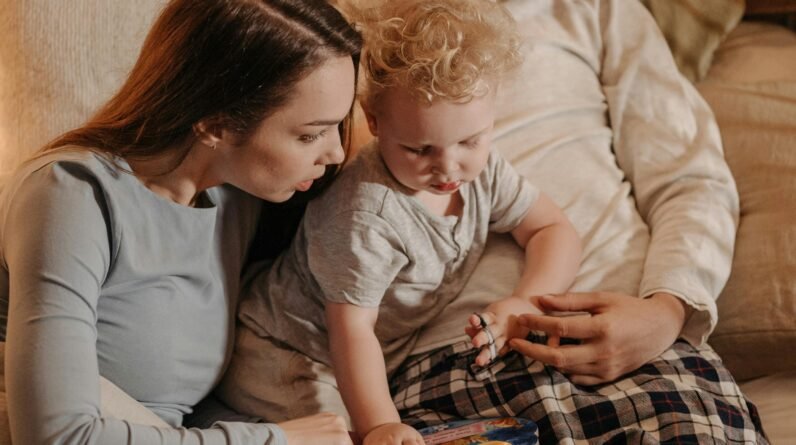




Bedtime Stories for 7 Year Olds: Fun Adventure Bedtime Stories
If you are looking for bedtime stories for 7 year olds that are funny, imaginative, and calming enough to help kids wind down, adventure stories are one of the best choices. At this age, children love quests, playful mysteries, talking animals, and silly characters like a pirate who prefers pancakes to plunder. The trick is choosing stories that feel exciting without becoming too loud or overstimulating before sleep.
Done well, bedtime stories can become more than entertainment. They can build vocabulary, support reading confidence, encourage empathy, and turn bedtime into a ritual children actually look forward to. For broader age-based collections, explore bedtime stories by age to find story ideas that match your child’s stage and reading needs.
Reading time: 8–12 minutes | Best for: Ages 6–8 | Story type: Funny, adventurous, and calming
This image is property of images.unsplash.com.
Why Adventure Bedtime Stories Suit Seven-Year-Olds
Seven-year-olds sit in a sweet spot between early picture-book listening and more independent story comprehension. They can follow a bigger plot than preschoolers, enjoy recurring jokes, and usually understand simple twists, clues, and cause-and-effect patterns. That makes adventure stories especially satisfying for them.
At the same time, children this age still benefit from emotional safety and predictable endings. They may enjoy a pirate map, a missing moon muffin, or a little astronaut looking for lost stars, but they usually settle best when those stories end with reassurance, warmth, and a clear resolution. Adventure works beautifully at bedtime when the excitement rises early and softens by the end.
What Seven-Year-Olds Usually Enjoy in Bedtime Stories
Most children this age respond well to stories with a clear goal, a funny lead character, one or two memorable sidekicks, and a problem that feels important but not frightening. They enjoy characters with quirks, like a detective who loves cookies, a pirate who wants breakfast more than treasure, or a child who keeps a courage cookie in their pocket. These small odd details make stories easier to remember and more fun to retell.
How to Choose Stories by Age and Reading Level
The right bedtime story depends on more than age alone. Attention span, reading level, emotional sensitivity, and bedtime energy all matter. For many seven-year-olds, a story between 600 and 1,200 words works well when read aloud. Episodic chapters also help because they give caregivers natural stopping points.
The table below gives a quick overview of how story length, vocabulary, and theme often shift by age.
| Age | Typical Length for Read-Aloud | Complexity & Vocabulary | Suggested Themes |
|---|---|---|---|
| 3 | 200–400 words | Very simple sentences, repetition | Lullabies, animals, routines |
| 4 | 250–450 words | Simple sentences, descriptive words | Friendship, gentle problem-solving |
| 5 | 300–600 words | Short paragraphs, basic dialogue | Imagination, light adventure |
| 6 | 400–800 words | Longer sentences, newer vocabulary | Small quests, school stories |
| 7 | 600–1,200 words | Compound sentences, humor, simple twists | Adventures, mysteries, animals |
| 8 | 800–1,500 words | Richer vocabulary, small subplots | Longer quests, friendships |
| 9 | 1,000–2,000 words | More complex sentences, deeper themes | Fantasy, series chapter books |
| 10 | 1,200–2,500 words | Multi-layered plots, character growth | Adventure series, moral nuance |
| 11–12 | 1,500+ words | Mature vocabulary, extended arcs | Preteen issues, fantasy sagas |
Elements of a Great Adventure Bedtime Story for Seven-Year-Olds
A strong bedtime adventure needs more than a silly idea. It needs the right shape. The best stories for this age start with a playful problem, move through a few lively scenes, and then land softly. That combination keeps the child engaged without sending bedtime energy soaring.
Characters With Personality and Small Flaws
Children connect with characters who feel funny and imperfect. A protagonist who loses a map, gets distracted by pancakes, or laughs at the wrong moment feels real. These flaws also create humor, which helps bedtime stories feel memorable and friendly rather than formal.
A Clear Goal and Manageable Conflict
The quest should be easy to understand. Find the lost muffin. Return the moon-maple leaf. Follow the syrup map. Solve the mystery before moonrise. Small stakes work especially well at bedtime because they create interest without adding too much tension.
Short Scenes and Rhythmic Pacing
Short scenes help a seven-year-old stay oriented in the plot. They also give the adult reading aloud more room to change pace naturally. A caregiver can slow down during cozy parts, pause after funny lines, and move quickly through simple action scenes without the story feeling chaotic.
Repetition With a Fun Twist
A repeated phrase, recurring joke, or familiar sidekick makes a story comforting. A pirate who keeps saying, “Treasure can wait, but pancakes cannot,” or a detective who always blames crumbs first gives children something to anticipate. Predictability creates security, and that matters before sleep.
Humor, Gentle Tone, and Sensory Detail
Humor works best when it stays playful rather than rowdy. Sensory details help too. Soft moss, whispering libraries, vanilla fog, and moonlight on water all help shift a child’s imagination toward calmer imagery as the story continues.
A Natural Learning Moment
The best bedtime stories teach without lecturing. They show kindness through sharing. They show bravery through asking for help. They show problem-solving through teamwork. Seven-year-olds usually absorb these lessons more easily when they come through character choices instead of direct explanation.
Balancing Excitement and Calm for Bedtime
Adventure stories should have movement, but bedtime still needs a graceful slowdown. A child may love a pirate map or a moon mystery, but they usually fall asleep faster when the story transitions from curiosity and laughter into quiet resolution.
Caregivers can support this by shifting their voice as the story moves forward. Start lively. Then lower the volume, stretch the pauses, and use softer descriptions near the end. A story that begins with a stormy pancake quest can end with a warm cabin, slow yawns, and moonlight on the floorboards.
Why Calm Endings Help Kids Sleep
A soothing ending tells the body that the adventure is over. The child no longer has to predict, worry, or wait. The story has answered its own questions. That emotional closure helps bedtime stories do what they are meant to do: entertain first, then settle the mind.
Storytelling Tips for Parents and Caregivers
Storytelling is part rhythm, part voice, and part responsiveness to the child in front of you. Even a simple story can feel magical when it is told with warmth and good pacing.
- Use character voices, but keep them soft enough for bedtime.
- Pause after funny lines to let the child laugh or react.
- Repeat a phrase or chorus so the child can join in.
- Use one or two props, such as a scarf, pillow, or flashlight, without turning bedtime into a full performance.
- Adjust story length based on energy level that night.
- Use softer imagery near the end to help the child unwind.
How to Use Rhythm and Volume Well
Children often respond strongly to vocal rhythm. Faster pacing can hold attention early in the story, while slower pacing can help them feel sleepy later. Repeating the same final line each night can also become a powerful sleep cue. A calm phrase like “The moon tucked them all in with a yawn” can start to signal bedtime rest after only a few nights.

Quick Guide to Read-Aloud Strategies and Engagement
Seven-year-olds like participating, but too much interaction can make bedtime more energizing than soothing. The goal is light engagement, not turning the story into a long discussion.
- Ask one prediction before a scene, such as “What do you think the pirate will find?”
- Let the child say one repeated phrase if they want to join in.
- If the child is reading too, alternate short paragraphs rather than full pages.
- Use finger-trace reading when sharing a book to reinforce visual tracking.
- End with a tiny bedtime ritual, such as three deep breaths together.
If you want more curated collections for this exact age group, browse kids bedtime stories age 7 for fun and calming story choices.
Sample Adventure Bedtime Story 1: The Pancake Pirate and the Midnight Map
One of the best examples of a bedtime adventure for this age is a story like The Pancake Pirate and the Midnight Map. It has a silly hook, a clear mission, funny side characters, and a gentle ending.
Captain Puddleboots was the least fearsome pirate ever to wobble across a moonlit deck. His hat was too small, his boots squeaked dramatically, and he loved pancakes much more than plunder. One night, he discovered a map drawn in syrup across his table. Instead of leading to gold, it promised the fluffiest pancake recipe in all the seas.
So he gathered his crew: First Mate Feather, who organized everything; Old Boots the cat, who napped through important moments; and Tiny Tom, a mouse who gave speeches even when no one asked. They sailed through jammy waves, crossed the River of Quiet Hiccups, and reached an island where the treasure turned out to be a golden spatula and a moonlit pancake breakfast.
The humor is strong, but the emotional stakes stay light. That is exactly why stories like this work so well at bedtime.
What This Story Teaches
The pancake pirate story teaches cooperation, flexible thinking, and the idea that treasure does not always mean gold. Sometimes the best reward is sharing something warm and funny with friends.
Sample Adventure Bedtime Story 2: Maya and the Library of Lost Whispers
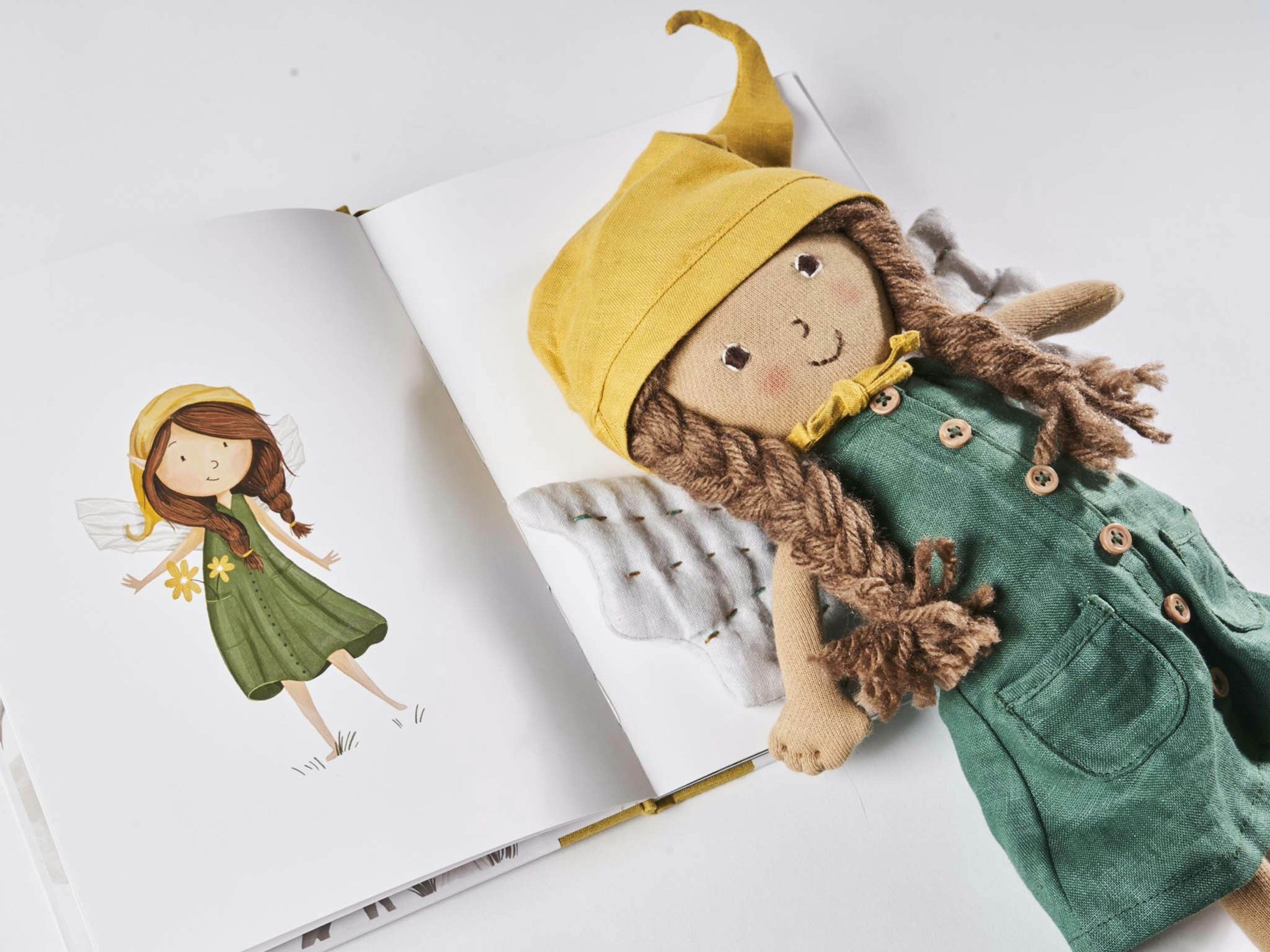
This story works beautifully for children who enjoy quieter mystery and imaginative settings. Maya enters a magical library after closing time and discovers whispers tucked inside books like sleepy secrets waiting to be remembered.
As she follows a tiny blue book through bending aisles and soft shadows, she helps one lost whisper find its ending. Instead of dramatic danger, the story offers gentle suspense, beautiful imagery, and a soft emotional reward. By the time Maya leaves with a mint-scented bookmark, the mood has already shifted toward sleep.
Why This Story Is Good for Bedtime
Stories like this support curiosity without creating too much energy. They are ideal for nights when a child wants an adventure but needs a slower, dreamier tone.
This image is property of images.unsplash.com.
Sample Adventure Bedtime Story 3: The Case of the Missing Moon Muffin
This detective-style bedtime story is playful and interactive. Detective Poppy follows glittering crumbs, interviews sleepy suspects, and eventually discovers that the moon muffin was taken not by a villain, but by a shy raccoon sharing a midnight picnic with a snail.
The mystery keeps children engaged, but the resolution stays kind and reassuring. Nobody is punished harshly. Instead, the solution is to bake another muffin and leave a note that says, “Sharing is the best recipe.”
Why Detective Stories Can Work at This Age
Seven-year-olds often enjoy solving simple mysteries because they like guessing what happens next. A calm detective story gives them that puzzle feeling while still staying bedtime-friendly.
Sample Adventure Bedtime Story 4: The Little Astronaut Who Forgot Her Stars
In this space adventure, Luna notices that her guiding stars are missing and asks an elderly constellation for help. Instead of rushing into panic, she attends a polite meteorite tea party, where a shy star is discovered hiding behind a sugar lump.
The story ends with the sky humming softly, Luna turning off her ship lights, and the stars singing slightly out of tune as she falls asleep. That makes it ideal for bedtime because the last image is comforting, not stimulating.
What This Story Adds
It teaches responsibility, calm problem-solving, and the value of asking for help. It also gives children a peaceful space setting, which many find especially soothing.
Story Prompts and Quick-Idea Table for Busy Nights
Some nights there is no energy for a long story. On those evenings, a quick prompt can help caregivers invent a 3- to 7-minute tale that still feels special.
| Theme | One-line Prompt |
|---|---|
| Pirate Pancake | A pirate who wants breakfast instead of treasure finds a map made of syrup. |
| Library Magic | A child finds whispered sentences in a library that took naps. |
| Detective Caper | A detective follows crumbs to a shared picnic. |
| Space Lullaby | An astronaut throws a tea party to find a missing star. |
| Animal Quest | A squirrel returns a scarf that sings bedtime songs. |
| Tiny Kingdom | A toy knight helps two teddy bears stop arguing. |
| Friendly Monster | A polite monster apologizes after tickling the moon. |
| Seasonal Tale | A snowflake gets lost and asks for directions before landing. |
For printable options and offline reading, you can also visit the free bedtime stories PDF library.
Using Stories for Reading Practice and Language Development
Bedtime reading is also a valuable literacy moment. Seven-year-olds are often moving from learning to read toward reading to learn. Listening to expressive stories helps them absorb sentence rhythm, build vocabulary, and understand how events connect in a narrative.
Even light participation can help. A caregiver can point out one unfamiliar word, invite the child to read one line of dialogue, or ask a simple recall question afterward. These small habits build reading confidence without making bedtime feel academic.
How to Support Reading Growth Gently
Choose one new word, not five. Ask one short question, not a full quiz. Let the child enjoy the story first. Literacy grows best when bedtime still feels safe and pleasurable.
Story Series and Chapter Books for Ongoing Bedtime Adventures
Many children at this age love recurring characters. A pirate, astronaut, detective, or gentle knight can return night after night without making the routine feel repetitive. In fact, familiarity often helps bedtime because children already know the emotional shape of the story world.
Short chapter books work especially well because they create anticipation without forcing late-night cliffhangers. One chapter can become the nightly adventure, while the familiar character becomes part of the bedtime ritual.
Creating a Bedtime Ritual Around Stories
Stories are most powerful when they sit inside a predictable bedtime rhythm. A simple pattern such as pajamas, teeth, one story, three breaths, and one sleepy phrase can help the brain connect storytelling with sleep.
Rituals work because repetition feels safe. The story can change each night, but the order stays familiar. That balance between novelty and predictability is especially useful for seven-year-olds.
A Simple Storytime Routine
- Quiet play or tidy-up time
- Brush teeth and change into pajamas
- Read one main story
- Take two or three slow breaths together
- End with the same final goodnight phrase
Handling Nights When a Child Is Too Excited
Sometimes even a good adventure story can leave a child buzzing with ideas. When that happens, it helps to pivot gently instead of pushing forward with more excitement. Choose a shorter, softer story. Lower the light. Drop the props. Use calm language and slower breathing.
A quiet drawing activity can also help, especially if it uses safe, soothing images from the story. A moon smile, a pancake map, or a sleeping pirate ship can redirect energy without revving it up again.
Safety, Content Sensitivity, and Personalization
Not every child enjoys the same kind of adventure. Some seven-year-olds love mysteries and silly tension. Others are more sensitive to danger, separation, or loud conflict. Bedtime stories work best when the emotional tone feels safe.
Personalizing stories can help. Using the child’s name, favorite stuffed animal, or favorite food can increase comfort and engagement. But it is still wise to keep the child out of truly scary stakes. A bedtime story should feel like a guided adventure, not a stressful one.
How to Use Questions Without Stalling Sleep
Questions can make storytime more interactive, but too many can wake a child back up. One or two is usually enough. A question like “Which pancake would you pick?” or “Who would you bring on the adventure?” invites imagination without turning the moment into a debate.
The best final question is often the simplest: “Which part made you smile?” That keeps the emotional tone soft and often leads naturally into yawning.
Resources and Further Reading for Parents
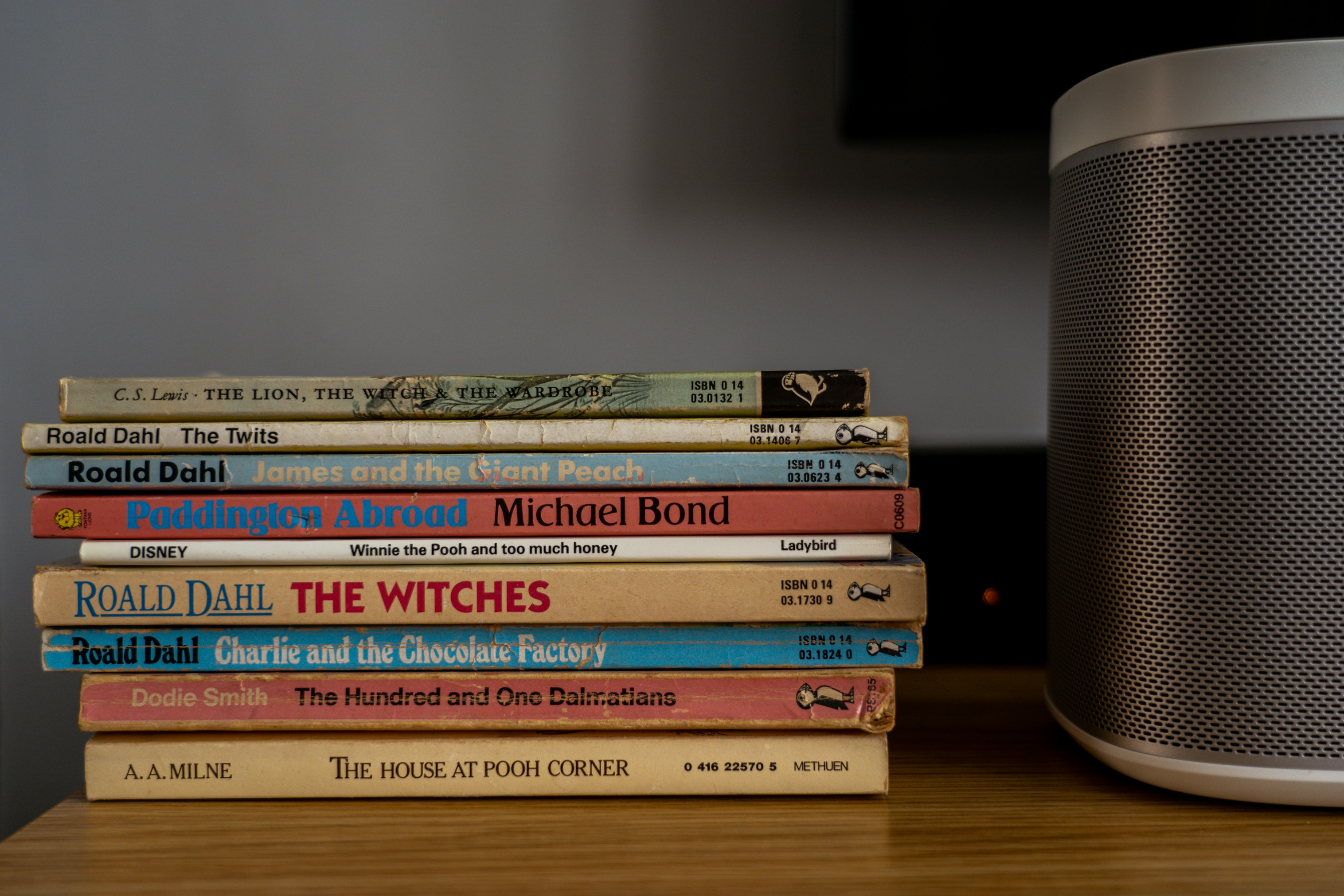
Caregivers can build a flexible home collection with picture-heavy books, short chapter books, early readers, and a few story collections for different moods. Libraries are especially useful because they make it easy to test what tone and length work best for a specific child.
Audiobooks can also support bedtime on tired nights, especially when the narrator has a calm voice and a steady pace. Still, live reading often adds an extra layer of comfort because the child is connecting not only to the story, but also to the caregiver’s voice and presence.
Final Thoughts on Bedtime Stories for 7 Year Olds
Bedtime stories for 7 year olds work best when they honor both sides of this age: the need for imagination and the need for calm. Children want adventures that feel funny, surprising, and big enough to matter, but they also need endings that feel safe, soft, and complete. A pancake pirate, a whispering library, a moon muffin mystery, or a sleepy astronaut can offer exactly that blend when the story is told with warmth and the right pacing.
In the end, the story matters, but the ritual matters too. A caregiver’s patient voice, a repeated sleepy phrase, a well-timed pause, and a familiar bedtime rhythm can turn even a silly adventure into a reliable path toward sleep. If you want more adventure bedtime stories age 7, building a small themed collection can make bedtime easier, funnier, and far more consistent.
The best bedtime endings are usually the simplest. A smile. A yawn. A soft last line. Then the child carries the treasure of the story quietly into sleep.
Frequently Asked Questions
1. What kind of bedtime stories are best for 7 year olds?
The best bedtime stories for 7 year olds usually combine adventure, humor, and a clear goal with a gentle emotional ending. Children at this age often enjoy funny characters, small mysteries, and imaginative settings. Stories work especially well when they stay exciting enough to hold attention but calm enough to help the child settle before sleep.
2. How long should a bedtime story be for a 7-year-old?
For most seven-year-olds, a read-aloud story between 600 and 1,200 words works very well. That length is long enough to feel satisfying and adventurous without becoming too tiring or overstimulating. Short chapter stories can also work beautifully because they create a natural pause point if the child gets sleepy before the story is fully finished.
3. Can funny stories actually help a child fall asleep?
Yes, funny stories can help a child fall asleep when the humor stays gentle and the ending softens naturally. A silly pirate voice or a ridiculous character can release tension and make bedtime more enjoyable. The important part is to let the story slow down near the end so laughter turns into relaxation instead of more excitement.
4. How can parents make bedtime stories more calming?
Parents can make bedtime stories more calming by lowering their voice as the story goes on, slowing the pacing, dimming the room, and ending with a repeated soothing phrase. Choosing stories with warm resolutions rather than cliffhangers also helps. A child settles more easily when the final mood feels safe, quiet, and emotionally complete.
5. Are adventure stories too exciting for bedtime?
Not at all, as long as they are structured well. Adventure stories can be excellent for bedtime when the conflict stays manageable and the tone remains warm. Seven-year-olds often love quests, clues, and funny obstacles, but they rest better when the story ends with kindness, comfort, and reassurance instead of fear or unresolved tension.
6. How do bedtime stories help reading development at age 7?
Bedtime stories support reading development by building vocabulary, listening stamina, comprehension, and familiarity with story structure. Children hear how sentences flow, how characters solve problems, and how events connect over time. If they occasionally read a short line aloud or answer one gentle question after the story, those literacy benefits become even stronger.