
Children’s Bedtime Story Books: A Way for Peaceful Sleep
Children’s Bedtime Story Books are the easiest “small habit with big benefits” you can build at home: a few minutes of reading that calms bodies, grows vocabulary, and quietly repairs the day’s tiny chaos. This guide categorizes children’s books by developmental stage, theme, and purpose—so you can pick stories that fit your child’s age, mood, and the bedtime vibe you’re trying to summon.
Which book will make us laugh, cry, teach, and quietly judge our parenting choices tonight?
On this page:
The ultimate guide to children’s bedtime story books by age, theme & purpose
We wrote this guide because the children’s bookshelf is a wild, opinionated jungle and we need a map that isn’t written by someone who thinks all toddlers respond best to wooden toys and essential oils. We want practical direction for picking books that fit age, interests, and the small-but-real developmental goals we actually care about.
How to choose bedtime story books that match your child
There are thousands of children’s books and only so much brain space (and shelf real estate). This guide helps you match books to stages, purposes, and moods so reading time becomes more intentional and less “randomly grabbed from the donation bin.”
How to use this guide
Jump by age when you need a fast, reliable pick. Jump by theme when you need a book for a specific feeling (anxiety, bravery, kindness). Jump by purpose when you have a goal (calm bedtime, routines, new sibling, grief). The point is to make book selection easier—especially on nights when your own battery is blinking red.
Quick reference: age, book type, and examples
This snapshot table gives a quick look at age groups, common formats, approximate lengths, developmental focuses, and examples you can buy, borrow, or “rescue” from under the sofa.
| Age (approx.) | Book types & format | Length / Pages | Developmental focus | Example titles |
|---|---|---|---|---|
| 0–2 years (Infant & young toddler) | Board books, cloth books, high-contrast picture books | 8–32 pages, durable | Sensory development, attachment, simple words | “Brown Bear, Brown Bear”, “Goodnight Moon”, “The Very Hungry Caterpillar” |
| 2–4 years (Toddler & preschool) | Picture books, interactive lift-the-flap | 24–40 pages | Vocabulary, routines, early emotions | “Where the Wild Things Are”, “Dear Zoo”, “The Day the Crayons Quit” |
| 4–6 years (Preschool → Kindergarten) | Picture books with narrative, simple early reader concepts | 24–48 pages | Story comprehension, empathy, social skills | “Owl Babies”, “Rosie Revere, Engineer”, “Last Stop on Market Street” |
| 6–8 years (Early readers / chapter transition) | Early readers, short chapter books, illustrated | 32–80 pages / 1–6 chapters | Decoding, confidence, independent reading | “Elephant and Piggie” series, “Magic Tree House” |
| 8–12 years (Middle-grade) | Chapter books, series, longer standalone | 120–300+ pages | Complex plots, identity, friendships, moral dilemma | “Wonder”, “Percy Jackson”, “Pippi Longstocking” |
| 12+ (YA, Teens) | YA novels, diverse themes, mature content | 200–400 pages | Identity, relationships, higher-level themes | “The Hate U Give”, “A Monster Calls”, “The Outsiders” |
Children’s books by developmental stage
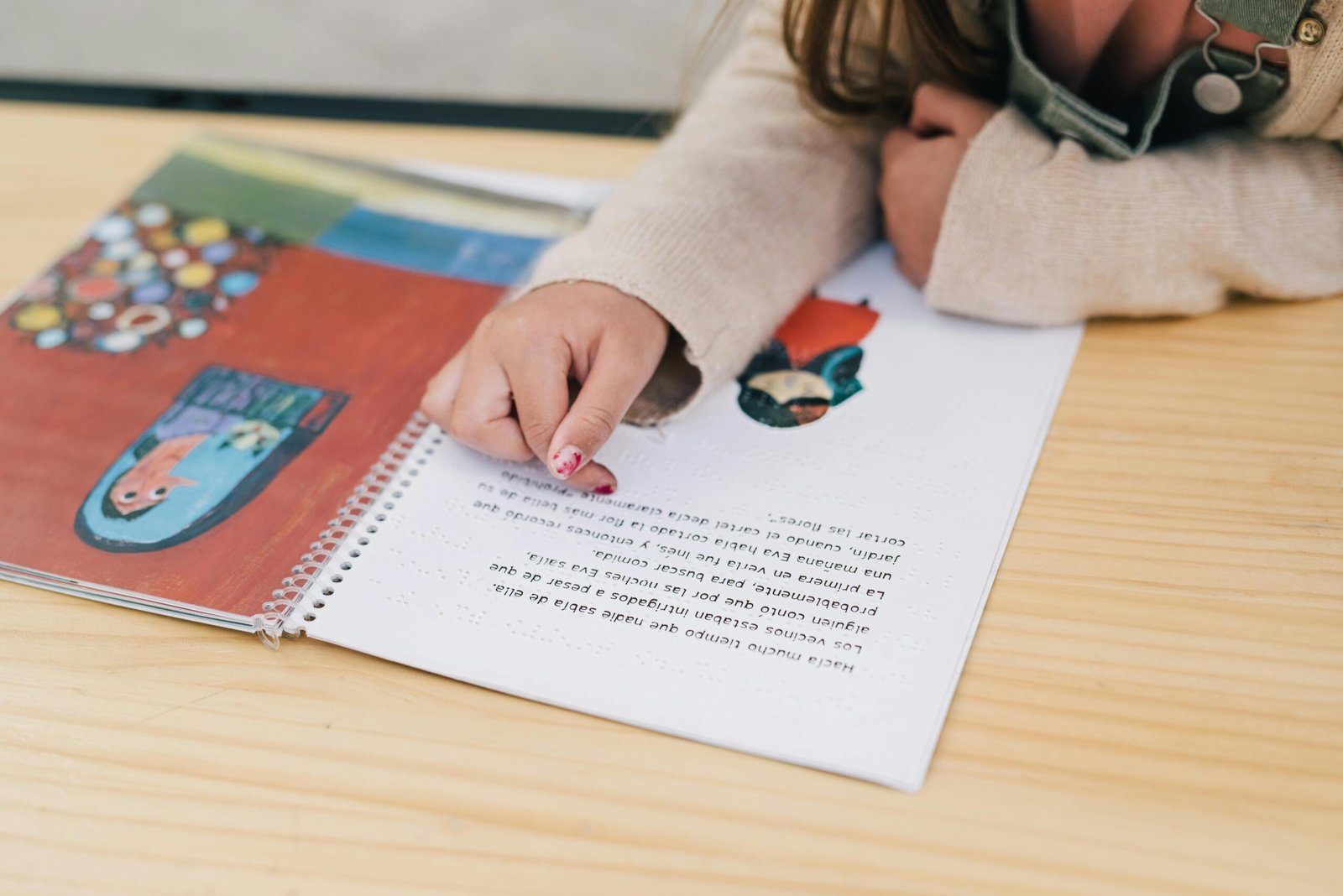
Picture books for infants and toddlers (0–2 years)
At this stage, we want books that won’t fall apart when chewed, poked, or used as an emotional support teething device. Board books, sturdy flaps, and rhythmic repetition are perfect. High-contrast images and simple, chunky language support sensory development and early word recognition.
Children’s Bedtime Story Books (more short options)
Reading tips for infants and toddlers
Use animated voices, short sentences, and lots of pointing. If you’re tired, you can still be dramatic—babies respond to tone more than plot. Repetition is not a character flaw; it’s how little brains learn safety and language.
Picture books for preschoolers and early listeners (3–5 years)
Preschoolers love humor, simple plots, and relatable routines (getting dressed, doctor visits, bedtime negotiations). They’re also learning to interpret emotions, so picture books that show characters feeling jealous, angry, brave, or relieved are gold.
What to look for in books for this age
Choose clear emotional arcs, simple conflicts, and satisfying resolutions. Representation matters too: diverse characters, family structures, abilities, and cultures should show up as normal life, not a special occasion.
Reading activities to enhance learning
Ask one or two open-ended questions (“What do you think will happen next?”), then let the story do the heavy lifting. Retelling, acting out a scene, or drawing a favorite moment boosts comprehension without turning story time into school time.
Transition books and early readers (5–8 years)
This is the “I can do it myself” era. Leveled readers, easy-reader series, and illustrated chapter books support emerging decoding skills. Balance books that are slightly challenging with books that feel comfortably readable to protect confidence.
Building reading skills and confidence
Celebrate small wins: finishing a page, sounding out a tricky word, rereading a favorite. Encouragement beats correction. Keep reading aloud longer books too—kids absorb richer vocabulary and story structure even before they can decode it.
Middle-grade books (8–12 years)
This age group wants agency and respect. They tend to prefer nuanced characters, moral complexity, and plots that don’t condescend. Books become safe rehearsal spaces for friendship shifts, fairness debates, identity questions, and big feelings.
Helping middle readers choose books
Offer genre “sampling”: fantasy, realism, mystery, humor. Library lists and kid book clubs add social motivation. Encourage a mix of light and serious reads—because kids deserve range, not just “educational value.”
Young adult (12+) literature
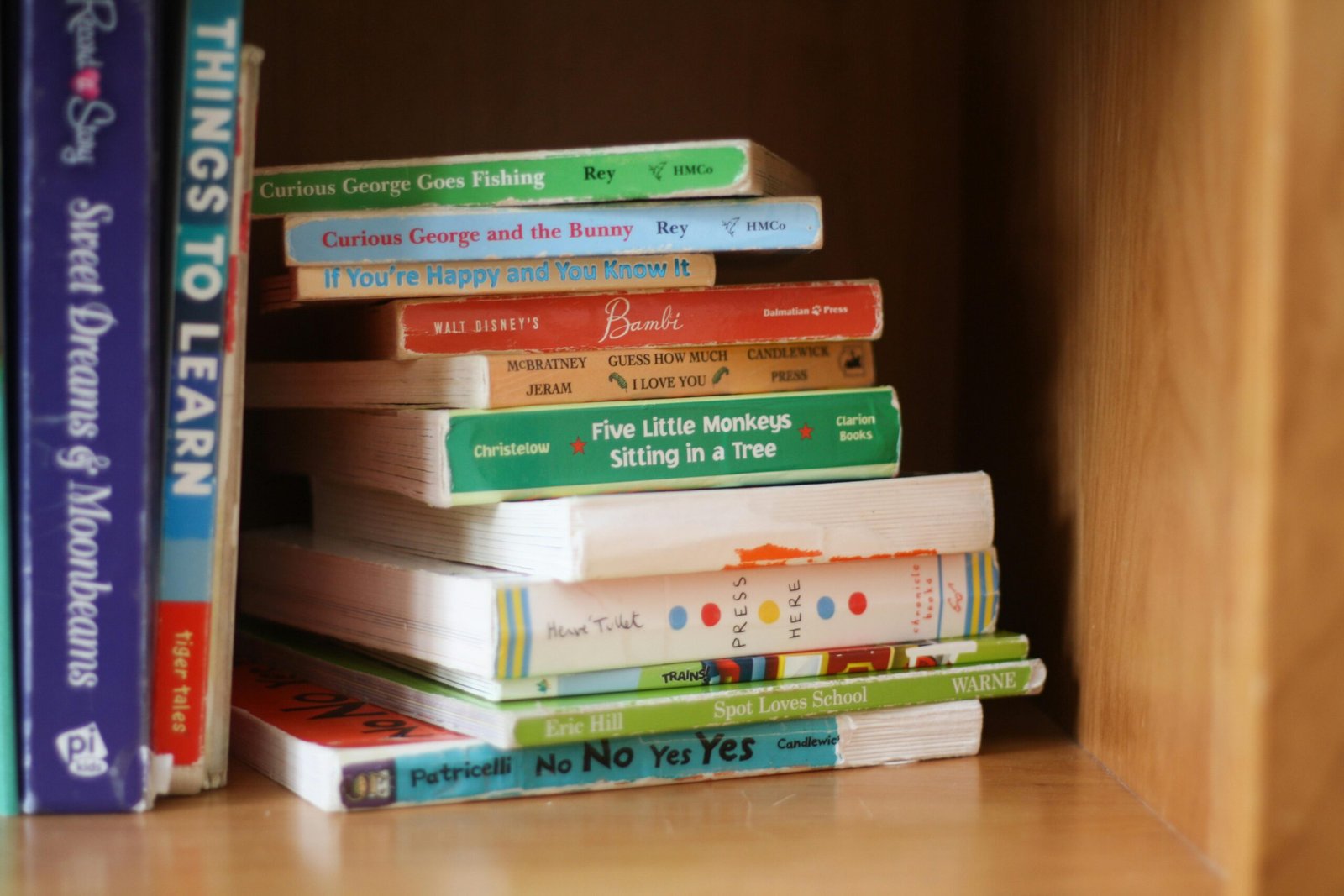
Teens are humans with complicated taste; they will go to extremes. YA explores identity, relationships, power, and the often ruthless awkwardness of being in a body. We don’t need to gatekeep everything—but we do need to be thoughtful about readiness and themes.
Navigating mature themes
Talk honestly when topics like sex, substance use, or trauma come up. Books can be conversation bridges. It’s also okay to set boundaries and offer alternatives if content feels too intense right now.
Theme-based reading: choosing books by topic
Sometimes we need a book for a specific mood or lesson, not just an age. Whether we want kindness, comfort, STEM curiosity, or help after a loss, there are excellent options for every purpose.
Emotional literacy and mental health
Books that name feelings and model coping strategies normalize emotions and build empathy. Story-based examples help children learn language for sadness, anger, and worry without shame.
Examples: “The Color Monster”, “When Sadness Is at Your Door”, “A Terrible Thing Happened”.
Diversity, inclusion, and representation
Kids deserve mirrors and windows: books that reflect their lives and books that open them to others. Representation across race, culture, family structure, disability, gender identity, and religion should be present across ages and genres.
Examples: “Last Stop on Market Street”, “My Papi Has a Motorcycle”, “Julian Is a Mermaid”.
STEM, nature, and curiosity-driven books
Curiosity grows when science and nature feel friendly. Nonfiction picture books and story-based STEM titles can make facts approachable and delightful.
Examples: “Rosie Revere, Engineer”, “Ada Twist, Scientist”, “Actual Size”.
Humor and reluctant readers
Funny books often lure reluctant readers into longer attention spans. Punchy dialogue, quirky art, and silly premises make reading feel like entertainment—not homework.
Examples: “The Day the Crayons Quit”, “Narwhal and Jelly”, “Diary of a Wimpy Kid”.
Purpose-based reading: bedtime books that help kids wind down
Sometimes we want more than “a good story.” We want a calm bedtime, fewer negotiations, and an ending that signals: the day is done.
Bedtime and calming stories
Look for gentle rhythms and reassuring closings. Short, soothing narratives reduce bedtime stalling. Books that model calming actions (slow breathing, soft goodnights) can also help kids copy the behavior.
Examples: “Goodnight Moon”, “Breathe and Be”.
Books for routines and transitions
Potty training, preschool drop-off, moving homes—books can normalize change. Reading about a character facing the same transition reduces isolation and builds predictability.
Examples: “The Kissing Hand”, social stories for moving day or new school.
Books for character and social skills
Stories help kids rehearse sharing, apologizing, and fairness. Role-playing scenes gives children “practice reps” for real interactions.
Examples: “Have You Filled a Bucket Today?”, “Enemy Pie”.
Books for grief and loss
Children need honest language and reassurance. Grief books work best with adult presence: read, pause, answer questions, and validate feelings.
Examples: “The Invisible String”, “The Fall of Freddie the Leaf”.
Practical read-aloud tips for peaceful sleep
Reading aloud well is part theater, part responsiveness. You don’t have to be a perfect voice actor—you just need to be present.
Voice, pace, and responsiveness
Slow your pace as you go. Lower your volume near the ending. Pause for reactions, and allow small tangents without letting bedtime turn into a full debate club meeting.
Handling interruptions and short attention spans
Use micro-goals: “one page,” “one poem,” or “one chapter.” Interactive books can help re-engage. Most importantly, don’t weaponize reading—keep books paired with warmth, not punishment.
Encouraging kids to become readers
Let kids choose sometimes, introduce new titles gently, and model reading for pleasure. Library trips and seeing adults read are often more powerful than rewards.
Build a home library that grows with your kids
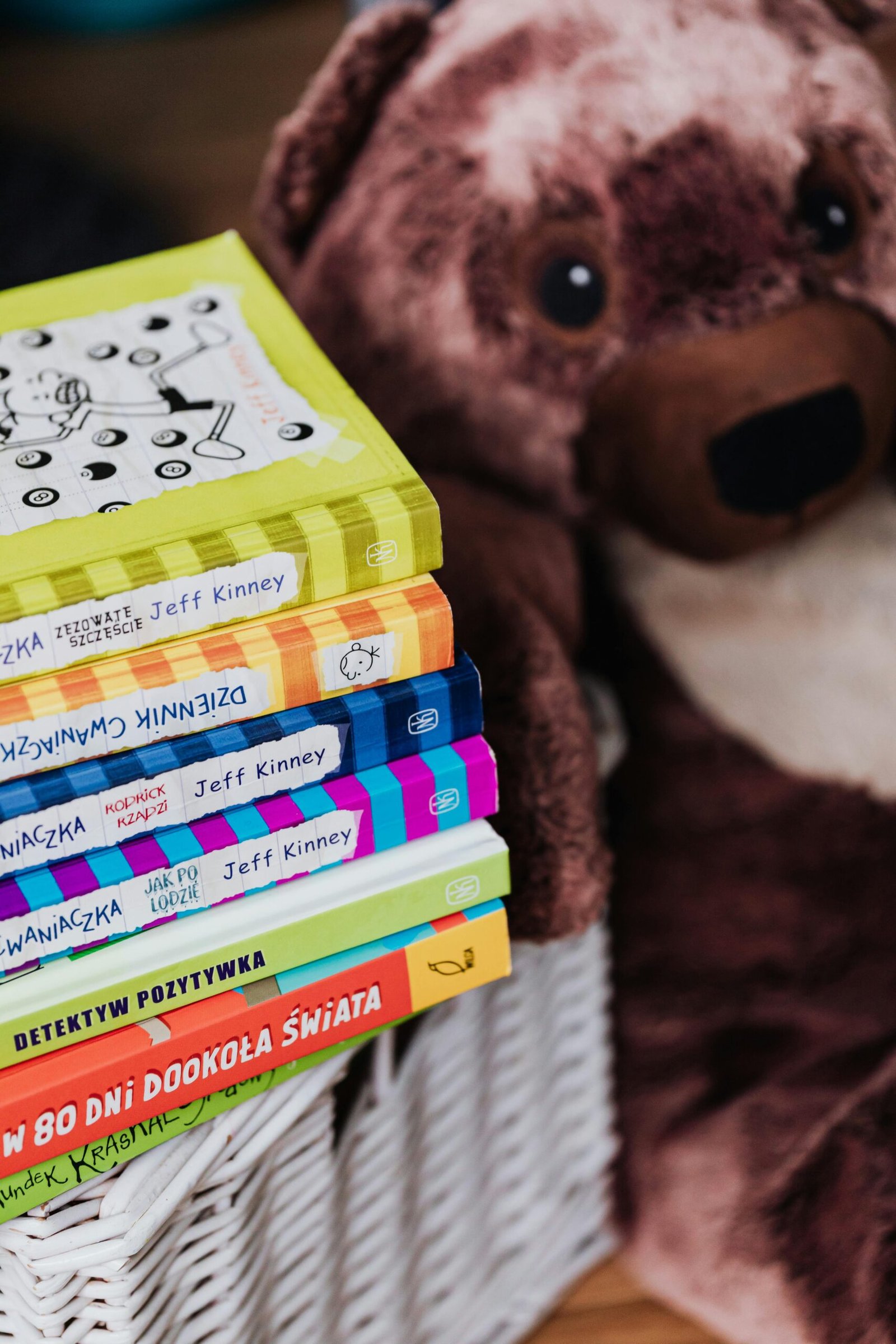
You don’t need 100 pristine books to raise a reader. A rotating, reachable, well-loved collection works better than an Instagram shelf of untouched spines.
Storage, rotation, and accessibility
Keep books within kids’ reach. Rotate small sets weekly to refresh interest. Donate books that never get opened. The goal is use, not perfection.
Buying vs. borrowing vs. secondhand
Libraries are the best subscription service. Use them often, experiment with secondhand, and buy new copies for true favorites or gifts. Keep an eye on curated lists from librarians and independent bookstores.
Books for special needs and accessibility
Look for clear fonts, uncluttered layouts, predictable structure, and sensory-friendly formats. Audio and read-along options help some readers thrive. If a page overwhelms your child, skip it—advocacy includes flexibility.
Recommended awards and lists for trusted picks
Awards can be a strong starting point, but not every award-winner fits every child. Use them as filters, then apply your child’s temperament and your family’s values.
- Caldecott Medal — outstanding picture book illustration.
- Newbery Medal — distinguished contribution to children’s literature.
- Coretta Scott King Award — African American authors and illustrators.
- Pura Belpré Award — Latinx authors and illustrators.
- Stonewall Book Awards — LGBTQ+ themes.
- Printz Award — excellence in young adult literature.
Explore more: Browse our complete collection of bedtime stories for kids for more age-based picks and bedtime-friendly themes.
Pillar linked once only (per internal linking rules).
FAQs about children’s bedtime story books
What makes a children’s bedtime story book “sleep-friendly”?
Sleep-friendly books have soothing language, predictable pacing, and a reassuring ending. They avoid cliffhangers, intense danger, and overly stimulating humor right before lights-out. A clear “closure moment” (tuck-in, goodnight, returning home) helps the brain accept bedtime as the next step.
Should I stop reading aloud when my child can read independently?
No—many children still benefit from read-alouds well into elementary school and beyond. Reading aloud builds vocabulary, models fluency, and supports connection. Independent reading grows skills, while read-alouds grow comprehension and emotional depth—especially at bedtime when comfort matters most.
How do I handle “one more book” requests?
Set a predictable boundary before you begin: “One book and one short poem,” or “One chapter tonight.” Offer a choice between two books to reduce negotiation. If your child stalls, keep the tone calm and consistent. The routine works best when it feels reliable, not endlessly renegotiable.
Final thoughts
We believe children’s bedtime story books are tools, mirrors, and delights—not moral report cards for parents. If we keep books accessible, pick stories that match our child’s stage and mood, and show up consistently (even imperfectly), we’ll build something lasting: calmer nights, richer language, and memories that outlive the chaos.