


Cozy Kids Bedtime Stories PDF for Sweet Dreams
Bedtime stories pdf for kids. Do you ever feel like bedtime is an elaborate negotiation where you’re the only one who forgot to bring snacks and a convincing PowerPoint?
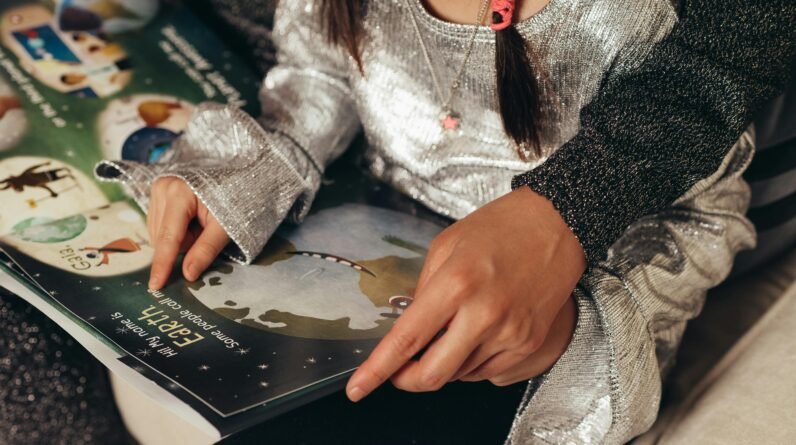
If you’re trying to build a bedtime ritual that doesn’t involve bargaining, threats, or an emergency stash of cartoons, a well-chosen kids bedtime stories PDF can be your secret weapon. You can load a handful of calming, age-appropriate tales onto a tablet, print them out, or tuck them into a bedside drawer. PDFs are portable, consistent, and impossible to lose like that one stuffed animal you can never find until morning.
Why choose a kids bedtime stories PDF?
PDFs give you a predictable, tamper-free reading experience. They preserve fonts, layouts, and images across every device, which means the story you loved on your laptop will look the same on your phone or on a printed page. You don’t have to wrestle with autoplay ads, random links, or bright color palettes that scream “WAKE UP!”
The benefits of bedtime story PDFs for you and your child
You get control over the content and the environment. Your child gets routine, comfort, and language development. PDFs also let you curate a library that aligns with your family values, sleep goals, and sense of humor. If you like to underline whimsical sentences and make notes in margins (we’re not judging), PDFs allow for that, too.
How to pick the right stories for sweet dreams
Choosing the right story is about mood, length, and language. You want something calming, gently paced, and not likely to trigger questions about existential dread or highway safety. Aim for short chapters or single-story PDFs for younger kids, and slightly longer tales for older children. Look for soothing rhythms, predictable arcs, and gentle humor. Avoid cliffhangers at bedtime unless you enjoy being petitioned with “But what happens next?” at 10:15 p.m.
Age-appropriate story types
- Babies (0–2): Short, rhythmic texts with lots of repetition and simple scenes. Board-book style PDFs with big images work well if you print them.
- Toddlers (2–4): Gentle adventures and quiet playscapes—no loud villainy. Interaction beats complexity; read slowly and add peek-a-boo sounds.
- Preschool to early elementary (4–7): Whimsical tales with mild conflict, lots of comfort, and repeated phrases to anticipate. Character-driven stories help with empathy building.
- Older kids (8–12): Longer, cozy mysteries or low-stakes fantasies that end cleanly. Avoid intense action or heavy emotional sagas right before sleep.
Formats and device compatibility (quick reference)
You’ll be dealing mostly with PDFs, but it helps to know how they play on devices and whether you should print them.
| Device/Use | Pros | Cons |
|---|---|---|
| Tablet/e-reader | Backlit or paper-like screens; portable; can have bookmarks | Blue light can wake kids if brightness isn’t lowered |
| Smartphone | Always on hand; great for travel | Small screen size; risk of notifications |
| Laptop/desktop | Big screen, easy to convert PDFs | Not bed-friendly; wires and Port Authority |
| Printed pages | Tangible, no blue light, easy to pass around | Needs printer; pages can be lost or chewed |
| Smart speaker (audio) | Hands-free; soothing voice options | Not a PDF but useful if you convert text to audio |
Where to find cozy kids bedtime stories PDF files
You can find PDF stories legally and ethically from libraries, authors’ websites, educational organizations, and reputable e-book platforms. Some public-domain classics are freely available, but modern, copyrighted stories usually require purchase or permission. Many independent authors and small presses sell bedtime story PDFs with charming illustrations tailored for printing or on-screen reading.
Reliable sources and what to watch out for
Stick to library lending (OverDrive, Libby), publisher websites, Etsy for indie creators, and bookstores with digital download options. Avoid sketchy “free download” sites that smell like copyright infringement and malware. If it seems too good to be true, it probably comes with a dodgy pop-up and an apology you can’t refuse.
How to assess quality quickly
Look for:
- Clear formatting and readable fonts
- Child-appropriate vocabulary
- Minimal ads or external links if reading on-device
- Consistent illustration style and image quality for picture-story PDFs
- A printable version if you plan to make a physical copy
Printing PDFs: pros, cons, and tips
Printing turns PDFs into books that don’t need a charger and won’t trigger screen time debates. If you plan to print frequently, invest in heavier paper and consider spiral binding. If you only print occasionally, basic home printing is fine.
Tips:
- Use 80–100 gsm paper to avoid bleed-through
- Set printer to “booklet” or “double-sided” for a more book-like feel
- Use color for illustrations when possible; grayscale is cheaper but sometimes bland
- Laminate covers if you want longevity
Preparing PDFs for bedtime use
You can make PDFs more bedtime-friendly with a few simple steps:
- Reduce blue light: Lower brightness or use night-mode apps on devices
- Flatten PDFs or embed fonts so pages won’t shift
- Merge multiple short stories into a single file so you don’t fumble with multiple documents
- Add a cover page with a calming illustration and the child’s name to make it special
Quick how-to: merge and optimize PDF files
- On desktop: Use free tools like PDFsam Basic or the “Print to PDF” function to merge files.
- On mobile: Use your device’s Share options or apps like Adobe Acrobat Reader to combine files.
- For images: Compress images slightly to reduce file size, but don’t over-compress and lose clarity.
Creating your own cozy kids bedtime stories PDF
If you’re feeling crafty (or desperate), you can write and assemble your own bedtime story PDF. This way you control the tone, length, and inside jokes. A homemade bedtime story can be hilarious, tender, or a masterclass in bribery disguised as narrative.
Basic structure for a bedtime story PDF
- Title and sweet cover
- One-sentence blurb: what happens and why it’s comforting
- Short chapters or single flowing text (less than 800–1,200 words for younger kids)
- One calm, definitive ending that signals “night”
- Optional: a lullaby or simple rhyme at the end
Simple story template you can reuse
- Scene setting: Introduce the safe, cozy setting—bedroom, blanket fort, moonlit garden.
- The small problem: A tiny problem that’s solved without high stakes (lost sock, shy moon).
- Gentle journey: A slow walk through emotion or imagination with reassuring friends.
- Resolution: Problem fixed or reframed; return to safety.
- Night closure: Soft goodbye with predictable language to cue sleep.
Sample bedtime story skeletons (fill-in-the-blanks)
You can use these to write quick, personalized PDFs that feel original.
- The Tiny Cloud That Could
- Start: “Once, above your window, a little cloud forgot where it belonged…”
- Problem: The cloud keeps drifting and watering a garden that wants sleep instead of sudden flowers.
- Solution: The child (or protagonist) hums a slow tune and the cloud remembers the sky.
- Close: “The little cloud settled, the moon opened one sleepy eye, and everything breathed out.”
- The Sock That Wanted a Nap
- Start: “Your sock is tired after a long day on your foot…”
- Problem: The sock misses its twin and thinks the laundry basket is a cave.
- Solution: The child tucks a note into the basket, they are reunited, sock naps.
- Close: “Socks dream of slidey floors and cozy drawers.”
- The Night Garden
- Start: “There’s a garden that wakes up after you fall asleep…”
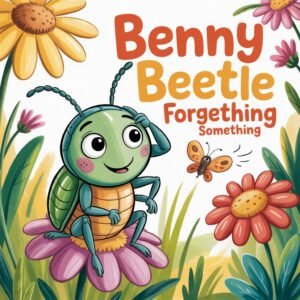
- Problem: A timid beetle can’t find its favorite leaf lamp.
- Solution: Firefly friends arrange a safe path and the beetle finds light.
- Close: “Your breaths match the wind; the garden sleeps when you do.”
Adding illustrations to your PDFs
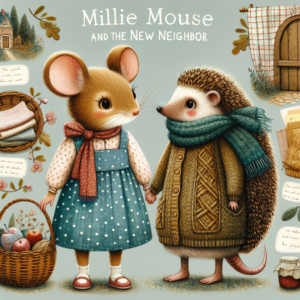
If you aren’t an illustrator, you can use royalty-free images, commission art from indie creators, or use simple clip art. Keep images calm—pastel colors, gentle lines, and smiling faces. Busy, high-contrast visuals create stimulation, which is the opposite of your goal.
DIY illustration tips
- Use one or two recurring characters so kids can recognize them.
- Keep color palettes limited to three or four harmonious colors.
- Use large shapes and minimal detail for babies and toddlers.
- Consider black-and-white for very young kids who prefer high-contrast images.
How to format your PDF for reading comfort
- Use large, clear fonts (14–18 pt for body text for little eyes).
- Line height should be generous so the text doesn’t feel cramped.
- Use plenty of white space and short paragraphs.
- Use sans-serif fonts for screen reading and serif fonts for print, if you like difference.
- Add page numbers only if you plan to build a “chapter” system for older kids.
Reading techniques that help with sleep
Reading style matters as much as content. Your cadence, volume, and the ability to not giggle at your own puns determine whether the story lulls or energizes.
- Slow down: Enunciate and breathe between sentences.
- Lower your voice toward the end: a steady descent in tone cues calm.
- Use a soft, rhythmic repetition: children love repeated lines they can guess.
- Use pauses: silence can be more comforting than constant talk.
- Resist improvisation if the child responds to predictability; improv is a late-night caffeine pill.
Calming language and phrases that work
Certain phrases have almost Pavlovian calming power. You don’t have to force them, but sprinkling them throughout helps.
Examples:
- “All is safe here.”
- “Your breath is slow like the ocean.”
- “The moon keeps a watch just for you.”
- “Let your shoulders go soft like warm dough.”
This image is property of images.pexels.com.
Handling questions during the story
Questions derail bedtime faster than a Lego underfoot. Have short, reassuring answers ready. You can say “fast answer” and then “bedtime answer” for more complex topics later.
- Fast answer: A one-sentence reassurance that ends the topic.
- Bedtime answer: Promise a time after sleep for a detailed chat, then follow through in the morning.
Put the child in charge—enough to feel safe, not enough to negotiate
Let them choose between two stories, pick the character’s name, or decide the color of the blanket in the story. Controlled choices help them feel autonomy but preserve your authority.
Kid-proofing your story library
Create a simple folder structure on your device: “Bedtime/PictureStories” and “Bedtime/LongerTales.” Give each file a clear name and a thumbnail cover so you don’t accidentally open a rousing adventure at 9:40 p.m. Tag files with ages and estimated read times.
Legal and copyright basics
Using PDFs legally matters. Public-domain stories like A.A. Milne classics are sometimes available, but modern books usually need purchase. When creating or sharing PDFs:
- Get permission from authors for reproduction.
- Buy or license commercial downloads for classroom or group use.
- Credit illustrators and writers when appropriate.
Quick copyright table
| Action | Allowed? | Notes |
|---|---|---|
| Sharing purchased PDF with household | Usually yes | Personal use allowed; check license |
| Sharing purchased PDF publicly | No | Requires license or permission |
| Using public domain text | Yes | Verify source and edition |
| Scanning a library book to PDF | No | Library loans, not reproduction |
Safety, privacy, and screen time
If you read from a device, disable notifications and use airplane mode. Reduce blue light and keep devices out of bed at least 15–30 minutes after reading if possible. Consider audio-only options like recorded readings if screens are a problem.
Audio PDFs and text-to-speech
Some apps let you convert PDFs to audio or use built-in text-to-speech. This is great for car naps or when you’re too exhausted to read. Test voices before relying on them; robotic monotone will not hypnotize anyone pleasantly.
Recommendations: cozy themes and story examples
Themes that consistently calm:
- Nighttime nature (moon, stars, gardens)
- Quiet animal companions (cat, gentle bear, rabbit)
- Safe home adventures (blanket forts, pretend kitchens)
- Reassuring routines (brushing teeth, tucking in)
- Gentle fantasy with low stakes (talking owls, polite dragons)
You can curate a week’s worth of PDFs based on themes: Moon Monday, Garden Tuesday, Warm-Blanket Wednesday, Friend-Thursday, Cozy-Fantasy Friday.
Making bedtime a ritual, not a battle
A PDF library is not a miracle, but it’s an anchor. Combine your story PDFs with a consistent bedtime routine—bath, teeth, story, lights out—and keep the same cues each night. Predictability soothes the brain, and your child will start to anticipate bedtime like a small, dependable volcano of comfort.
Troubleshooting common annoyances
- If kids want the same story forever: Give them autonomy—offer a sticker for trying a new book.
- If they keep talking after story: Try a calming audio track or quiet lamp instead of more words.
- If tech glitches: Keep a printed backup. Old-school paper is a triumphant failsafe.
Frequently asked questions
How many stories should I keep in a bedtime PDF library?
Keep 8–12 core PDFs: a handful for each age in your household. Rotate them to keep things fresh but familiar.
Are illustrated PDFs better for younger kids?
Yes. Pictures help comprehension and engagement. For infants, high-contrast images work best; for toddlers, simple scenes and playful characters are ideal.
Can I use a PDF on a Kindle?
Most Kindles accept PDFs, but formatting may be off. Convert to a Kindle-friendly format (MOBI/AZW3) if you plan heavy use on that device.
Is it okay to let my child read a PDF on their own?
Older kids can self-read, which fosters independence. For very young readers, shared reading is better for bonding and language development.
Quick checklist before lights out
- Device: notifications off, brightness reduced, night mode enabled
- Files: story selected and open, backup printed story accessible
- Room: dim lighting, white noise on if needed
- You: comfortable chair, warm blanket, cup of something you’ll finish on the porch later
Final thoughts (because you deserve a little pep talk)
You are not failing bedtime if things are chaotic sometimes. A curated stash of kids bedtime stories PDF files won’t single-handedly fix sleepless nights, but they give you a tool: consistency wrapped in comfort. You can make stories silly, sweet, or particular to your family’s rhythm. The goal isn’t perfection—it’s a bedtime that feels like a deep, clean exhale for you and your child.
If you create your own PDF, remember: it doesn’t need to be literary genius. It needs to be warm, reassuring, and short enough that you can finish it without collapsing in a heap. That’s where the real magic lives: in the small, repeated acts that tell your child, “I will be here,” night after night, story after story.
Get more creative knowledge build books and resources for happy minds at:
https://booksforminds.com/