


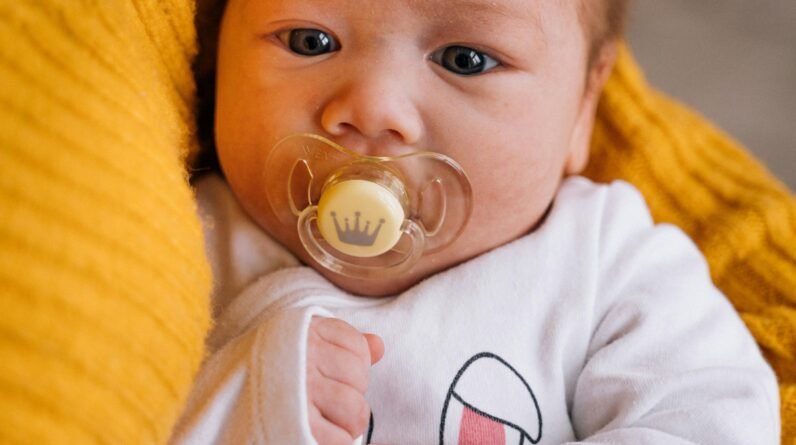
Start as early as pregnancy or newborn — it’s never too soon to read to your baby
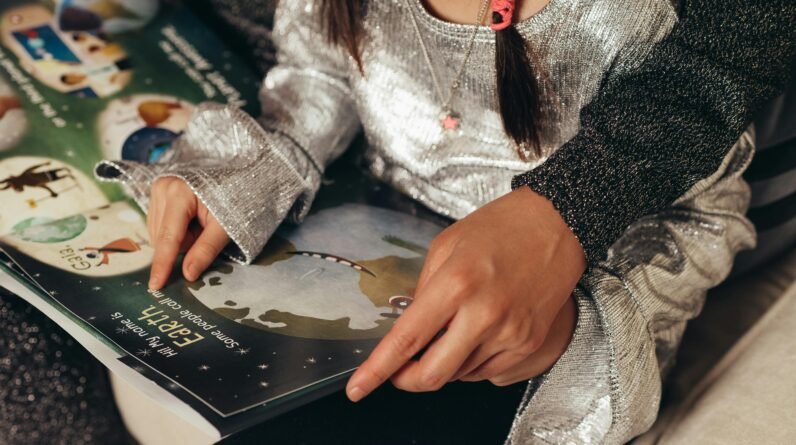
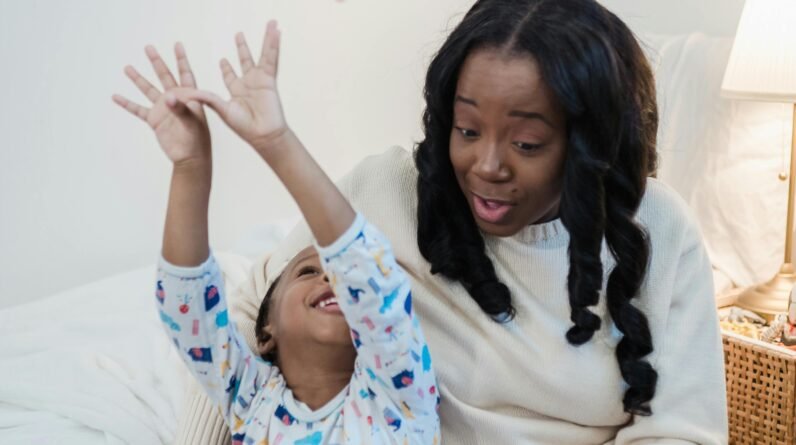
It’s Never Too Soon to Read to Your Baby. I say this with the enthusiasm of someone who has held a board book like a sacred relic and spoken silly rhymes to a small, unimpressed human: starting to read during pregnancy or as soon as your baby arrives is one of the best (and most enjoyable) things you can do for your child. It’s not about producing a tiny literary prodigy overnight; it’s about building bonds, patterns, and wiring a brain that’s hungry for language. Also, it’s a brilliant excuse to make the weirdest voices you can imagine socially acceptable.
Why start early?
It might sound dramatic, but the fetal and early infancy brain is a language sponge. I’ve read that even before birth, babies are listening—filtering the cadence and rhythm of voices they’ll recognize later. When I read to my bump or my newborn, I felt like I was layering invisible, neural Velcro: every word, rhythm, and cuddly snuggle helps things stick.
Starting early promotes emotional bonding (cuddles plus voices equal less cortisol, which is a very good thing), and it lays down pre-literacy skills like vocabulary, language rhythm, and the basic mechanics of communication. Research points out worrying gaps for children who aren’t exposed to language-rich environments; the phrase “million-word gap” gets thrown around to highlight how much early language exposure matters. Other studies show babies who are read to before age 1 often have larger and more complex vocabularies by age 3. I am not promising your toddler will memorize War and Peace, but you will be giving them the tools to enjoy words for life.
How reading builds skills and bonding
I like to think of reading as a triple-threat activity: it’s emotional, cognitive, and social all at once. When I read to a baby, I’m doing several things at the same time—nurturing, teaching, and performing. The baby gets warmth and attention (bonding), repeated language patterns (rhythm and fluency), and new words (vocabulary). Show me a multitasking parent who doesn’t appreciate a single simple tool that does all three.
- Bonding: Cuddling and reading releases hormones that promote attachment and calm. Babies associate voice and touch with safety—so books become comfort objects in both sound and ritual.
- Vocabulary: Repetition and variety of words—simple nouns, verbs, and adjectives—help build the mental store of words a child can draw from later.
- Language rhythm: The sing-song of nursery rhymes and the pacing of sentences teach babies the natural beats of speech.
- Communication and social skills: Turn-taking during reading is an early form of conversation. Babies learn to listen, respond (with babbles, gestures, or smiles), and wait for the next cue.
- Emotional intelligence: Stories, even simple ones, introduce feelings and situations. A picture of a crying animal invites empathy; a goofy hero who’s brave teaches resilience.
The research bit (short and sweet, like a nursery rhyme)
I’ll keep this brief because I like studies that back up parenting by the evidence of “this works”: researchers have observed striking differences in language exposure and later vocabulary depending on how much families talk to and read with young children. The “million-word gap” phrase is a shorthand to describe big discrepancies in language exposure between children in different environments. Other research shows that infants read to before their first birthday often develop larger and more complex vocabularies by age three. So yes—those bedtime rituals matter more than you might think, and no, the baby won’t miss the plot if you read the same book twelve times tonight.

General tips: the things I wish someone told me before my bookshelf became a battleground
I have a few hard-earned rules I follow because they saved my voice and made reading time a joy rather than a hostage negotiation.
- Read daily (even five minutes counts). If I can do it between diaper changes and coffee refills, you can too. Routine helps the baby anticipate and engage.
- Choose age-appropriate books. Match the book to the baby’s developmental stage. Babies love repetition and rhythm; toddlers love songs and predictable patterns; older toddlers enjoy short stories and humor.
- Keep it interactive and pleasurable. Use different voices, let the baby touch the book, and respond to their babbles. If it becomes a chore, stop—the joy is the point.
- Make it a social moment. Reading is a conversation, not a lecture. Pause for baby responses and encourage turn-taking.
- Safety and durability matter. Board or cloth books survive the teething years, and pages shouldn’t have tiny detachable parts.
Quick reference: Age-by-age cheat sheet
I am a fan of cheat sheets. They make chaotic parenting feel like a slightly more organized chaos. Here’s an at-a-glance table to guide book selection, techniques, and examples for each early stage.
Age range | What to use | What to do | Safety notes | Example books |
|---|---|---|---|---|
Pregnancy to birth | Your voice, lullabies, simple rhymes | Read aloud to the bump; use soothing rhythms | N/A (this is all about your voice) | Any beloved story, lullaby lyrics |
Birth to 6 months | High-contrast books, cloth/board books | Use expressive voice, slow cadence; focus on cuddling and showing pictures | Avoid small parts; cloth/board books are ideal | Little Blue and Little Yellow; Baby Beluga |
7 to 12 months | Board books with one object per page, touch-and-feel books | Point, name, gesture, act out; encourage babbling back | Avoid detachable pieces; watch for choking hazards | Pat the Bunny; Where Is Baby’s Belly Button? |
13 to 18 months | Short sentences, rhyme and rhythm books, interactive lift-flap | Be silly, animated; ask simple questions; expand single-word responses | Inspect books for sharp edges, secure flaps | The Very Hungry Caterpillar; Mr. Brown Can Moo! |
19 to 24 months | Repetitive, routine books; predictable stories | Use repetition and routine; let child “read” their favorite pages | Durable books preferred | Brown Bear, Brown Bear; Chicka Chicka Boom Boom |
2+ years and beyond | Stories with simple plots, more vocabulary-rich picture books | Encourage storytelling, ask open questions, introduce characters and emotions | Transition to thicker picture books as motor skills improve | Goodnight Moon; Dr. Seuss books |
Birth to 6 months: the little eyes that see contrasts and the ears that love rhythm
Those first months are mostly about providing sensory input and secure social contact. When I held my baby and read, I focused on tone, repetition, and tactile comfort—because babies at this age are tuned to faces, high-contrast visuals, and the rhythm of voice.
Book features: High-contrast images (black/white, bold colors), simple or no text, cloth or board formats, built-in interactive elements (mirrors, textures).
How I read: I used sing-song intonation, exaggerated pauses, and slow repetition. I let my face do most of the acting because baby faces are tiny drama critics and respond to expression.
Interaction: Even when infants can’t point, they’re listening and absorbing patterns. I made eye contact, labeled images, and let them touch the book (and sometimes taste it—organic parenting in action).
Safety: Cloth or board books are best since pages get shoved into mouths frequently.
Book examples I turned to: Little Blue and Little Yellow (because it’s wonderfully simple) and Baby Beluga (for the lullaby-quality chorus I loved to hum).
Have you ever caught yourself reading aloud to a bump or a squirmy newborn and wondered whether they’re secretly judging your dramatic voices?

7 to 12 months: object permanence, pointing, and the babble chorus
By this stage babies are more alert and starting to link words to objects. I found this age incredibly satisfying because responses become more recognizable—an excited squeal or a pointed finger tells me language is beginning to click.
Book features: One object per page, sturdy board books, interactive textures, and simple, repetitive language.
How I read: I pointed to pictures and named them slowly. I acted out words (open the mouth for “eat,” flap for “bird”). I paused to let baby babble back and celebrated those sounds.
Interaction: Use the book as a game—peek-a-boo, name a picture and then cover it, or have the baby find a recurring object. Also great: permission to be theatrical; babies love absurd facial expressions.
Safety: Avoid books with small or detachable pieces. Babies at this stage often test pages for durability.
Examples: Pat the Bunny (classic textures for touch-and-feel) and Where Is Baby’s Belly Button? (simple questions and interactive flaps).
13 to 18 months: single words expand into short sentences
Now we’re at the phase where language explodes. I personally found this stage both thrilling and exhausting—tiny humans switch from saying “ball” to “ball again” with haunting devotion. I made reading sessions full of humor and expansion: if my toddler said “dog,” I’d answer “Yes, the big brown dog is running fast!” and watch the wonder unfold.
Book features: Short sentences, rhythmic text, predictable patterns, and lift-the-flap or touch features that reward curiosity.
How I read: I used silly voices, animated faces, and intentional expansions of single-word responses into mini-sentences. If the child said “milk,” I’d model “The cow pours the milk into the cup.”
Interaction: Ask simple questions (“Where’s the cat?”) and expand the child’s words into fuller phrases (“Cat sleeping. Cat sleeps on rug.”). Encourage pointing and simple predictions.
Turn-taking: Pause and wait expectantly for the child’s attempt to participate—baby conversational training!
Safety: Keep checking board book edges and flaps for wear; repair or retire warped items.
Examples: The Very Hungry Caterpillar (repetition and counting) and Mr. Brown Can Moo! (sound play).
19 to 24 months: ritual, repetition, and the power of same story, over and over

I might have been the kind of parent who would read the same story twelve times in an hour just to hear a particular chuckle. At this age, repetition is not a punishment; it’s learning on steroids. The ritual of the same book at the same time creates comfort and helps the brain pattern language reliably.
Book features: Highly repetitive text, rhythmic cadence, predictable refrains that children can anticipate and complete.
How I read: I leaned into routine and encouraged the child to “read” with gestures or the repeated line. I used reading time as a comforting anchor—same book, same cuddles, same closing line.
Interaction: Let the child request the same pages, join in with recitation, and act out parts. They internalize sequence and vocabulary through repetition.
Safety: Durable formats remain best; these books will be read and chewed a LOT.
Examples: Brown Bear, Brown Bear, What Do You See? (patterned and predictable) and Chicka Chicka Boom Boom (alphabet rhythm and upbeat beat).
Encouraging conversational turn-taking while reading
I love the idea of reading as a conversation because it trains attention and social language. I treat my reading sessions like a two-way chat: pause, wait, respond. Babies and toddlers learn the basic mechanics of conversation—listen, respond, pause, and then speak—in a low-pressure setting.
How I practice it: I ask simple prompts and give ample wait time. “Where is the dog?” pause, wait. If the child babbles or gestures, I celebrate and expand.
Benefits: This builds attention span, social turn-taking, and early pragmatic language skills (knowing when to speak and when to listen).
Practical trick: Use the “one sentence then pause” rule: say a short line, then give the child space to react before continuing.
Practical book safety and durability tips (because toddlers are tiny book-eating machines)
If I had a parenting medal, one side would say “book inspector.” Books need to survive heat, sweat, slobber, and teeth. Here’s my checklist:
Choose board and cloth books for the first two years. They stand up to chewing and repeated page-turning.
Avoid small detachable parts: stay away from toys attached that can be ripped off and swallowed.
Check for sharp edges, brittle glue, or sticky bits that can become hazards.
Wash cloth books according to instructions—yes, some can be machine-washed, and life is better for it.
Replace books that break, rip, or have loose components. I learned that a well-loved book can sometimes be retired for safety and replaced with another favorite.
Favorite books across ages (my personal hits and why they work)
I have a soft spot for certain titles because they worked at multiple stages and because I developed a dramatic voice that made them theater-worthy.
Goodnight Moon — A sleep-time classic: repetitive, soothing, and perfect for bedtime. Little ones like the predictability, and parents like the lullaby rhythm.
Dr. Seuss books — Inventive language, rhyme, and rhythm. They are great for teaching beats and sounds, and I never get tired of the nonsense words.
Guess How Much I Love You — Sweet, emotional, and perfect for cuddly reading moments. It models expressions of affection in a gentle story.
Love You Forever — Emotional and a bit divisive, but many people find it beautifully poignant as a narrative about unconditional love.
Brown Bear, Brown Bear, What Do You See? — Repetition plus predictable phrases equals toddler nirvana.
The Very Hungry Caterpillar — Counting, days of the week, and visual progression: educational and enchanting.
Chicka Chicka Boom Boom — Alphabet with a beat; kids love the rhythm and the exuberant tone.

Making reading fun: performance, props, and the fine art of silly voices
If you want a toddler to love reading, entertainment is part of the curriculum. I happily admit I turned reading time into a one-person show. Here are a few of my methods:
Use voices and faces. Be the cat, the cow, the grumpy potato—no role is beneath me.
Add props or puppets. A stuffed animal can “read” too. The puppets typically have better attention spans than I do.
Make physical movements: flap arms for birds, stomp for elephants. It’s kinesthetic learning: children learn by moving.
Let the child direct you. If they point at a page, follow their lead and expand on what they find interesting.
When to introduce screen-based stories (and how to do it well)
I know digital stories are everywhere, and I approached them with caution. I’m not immune to the convenience of an app that reads a story at two in the morning, but I prefer physical books for early language learning because tactile experience and shared attention are so valuable.
If you use digital stories, make them co-viewed. Sit with your child, point, and respond to the content together.
Choose interactive apps designed by educators rather than flashy, game-heavy platforms.
Use screens sparingly for under-two-year-olds and favor real books for rich, responsive interaction.
How to turn a busy day into a reading-friendly day
I won’t pretend my days have been a calm sea of picture books and perfect routines. I schedule short, frequent reading moments. Here’s how I do it (and so can you):
Read during routine transition points: bath time, before naps, waiting at the pediatrician’s office, or during diaper changes.
Carry a small board book in your bag—pocket-sized entertainment beats a meltdown.
Bedtime—make it sacrosanct. Even a two-minute story before sleep builds routine and connection.
Use waiting times: if you’re waiting for siblings or standing in line, those two minutes can be a story pause.
Addressing common questions and myths
I get asked a lot of questions by other parents and caregivers. Here are the ones I hear most and how I answer them.
“My baby doesn’t pay attention.” Of course they don’t—attention in early months is measured in seconds. Keep sessions short and sweet and come back often.
“Is reading too soon a waste?” No. Even fetal exposure to voice patterns and infant hearing helps language development. It’s not wasted.
“Do I need to be a good reader?” No, you need to be consistent and enthusiastic. Babies prefer your voice and company over perfect diction.
“What if my child prefers ripping pages?” That’s part of learning. Model turning pages and offer tactile alternatives like cloth books.
“Is repetition bad?” Not at all—repetition is the path to mastery. Children learn patterns and words by hearing the same story repeatedly.
Tips for caregivers and family members (so everyone can join the fun)
My family quickly learned that reading time was a group activity. Grandparents, babysitters, and older siblings can all contribute in ways that reinforce language and bonding.
Encourage family members to read in their natural voices. Babies benefit from hearing different tones and rhythms.
Teach simple interactive techniques: point and name, pause for response, make faces.
Rotate books among caregivers to keep the selection fresh and engaging.
Use familiar songs and rhymes from different cultures to enrich vocabulary and social understanding.
When language concerns arise
I’m not a pediatrician, but I will say this with the clarity of someone who has Googled everything at 2 a.m.: if you notice persistent concerns—no babbling by 12 months, no pointing or gesture by 12 months, no single words by 16 months, or other developmental red flags—discuss them with your pediatrician. Early intervention can be helpful, and getting professional advice will set your mind at ease or give you a plan to follow.
The long-term payoff: lifelong readers start with short, silly moments
I love the way a toddler’s small hand turns a page, and I believe those repetitive, goofy, tender minutes become a foundation for later curiosity, reading comprehension, and a love of stories. Children who are read to early often develop larger vocabularies and stronger language skills by preschool age. These skills feed into school readiness, social confidence, and emotional understanding—yes, reading to a baby helps build a future human who understands both grammar and feelings.
Checklist for a beginning reader routine (the things I actually kept on the fridge)
I kept a small checklist on my fridge because it made me feel like an organized human, and—miraculously—it helped make reading a habit.
Daily: Read at least once. Even five minutes counts.
Choose: One age-appropriate board/cloth book for baby.
Interact: Point, pause, and encourage responses.
Repeat: Don’t be afraid of the same story multiple times.
Praise: Celebrate attempts, babbles, and gestures.
Rotate: Introduce a new book once a week, but keep favorites in rotation.
Inspect: Check books weekly for safety and replace if necessary.
Key takeaway: start anytime, keep it fun, and follow your child’s lead
If I have to distill everything into one sentence (I can), here it is: start reading as early as pregnancy or newborn, keep the sessions fun and interactive, match books to the child’s developmental stage, and don’t worry about perfection. The joy and routine matter far more than flawless storytelling.
Start now if you haven’t yet. It’s never too late to begin.
Keep it lively—your silly voices are an important teaching tool.
Match books to developmental stages: high contrast for newborns, touch-and-feel for early months, single-picture pages for older infants, and repetitive patterns for toddlers.
Make it a conversation with pauses and turn-taking.
Protect books from the chewing frenzy with durable materials.
If I sound evangelical about reading to babies, it’s because I watched tiny eyes light up and vocabulary bloom and felt a cozy little pride at having built both a habit and a relationship around stories. So read aloud, laugh while you do it, and if your baby ever gives you a look that says, “Really, again?”—know that they’re learning from you, one dramatic “moo” at a time.