The Ultimate Guide To Children’s Books By Age, Theme & Purpose
The Ultimate Guide To Children’s Books. Theme, and Purpose serves as an essential resource for parents, educators, and caregivers seeking to enrich the literary experiences of young readers. This comprehensive guide categorizes children’s books based on developmental stages, thematic elements, and educational objectives, facilitating informed choices that align with individual needs. By exploring a diverse range of titles, stakeholders can foster a love for reading while promoting critical thinking and emotional growth in children. This invaluable tool underscores the significance of selecting appropriate children’s books to nurture a lifelong passion for literature. ? Which book will make us laugh, cry, teach, and quietly judge our parenting choices tonight?
The Ultimate Guide To Children’s Books By Age, Theme & Purpose
We wrote this guide because the children’s bookshelf is a wild, opinionated jungle and we need a map that is not written by someone who thinks all toddlers respond best to wooden toys and essential oils. We want to give practical, honest direction for picking books that fit age, interest, and the small but real developmental goals we care about.
Why this guide matters
We get it: there are thousands of children’s books and only so much brain space and shelf real estate. Picking books without a compass feels like playing literary Russian roulette with story time. This guide helps us match books to stages, purposes, and moods so our reading time becomes more intentional and less random-chosen-from-the-donation-bin.
How to use this guide
We structured the guide by age, theme, and purpose so we can hop to the section that answers our immediate, slightly panicked question—bedtime? potty training? grief?—and get options that actually work. We will give examples, explain why certain books succeed for certain ages, and offer practical tips for reading, gifting, and building a home library that grows with our kids.
Quick reference: age, book type, and examples
We like quick snapshots. This table gives a concise look at age groups, typical book types and formats, approximate lengths, developmental focuses, and a few examples we can buy, borrow, or politely steal from the living room floor.
| Age (approx.) | Book types & format | Length / Pages | Developmental focus | Example titles |
|---|---|---|---|---|
| 0–2 years (Infant & young toddler) | Board books, cloth books, high-contrast picture books | 8–32 pages, durable | Sensory development, attachment, simple words | “Brown Bear, Brown Bear”, “Goodnight Moon”, “The Very Hungry Caterpillar” |
| 2–4 years (Toddler & preschool) | Picture books, interactive lift-the-flap | 24–40 pages | Vocabulary, routines, early emotions | “Where the Wild Things Are”, “Dear Zoo”, “The Day the Crayons Quit” |
| 4–6 years (Preschool → Kindergarten) | Picture books with narrative, simple early reader concepts | 24–48 pages | Story comprehension, empathy, social skills | “Owl Babies”, “Rosie Revere, Engineer”, “Last Stop on Market Street” |
| 6–8 years (Early readers / chapter transition) | Early readers, short chapter books, illustrated | 32–80 pages / 1–6 chapters | Decoding, confidence, independent reading | “Elephant and Piggie” series, “Magic Tree House” |
| 8–12 years (Middle-grade) | Chapter books, series, longer standalone | 120–300+ pages | Complex plots, identity, friendships, moral dilemma | “Wonder”, “Percy Jackson”, “Pippi Longstocking” |
| 12+ (YA, Teens) | YA novels, diverse themes, mature content | 200–400 pages | Identity, relationships, higher-level themes | “The Hate U Give”, “A Monster Calls”, “The Outsiders” |
Picture books for infants and toddlers (0–2 years)
We want books that won’t fall apart when chewed, poked, or used as a teething device. Board books, sturdy flaps, and repetitive, rhythmic text are our friends at this stage. High-contrast images and simple, chunky language help with sensory development and early word recognition.
What to look for in books for this age
We should prioritize texture, repetition, and predictable structure. Books that encourage pointing, making sounds, or touching are ideal because children learn by doing and by being given permission to touch the world (and the book). Also, small attention spans mean a 10-second verse can change our night.
Reading tips for infants and toddlers
We will use animated voices, короткие (short) sentences, and lots of pointing. If we are tired, we can still be dramatic; babies respond to tone more than content. Repetition is key: reading the same book for days in a row is not a character flaw, it is market research.
Picture books for preschoolers and early listeners (3–5 years)
Our preschool readers relish stories with humor, simple plots, and relatable routines like getting dressed, visiting the doctor, or mastering the potty. They are expanding vocabularies and starting to interpret emotions, so picture books that show characters feeling angry, jealous, or brave are gold.
What to look for in books for this age
We should choose books with clear emotional arcs, simple conflicts, and satisfying resolutions. We also want representation: diverse characters, family structures, abilities, and cultures. Humor that includes wordplay, visual jokes, or silly characters helps cultivate a love of books early.
Reading activities to enhance learning
We can ask open-ended questions—“What do you think will happen next?”—and encourage retelling in their own words. Props and voices help, and simple extension activities (drawing a scene, acting out a favorite part) boost comprehension without turning story time into school time.
Transition books and early readers (5–8 years)
This is where independence grows. We notice our child wanting to tackle pages by themselves. Simple chapter books, repetitive sentence structures, and strong visual cues support emerging decoding skills. We should balance books that are slightly challenging with ones that are comfortably readable to keep confidence high.
Types of early readers
We can choose between leveled readers, easy-reader series, and illustrated chapter books. Series are powerful because once a child likes a character they will read further. Books that play to existing interests—dinosaurs, sports, magic—can motivate a child to practice reading.
Building reading skills and confidence
We will celebrate small wins: finishing a page, sounding out a word, and re-reading a favorite. Encouragement beats correction at this stage. We can also read aloud longer books to them to model fluency and expose them to richer vocabulary than they might decode alone.
Middle-grade books (8–12 years)
We prefer books that treat children like capable humans: nuanced characters, moral complexity, and plots that do not condescend. This age group wants agency; reading about peers making mistakes and facing consequences provides scaffolding for their own social experiments.
Themes common in middle-grade books
Friendship, identity, family dysfunction, fairness, and belonging appear frequently. Humor persists, but we see an increase in emotional depth. Books can be a safe way to process big topics like immigration, grief, or mental health when written with care.
Helping middle readers choose books
We can recommend browsing genres—fantasy, realism, mystery—so they find what suits them. Book clubs and reading lists linked to our local library often give kids social motivation to read. We also encourage them to keep an assortment of books: light, serious, and everything in between.
Young adult (12+) literature
We acknowledge that teenagers are humans with complicated taste; they will go to extremes. YA novels deal with identity, relationships, power, and the often ruthless awkwardness of being in a body. We will not gatekeep content unnecessarily, but we will be mindful of whether our child is ready for certain themes.
Navigating mature themes
We should talk honestly about topics such as sex, substance use, or trauma when they come up in books. Reading can be a springboard for tough but meaningful conversations. It is also okay to set age-appropriate boundaries while recommending alternative titles if a book’s content feels too intense.
Supporting teen readers
We will let teens choose their reading, whenever possible. Access to libraries and curated lists for sensitive topics helps. We will also suggest books by diverse authors and with varied perspectives to broaden understanding and empathy.
Theme-based reading: choosing books by topic
Sometimes we need a book that fits a specific mood or lesson, not just an age. Whether we want to teach kindness, celebrate diversity, stoke a STEM interest, or provide comfort after a loss, there are excellent books for every purpose.
Emotional literacy and mental health
Books that name feelings and model coping strategies are useful tools. We can pick titles that show characters expressing sadness, anger, or anxiety and demonstrate ways to manage those emotions. Story-based examples help normalize feelings and encourage empathy.
Examples: “The Color Monster” (emotions as colors), “When Sadness Is at Your Door” (coping language), “A Terrible Thing Happened” (trauma through simple language).
Diversity, inclusion, and representation
We owe it to children to offer mirrors and windows: books where they see themselves and books that let them view others’ lives. Representation of race, ethnicity, family structure, disability, gender identity, and religion should be present across ages and genres, not siloed into “diversity month” piles.
Examples: “Last Stop on Market Street”, “My Papi Has a Motorcycle”, “Julian Is a Mermaid”.
STEM, nature, and curiosity-driven books
We can cultivate curiosity with picture books that celebrate counting, patterns, and scientific thinking. Nonfiction picture books with lively illustrations make factual information approachable.
Examples: “Rosie Revere, Engineer”, “Ada Twist, Scientist”, “Actual Size” (nonfiction animal facts).
Humor and reluctant readers
Funny books often lure reluctant readers into extended attention spans. Silly premises, quirky art, and punchy dialogue can make reading feel more like entertainment than homework.
Examples: “The Day the Crayons Quit”, “Narwhal and Jelly”, “Diary of a Wimpy Kid”.
Social issues and real-world topics
Books can humanize complex social themes for kids without retelling the news cycle. Thoughtful stories about migration, poverty, or activism can help build civic-mindedness in small, digestible ways.
Examples: “Amandla Stenberg” titles (for teens), “The Red Pencil”, “Inside Out & Back Again”.
Purpose-based reading: teaching specific skills
Sometimes we have a goal beyond pleasure reading: teaching routines, managing behavior, or preparing for a new sibling. When we pick books with intent, we can pair reading with practical strategies.
Bedtime and calming stories
We can create a ritual with books that have gentle rhythms and reassuring closings. Short, soothing narratives reduce bedtime negotiations. Books that model calming behaviors like deep breathing can also be useful.
Examples: “Goodnight Moon”, “Iggy Peck, Architect” (not a classic calm book, but sometimes humor soothes), “Breathe and Be” (mindfulness for kids).
Books for routines and transitions
Life has many transitions—potty training, preschool drop-off, moving homes—and a book can normalize the process. Reading about a character who faces the same change reduces isolation and builds predictability.
Examples: “Potty” books (various titles), “The Kissing Hand” (separation anxiety), “Moving Day” (social stories for new homes).
Books for character and social skills
We can use stories to discuss sharing, apologizing, and fairness. Role-playing scenes from books gives kids rehearsal time for real-world interactions.
Examples: “Have You Filled a Bucket Today?” (kindness), “The Rainbow Fish” (sharing), “Enemy Pie” (conflict resolution).
Books for grief and loss
Children need honest language and reassurance. Books that gently explain death, separation, and grief can be invaluable when paired with adult presence to answer questions and validate feelings.
Examples: “The Fall of Freddie the Leaf”, “When Something Is Wrong at My House”, “The Invisible String”.
Practical tips for reading aloud and picky listeners
Reading aloud well is part theater, part obsession. We do not have to be perfect actors; we simply need to be present and engaged. A few practical tricks make readings better for both of us.
Voice, pace, and responsiveness
We will vary our voice and pace: slow for suspense, quick for action, soft for intimate moments. Pausing for reactions and allowing tangents keeps the moment authentic and interactive. It is also okay to stop and come back to a book later.
Handling interruptions and short attention spans
If our reader gets distracted, we can use micro-goals: “Let’s read one page” or “Let’s finish this silly poem.” Interactive books with flaps or questions help recapture attention. Most importantly, we will not weaponize a book as punishment; reading should stay associated with positive feelings.
Encouraging kids to become readers
We will let kids choose books sometimes, but we will also introduce titles that expand their tastes. Library visits, reading aloud even as they grow older, and seeing adults read for pleasure are all big influencers. Rewards are less effective long-term than shared enthusiasm.
Building a home library that grows with our kids
We do not need one hundred pristine picture books to be a good reader-raising family. A practical, rotating collection curated to reflect interests and needs works better than an Instagram-ready shelf. We will balance beloved classics with fresh voices and keep rotating based on what our family is living through.
Storage, rotation, and accessibility
Books should be easy to reach for kids. Low shelves, accessible baskets, and rotating displays keep interest high. We will purge what is damaged or never touched and donate generously—we cannot honor every recommendation.
Buying vs. borrowing vs. secondhand
Libraries are miraculous. We will use them often, and also pick up secondhand books for cheaper experimentation. New purchases are for cherished favorites and gifts. We will also keep an eye on local bookstores that curate diverse children’s books.
Curating for diversity and representation
We will actively seek authors and illustrators who reflect a range of cultures, languages, and experiences. Representation is not a trend; it is fair access to stories that affirm identity. We will make a point to include books that feature families, bodies, and languages beyond our own.
Books for special needs and accessibility
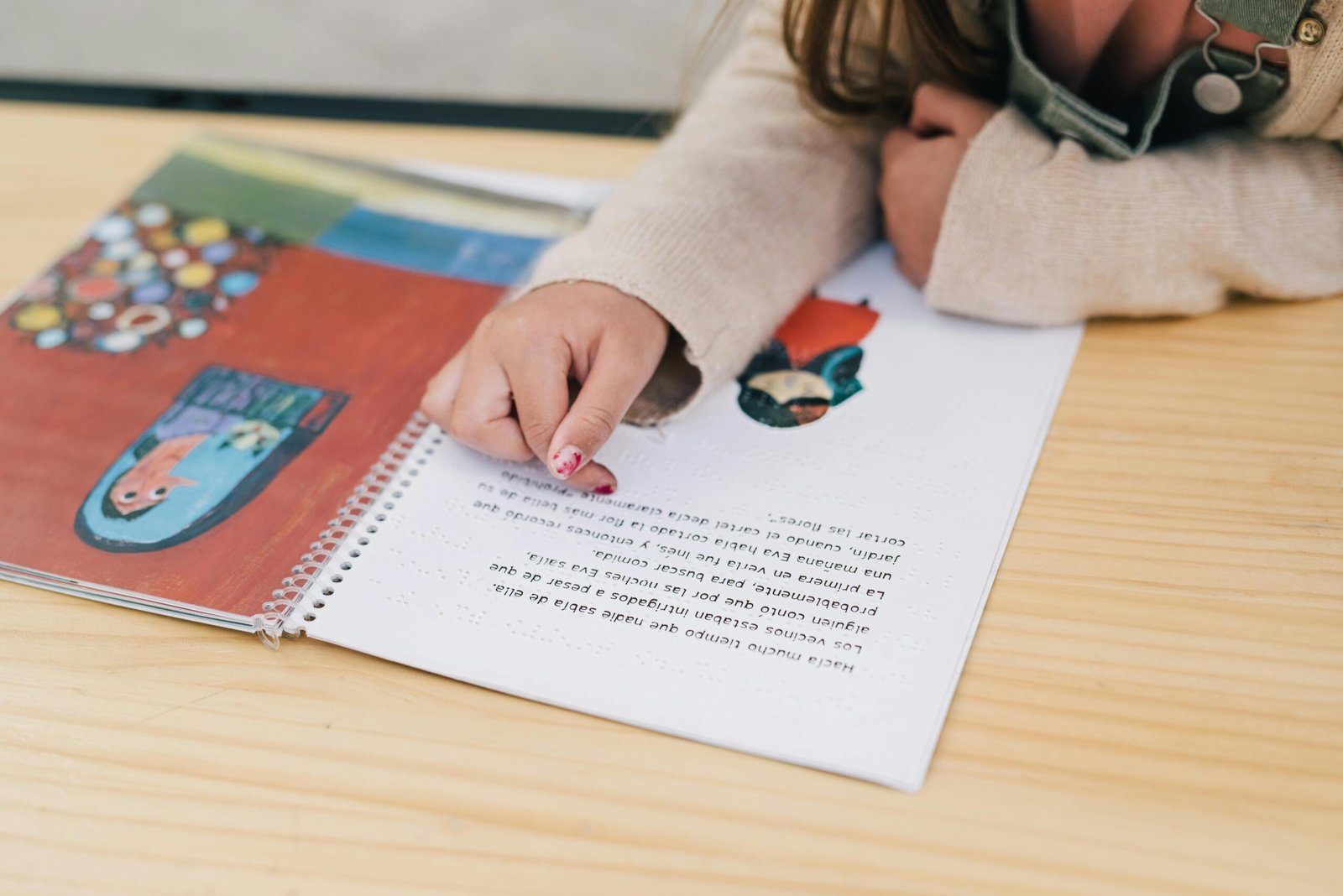
We recognize that kids learn and interact with books differently. Accessibility includes tactile elements, large print, simple layouts, sensory-friendly pages, and formats like audio and braille. We will seek and support books that meet diverse needs.
Choosing accessible books
We should look for sturdy pages, clear fonts, uncluttered layouts, and predictable structure for readers with sensory processing challenges. Social stories—books that explain specific social situations and behaviors—work well for neurodivergent children. Audio and read-along formats help struggling decoders.
Examples: tactile books, “social story” publications, high-contrast board books, and simple graphic novels for readers who prefer visual storytelling.
Advocacy and personalization
We will personalize reading routines for our child. If a book’s language is overwhelming, we will paraphrase. If a page triggers overstimulation, we will skip it. Advocacy includes asking libraries and schools for inclusive materials and reasonable accommodations.
Seasonal and event-based reading
We want books that match the calendar: holidays, first days of school, and cultural observances. Event-based reading helps kids anticipate and understand rituals. We will prioritize books that show a range of cultural practices so holidays are less monolithic.
Holiday books and multicultural celebrations
We will include books that portray holiday traditions authentically and without stereotypical shorthand. When possible, we will source books written by authors from those communities. This respects the tradition and avoids reducing complex experiences to caricature.
Examples: books for Lunar New Year, Diwali, Hanukkah, Ramadan, Kwanzaa, and secular winter stories.
Using books for real-life preparation
Before a surgery, first day of school, or big move, reading a book about someone experiencing that same event reduces fear. We will pair stories with practical steps—visit the hospital, look at photos of a new school building—to make transitions concrete.
Recommended awards and lists for trusted picks
We rely on curated awards and lists when we need a trusted shortlist. Awards indicate peer-reviewed quality, but they are not the only stamp of value. We will use them as a starting point and remember to check for representation and age-appropriateness.
Major children’s book awards to know
- Caldecott Medal — outstanding picture book illustration.
- Newbery Medal — distinguished contribution to American literature for children.
- Coretta Scott King Award — African American authors and illustrators.
- Pura Belpré Award — Latinx authors and illustrators.
- Stonewall Book Awards — LGBTQ+ themes.
- Printz Award — excellence in young adult literature.
We will treat awards as signals of quality, but not gospel. A winning book might not be right for every child.
Gifting books: what to choose and how to wrap
We give books as gifts because they can be long-lasting, meaningful, and sometimes less sugar-filled than a toy. When gifting, we think about the child’s interests, the family’s values, and what will survive life on a playroom floor.
We will aim for timelessness or clear match to an interest. Avoid thinly veiled parent-gift-giving that judges developmental milestones (“This book WILL make your kids sleep”). A good gift book can be funny, comforting, or wild—just make sure it is sturdy if it is for young kids.
Wrapping and presentation
We will wrap books nicely or present them with a handwritten note about why we chose that title. If the recipient’s culture or language differs from ours, we will try to include a title in their language if possible. A small bookplate note makes a book feel like an heirloom.
Digital books, apps, and multimedia
We will not demonize screens; they can be tools when used purposefully. Interactive ebooks and read-along apps can supplement reading, especially for remote learning or travel. We will, however, limit passive screen time and prioritize human interaction over passive consumption.
Choosing quality digital options
We will prefer apps and digital versions from reputable presses and libraries. Features we value include read-aloud narration that highlights text, offline access, and no intrusive ads. We will also use parental controls and set time limits that fit our family.
Troubleshooting common reading friction
We will keep our expectations realistic: not every child loves books, stress around reading is normal, and preferences can change. With patience and strategy, we can reduce friction and make reading part of family life without drama.
What to do if a child resists reading
We will follow their interests and sneak reading into games, cooking, or podcasts. Graphic novels, magazines, and audiobooks count—and counting is caring. We will also collaborate with teachers and librarians for more ideas.
What to do if kids are stuck on difficult words
We will teach a few decoding strategies: look at pictures, chunk the word, and skip and return. Praise effort, not just accuracy, and model thinking aloud when we get stuck. If struggles persist, we will seek an evaluation to rule out processing or learning differences.
A short list of perennial favorites by category
We will recommend a compact reading list to pull from when decisions feel reckless.
Picture Book Classics
- “Goodnight Moon” — timing and ritual.
- “Brown Bear, Brown Bear, What Do You See?” — pattern and repetition.
- “The Very Hungry Caterpillar” — counting and life cycle.
Modern Picture Books with Heart
- “Last Stop on Market Street” — empathy and community.
- “The Day the Crayons Quit” — humor and perspective-taking.
- “Dragons Love Tacos” — silly premise, memorable read-aloud.
Early Readers & Transition
- “Elephant & Piggie” series — humor, design for emergent readers.
- “Frog and Toad” — friendship and gentle humor.
Middle Grade Essentials
- “Wonder” — kindness, empathy, and perspective shifts.
- “A Wrinkle in Time” — classic fantasy and intellectual challenge.
Young Adult Standouts
- “The Hate U Give” — activism and voice.
- “Aristotle and Dante Discover the Secrets of the Universe” — identity and intimacy.
Final notes: what we believe about children’s books
We think books are tools, mirrors, and delights. They are not curriculum replacements and they are not moral test cards for parents. We are allowed to be imperfect readers and still raise curious, kind kids. We will keep returning to books even when life is chaotic because they help us say the things we do not always know how to say.
Additional resources and next steps
We suggest checking local librarians, school reading lists, and independent bookstores for tailored recommendations. We will also consult sites like Reading Rockets, The Cooperative Children’s Book Center, and local library staff when seeking diverse or topic-specific titles.
We hope this guide helps us pick books that fit our child’s stage, mood, and needs while being honest about the messy realities of family life. If we keep books accessible, interesting, and attuned to our children’s lives, we will have done something right—whether bedtime is smooth or chaotic, the stories we share will last.