Bedtime Stories for 6 Year Olds: Magical Sleep Stories for Kids
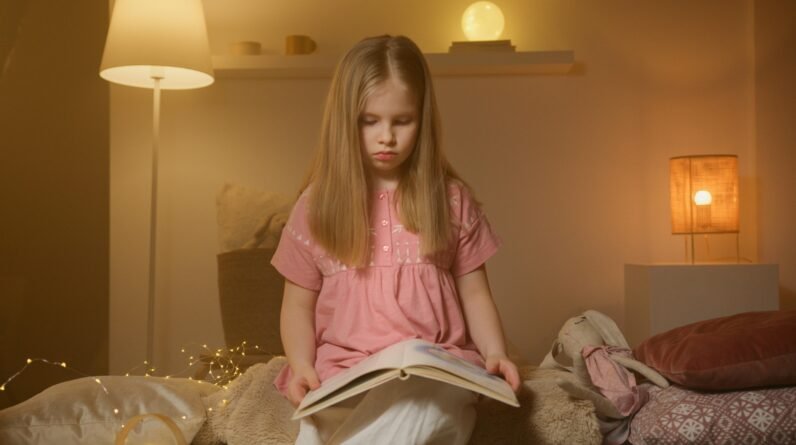
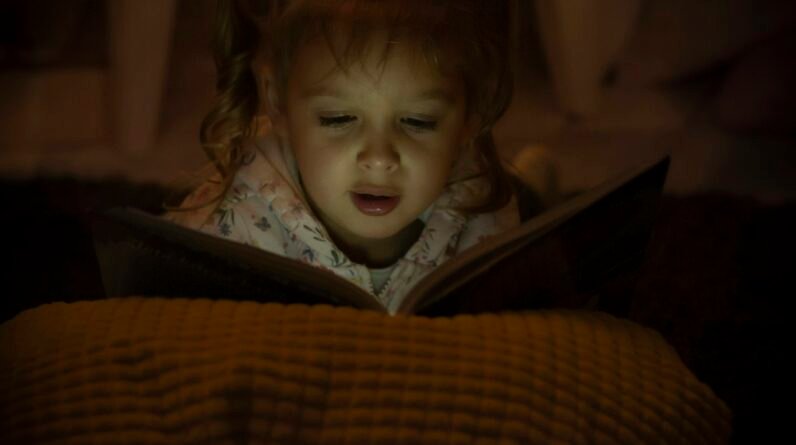
Ready to coax a six-year-old into dreamland with nothing but a story, a soft voice, and possibly a strategic cookie bribe? Bedtime stories for 6 year olds can do exactly that when they blend calm language, gentle imagination, and just enough humor to keep kids listening without winding them up. At this age, children are curious, verbal, and full of energy, so the best stories help them shift from busy evening brains to sleepy, peaceful thoughts.
This guide brings together practical bedtime tips, calming routines, short original stories, and simple storytelling strategies to help parents and caregivers make bedtime easier. If you want more age-based collections, you can also explore sleep stories for 6 year olds and related story ideas by stage.
Reading time: 8–12 minutes | Best for: Ages 5–7 | Story type: Calm, magical, and read-aloud friendly
This image is property of images.pexels.com.
Why Bedtime Stories Matter at Age 6
Six-year-olds are in a fascinating stage of development. They often enjoy longer sentences, more detailed plots, and a little bit of silliness mixed into almost everything. They are also still learning how to regulate emotions, settle their bodies, and move from active play into rest. That makes bedtime stories especially useful.
A good bedtime story does more than fill time before sleep. It supports language growth, emotional understanding, listening skills, and parent-child connection. It also creates a reliable transition between the excitement of the day and the calm needed for sleep. That shift matters because many children do not simply “switch off” at bedtime. They need help getting there.
Developmental Milestones to Keep in Mind
At age six, many children can read simple books, recognize longer sentence patterns, enjoy playful repetition, and understand small problem-and-solution story structures. They often like stories with cozy magic, talking animals, bedtime routines, and gentle adventures that feel interesting without being intense.
The Benefits of Reading at Bedtime
When bedtime stories become a consistent ritual, they can help with vocabulary, comprehension, empathy, emotional comfort, and sleep readiness. They also provide a daily chance to connect, laugh softly, and end the evening on a warm note. For many families, that shared reading time becomes one of the most reliable and enjoyable parts of the day.
How to Choose the Right Bedtime Story
Choosing the right bedtime story for a six-year-old is mostly about balance. The story needs enough spark to hold attention, but not so much excitement that bedtime turns into a second playtime. It should be interesting, soothing, and easy to follow.
Length and Complexity
For many children this age, bedtime stories between 500 and 800 words work well for a single reading session. On extra sleepy nights, very short stories of 200 to 400 words may be more effective. The goal is not to squeeze in as much content as possible. The goal is to help the child land gently at sleep.
Themes That Usually Soothe
Gentle adventure, magical helpers, moon-and-stars imagery, bedtime routines, friendship, and kind animals tend to work especially well. Stories with loud conflict, intense danger, or cliffhanger endings are usually less helpful at bedtime, even if the child enjoys them earlier in the day.
Language and Repetition
Rhythmic sentences and repeated phrases can be surprisingly calming. They help children anticipate what comes next, which reduces mental effort and increases comfort. Repetition also supports early reading confidence, especially when children begin joining in on familiar lines.
Visual Support and Reading Level
If the child is still wide awake, picture-heavy books can help hold attention while keeping the mood calm. If the child is practicing reading, illustrated early-reader books or simple chapter-style bedtime tales can work beautifully. The best choice depends on whether the story is being read aloud, shared together, or partly read by the child.
Story Themes and Examples Table
Matching the story to the child’s mood can make bedtime smoother. A child who feels silly may enjoy something whimsical and light. A child who feels worried may do better with reassurance and familiar rhythms.
| Mood/Goal | Theme Examples | Why It Works |
|---|---|---|
| Calm and sleepy | Cozy animals, bedtime routines, moon and stars | Familiar imagery lowers stimulation |
| Imaginative but tranquil | Friendly magic, tiny adventures, helpful creatures | Encourages wonder without overstimulation |
| Educational but soothing | Nature facts, counting games, language play | Supports learning while winding down |
| Silly and light | Funny animals, soft absurdity, rhyming riddles | Creates low-key laughter that eases into calm |
| Comfort and reassurance | Bravery, new experiences, separation worries | Helps children process feelings safely |
Matching Story Length to Time Available
If bedtime is already running late, a short vignette or two-minute rescue story may be the best option. If the evening feels calm and there is more space, a slightly longer magical tale can work beautifully. Having both options ready prevents last-minute scrambling.
Reading Aloud: Techniques That Really Help

Reading a bedtime story well is less about dramatic performance and more about soothing rhythm, warm connection, and thoughtful pacing. A soft voice and a few simple techniques can make a big difference.
Voice, Pace, and Volume
Start with a natural, clear voice, then soften and slow it as the story moves along. This helps the child’s body begin mirroring the calmer pace. Expressive reading is helpful, but bedtime is not the time for booming battle speeches or surprise sound effects that make everyone sit up again.
Pacing and Pauses
Pauses matter. A short pause after a cozy line or repeated phrase gives the child time to picture the scene, settle their breathing, and relax into the moment. The goal is not speed. The goal is atmosphere.
Using Touch and Familiar Objects
A tucked blanket, a gentle shoulder touch, or a stuffed animal held during the story can make bedtime reading feel even more grounding. These small physical cues create safety and help link the story to comfort.
Interactive, But Not Too Interactive
One or two calming questions can be helpful. For example, “What sound does the moon make?” or “Do you think the little cat is sleepy yet?” That kind of quiet engagement works better than turning the story into a long quiz or a high-energy discussion.
Sample Bedtime Routine for 6-Year-Olds
A steady routine tells the brain that sleep is getting closer. It reduces negotiation, lowers stress, and makes bedtime feel more predictable. That predictability is especially helpful for six-year-olds, who often do better when they know exactly what comes next.
- About 20 minutes before bed, lower the lights and switch to a calm activity such as drawing, simple puzzles, or quiet cuddles.
- Move into brushing teeth and pajamas with a consistent order each night.
- Read one medium-length story or two short stories in a soft voice.
- Finish with two minutes of breathing, stretching, or guided relaxation.
- End with lights out and one calm closing phrase.
A Simple Breathing Exercise
Invite the child to imagine a tiny balloon in their belly. Breathe in slowly through the nose for three counts, then breathe out for five. This gentle pattern can help reduce tension and support a smoother transition into sleep.
Calming Techniques to Pair With Stories
A bedtime story becomes even more effective when it is paired with a soothing sensory cue. These extras do not need to be elaborate. In fact, simpler is usually better.
Soft Soundscapes
Gentle sounds such as rain, quiet waves, or soft wind can support the bedtime mood if kept low. Avoid dramatic music or strong rhythms, which can keep attention too alert.
Cozy Sleep Signals
A light weighted blanket, a familiar pillow, or a special bedtime toy can create a stronger sense of safety. The key is comfort, not novelty.
Subtle Scents
If your child responds well to scent and has no sensitivities, a faint lavender smell can be calming. Keep it subtle and never overpowering.
Original Sample Stories for Six-Year-Olds
Below are three original bedtime stories designed for age six. Each one uses gentle imagery, manageable pacing, and a soft ending that encourages relaxation.
Story 1: The Little Moon Sweeper
The little moon sweeper lived in a rowboat that sailed across the night sky. Each evening, when the sun put on its pajamas and the stars blinked awake, the cat climbed into the rowboat, tucked her long tail under, and rowed softly toward the moon.
She carried a tiny silver broom and a tin of stardust polish. With slow careful paws, she swept moon craters until they shone like sleepy mirrors. Sometimes she hummed while she worked, and the clouds hummed back in the lowest, coziest voices.
One night, a tiny star fell asleep on her broom. It snored very softly and sparkled in time with each swish. The cat smiled, swept more slowly, and sang such a gentle lullaby that even the broom seemed to grow drowsy.
When the moon was clean, she scooped up the little star and tucked it into her sweater pocket. Then she rowed back to her boat, tied a tiny ribbon to the moon, and switched off the sky’s last bright twinkle.
In the rowboat, she curled her tail around the star like a blanket. The water rocked softly, the clouds settled into place, and the night wrapped itself around them like a shawl. The moon sweeper whispered goodnight to the sky, and the sky whispered goodnight back.
Story 2: The Whispering Tree House
High in an old oak tree stood a tree house with wooden eyes and a door that creaked the nicest good evenings. It was not an ordinary tree house. It learned new bedtime stories every day by listening to the wind.
Children climbed the rope ladder to visit, and the tree house would whisper a new story into their hair. It told tales about snoring owls in tiny spectacles, slow rivers that sang lullabies, and brave little ants who built castles from crumbs.
One evening, the tree house shared its favorite story of all. It was about a soft blue blanket that could make anyone yawn simply by floating past their toes. The children listened inside their sleeping bags while the branches swayed and the leaves tucked themselves in close.
As the story ended, the tree house gave a small wooden sigh. Its windows dimmed. Its door settled. Even the rope ladder stopped swinging and hung perfectly still. If you listen very quietly, you can still hear the last line drifting down like a feather: goodnight, good dreams, and slow, steady breathing.
Story 3: The Postman of Sleepy Hollow
Once upon a yawn, there was a postman who rode a slow bicycle with a basket full of dreams. He did not carry letters like ordinary postmen. He carried folded lullabies, tiny paper boats, and dream parcels that smelled faintly of cinnamon.
Every house in Sleepy Hollow had a chimney marked by a painted stone or a small hummingbird sign. The postman knocked softly, tiptoed through the quiet, and slipped one dream under each pillow. Some dreams were about cloud castles. Some were about squirrels who found secret nut libraries. Some were simply soft floating stars with warm edges.
One rainy night, a child whispered, “What if I do not like my dream?” The postman smiled kindly and opened a little box marked “Trades.” Inside was a gentle dream called One Soft Star. The child chose it, hugged the blanket closer, and let the rain tap a sleepy rhythm on the window.
When the postman’s bicycle bell chimed its last tiny note, the town lights dimmed one by one. His wheels sighed along the path, and quiet followed behind him like a blanket being pulled gently over the whole village.
Quick Micro-Stories for “Just One More” Nights
Sometimes a child is too sleepy for a full story but still wants one last tiny tale. These short endings can help close the night without reopening the whole bedtime negotiation.
- The little cloud tucked the moon into its pocket and yawned. The whole sky grew sleepy and fell asleep under a blanket of stars.
- A snail carried a tiny lantern to Sleep Village. By the time it arrived, every window was already dreaming.
How to Make Any Story More Sleep-Friendly
You can soften almost any story by removing chase scenes, lowering the energy, and adding a calm epilogue. Turn “they ran” into “they walked slowly.” Replace arguments with quiet problem-solving. Let the ending breathe.

This image is property of images.pexels.com.
Story-Writing Prompts and Templates for Parents
Not every bedtime story needs to come from a book. Having a couple of simple templates makes it much easier to invent a story on the fly when needed.
Template 1: The Gentle Quest
- Choose a small animal or child with a soft flaw, such as a shy squirrel.
- Give them a comforting task, such as finding a lost scarf.
- Add one quiet companion, such as a sleepy moth.
- End with a calm return home and a bedtime phrase.
This structure works because it gives children a clear beginning, middle, and end without too much emotional intensity.
Template 2: The Helpful Thing
- Start with an ordinary object that becomes magical, such as a nightlight that tells jokes.
- Create a small problem, like someone feeling worried or lonely.
- Let the object help through small acts of comfort.
- Finish with a cozy, safe ending.
These story shapes are perfect for building bravery, kindness, and calm into bedtime without making the story feel heavy.
Books and Resources by Age and Stage
Parents often do best with categories rather than fixed title lists, especially when they want flexible bedtime options that stay evergreen.
For Ages 3 to 5
Choose board books, repetitive picture stories, and short animal tales with very clear emotional cues.
For Age 6
Focus on illustrated early readers, gentle magical tales, rhythmic picture books, and very short chapter-style stories. If you want more curated collections for this exact age group, visit magical stories age 6 for more suitable bedtime options.
For Ages 7 to 9
Longer gentle chapter books and calm series stories can begin to work well, especially when the bedtime tone stays reassuring.
Using Reading Levels and Early Readers
At age six, many children want to try reading aloud themselves while still needing support. Bedtime can be a wonderful place for shared reading if the pressure stays low.
Tips for Emergent Readers
Let the child decode one sentence or read a single line of dialogue, then take over for the rest. This builds confidence without turning bedtime into a reading test. Praise effort warmly and keep correction gentle.
Educational Benefits of Bedtime Stories
Bedtime stories are more than a soothing tradition. They are also compact learning moments that support language, memory, and emotional development.
Language and Literacy
Stories expose children to vocabulary in context. Words like “murmur,” “glow,” “drift,” or “whisper” become easier to understand when they appear inside a comforting story rather than a lesson.
Cognitive Skills
Story structure strengthens sequencing, recall, prediction, and cause-and-effect understanding. A child who hears stories regularly is practicing those thinking skills night after night.
Emotional Development
Stories help children process feelings safely. A nervous dragon, a sleepy postman, or a brave little cat can model how to handle worry, separation, new situations, or bedtime fears in ways children understand.

This image is property of images.pexels.com.
Troubleshooting Common Bedtime Story Problems
Even the best bedtime routines can run into familiar problems. A little structure can help keep storytime calm and predictable.
The “Just One More” Spiral
Set a clear limit ahead of time. Two stories means two stories. A simple story token system can help on nights when boundaries get fuzzy. The key is staying warm but consistent.
Fearful Reactions to Parts of the Story
If the child gets scared, pause and adapt the story right away. Turn the scary figure into a helper, soften the image, and re-establish the feeling of safety before continuing.
Bedtime Bargaining
Offer limited choices such as, “Do you want the moon sweeper story or the postman story?” This gives the child a sense of agency without opening a long negotiation.
Encouraging Independent Reading at Age 6
Many six-year-olds enjoy the thrill of reading something by themselves, even if only a little. Bedtime can support that without losing the shared ritual.
Shared Reading Strategies
Try echo reading, where you read one line and the child repeats it. Or let the child read a page heading while you read the story text. The goal is confidence, not performance.
Nightmares and Unsettling Dreams
Sometimes bedtime stories are calm, but sleep still gets interrupted by bad dreams. Having a simple response plan can help children return to feeling safe.
A Calming Script After a Nightmare
You might say, “That sounded scary. I’m glad you told me. Let’s take a slow breath together and make a silly dream to replace it.” Reassurance first, then a gentle redirect, often works better than trying to argue the fear away.
Seasonal and Holiday-Themed Bedtime Stories
Seasonal stories can make bedtime feel fresh without raising the energy. A sleepy snowfall, a blanket of autumn leaves, or a summer moon over a quiet pond all give children familiar, calming images connected to real life.
Why Seasonal Stories Help
They create continuity between the child’s real world and the story world. That can feel especially grounding during busy times of year.
Incorporating Learning Objectives Gently
Bedtime stories can include small learning moments without feeling like school. Counting, colors, simple science facts, and vocabulary can all be woven into soft, low-pressure stories.
Example: A Counting Alternative to Sheep
Instead of counting sheep, imagine counting floating lanterns, each with a soft color and a sleepy name. That keeps the activity dreamy while still supporting language and number practice.
Technology and Bedtime Stories
If you use audiobooks or story apps, choose simple formats with calm narration and no loud interruptions. Bedtime audio should feel like an extension of the ritual, not a replacement for calm.
Audiobook Tips
Choose a single gentle narrator, low volume, and a timer that turns off automatically. Avoid dramatic productions with sharp sound effects or heavy music.
Creating a Bedtime Story Bank
Having a reliable set of bedtime options makes the evening easier. A small story bank can prevent last-minute stress and reduce the temptation to grab whatever book is nearby, even if it is far too stimulating.
What to Keep in Your Bedtime Story Bank
Include one favorite picture book, two short original stories, a couple of calming poems, one rescue micro-story list, and one printable option. You can also save bedtime reading backups in the free bedtime stories PDF library for quick access.
Quiet Activities to Extend the Story
Some children benefit from a very small follow-up that helps them close the story mentally before sleep.
- Draw one calm scene from the story.
- Whisper a two-line continuation to a stuffed animal.
- Name three peaceful things that happened in the story.
These quiet activities give closure without restarting the child’s energy.
Frequently Asked Questions
1. What are the best bedtime stories for 6 year olds?
The best bedtime stories for 6 year olds usually have gentle plots, calm endings, and imaginative but non-scary themes. Cozy animals, moon-and-stars stories, friendly magic, and small adventures tend to work especially well. Stories are most effective when they match the child’s mood and help shift their energy from active to relaxed.
2. How long should a bedtime story be for a six-year-old?
For most six-year-olds, a bedtime story between 5 and 15 minutes works well. That often means around 500 to 800 words for a single story, or two shorter stories on sleepier nights. If the child is especially tired, shorter and gentler stories usually help more than trying to finish a longer tale.
3. Can bedtime stories improve sleep routines?
Yes, bedtime stories can improve sleep routines when they are used consistently. A regular story helps create a predictable transition into bed, lowers stimulation, and becomes a cue that sleep is coming next. When paired with dim lights, soft voices, and a consistent order, stories can make bedtime feel much smoother.
4. Should a 6-year-old read along during bedtime?
Yes, but only in a light and low-pressure way. A six-year-old can read a line, repeat a phrase, or help with one short section while the adult handles most of the story. This supports early literacy and confidence without turning bedtime into a stressful reading exercise.
5. What if my child always wants the same story every night?
That is very common and usually comforting for children. Repetition helps them feel secure, and familiar stories are often easier for them to relax into. You can alternate the favorite with a new story every other night or keep a predictable rotation so bedtime stays calm without becoming overly repetitive for the adult.
6. How can I make a bedtime story more calming?
To make a bedtime story more calming, slow your voice as the story progresses, soften the imagery near the end, and avoid exciting twists in the last few minutes. Repeated phrases, cozy descriptions, and gentle resolutions work especially well. A calm final line can become a reliable bedtime cue over time.