
How to to Stop Bedtime Negotiations: Practical Tips That Actually Work
How to to stop bedtime negotiations is one of the most common parenting sleep challenges. One more story. One more drink. One more hug. One more trip to the bathroom. What starts as a simple bedtime routine can quickly turn into a nightly 30–60 minute negotiation that leaves both parents and children exhausted.
The good news is that bedtime negotiations can improve with the right structure, calm consistency, and sleep habits. Most children are not trying to be difficult. They are usually testing boundaries, avoiding separation, dealing with overtiredness, or trying to gain more connection and control before sleep.
In this guide, you will learn:
- Why kids negotiate at bedtime
- How to stop bedtime power struggles without yelling
- A step-by-step bedtime routine that actually works
- Scripts you can use tonight
- How to help kids fall asleep faster
- Common mistakes parents make during bedtime
- How to create long-term healthy sleep habits
If your evenings feel chaotic, stressful, or endlessly delayed, this article gives you practical solutions you can start using tonight.
By understanding how to to stop bedtime negotiations, parents can create a more peaceful and enjoyable bedtime routine for everyone involved.
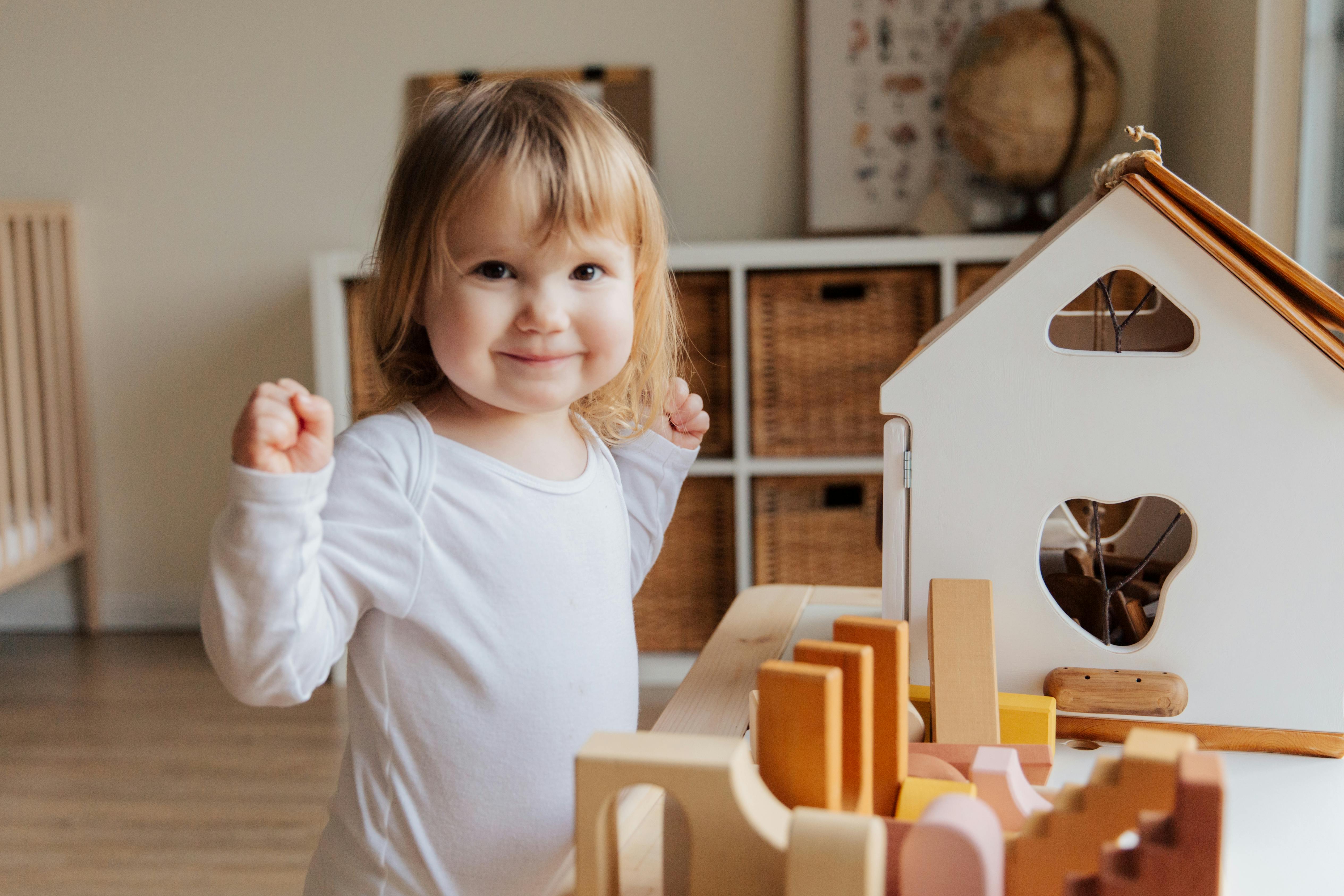
Image source: Pexels
What Are Bedtime Negotiations?
Bedtime negotiations are repeated attempts by a child to delay sleep after bedtime has already started. These behaviors are extremely common in toddlers, preschoolers, and school-age children.
Bedtime negotiations may include:
- Requesting extra stories
- Asking for snacks or drinks repeatedly
- Leaving the bedroom multiple times
- Wanting another hug or parent check-in
- Suddenly remembering questions or fears
- Refusing pajamas or tooth brushing
- Arguing about bedtime rules
While occasional delays are normal, constant negotiations can lead to:
- Shorter sleep duration
- Overtired children
- Morning meltdowns
- Increased parental stress
- More bedtime anxiety
- Long-term sleep struggles
According to the CDC, children need consistent sleep schedules for healthy development, emotional regulation, and learning.
Why Kids Resist Bedtime
Understanding the cause behind bedtime negotiations makes it easier to solve them calmly.
1. Children Want More Control
Toddlers and preschoolers naturally test limits as part of development. Bedtime becomes one of the few moments where children feel they can negotiate for more autonomy.
This is why offering limited choices works well.
For example:
- “Do you want the blue pajamas or the green pajamas?”
- “Would you like one story or two short stories?”
The child feels involved without controlling bedtime itself.
2. Overtiredness Makes Falling Asleep Harder
Many parents assume children fight sleep because they are not tired enough. In reality, overtired children often become hyperactive, emotional, and restless before bed.
Signs your child is overtired at bedtime include:
- Zooming around the house
- Laughing uncontrollably
- Meltdowns over small things
- Difficulty calming down
- Frequent bedtime tantrums
Read our guide on signs your child is overtired at bedtime for more detailed help.
3. Inconsistent Bedtime Routines
Children thrive on predictability. When bedtime changes every night, children are more likely to test boundaries and negotiate.
A consistent bedtime routine that actually works usually includes:
- Same bedtime every night
- Same sequence of activities
- Predictable expectations
- Calm environment
- Limited stimulation
4. Too Much Evening Stimulation
Screens, loud play, sugar, and bright lighting can delay natural melatonin production.
Research from Harvard Health shows that blue light exposure before sleep can delay sleep readiness and make bedtime harder.
Try reducing:
- Tablet use
- TV exposure
- Rough play
- Bright lights
- Sugary snacks
within 60–90 minutes before bedtime.

Image source: Pexels
How to Stop Bedtime Negotiations Without Yelling
The biggest mistake many parents make is accidentally turning bedtime into a conversation instead of a routine.
Children learn quickly that repeated requests sometimes work.
The solution is calm consistency.
Step 1: Create a Predictable Bedtime Routine
A simple routine reduces uncertainty and helps children mentally prepare for sleep.
Example bedtime routine:
| Time | Activity |
|---|---|
| 6:30 PM | Bath or wash-up |
| 6:45 PM | Pajamas and brushing teeth |
| 6:55 PM | Quiet reading or bedtime story |
| 7:10 PM | Hugs, lights dimmed, final goodnight |
| 7:15 PM | Lights out |
Children settle faster when the routine stays mostly the same every night.
Related: how to create a calm bedtime routine.
Step 2: Use Short, Calm Scripts
Long explanations often increase negotiations.
Use calm, repetitive scripts instead.
Examples:
- “It’s bedtime now. I’ll see you in the morning.”
- “You already had your bedtime story.”
- “It’s time for sleep.”
- “I love you. Goodnight.”
Short responses prevent emotional escalation.
Step 3: Offer Limited Choices
Choices reduce power struggles because children feel included.
Good bedtime choices:
- Which pajamas to wear
- Which stuffed animal to sleep with
- Which bedtime story to read
- Which calming music to play
Avoid open-ended questions that invite negotiations.
Step 4: Stop Renegotiating
One of the hardest but most important steps is avoiding repeated bargaining.
If the answer changes nightly, children learn to keep trying.
Instead:
- Stay calm
- Repeat the same response
- Avoid emotional reactions
- Keep boundaries predictable
Consistency matters more than perfection.
What to Do When Your Child Keeps Getting Out of Bed
Many children repeatedly leave their room after bedtime.
This behavior usually improves when parents respond calmly and consistently.
The Return-to-Bed Method
- Walk your child back quietly
- Use minimal words
- Avoid lectures
- Keep lights dim
- Repeat every time
Example script:
“It’s sleep time. Back to bed.”
Children often stop leaving the room once they realize bedtime boundaries stay consistent.
Helpful resource: what to do when your child keeps getting out of bed.
How to Help Kids Fall Asleep Faster
If children are calm but still struggling to fall asleep, focus on improving sleep pressure and relaxation.
Helpful Sleep Strategies
- Maintain consistent wake times
- Increase daylight exposure
- Encourage physical activity earlier in the day
- Reduce evening sugar intake
- Use dim lighting before bed
- Read calming bedtime stories
- Use white noise if helpful
Many families also find success with:
- Breathing exercises
- Soft bedtime music
- Weighted blankets (if age appropriate)
- Bedtime checklists
Read more: how to help kids fall asleep faster.
How Bedtime Stories Reduce Bedtime Struggles
Bedtime stories help children emotionally transition from active daytime energy into calm nighttime routines.
Stories can:
- Reduce anxiety
- Create emotional connection
- Slow breathing and heart rate
- Improve bedtime predictability
- Strengthen parent-child bonding
Gentle bedtime stories work especially well for children who resist abrupt transitions.
You may also enjoy:
Common Bedtime Mistakes Parents Make
1. Changing Rules Every Night
Inconsistent responses confuse children and increase testing behaviors.
2. Using Bedtime as Punishment
Bedtime should feel safe and calming, not threatening.
3. Allowing Screens Too Late
Even educational content can overstimulate children before sleep.
4. Starting Bedtime Too Late
Overtired children often resist sleep more intensely.
5. Talking Too Much During Negotiations
Too much discussion can accidentally reward delaying behaviors.

Image source: Pexels
7-Night Reset Plan for Bedtime Negotiations
Night 1–2
- Track bedtime struggles
- Set a consistent bedtime
- Reduce evening stimulation
Night 3–4
- Use calm bedtime scripts
- Introduce visual bedtime charts
- Practice consistency
Night 5–7
- Use simple rewards for cooperation
- Keep bedtime calm and predictable
- Avoid renegotiating boundaries
Most families begin seeing improvements within 1–2 weeks when routines remain consistent.
Frequently Asked Questions
Why does my child negotiate at bedtime every night?
Children negotiate at bedtime because they want more control, feel overtired, experience separation anxiety, or have inconsistent routines. Bedtime negotiations are common during toddler and preschool years, especially when boundaries change often.
How long should a bedtime routine be?
Most bedtime routines work best when they last between 20–40 minutes depending on age. The routine should feel calm, predictable, and not overly stimulating.
Should I ignore bedtime tantrums?
Remain calm and avoid escalating the situation. Acknowledge emotions briefly while maintaining clear bedtime boundaries. Consistency is more effective than arguing or giving repeated warnings.
Can bedtime stories help children sleep better?
Yes. Calm bedtime stories can reduce anxiety, improve emotional connection, and help children transition into sleep more peacefully.
What time should kids go to bed?
Bedtimes depend on age, wake time, and sleep needs. Most toddlers and preschoolers benefit from earlier bedtimes between 7:00–8:00 PM.
How do I stop my child from leaving the bedroom repeatedly?
Use calm, quiet returns to bed with minimal interaction. Repeating the same response consistently often reduces the behavior over time.
Conclusion
Learning how to stop bedtime negotiations takes consistency, patience, and realistic expectations. Most children improve when bedtime becomes predictable, calm, and emotionally safe.
You do not need perfect evenings. Small improvements create better sleep habits over time.
Start tonight with:
- A consistent bedtime
- Short calm scripts
- Limited choices
- Reduced evening stimulation
- A predictable routine
Over time, bedtime can become less stressful and more peaceful for both children and parents.