Bedtime Story About Knight: A Brave Knight Adventure for Kids
If you are looking for a bedtime story about knight adventures that feels funny, gentle, and meaningful, this cozy tale is a wonderful choice for kids. It combines moonlit castles, talking animals, a pancake-loving horse, and a shy dragon with valuable lessons about kindness, teamwork, honesty, patience, gratitude, and respect. Instead of feeling too serious, the story keeps its brave heart wrapped in bedtime humor, making it perfect for reading aloud before sleep.
At its center is Sir Rowan, a knight who means well, listens slowly, and learns that courage is not always loud. Sometimes bravery sounds like asking for help, sharing a snack, or being kind to a worried friend. If your child enjoys magical adventures, you can also explore more hero knight bedtime story collections for other fantasy bedtime tales.
Why This Bedtime Story About Knight Adventures Works So Well
Many children love knight stories because knights suggest bravery, castles, quests, and exciting journeys. But at bedtime, a story also needs warmth and reassurance. This one works because it gives children the fun of a quest without turning the night into something overwhelming. The problems are small enough to feel safe, but meaningful enough to keep children curious and emotionally engaged.
It also works because the story shows bravery in different forms. Sir Rowan is not simply a sword-waving hero charging into danger. He is thoughtful, sometimes clumsy, and often unsure. He learns that listening matters, that sharing can solve problems, and that helping others is often the real heart of an adventure. That makes the story easier for children to connect with, because the hero feels kind and human rather than impossible.
What Children Learn From This Story
This tale gently teaches that courage is often made of small moments. Rowan listens when someone needs to talk. He shares when a friend is stubborn. He tells the truth when something awkward happens. He waits when patience is required. Those small moments add up to real bravery, which is an especially comforting lesson for children at bedtime.
The Brave Knight Adventure Begins
One evening, just after walnut pie o’clock, Sir Rowan received a most unusual problem. A golden moon-maple leaf had drifted from the great Moon Maple and landed right on his shoulder. According to the castle map, the leaf belonged on the Moon Castle staircase, where moonbeams liked to nap before crossing the valley. If the leaf was not returned, the moonlight path might grow dim, and the night creatures who depended on it would have a harder time finding their way home.
So Rowan did what any responsible knight would do. He packed a satchel, fastened his cape, checked his boots, and tried to sound very heroic.
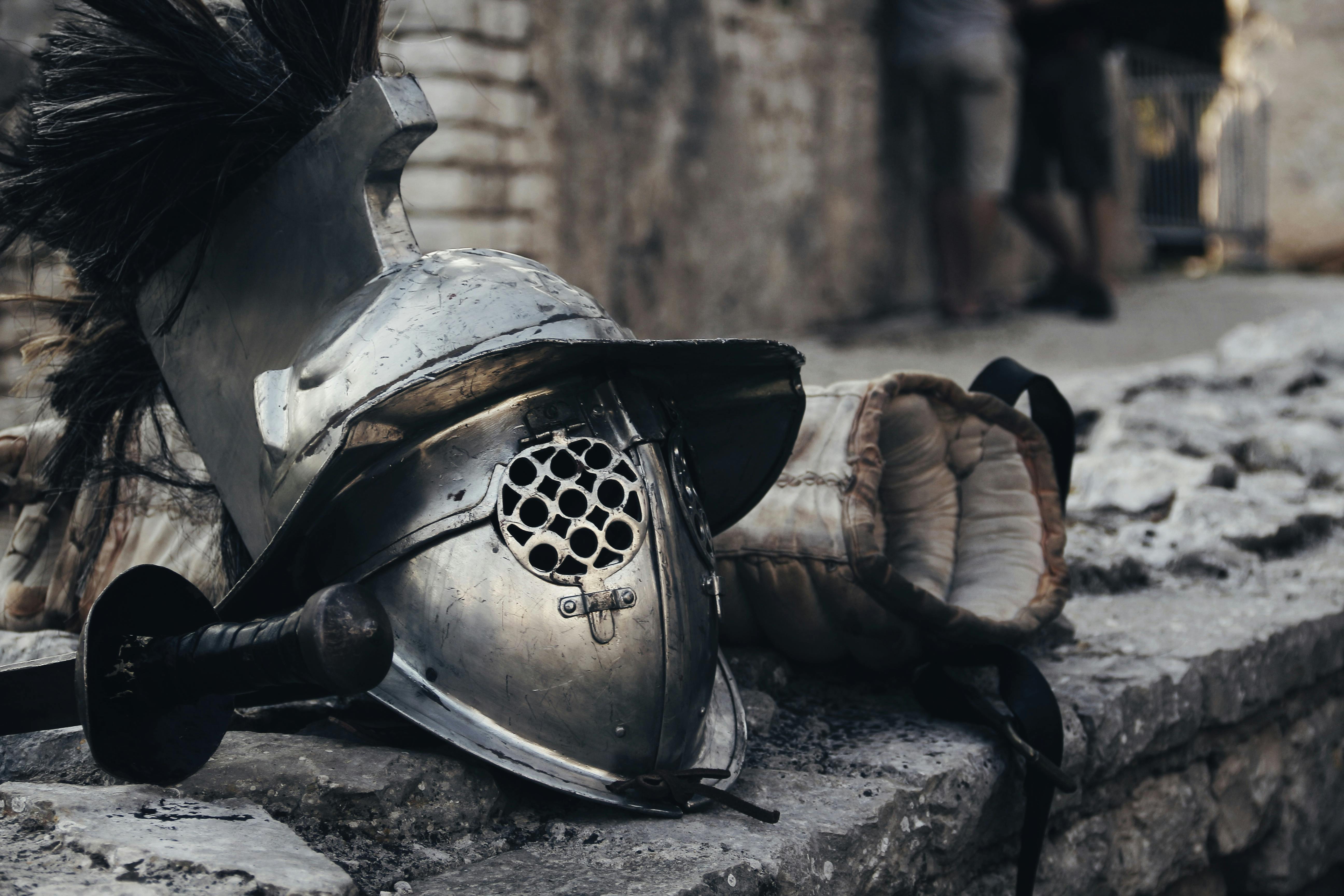
Then his helmet jingled.
It jingled again when he nodded.
And once more when he sneezed.
That was how the quest began: not with trumpets, but with an extremely noisy helmet and a horse who would not move without pancakes.
A Hero With Real Bedtime Energy
One reason children enjoy this opening is that it makes the knight immediately funny and relatable. Rowan is brave, but not grand in a stiff way. He is the kind of hero who can still be slightly ridiculous, which makes the story lighter and more welcoming for bedtime.
Chapter One: The Knight and the Noisy Helmet
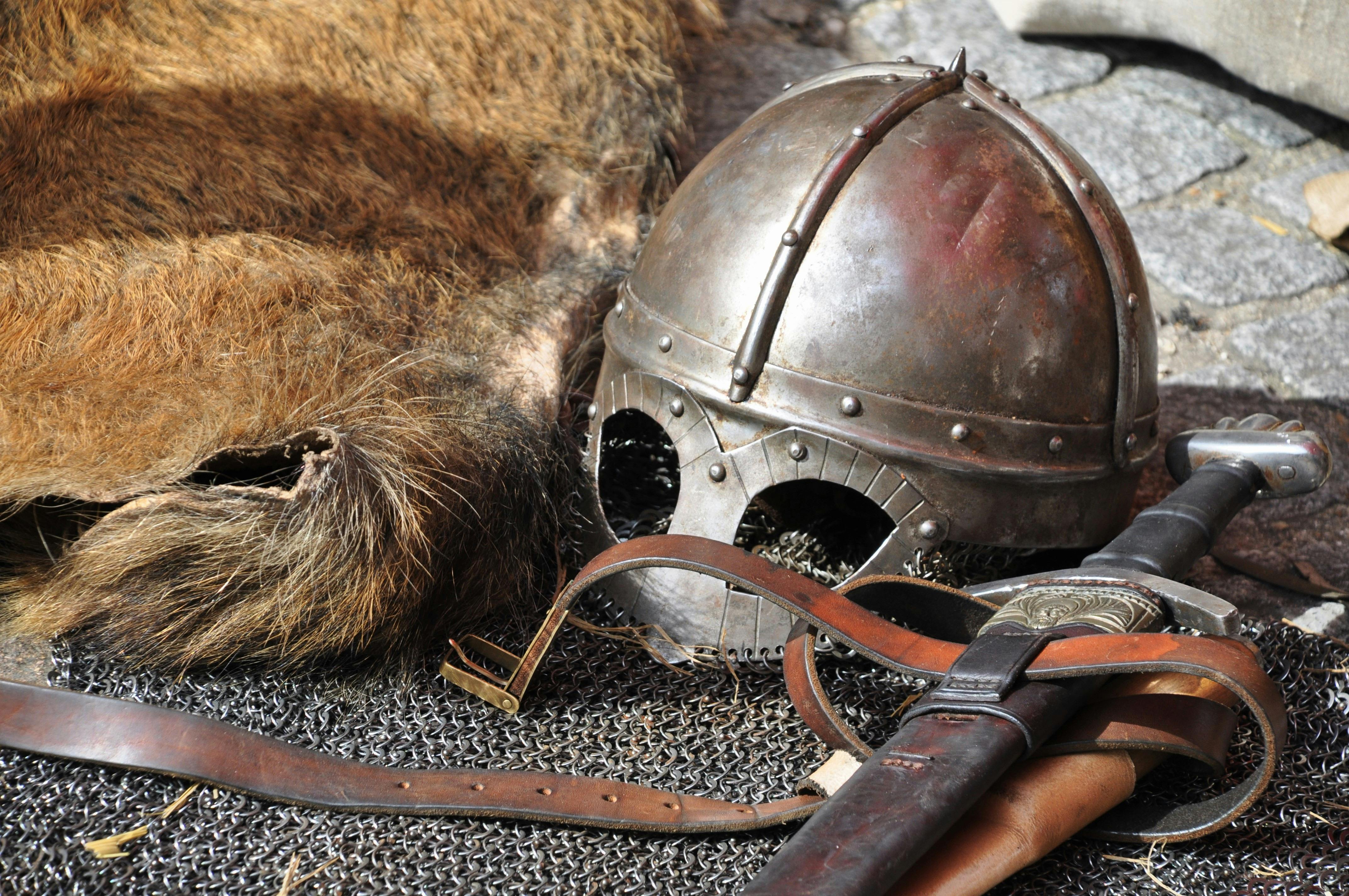
Sir Rowan rode out along the forest path beneath a sky full of sleepy stars. His polished helmet made a tiny tinkle every time he looked left, right, or up in confusion. It was not ideal for a quest involving moonlight, quiet woods, and creatures who appreciated a little peace.
Before long, Rowan met Orla the owl sitting on a branch above the road. She had been trying to tell a riddle to the night air, but the helmet’s jingling kept interrupting her dramatic pauses.
“Ahem,” Orla said with dignified patience. “Would the knight care to listen, or shall the helmet continue the conversation by itself?”
Rowan blushed beneath the metal and carefully removed the helmet. At once, the forest seemed quieter. He could hear the leaves shifting, the far-off brook, and Orla’s voice as she asked her starry riddle.
By listening instead of hurrying, Rowan learned the right turn to take toward Moon Lake. More importantly, he learned that bravery sometimes begins by becoming quiet enough to hear someone else.
Lesson From the Noisy Helmet
This scene teaches children that listening is an important part of courage. The knight does not solve the problem by talking louder. He solves it by slowing down, removing what blocks his attention, and letting another character be heard. That is a gentle but powerful social lesson.
Chapter Two: The Pancake Horse and the Power of Sharing
Rowan’s horse, Bramble, was loyal, handsome, and very good at traveling under moonlight. Bramble was also convinced that oats were acceptable only in emergencies and that proper journeys required pancakes.
When the path grew muddy near the edge of the birch grove, Bramble stopped moving altogether. Rowan encouraged him. Bramble flicked an ear. Rowan tried sounding noble. Bramble yawned. At last Rowan remembered the folded pancake he had saved in his satchel, just in case something became oddly difficult.
He broke the pancake in half and offered a piece to Bramble.
The horse accepted it with enormous dignity, as though he had always planned to cooperate once proper breakfast customs had been observed. Then Bramble trotted forward cheerfully, and the journey continued.
Rowan laughed and realized something simple. Sharing a small kindness had turned stubborn silence into partnership.
Why the Pancake Scene Matters
Children understand concrete examples of kindness very well. Sharing a pancake is simple, funny, and easy to remember. It makes the lesson of generosity feel warm instead of abstract, which is especially effective in bedtime storytelling.
Chapter Three: The Fox With Two Socks
Farther along the road, Rowan found Finn the fox near the riverbank. Finn was trying to wear two socks on one foot while pretending this had always been his plan. It had clearly not been his plan. One sock was too small, the other belonged on the other foot, and his expression suggested a great deal of pride was being used to cover a growing problem.
After a moment of awkward silence, Finn admitted the truth. He had lost his friend’s mitten and felt too embarrassed to ask for help looking for it. Rather than say so, he had distracted himself by rearranging socks in a way that made no practical sense.
Rowan did not laugh. He helped Finn search the grass, the reeds, and the smooth stones by the water. Soon they found the mitten hanging from a willow twig where the breeze had tucked it.
Finn sighed with relief, thanked Rowan, and promised to return the mitten with an honest apology.
Honesty in a Funny Form
This scene works because it shows honesty in a silly, low-pressure way. Children hear that telling the truth can feel awkward, but once it happens, the problem becomes easier to solve. That makes honesty feel useful rather than frightening.
Chapter Four: A Tiny Dragon With Cloud Hiccups
As Rowan and Bramble continued toward the gorge, they heard a tiny hiccup followed by a puff of cloud that smelled faintly of cinnamon. Behind a cluster of pebbles, they found Emberly, a very small dragon with worried eyes and sparkly hiccups.
Every time Emberly got nervous, a hiccup sent out a puff of cloud or a tiny bit of warm smoke. Once, some villagers had called her breath scary, and since then she had been trying to hide her feelings, which only made the hiccups worse.
Rowan sat down beside her instead of standing over her like a grand knight delivering advice. He promised not to laugh. Bramble lowered his head kindly. Together they brewed peppermint tea in a little camping cup and waited while Emberly’s breathing calmed.
Bit by bit, the hiccups softened.
“You are not scary,” Rowan told her. “You are a dragon learning how to feel safe.”
Emberly blinked, then smiled in a shy dragon sort of way.
Respecting Feelings and Differences
This part of the story teaches children that respect means taking someone’s fears seriously. Rowan does not dismiss Emberly or tell her to stop being nervous. He listens, stays kind, and gives her space to calm down. That models empathy beautifully for bedtime readers.
This image is property of images.pexels.com.
Chapter Five: The Bridge of Waiting Stones
By midnight, the group had reached the Great Giggling Gorge, where three smooth river stones floated above the water like stepping stools with opinions. They would only rise high enough to cross if sung to politely. Unfortunately, the stones also required patience. Rushing made them bob away in offended little circles.
Rowan tried stepping first and nearly splashed his boots. Bramble snorted. Finn suggested a slower approach. Emberly, now calmer, hummed a soft note. The others joined in with quiet voices. They counted their breaths, sang gently, and waited while the stones rose one by one.
When the moment was right, they crossed together.
No rushing. No stomping. No unnecessary heroics.
Patience as a Form of Courage
Children often think bravery means action only. This chapter shows that waiting calmly can also be brave. Rowan succeeds not because he charges ahead, but because he learns to slow down and trust the process. That is a powerful bedtime lesson because it connects courage to calm.
Chapter Six: Midnight Tea Time With a Dragon
Just beyond the gorge, the path curved around an old stone tower where another dragon sat in the moonlight with a teapot balanced carefully on one claw. This dragon was not tiny like Emberly. He was large, green, and extremely committed to the belief that all important travel should pause for tea at midnight.
His name was Cedric, and he looked mildly offended that travelers might consider continuing without refreshments.
“A brave journey,” Cedric announced, “must include proper tea, one polite biscuit, and at least a moment to discuss the moon.”
Rowan had expected danger, not hospitality. But Cedric poured tea for everyone, including a syrup-free cup for Bramble and a tiny warm saucer for Emberly. Over tea, Cedric shared useful directions to the Moon Castle path and mentioned that the staircase keeper, Madam Lumen, appreciated visitors who arrived with gratitude rather than noise.
Rowan thanked him sincerely and learned that unexpected kindness can appear in very unusual shapes.
Why This Scene Feels So Memorable
A dragon insisting on midnight tea is funny, but it also gives the story charm and warmth. It teaches children not to judge too quickly and shows that hospitality, politeness, and rest are part of a good journey too.
Chapter Seven: Returning the Moon-Maple Leaf
At last the path opened toward the Moon Castle, whose pale towers shimmered like sleepy silver. At the foot of the staircase stood Madam Lumen, a gentle owl keeper with calm eyes and feathers as soft-looking as folded blankets. She bowed when Rowan approached and noticed the golden leaf resting safely in his satchel.
“You brought it back,” she said. “The moonbeams will rest more peacefully tonight.”
Rowan carefully placed the leaf where it belonged on the castle stair. At once, the moonlight along the valley seemed to glow more warmly. The path below brightened. Tiny night creatures in the grass paused as if relieved.
Madam Lumen thanked each traveler, not just Rowan. She thanked Bramble for his loyalty, Finn for his honesty, Emberly for her courage, and the group for working together. Then she offered twilight biscuits and warm star-milk, which tasted comfortingly like bedtime and adventure at once.
The Real Treasure in This Brave Knight Story
The ending reminds children that the reward is not gold or glory. It is the feeling of having helped, shared, and done something kind. That makes the story gentler and more emotionally satisfying than a standard action quest.
Characters and Their Traits in This Knight Bedtime Story
Children often enjoy bedtime stories more when they can remember the characters clearly. This quick reference helps connect each character to their role and lesson.
| Character | Type | Personality & Role |
|---|---|---|
| Sir Rowan | Human Knight | Brave, kind, slightly clumsy, and willing to learn |
| Bramble | Horse | Pancake-loving, loyal, and a reminder that sharing matters |
| Orla | Owl | Wise and thoughtful, teaching the importance of listening |
| Finn | Fox | Funny, embarrassed, and learning honesty |
| Emberly | Tiny Dragon | Shy and nervous, learning calm and acceptance |
| Cedric | Dragon Host | Unexpectedly polite and devoted to midnight tea |
| Madam Lumen | Owl Keeper | Gentle guardian of the Moon Castle, modeling gratitude |
| River Stones | Sentient Stones | Patient, musical, and excellent teachers of calm waiting |
What Moral Lessons Children Learn From the Story
This brave knight story is built from small moments that each carry a lesson. Instead of explaining morals directly, the story lets children watch them happen naturally. That is one reason bedtime tales like this stay in memory so well.
| Moral | Scene Example | What It Teaches |
|---|---|---|
| Kindness | Sharing a pancake with Bramble | Small acts can change the whole mood of a journey |
| Honesty | Finn admitting he lost the mitten | Telling the truth makes problems easier to solve |
| Bravery | Rowan asking for help and listening carefully | Courage is not always loud or dramatic |
| Patience | Waiting for the stones to rise | Calm waiting can be a real success |
| Teamwork | Crossing the gorge together | Different strengths help the whole group succeed |
| Respect | Listening to Emberly’s fears | Kind attention helps others feel safe |
| Gratitude | Madam Lumen thanking the group | Appreciation brings warmth to the ending |
Why This Hero Knight Bedtime Story Is Good for Read-Aloud Time
This story is especially good for reading aloud because it has gentle rhythm, short chapters, and a balance of funny and quiet moments. Caregivers can use a jingly, slightly embarrassed voice for Rowan’s helmet, a slow wise tone for Orla, a cheerful snort for Bramble, and a tiny squeaky voice for Emberly. These changes make the story more vivid without making it too energetic for bedtime.
The chapter breaks also make it flexible. You can read the whole story in one sitting, or stop after one or two scenes for younger children. That makes it easy to fit into different bedtime routines.
Simple Read-Aloud Tips
- Use a gentle heroic voice for Rowan, but keep it playful.
- Pause slightly after funny lines so children can giggle.
- Slow down during calm scenes like the bridge and the castle.
- Ask simple questions after chapters, such as “What made Rowan brave here?”
This image is property of images.pexels.com.
Calm Bedtime Activities After the Story
After reading, a few quiet activities can help children reflect on the story and settle into sleep. These do not need to be long. A short follow-up often strengthens the lesson while keeping bedtime peaceful.
Craft a Moon-Maple Leaf
Cut a leaf shape from paper or felt, decorate it with small stars or moon dots, and hang it near the bed. This helps children remember the story’s goal while winding down through quiet, focused movement.
| Materials | Steps |
|---|---|
| Paper or felt, crayons or markers, child-safe scissors, string | Cut a leaf shape, decorate it with moons or stars, then hang it near the bed or on a doorknob |
Patience Pebble Breathing
Hold a pebble, stuffed toy, or small pillow and breathe in slowly for three counts, then out for three counts. This connects beautifully with the waiting stones scene and turns patience into a calming bedtime exercise.
Role-Play the Pancake Scene
Pretend one stuffed animal is Bramble and another is Rowan. Children can practice offering, sharing, and asking kindly. This makes the lesson of generosity feel playful and easy to remember.
Questions to Ask Children After Reading
Simple questions help children process what happened in the story and connect it to their own experiences.
- What made Sir Rowan brave in this story?
- Why did Bramble stop for pancakes?
- How did Rowan help Finn the fox?
- Why was Emberly nervous, and what helped her feel safe?
- What would you do if your helmet was too loud?
You can also guide children toward more bedtime stories in the same topic cluster by exploring this knight bedtime story collection for related fantasy adventures.
This image is property of images.pexels.com.
A Gentle Conclusion to This Bedtime Story About Knight Adventures
When the journey ended, Sir Rowan rested beneath a blanket woven with comet-thread, Bramble settled nearby with dreams of pancakes, and Emberly practiced calm little breaths beneath the stars. The moon-maple leaf was back where it belonged, the castle steps glowed softly, and the valley felt safe and bright again.
That is what makes this story such a comforting bedtime choice. It offers the fun of a quest, the charm of magical friends, and the reassurance that kindness and teamwork can solve problems without needing loud heroics. Children fall asleep not just with the image of a knight, but with the deeper idea that bravery can be patient, helpful, truthful, and gentle.
If your child enjoys printable bedtime reading too, you can also visit the free bedtime stories PDF library for more stories to save and read again.
Frequently Asked Questions
1. What is the main lesson in this bedtime story about knight adventures?
The main lesson is that bravery is often made of small, kind choices rather than one big heroic moment. Sir Rowan shows courage by listening, sharing, helping others, asking for help, and treating nervous friends with respect. The story helps children understand that real bravery can be gentle, thoughtful, and calm.
2. What age group is this knight bedtime story best for?
This story works especially well for children ages 3 to 10. Younger children enjoy the funny details, like the noisy helmet and pancake-loving horse, while older children can better understand the deeper lessons about teamwork, honesty, patience, and emotional courage. It can also be shortened easily for younger listeners at bedtime.
3. Why does this brave knight story work well at bedtime?
It works well at bedtime because it balances adventure with warmth. The story includes quests, magical creatures, and humor, but the emotional tone stays gentle and reassuring. Problems are solved through kindness, listening, and teamwork rather than frightening conflict, which helps children stay engaged while still winding down for sleep.
4. How can parents use this story to teach values at home?
Parents can pause after each chapter and ask what Rowan learned, how the friends helped, or why a certain choice mattered. Simple follow-up activities, like a moon-leaf craft or patience breathing, can make the lessons feel real. That allows children to practice kindness, honesty, sharing, and respect beyond storytime.
5. What makes this hero knight bedtime story different from a typical knight tale?
This story focuses less on battles and more on character. Rowan’s strength comes from empathy, humor, patience, and teamwork instead of only grand heroic acts. That makes the story softer and more bedtime-friendly while still preserving the fun of castles, quests, dragons, and magical journeys that children enjoy.
6. Can this story help children with confidence and emotions?
Yes, it can. Characters like Emberly and Finn show that worry, embarrassment, and fear are normal feelings. Because the story handles those emotions kindly and calmly, children may feel more comfortable naming their own feelings and seeing that support, honesty, and patience can help difficult emotions feel manageable.