Lost Puppy Bedtime Story – A Sweet Puppy Story for Kids
It was a quiet night, and the moon shone over the backyard like a little silver lamp. You were sitting on the porch, looking up at the stars, when you heard a rustle in the bushes.
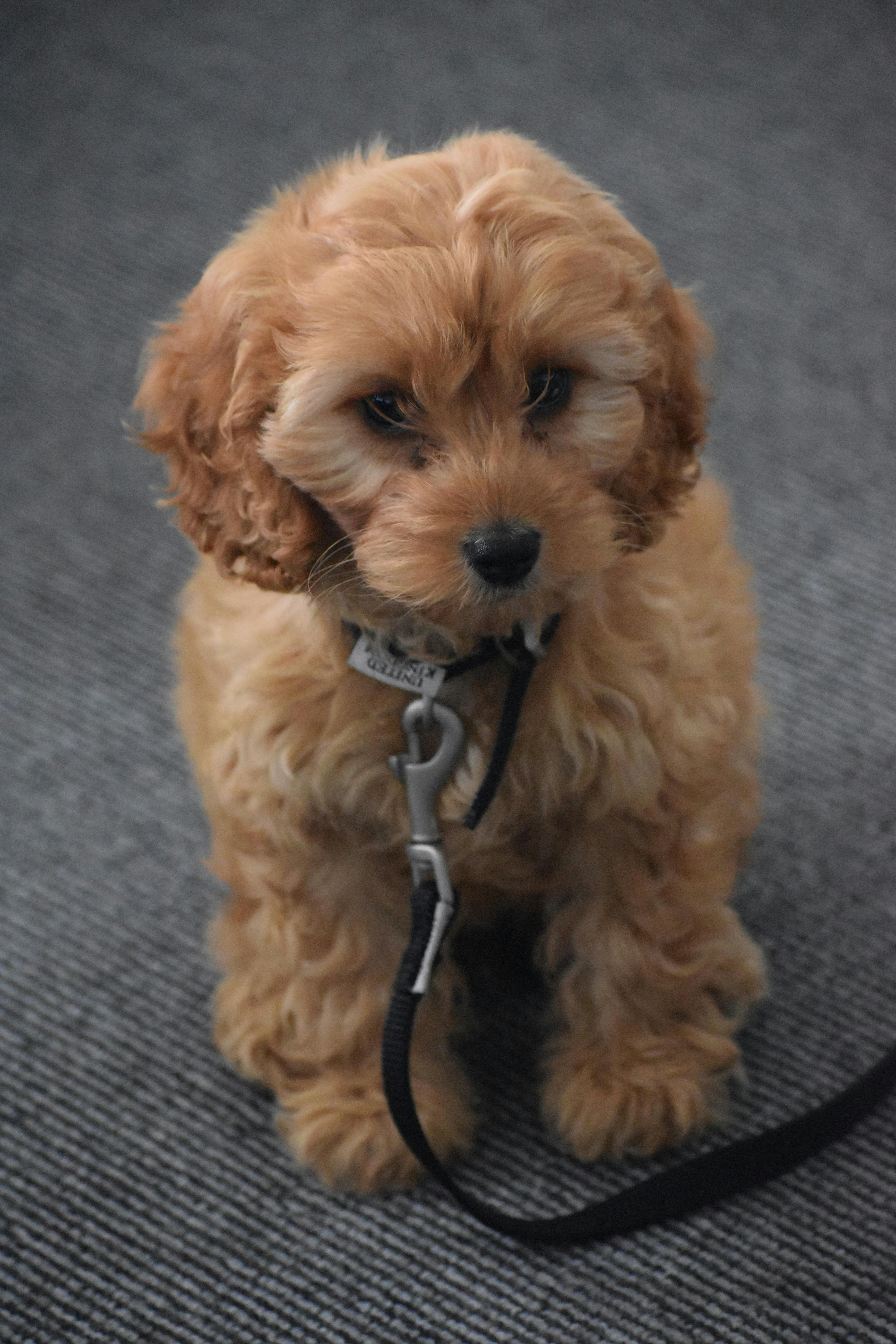
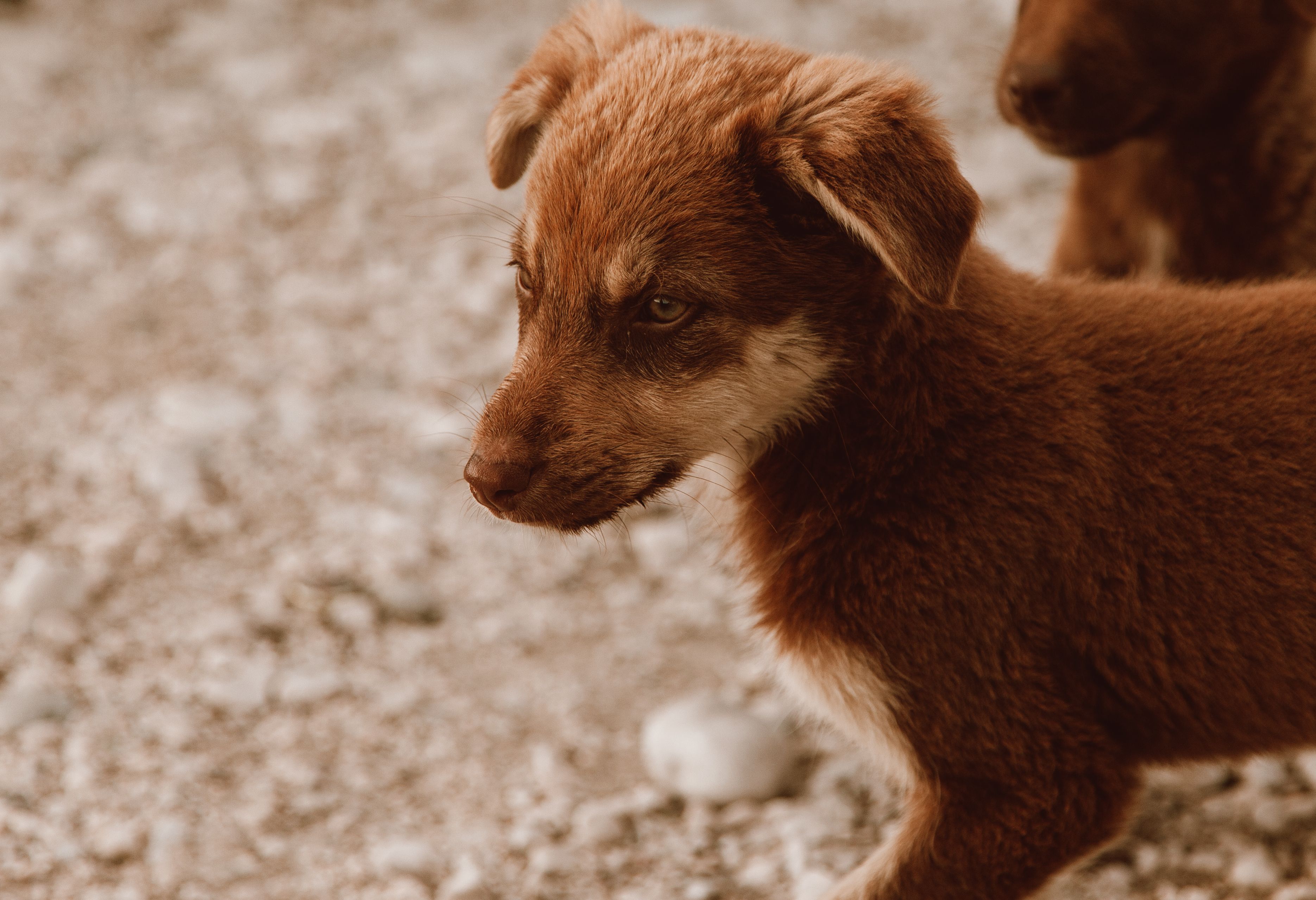
Out popped a small puppy. His fur was fluffy, one ear stood straight up, and the other drooped like a floppy umbrella. He looked at you with wide, hopeful eyes.
“Hello there,” you whispered. “Are you lost?”
The puppy sniffed your hand. His collar had no name tag, and he seemed unsure where to go. You decided to help him find his way home.
What would you do if a tiny, muddy nose pressed against your hand in the middle of a moonlit backyard? Meet Pippin, a curious puppy with ears like abandoned mittens and a talent for turning an ordinary evening into a small adventure. In this gentle bedtime story, Pippin gets separated from home, meets helpful neighbors, and discovers that kindness, honesty, and asking for help can make a difference.
Read slowly, enjoy the playful animal voices, and pause whenever your child wants to guess what might happen next.
Chapter 1: The Moon, the Muffin, and the Mysterious Sniff
You crouched down so the puppy wouldn’t feel crowded. He sniffed your fingers as carefully as a detective searching for clues. Then his nose twitched toward the little muffin you had brought outside.
“I see you’re interested in snacks,” you said with a smile.
You didn’t know where the puppy lived, so you looked around for an adult who could help. Together, you would try to find his family and make sure he was safe.
Chapter 2: The Neighborhood Meeting
As you and the grown-up looked around the neighborhood, you met Mrs. Hoots, an owl who watched over the quiet street from a tree. She gave a thoughtful hoot and pointed toward a trail of tiny pawprints.
Next, Mr. Badger came out to help. He knew the neighborhood well and suggested checking with the nearby homes. A squirrel, a patient turtle, and even a raccoon joined the search.
Everyone had a different idea, but they all wanted to help the little puppy get home. Soon, the neighbors were working together, following clues and asking if anyone recognized him.
“Pip-pip-hooray!” the squirrel cheered, though nobody was quite sure whether it was a search-party chant or just a very enthusiastic greeting.
Chapter 3: The Map, the Mud, and an Honest Answer
Near a patch of soft mud, you spotted pawprints that looked just like Pippin’s. Beside them were a few crayon marks on a piece of paper. One of the marks looked like the letters “PIP.”
Pippin sniffed the ground and wagged his tail. He seemed to remember something. After a little more searching and a few gentle questions, the neighbors learned that he had wandered away while following an interesting smell. He had become turned around and didn’t know how to get back.
“It’s okay to tell the truth when you need help,” you said kindly. “That helps people know what to do.”
Pippin’s ears perked up. The group had a new clue: he might live near the blue house with the wobbly mailbox that looked a little like a sleepy penguin.
Chapter 4: The Brave Little Pause
On the way to the blue house, Pippin stopped beside a small bridge over a whispering creek. The bridge creaked softly, and the puppy froze.
You gave him time to look and listen. “We can pause,” you said. “We don’t have to hurry.”
With a trusted grown-up nearby, Pippin took a few careful steps. You sang a silly bravery song, with a little “do-re-mi” and one surprising quack from a duck watching the creek.
Step by step, Pippin crossed the bridge. His tail began to wag again. Everyone celebrated his small, brave effort.

Chapter 5: Home, Honestly, and a Very Thankful Tail
At last, the group reached the blue house. A child named Mia was waiting on the porch with her family. When she saw Pippin, her face brightened.
“Pippin! You’re home!” she cried.
Pippin bounced toward her, wagging his tail so hard that his whole body seemed to wiggle. Mia hugged him gently, and her family thanked everyone who had helped.
You felt warm inside. It had taken patience, teamwork, and kindness to solve the little mystery. Pippin was safe at home, and the neighborhood had gained a story to remember.
As you headed back beneath the moon, you thought about how even small acts of help can make a big difference.
What Children Can Learn from Pippin’s Adventure
Pippin’s adventure gently introduces a few meaningful ideas. You can talk about them after the story, or simply let them settle in as your child gets ready for sleep.
- Kindness: Helping someone who needs support is a caring thing to do.
- Asking for help: Children can turn to a trusted grown-up when they are unsure what to do.
- Honesty: Telling the truth helps others understand a situation and offer the right help.
- Bravery: Sometimes courage means pausing, getting support, and taking one small step at a time.
- Teamwork: People can solve problems by listening, sharing ideas, and working together.
- Patience: Taking time to notice clues and listen can help everyone make thoughtful choices.
Gentle Questions to Ask After Reading
Keep the conversation light and follow your child’s lead. You might ask:
- What do you think Pippin was feeling when he couldn’t find his home?
- Who helped Pippin during his adventure?
- What did Pippin do when he felt unsure about crossing the bridge?
- What could you do if you ever needed help with a problem?
Reading Tips for Different Ages
You can adapt the story to your child’s age, attention span, and bedtime mood. There’s no need to read every extra activity or question in one sitting.
- For toddlers (ages 2–4): Read a little at a time, repeat Pippin’s name, and add gentle animal sounds. Keep the focus on the puppy finding a safe way home.
- For preschoolers (ages 3–5): Use different voices for the neighbors and pause to let your child guess what the group might try next.
- For early readers (ages 5–7): Invite your child to notice the clues, retell the main events, or explain how the characters helped one another.
Simple Storytelling Ideas
Whisper when Pippin first appears, give the squirrel an excited voice, and make the duck’s quack short and silly. You can also use a stuffed puppy as a story companion. If your child is getting sleepy, skip the extra voices and read in a calm, steady tone.
Easy Activities Inspired by the Story
If your child wants to keep playing after the story, try one small activity. For bedtime, choose a quiet option and save energetic pretend play for earlier in the evening.
- Draw a “Pippin is Home” picture: Draw Pippin with Mia at the blue house. Your child can add the neighbors who helped.
- Make a pretend name tag: Cut a tag from paper or cardboard and decorate it for a stuffed animal. An adult should handle any sharp tools or small craft pieces.
- Sing a tiny bravery song: Make up a short, gentle tune about taking one small step at a time.
- Retell the search: Use a toy puppy and a few household objects to represent the bridge, the blue house, and the neighbors.
A Note for Parents: What to Do if a Child Finds a Real Lost Puppy
Pippin’s story is make-believe, but it can lead to a useful safety conversation. If your child sees a real animal that appears lost, teach them to stay calm, keep a safe distance, and tell a trusted adult. Children should not chase, corner, or try to pick up an unfamiliar animal. An adult can decide how to contact the owner or local animal services safely.
Frequently Asked Questions
Is this lost puppy bedtime story suitable for young children?
The story is written with a gentle, reassuring tone and focuses on helping Pippin find his way home. You can shorten it or pause to reassure your child if the idea of a lost puppy feels upsetting.
How long does the story take to read?
Reading time depends on your pace and how often you pause for questions or character voices. You can read the story straight through or split it into shorter parts.
What is the main lesson of the story?
The story highlights kindness, honesty, patience, and teamwork. It also shows that asking a trusted grown-up for help is a sensible thing to do when a situation feels uncertain.
Can I use this story for a bedtime routine?
Yes. You can make it part of a simple, repeatable wind-down: settle in, read together, ask one gentle question if your child is interested, then move toward your usual goodnight routine. For more ideas, see our bedtime routine guide.
What should children do if they see a real lost puppy?
They should stay at a safe distance and tell a trusted adult. An adult can assess the situation and contact the owner or local animal services if needed. Children should not approach or handle an unfamiliar animal on their own.
Key Takeaways
- Pippin’s adventure is a gentle story about finding help and getting home safely.
- Kindness, honesty, patience, and teamwork help the characters solve the mystery.
- Small moments of bravery can include pausing, asking for support, and trying one step at a time.
- Use a question, a drawing, or a quiet retelling to extend the story if your child wants to.
Related Resources
- Non-scary bedtime stories for kids — gentle story ideas for a calm read-aloud.
- Micro bedtime stories — short reads for evenings when you want a simpler storytime.
- Bedtime stories for tired toddlers — story options for little ones with limited energy for a long read.
- How to make evenings calmer before bed — practical ideas for a gentler transition into bedtime.
Need a Ready-to-Read Story for Tonight?
Download our free calming 5-minute bedtime stories for simple, gentle stories you can use when you want bedtime to feel easier and more predictable.
Want More Cozy Stories Ready for Bedtime?
Explore The Cozy Bedtime Stories Collection for a larger library of gentle stories designed to make calm storytime easier to repeat night after night.