


Bedtime Stories for 5 Year Olds – Sweet Night Stories for Kids
Do you ever find yourself negotiating with a tiny human who insists that “one more story” is a legally binding bedtime ritual that should never, ever end? If so, welcome to the club. Bedtime stories for 5 year olds can feel like both a challenge and a secret parenting superpower. At five, children want laughter, rhythm, imagination, and comfort all at once. They are old enough to follow a real story, but still young enough to melt happily into repetition, soft voices, and cozy endings.
That is exactly why bedtime reading matters so much at this age. A good story can help a child move from playtime excitement into sleep mode without making bedtime feel abrupt or stressful. In this guide, I’ll share what makes a story work for a five-year-old, how to read it in a calming way, how to handle the famous “one more story” routine, and a set of sweet bedtime tales you can use tonight.
If you want broader age-based story collections, you can also explore sleep stories for 5 year olds and neighboring age groups to build a full bedtime library.
Why Bedtime Stories Matter for Five-Year-Olds
Five-year-olds live in a wonderful stage of development. Their imaginations are enormous, their emotions are vivid, and their curiosity is constant. They are beginning to understand more complex ideas than toddlers, but they still need plenty of reassurance, routine, and predictable comfort. Bedtime stories meet all of those needs beautifully when chosen with care.
A bedtime story is not just a way to fill ten minutes before lights out. It is a transition tool. It gives the body a chance to slow down, gives the mind a safe place to land, and gives the child one final connection point with a parent or caregiver before sleep. That emotional bridge can be surprisingly powerful.
Language and Brain Development
Children at this age absorb vocabulary quickly, especially when words appear in funny, memorable, low-pressure situations. A story about a moon wearing a hat or a lamp afraid of the dark may sound whimsical, but it also introduces sentence patterns, descriptive language, and new ideas in a way that feels natural. Repeated phrases help reinforce memory, while small new words stretch comprehension without overwhelming the child.
Emotional Regulation and Nighttime Routine
Stories are especially useful because they create a predictable emotional pattern. There is a beginning, a little problem, a reassuring solution, and a gentle end. That structure mirrors what bedtime itself should feel like. Instead of dropping straight from excitement into darkness, the child gets to move through a softer, safer emotional arc.
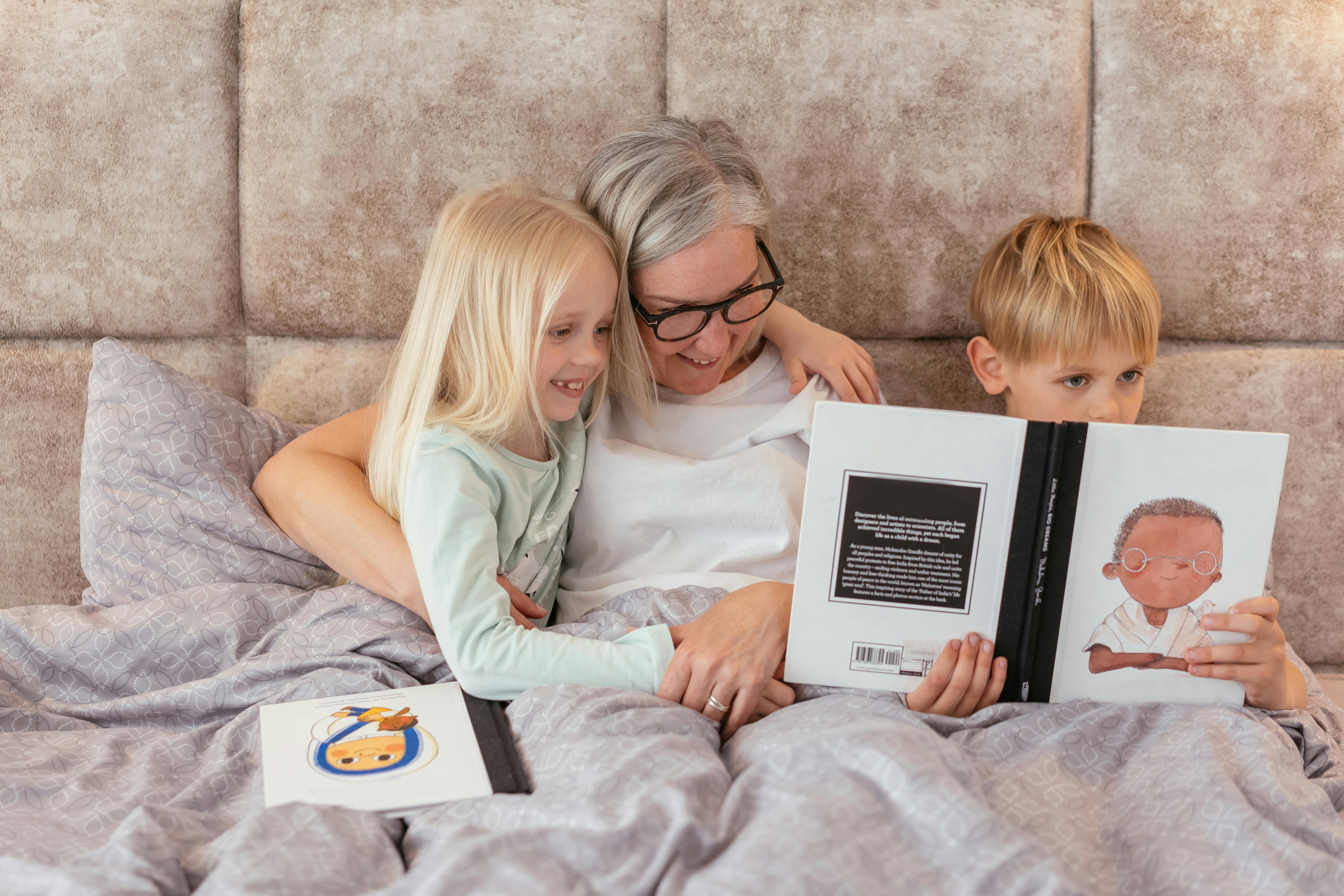
Many children who struggle with bedtime do better when stories become part of a consistent routine. The brain learns to associate a soft voice, dim light, and familiar storytelling rhythm with sleep. Over time, the story itself becomes a cue that rest is near.
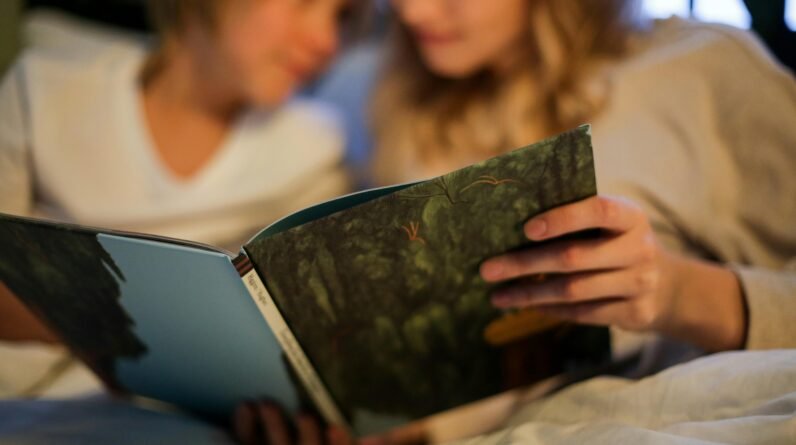
This image is property of images.pexels.com.
What Makes a Great Story for a 5-Year-Old
The best bedtime stories for this age are simple, soothing, and slightly silly. They should have enough movement to hold attention, but not so much stimulation that the child feels more awake by the end. I usually look for a few reliable ingredients: one gentle problem, one or two lovable characters, a clear emotional tone, and a calm ending that feels safe.
Length and Pacing
Most five-year-olds do best with stories between about 300 and 700 words for a single tale, or 5 to 10 minutes of read-aloud time. Longer stories can work if they are broken into very short sections or chapters, but bedtime is rarely the best moment for a marathon plot. A story should feel complete without dragging.
Pacing matters just as much as length. Even a short story can feel too busy if every paragraph adds a new surprise. The best bedtime pacing gives children a chance to settle in. It moves forward, but softly.
Vocabulary and Sentence Structure
Stories at this age work best when they combine familiar words with a few playful or expressive new ones. Children like hearing language that sounds fun in the mouth. Repetition also matters. Repeated lines, refrains, or patterns help kids predict what comes next, which supports both comprehension and calm.
Themes That Work Best
Reassuring themes tend to work beautifully at bedtime: friendship, kindness, curiosity, tiny acts of bravery, cozy magic, bedtime routines, and gentle humor. The emotional stakes should stay manageable. A lost hat, a shy star, or a noisy bear is perfect. A frightening villain or intense chase scene is usually better saved for another time of day.
Gentle Endings and Safe Imagery
The last image in a bedtime story matters. I prefer endings with blankets, moonlight, sleepy animals, humming clouds, or soft goodnight rituals. Those final images linger in the imagination and often shape the emotional tone that carries into sleep.
Story Formats I Use Most Often
Five-year-olds often enjoy variety, but they also love familiarity. That means the format can change a little from night to night while still keeping the mood predictable.
Rhyming Stories
Rhythm is naturally soothing. Rhyming bedtime stories can feel almost musical when read aloud gently. They are especially good on nights when a child is tired but restless, because the repetition helps the mind settle.
Short Chapter Stories
If a child loves the same characters again and again, short chapter stories work well. The world feels bigger, but each night still ends at a calm stopping point. I avoid harsh cliffhangers at bedtime and prefer endings that promise tomorrow without demanding it.
Interactive Stories
Simple choices can be wonderful for five-year-olds. A story might ask, “Should the frog wear the hat or the boots?” or “Will the cloud hum or whisper?” That small moment of participation helps the child feel involved without turning bedtime into a debate club.
Funny and Silly Stories
Silly stories can be excellent when used carefully. Laughter helps release leftover energy, but the ending still needs to come down gently. A grumpy moon, a raccoon who thinks it is a cat, or a very dramatic caterpillar can all work beautifully if the story closes in a calm, cozy way.

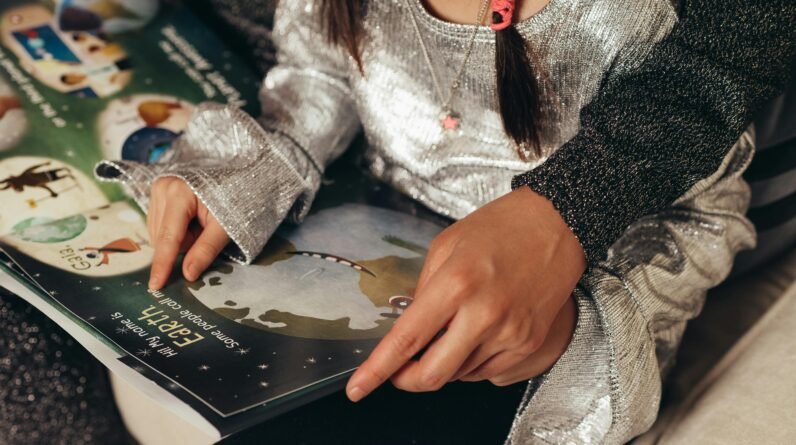
This image is property of images.pexels.com.
Recommended Lengths, Themes, and Formats at a Glance
| Story Type | Approx. Words | Read-Aloud Time | Good For Ages | Typical Themes |
|---|---|---|---|---|
| Lullaby Rhymes | 150–350 | 3–6 minutes | 3–6 | Sleep, soothing repetition, comfort |
| Short Tale | 300–700 | 5–10 minutes | 4–7 | Friendship, curiosity, gentle bravery |
| Picture Story | 200–400 | 3–7 minutes | 3–5 | Animals, routines, bedtime rituals |
| Short Chapter | 700–1,500 | 8–20 minutes | 5–8 | Ongoing adventure, recurring characters |
| Interactive Story | 250–600 | 4–10 minutes | 3–6 | Simple choices, humor, participation |
| Educational/Moral | 300–600 | 5–10 minutes | 4–7 | Sharing, patience, kindness |
Tips for Reading Aloud Without Waking Everyone Back Up
Reading style matters almost as much as story choice. A great bedtime story can still feel too stimulating if it is read like a comedy performance at a school assembly. My own approach is expressive, but soft. I let the first half of the story carry a little brightness, then gradually slow and soften everything as it moves toward the end.
Use Character Voices Gently
Distinct voices help children follow who is speaking, but bedtime voices do not need to be loud. A suspicious fox can sound sly without sounding sharp. A frog can whisper dramatically without sounding chaotic. The goal is delight, not volume.
Pacing, Pauses, and Breathing
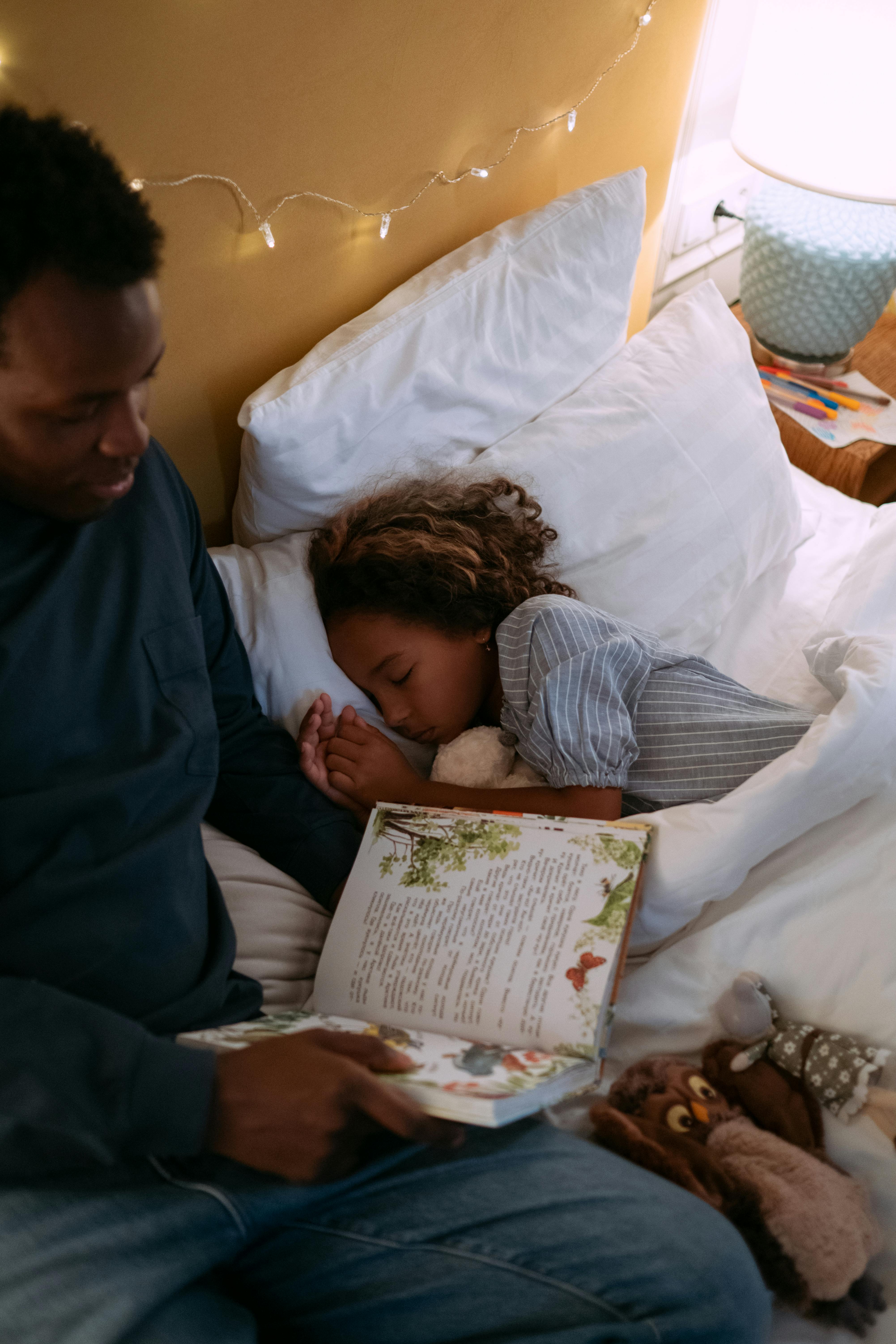
Pauses help children picture the scene and settle into the rhythm. I often pause after a repeated line or calming image. If the hero yawns, I slow down. If the moon hums, I lower my voice. Calm breathing from the adult often becomes calm breathing from the child.
Props and Visual Cues
A stuffed animal, flashlight, or special blanket can add comfort without becoming distracting. I use props sparingly. Bedtime should feel like a gentle ritual, not a full theater production with costume changes.
Handling Questions Without Losing the Mood
Five-year-olds interrupt because they are engaged. A brief answer is usually enough. If the child wants a long side conversation, I often say, “That’s a good thought—let’s save it for after this part,” and then return to the story. That keeps bedtime from becoming a forty-minute committee meeting.
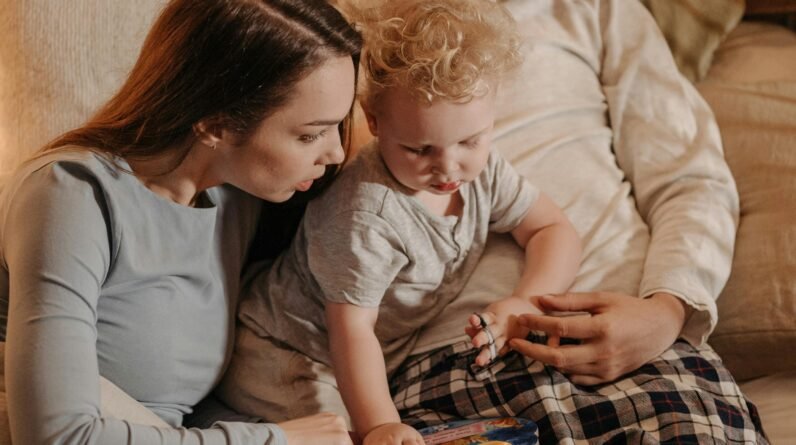
This image is property of images.pexels.com.
How I Build Bedtime Stories Into a Routine
A story works best when it is part of a familiar sequence. A child who knows the pattern of bedtime usually resists less than a child who feels every night is a new negotiation. I like a routine that moves from active to quiet in clear steps.
Timing and Consistency
Reading at roughly the same time each evening helps the body learn what to expect. The routine itself becomes part of the calming effect. Predictability lowers anxiety and makes it easier for children to cooperate.
Lighting and Reading Space
Dim lighting helps immediately. A small lamp or nightlight is usually enough. Bright overhead lighting sends the wrong signal to the brain and can make the room feel more like playtime than bedtime.
Screens and Story Choices
I avoid screens during bedtime reading whenever possible. If an e-book or audiobook is used, I keep it simple, quiet, and time-limited. I also like offering two story choices, because limited choice gives a child some control without opening the door to endless negotiation.
My Checklist for Choosing or Writing a Good Bedtime Story
- One clear problem and one clear resolution
- Gentle conflict rather than intense conflict
- A familiar or rhythmic structure
- A soft, reassuring ending
- Language that allows expression and participation
- At least one warm or silly moment before the story settles down
For more stories tailored specifically to this age, you can browse bedtime stories for 5 year olds for more themed collections and sweet night tales.
Sweet Night Stories I Tell Most Often
These are the kinds of bedtime stories that work especially well for five-year-olds because they are imaginative, funny, and gentle. Each one ends in a way that invites the child toward rest rather than away from it.
1) The Moon That Lost Its Hat
I went outside one soft night and found the moon standing on a hill, blowing on its hands like someone who had misplaced their mittens. “Do you think my hat makes me look too round?” it asked, which was not the sort of question I usually expected from the sky.
The moon explained that the wind had stolen its hat and blown it to the lake, where it floated like a tiny island. A frog wearing a pirate hat happened by, offered help, and used a leaf as a paddle to guide the hat back to shore.
The moon pulled the hat on, laughed softly, and winked so brightly that the lake looked like it was full of little silver coins. We walked home under a sky that seemed pleased with itself. That night, the moon kept its hat, the frog kept its pirate hat, and I learned never to underestimate aquatic fashion rescue operations.
2) My Neighbor’s Very Noisy Sleepy Bear
I live next to a bear who snores so loudly I can hear it through my socks. Usually the snoring comes in rhythms, like a parade no one organized properly. One evening, the bear knocked on my door and whispered, “My snoring has lost its music.”
So we went outside and listened. The crickets were tuning up, the breeze was practicing its whoosh, but the bear’s snores had no rhythm at all. I found a wooden spoon, which is a useful instrument in both kitchens and emergencies, and tapped a little beat. The bear answered with a perfect sleepy boom.
Before long, the whole neighborhood had joined in. The frogs hummed, the moon clapped, and a passing cloud made a sound like a kettle thinking about tea. The bear drifted off mid-performance, snoring a soft steady tune. After that, bedtime in the neighborhood always sounded a little more musical.
3) The Little Star Who Couldn’t Twinkle
One night I noticed a star close to the roofline blinking politely but not quite sparkling. I climbed up to say hello, because when a star looks worried, it seems rude not to ask.
“I can’t twinkle,” the star admitted. “I’ve tried blinking, winking, and trying very hard, but none of it works.”
We tried everything. We made serious faces. We whispered the alphabet backwards. We even tried sticking a leaf behind its glow, which was creative but not effective. Finally, I told the star the silliest joke I knew about a comet wearing socks.
The star laughed so much its whole light shimmered like spilled jam. That was the moment it twinkled for the first time. It turned out that the star’s special twinkle came with a laugh inside it. I climbed back down from the roof with my hair full of starlight and a new respect for cosmic sock humor.
4) The Very Serious Caterpillar Who Wanted to Be a Comedian
I once met a caterpillar who took life extremely seriously. It carried a tiny notebook, frowned at crooked leaves, and practiced crawling with excellent posture. “One day,” it said, “I will become a butterfly and deliver my butterfly speech with dignity.”
I suggested it include one joke, because dignity and humor can coexist when handled responsibly. The caterpillar studied joke-writing very carefully and hosted an open-mic night on a leaf. The audience included a snail, a beetle, and a grasshopper who laughed before punchlines out of sheer enthusiasm.
The first jokes were terrible. The second was only confusing. But by the time the caterpillar became a butterfly, it had learned exactly how to tell a joke with perfect seriousness. The butterfly’s wings shook with laughter as it told one final line about hats blowing off in the wind. I learned that even the most serious creatures need a little silliness to fly properly.
5) The Quiet Cloud That Loved to Hum
One afternoon a cloud drifted low and hummed a tune that sounded like a spoon stirring honey. I sat beside it on a fence, because the cloud seemed like good company, and asked whether clouds had names.
“I call myself Hush,” it said, “because I like quiet knitting.” It was indeed knitting raindrops into tiny soft socks. I suggested that Hush try humming for the whole world at bedtime, just softly enough that no one would wake all the way up.
So we practiced together: hum, hum, and then a little hush like a page turning. The flowers leaned in. The moon put on a tiny nightcap. The whole evening felt as though it had been tucked under a very polite blanket of air. That night, Hush hummed for everyone below, and I think the world slept a little more softly because of it.
6) The Little Lamp That Was Afraid of the Dark
I owned a little lamp that worried constantly about what would happen if the lights ever went out. It practiced bravery by flicking itself on and off and reciting daring poems about cups of tea.
One evening the power went out, and the lamp looked deeply alarmed. I told it, “Sometimes dark is just quiet in pajamas.” The lamp thought that over and brightened a little.
We imagined all the useful things it could still be in the dark: a lighthouse for lost socks, a campfire for worried buttons, a guide for brave toy animals. By the time the lights came back, the lamp had stopped trembling. It had discovered something important: being brave did not mean never being afraid. It meant finding a small useful glow inside the dark anyway.
How I Adapt Stories for Different Ages and Reading Levels
One of the easiest ways to reuse a bedtime story is to adjust the language. The same plot can be simpler for a younger child or richer for an older one.
For Ages 3 to 4
I shorten the story, increase repetition, and make the rhythm more obvious. Fewer details, more pattern, more pictures if possible.
For Beginning Readers Ages 5 to 7
I keep the main structure but add slightly longer sentences and familiar repeated lines. This lets the child anticipate and sometimes join in.
For Ages 8 and Up
I add subplots, context clues, and a little more vocabulary. The bedtime mood stays, but the world grows larger and the story can stretch across multiple nights.
Troubleshooting Common Bedtime Story Problems
When They Keep Demanding More Stories
I recommend a clear limit and a calm signal phrase. A two-story rule or “one book and one tiny story” rule often works better than negotiating in the moment. Consistency matters more than cleverness here.
When the Child Asks Scary Questions
I answer simply, reassure quickly, and redirect back to safety. If needed, I add a calming ritual such as counting soft things, turning on a nightlight, or imagining a silly ending that replaces the scary image.
When They Fall Asleep Mid-Story
Excellent. That means the story did its job. I stop, remember the page, and count the whole experience as a win.
Final Thoughts and My Bedtime Promise
Bedtime stories are not just about getting a child to sleep. They are about helping a child feel safe, connected, and gently guided from one part of the day into the next. For five-year-olds especially, that process matters. They want wonder, but they also want reassurance. They want humor, but they also want softness. A good bedtime story can give them all of that at once.
If you keep the stories simple, the voice warm, and the ending calm, bedtime reading becomes less of a negotiation and more of a ritual. And if one of these stories becomes a favorite in your house, I will happily accept sleepy giggles, quiet applause, and the occasional imaginary cookie as payment.
For printable backups on those nights when you need something quick and ready, keep the short bedtime stories for kids library saved for easy access.
Frequently Asked Questions
1. What are the best bedtime stories for 5 year olds?
The best bedtime stories for 5 year olds usually have a simple plot, a gentle problem, familiar emotional themes, and a calm ending. Stories with friendly animals, moon-and-stars imagery, light humor, and repetition tend to work very well. They hold a child’s attention while still helping the body and mind slow down for sleep.
2. How long should a bedtime story be for a five-year-old?
For most five-year-olds, a bedtime story between 300 and 700 words works well, which often means around 5 to 10 minutes of reading aloud. On especially tired nights, shorter stories may work better. The goal is to end while the child still feels content and calm, not overstimulated or restless.
3. Can funny stories still be calming at bedtime?
Yes, funny stories can be very calming when the humor is light and the ending softens naturally. A little laughter helps release leftover energy and can make bedtime feel positive instead of tense. The key is making sure the story moves gently toward coziness and reassurance in the final few minutes.
4. What if my child wants the same story every night?
That is completely normal and often comforting for children this age. Repetition helps them feel secure and lets them anticipate what comes next, which is soothing before sleep. You can alternate the favorite with a new story every other night or keep a simple rotation if you want variety without disrupting the comfort of familiarity.
5. How can I make bedtime stories more effective?
Use a consistent routine, dim the lights, read in a calm voice, and gradually slow your pace as the story progresses. Choose stories with gentle endings and avoid intense plot twists near the end. Repeated phrases, soft imagery, and one reliable bedtime catchphrase can also make storytelling feel like a powerful sleep cue over time.
6. Should I let my 5-year-old participate during the story?
Yes, but only in a simple and bedtime-friendly way. Short choices, repeated phrases, or one small prediction question can help the child feel engaged. Too much interaction can wake them back up, so it helps to keep participation light, warm, and easy to close once the story reaches its sleepy conclusion.