

Bedtime Stories for Girls
Bedtime Stories for Girls are something I write from the heart—with one goal: helping girls feel safe, loved, and ready to rest. Below you’ll find practical tips, age guidance, soothing storytelling techniques, and several original bedtime tales that can become favorites in your nightly routine (without turning bedtime into a negotiation).
On this page:
Why bedtime stories matter for girls
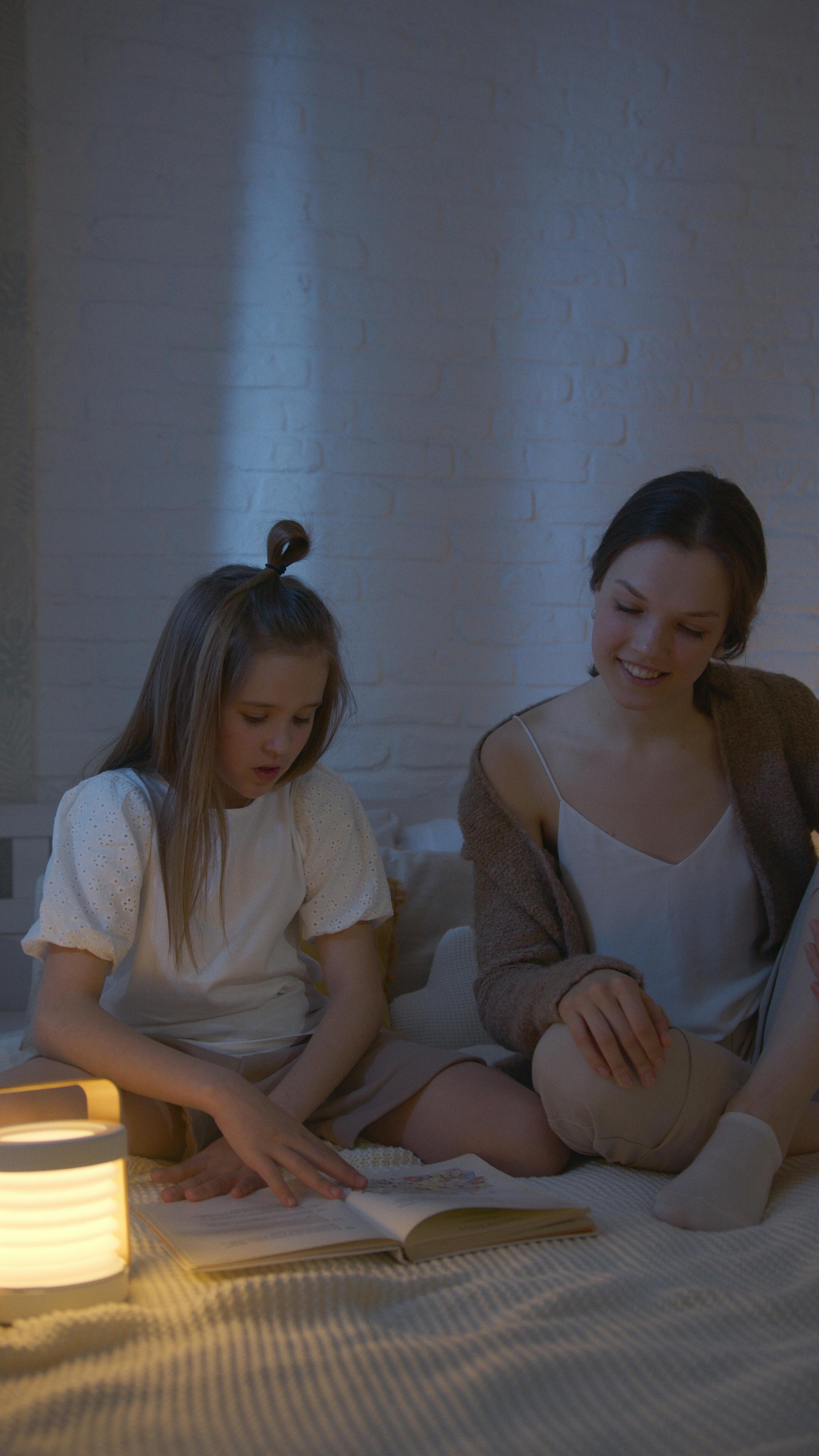
I believe bedtime stories do more than pass time before sleep; they create emotional bonding and help children process the day. I have seen stories soothe worries, strengthen language skills, and foster imagination in ways few other activities can match.
Benefits of bedtime stories for girls for sleep and development
I notice that a calm story routine signals to a child’s brain that the day is ending and rest is coming, and I use rhythm and gentle repetition to help with that transition. I also recognize that stories help growing minds practice empathy, memory, and problem-solving through characters and small challenges.
Bedtime stories for little girls: age guide and suggested themes
I always match story length, vocabulary, and themes to a child’s age and attention span, because what works for a toddler won’t necessarily work for a ten-year-old. A simple structure and gentle closure are universally important, while complexity increases with age.
Age guide and suggested themes
I like to keep an easy reference table for age-appropriate themes, pacing, and example story types so I can quickly choose the right story for the moment.
| Age range | Typical length | Themes that soothe | Example story idea |
|---|---|---|---|
| 0–2 years | 30–90 seconds | Familiar sights and sounds, rhythms, simple sensory imagery | A soft animal counting its friends |
| 3–5 years | 1–3 minutes | Magic with safe boundaries, cozy routines, predictable endings | A child finds a tiny lantern that glows with kindness |
| 6–8 years | 3–6 minutes | Gentle adventure, friendship, emotional learning | A girl and her cloud helper travel to a moon garden |
| 9–12 years | 6–10 minutes | Imaginative quests with introspection, layered symbolism | A quiet mystery that teaches courage and empathy |
Matching themes to personality
I pay attention to whether a child prefers calm, realistic stories or mild fantasy, and I adapt accordingly to their temperament. I always choose plots that resolve gently so that bedtime remains soothing rather than an adrenaline rush.
Storytelling techniques that soothe girls to sleep
Repetition, rhythm, and predictability
I rely on repetition, soft rhythm, sensory detail, and comforting resolution because these elements lull a listener toward sleep. Repeating phrases and predictable patterns create a safe, sing-song quality that feels reassuring, and repeating small actions helps a child anticipate and relax.
Pacing, length, and ritual
I keep the pace unhurried and allow pauses for breaths and soft comments. I also build a short ritual—lights dimmed, a favorite blanket held—so the whole process signals rest and safety. As the story nears its end, I lower my pitch and slow down so my voice becomes another cue for relaxation.
Would you like a collection of dreamy bedtime stories and tips that calm, comfort, and spark gentle imagination for the girls in your life?
One more relaxing bedtime story video
If your child likes listening before reading, this gentle bedtime story can work well as a wind-down companion.
Creating recurring characters and series
I have found that recurring characters encourage attachment and anticipation. I sometimes make tiny series where each night continues a warm thread. I’ll often end with a gentle open-ended thought that hints at the next small adventure without creating worry.
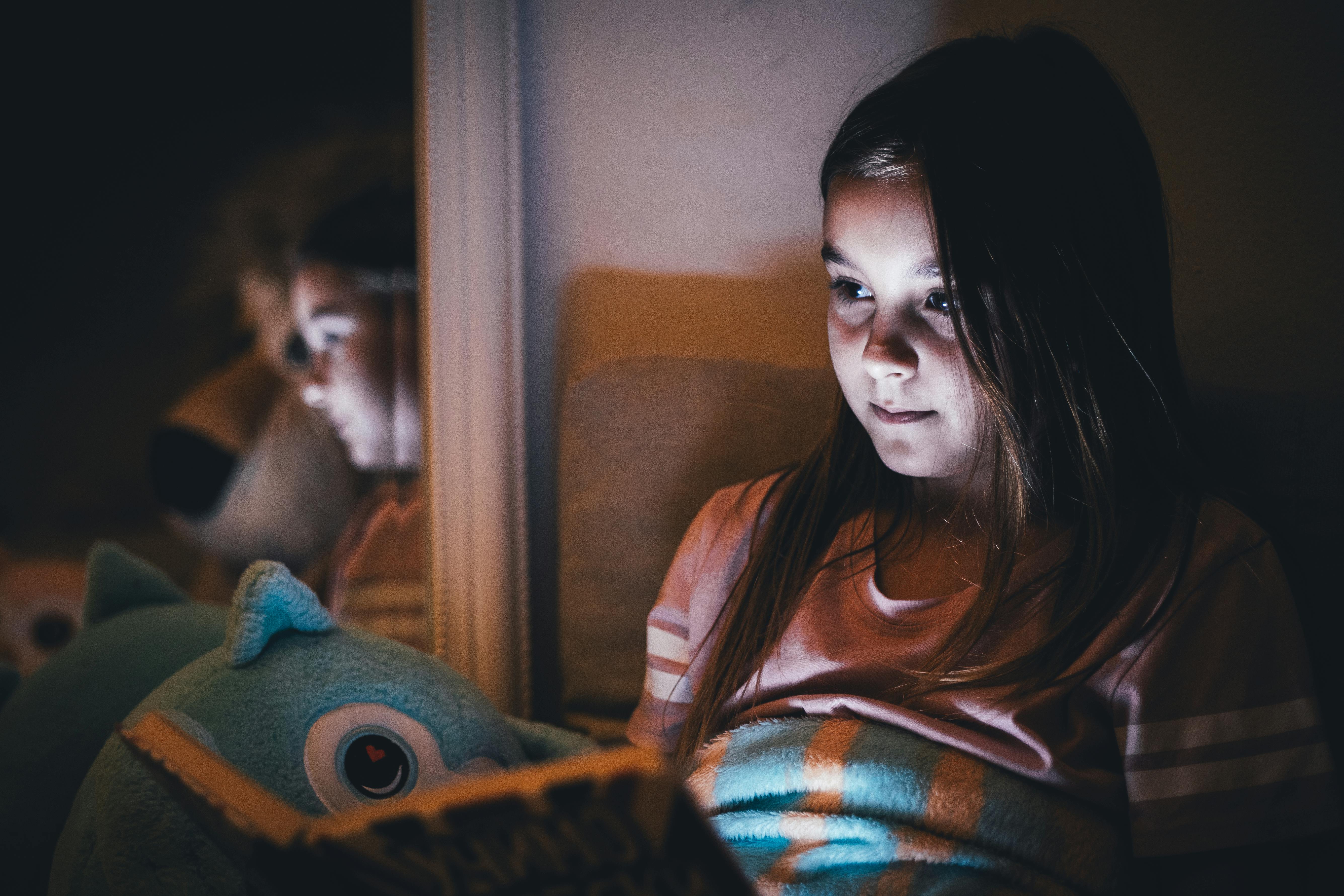 Photo source: Pexels
Gentle morals and emotional learning
I prefer to weave soft lessons about kindness, courage, and honesty without overt preaching. I let consequences be mild—just enough to teach rather than frighten—so the feeling comes first and the message follows naturally.
Language, sensory details, and imagery
I choose words that appeal to the senses—soft sounds, warm textures, calm weather—because sensory language makes scenes feel safe and tangible. I avoid jarring imagery and focus on glowing lights, quiet rooms, and steady, comforting routines.
Original bedtime stories for girls
I wrote these original stories with a variety of comforting themes to suit different moods and ages. I keep the stakes gentle and the endings calm, so bedtime stays soothing.
The Moon’s Secret Garden
I love telling this story when the night is quiet and the stars are bright, because it carries a tender sense of mystery and safety. I tell it slowly so listeners can imagine the gentle glow and the soft rustle of moon-leaves.
I once lived in a little house where the attic window looked straight at the moon. At first, the moon seemed far away—only a silvery face watching me sleep—but one evening it winked, and I noticed a tiny door of light open on its lower curve. Curious, I whispered, “Hello,” and the door answered with a soft bell sound that felt like a lullaby.
I climbed the creaky attic ladder, holding my stuffed rabbit against my chest, and the moon’s ladder descended, woven from thin beams of starlight. I stepped onto the ladder and felt warm night air wrap me like a shawl. Up and up I went, past sleeping clouds and slow flying owls, until the door of light closed softly behind me.
Inside, the moon’s garden smelled like honey and old books. There were glowing blossoms that hummed gentle songs and tiny ponds that reflected every quiet hope I had hidden under my pillow. A small gardener—no taller than my knee and wearing a cap made of dandelion fluff—tended each plant with a careful hand. “We grow dreams here,” the gardener said, and smiled in a way that made my heart feel lighter.
The gardener handed me a small seed that seemed to hold a flicker of laughter. “Plant it near the moonbeam and make a wish you will keep gently,” the gardener advised. I dug a tiny hole with my finger, planted the seed, and felt it tingle like a happy secret. The ground shimmered, and a soft vine curled up and formed a blanket of leaves with stars sewn into the edges.
I lay down on the moon-blanket and watched the gardener float through the air, humming. The moon leaned close and told me a story about a fox who learned to share his starlight. I listened until my eyelids grew heavy and the garden hummed with the same slow song as my heartbeat.
When I woke, I was back in my attic bed with the window open and the moon smiling in the sky as if it had not moved at all. Beside me lay a tiny silvery seed, still warm, and I kept it under my pillow for nights when I wanted a gentle dream. Each time I touched it, I remembered the gardener and the soft vine, and I found it easier to sleep knowing that the moon had a garden where good dreams grew.
The Girl Who Tamed the Wind
I share this story on nights when a child feels restless or full of big feelings, because the tale is about listening and learning to use energy kindly. I tell it with a steady, soothing cadence so the idea of taming a wild feeling feels calm rather than fierce.
I lived by the seaside where wind played like a mischievous friend and sometimes a loud visitor. One evening, when the wind turned impatient and tossed my laundry into a sky dance, I decided I would meet it properly. I borrowed my grandmother’s knitted scarf and stepped out with small, steady steps.
The wind arrived like a laughing chorus, rushing my hair and making the grasses bow as if in applause. Instead of shouting or running, I sat down on the warm sand and watched the wind’s fingers trace patterns across the water. The wind loved attention, and it came closer, pleased to be noticed.

“Why do you rush so?” I asked, and the question floated like a pebble in a pond. The wind rattled and whispered, telling me of mountains it had left, of birds it had carried, of a thousand places it wanted to see. It was tired from all the wanting.
I offered the wind my scarf, and the scarf wrapped its fingers slowly, like a promise. “Would you like to learn how to move gently?” I asked. The wind paused and then whistled in a softer tone I had never heard. I taught it how to brush the tops of flowers without knocking their heads, how to play hide-and-seek in window chimes without waking the whole town, and how to carry a seagull’s feather as if it were a secret.
The wind practiced with me each evening. It learned to ripple through wheat fields like a slow wave and to cradle small seeds so they traveled only to kind places. When it felt impatient, I had a quiet trick: I asked the wind to hum the same note as the sea. The regular hum soothed its hurry.
One night, the wind circled my home gently and tucked in every little thing it had once flung about. I felt proud and peaceful, and the world felt softer. The wind had not stopped wanting to go places, but it moved with a new care. Whenever I feel restless now, I close my eyes and remember that steady, patient wind, and I breathe slowly until my own breath learns to be gentle.
The Littlest Lighthouse Keeper
I tell this story when a child needs courage to face a small fear, because the tale is about responsibility, creativity, and the comfort of light. I speak calmly and imagine the glow of the lantern so the listener can see warmth instead of worry.
I was the littlest lighthouse keeper on a rocky coast, and sometimes the waves made the whole world rumble like a sleepy giant. My lighthouse was painted the color of warm cream and had a brass ladder that shone when the sun smiled. Even though I was small, I had a big key that turned the lantern each night, and I took that job very seriously.
One evening, a fog rolled in as soft as cotton and hid the shapes of the sea boats. The radio crackled with static, and the sailors’ names sounded like distant birds. I climbed the brass ladder with my satchel of fresh tea and my warm mittens, and I looked out through the glass. I could not see the horizon at all, only the fog pressing like a pale curtain.
My hands trembled a little as I wound the lantern’s crank. I remembered my father’s voice telling me to steady my breath like the steady tick of an old clock. So I breathed in slow counts, and I hummed the lighthouse’s tune until my fear grew small as a pebble. The lantern answered with a glow that felt like a blanket being tucked around the sea.
I noticed that the fog liked a certain kind of sound, so I whispered the names of the boats into the radio like a list of friends calling each other home. I lit a little extra wick and polished the glass until the light moved like a proud slow boat across the mist. A horn answered, and a small shout said, “Thank you, little keeper.”
When the fog thinned, I saw a single fishing boat bobbing safe and steady. The captain waved and the light blinked back like a shy star. I climbed down the ladder and tied a ribbon around the brass key to remember this night. Being the littlest keeper did not mean I was small inside; I had a light that reached further than I had expected, and that thought helped me sleep that night with a brave little smile.
More bedtime stories
Want more options beyond bedtime stories for girls? Start with our main collection of best bedtime stories and explore different story types.
Pillar linked once only (per your internal linking rules for this sub-hub page).
The Paper Kite That Learned to Hum
I use this story for children who need help calming an overactive mind, since the kite’s journey mirrors learning to carry thoughts gently. I use a slow, musical rhythm and hum softly where the story asks for it, so the listener feels the hush.
I folded a paper kite from the back page of a notebook where I had doodled tiny moons and smiling suns. I tied a thread that felt like a promise and took the kite to our neighborhood hill where the grass bowed to the breeze. The kite trembled with excitement and whispered questions I could not quite hear.
The wind greeted the kite with playful fingers and lifted it up and up until the string hummed like a tiny guitar. The kite wobbled, and I steadied my hands with my own breath. The kite asked for music, and I began to hum the tune my grandmother hummed when she stirred jam. The sound seeped into the paper and settled like a small, warm stone.
At first, the kite’s hum was shaky, matching my quick thoughts and the bright sparks in my mind. I kept humming, and gradually the kite learned to hold a steady note. It breathed in swirls and exhaled long, mellow chords that cooled the summer air. The hum quieted the grass, and even the trees leaned closer to listen.
A little boy from down the hill ran up and asked to hold the string, and I passed it with a smile. He hummed differently, and the kite learned new harmonies without losing its steady core. We took turns holding the thread, and each time the kite sang, it felt fuller and kinder. By the end of the afternoon, the kite’s hum had taught us both that some tunes steady your heart when thoughts try to jump.
I brought the kite home, folded it gently, and kept it under my pillow for nights when my mind felt noisy. If a thought rose like a small firefly, I would hum and remember the kite learning to hum with me, and that remembered melody helped my own thoughts rest like moths at the edge of sleep.
Tips for making the stories your own
Using names and routines
I adapt each story to the child’s name, small personal details, or a favorite object, because personalization makes the tale feel like a warm, private gift. I suggest weaving in a child’s name a handful of times and referencing something familiar—like a special blanket or the cat’s meow—to ground the fantasy in comfort.
When to shorten or lengthen a story
I shorten a story when eyes get heavy and lengthen it when the child is wide and talkative. I also keep a few two-sentence micro-stories for nights when even three minutes feels too long—because consistency matters more than length.
Handling scary feelings or nightmares
I gently name the feeling, validate it, and offer a tiny, repeatable tool (a comfort stone, a glow patch, a “brave breath”) so the child can borrow the strategy. A small ritual after a nightmare—sip of water, one slow breath, one reassuring phrase—often restores calm faster than long explanations.
Encouraging participation
I invite a child to whisper a magic word, press a finger to a map, or hum a tune to help a character, because participation can be co-regulating. I also let them finish a sentence sometimes, which supports language and gives a sense of control.
Creating a nightly story habit
I make the habit by being consistent and gentle. I keep a small story notebook for favorite lines and repeat elements that work well. I treat bedtime as a shared ritual rather than a performance, because predictability is soothing and builds trust.
When to stop reading
I stop when breathing slows and the voice gets husky, because sleep is beginning and extra stimulation can disrupt rest. Ending with a short calming phrase—or one soft breath together—often helps the body fully settle.
Adapting to life changes
I update stories to reflect new experiences—like a move, a new sibling, or the first day of school—so bedtime remains emotionally supportive. When worries arise, I let stories carry the questions in tiny, manageable pieces.

FAQs
What are the best bedtime stories for girls?
The best bedtime stories for girls feel safe, warm, and emotionally true. Look for gentle stakes, kind humor, and endings that settle the nervous system rather than spike excitement. Stories with cozy routines, soft sensory details, and a reassuring adult or helpful friend character tend to become repeat favorites in nightly routines.
How long should a bedtime story be by age?
Match story length to attention span and bedtime energy. Toddlers often do best with 30–90 seconds, preschoolers with 1–3 minutes, early elementary with 3–6 minutes, and ages 9–12 with 6–10 minutes. If your child is very sleepy, shorten the ending and keep your voice slow and steady.
What themes help girls feel calm at bedtime?
Calming themes include safety, belonging, gentle bravery, friendship, and cozy places with predictable rhythms. Look for stories that solve problems softly, use comforting imagery (warm light, blankets, quiet weather), and end with closure. If a child is anxious, choose stories where the character is cared for and supported.
How can I personalize bedtime stories for my daughter?
Personalization works best in small, consistent details. Add your child’s name a few times, include a favorite object (blanket, stuffed animal, bracelet), and reference a familiar sound (cat’s purr, fan hum). Let her choose one element—like the lantern color or a character name—so she feels involved without getting overstimulated.
What if bedtime stories trigger scary feelings or nightmares?
Keep fear levels low and give the character a simple coping tool the child can copy, like a comfort stone, a breathing trick, or a “glow patch” on a jacket. If your child seems uneasy, switch to a calmer story and add a short closing ritual: one deep breath together, a reassuring phrase, and a predictable goodnight.
Should bedtime stories include morals or life lessons?
Yes, but keep them gentle and woven into the story. Tweens and older kids especially resist preaching. Instead, show small choices, kind consequences, and growth that feels earned. Aim for “feeling first, message second.” If you want a lesson to stick, keep the ending warm and let your child reflect without a long discussion.
Final thoughts
I view bedtime stories as gentle tools that create safety, imagination, and emotional learning—small nightly gifts that accumulate into confidence and calm. I hope these tips and tales inspire you to shape your own soothing routine, and I encourage you to listen closely to what each child needs and respond with warmth.
Quick reference summary
My checklist: match the theme to temperament, use sensory words, keep a slow rhythm, personalize small details, and close with a calm ritual. If you’d like, I can write additional stories tailored to a specific age, interest, or nightly challenge—and adapt any of the tales above to include your child’s name, favorite things, or a family tradition.
Get more creative knowledge build books and resources for happy minds at:
https://booksforminds.com/