


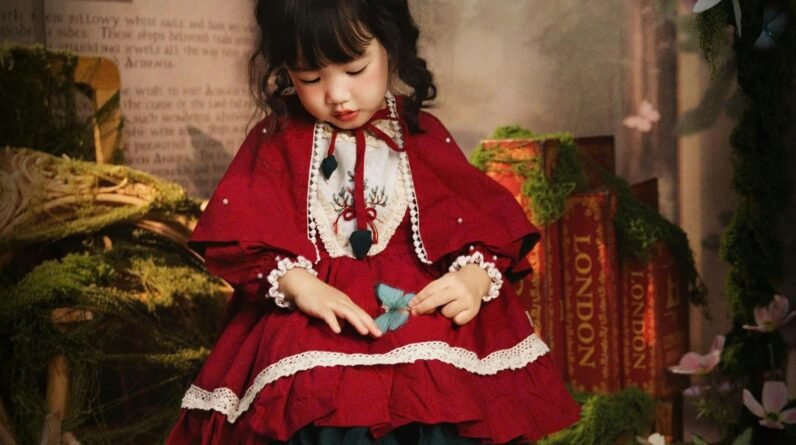
Magical Bedtime Stories for Little Kids
Magical bedtime stories for little kids can turn the last minutes of the day into a tiny, private festival—calm, cozy, and just silly enough to get a sleepy giggle. This guide helps you pick, create, and tell bedtime stories that soothe and charm (without revving anyone up). You’ll find practical tips, story types, prompts, full short stories you can use tonight, and simple ways to adapt storytelling for different ages and moods.
Why Bedtime Stories Matter for Sleep and Emotions
Stories before lights-out do more than entertain. They regulate emotions, build language, encourage imagination, and create predictable rituals that help children feel safe. When you tell stories consistently, you’re giving your child a nightly bridge back to calm.
How stories support learning and better sleep
Consistent storytelling can support vocabulary growth, attention, and emotional regulation. The routine signals the brain to begin winding down, and comforting themes—belonging, kindness, bravery in small doses—help kids process the day without needing to name every feeling.
Preparing for Storytime
Your setting matters almost as much as the story. Aim for a space that whispers “slow down” rather than screams “one more round!” Soft light, minimal noise, and familiar rituals help your child relax into the pattern.
Creating a calming atmosphere
You don’t need theatrics—subtlety often works best. Use a dim lamp or nightlight, a favorite blanket, and maybe a soft toy between you. Speak a bit slower than your normal pace and remember to breathe so your child can mirror your calm.
Timing and length by age
Less is more for little kids. Choose a story about the length of a song for toddlers and a few short chapters for preschoolers, depending on how sleepy they are. If they’re wired, go shorter and softer. If they’re mellow, a slightly longer, low-stakes adventure works well.
| Age | Recommended Story Length | Attention Tips |
|---|---|---|
| 0–2 years | 1–3 minutes | Focus on sensory words, repetition, and lullaby rhythm |
| 2–4 years | 3–7 minutes | Use simple plots, predictable endings, and small interaction |
| 4–6 years | 7–12 minutes | Offer tiny conflicts with gentle resolutions; invite participation |
| 6+ years | 12–20 minutes | Introduce multi-step plots; let them predict outcomes |
Props and small rituals that keep bedtime calm
A consistent pre-story ritual anchors bedtime. Try a “magic blanket” tucked the same way each night, a short goodnight song, or a quiet two-minute cuddle. Keep props calming—no flashy toys that signal playtime.
Choosing the Right Magical Bedtime Story
Picking a story is part intuition and part planning. Consider your child’s temperament, what they absorbed during the day, and what kind of mood you want at lights-out.
Themes that soothe
Gentle themes work best at bedtime: friendship, home, small triumphs, animals returning to nests, and comforting routines. Avoid intense suspense or dramatic obstacles right before sleep.
Themes to handle carefully
If your child has a new fear—thunderstorms, the dark, being alone—use stories that build mastery in small, symbolic ways. Avoid nightmares, loss, or high-stakes danger unless the ending is clearly resolved and reassuring.
Cozy bedtime story themes to use (and how to keep them gentle)
Matching story complexity to your child
Young kids often want rhythm and repetition. Preschoolers love predictable patterns and guessing what comes next. Older kids can handle more nuance. When in doubt, choose simplicity—simple is usually sleepier.
Types of Magical Bedtime Stories for Little Kids
Different story types serve different bedtime moods. Rotate them to keep the routine fresh while staying calm.
Lullaby-style narratives
These are rhythmic, repetitive, and short. You can turn almost any scene into a lullaby story by repeating a phrase and keeping the pace slow. Perfect when your child is nearly asleep but still listening.
Gentle adventures
Adventures can be small-scale—finding a glowing pebble or returning a lost mitten. The hero wins through kindness or cleverness, not risky heroism. Use these to teach problem-solving without raising adrenaline.
Animal friends and nature
Kids respond well to animals and natural cycles: birds returning to nests, fireflies blinking out, a baby raccoon finding its den. These stories reassure because nature has bedtime routines too.
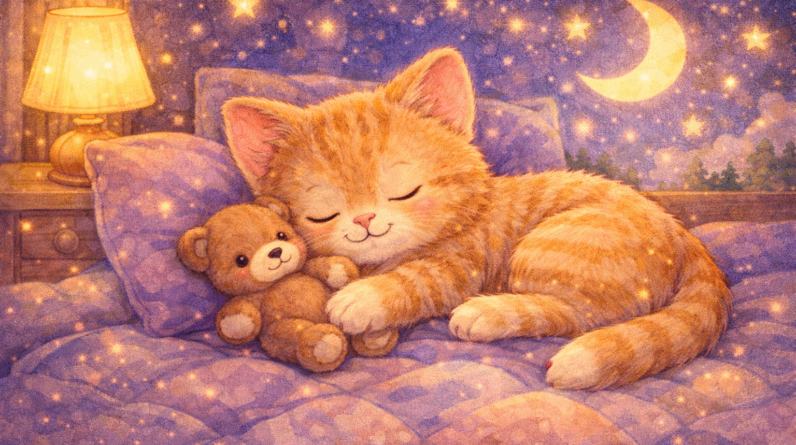
A gentle animal bedtime story to read tonight
Magical realism
Small magic—socks floating back to the drawer or a teacup humming—builds wonder without high stakes. Keep the magic cozy and predictable so it stays bedtime-friendly.
Family and home stories
Stories that mirror real life reassure through familiarity. Weave in bedtime hugs, toothbrushing, and favorite objects. You can even make the listener the hero of the story for extra comfort.
Silly and playful tales
Some nights need gentle laughter. Use harmless absurdity (the moon forgetting pajamas) early in the story, then ease into calm for the final lines.
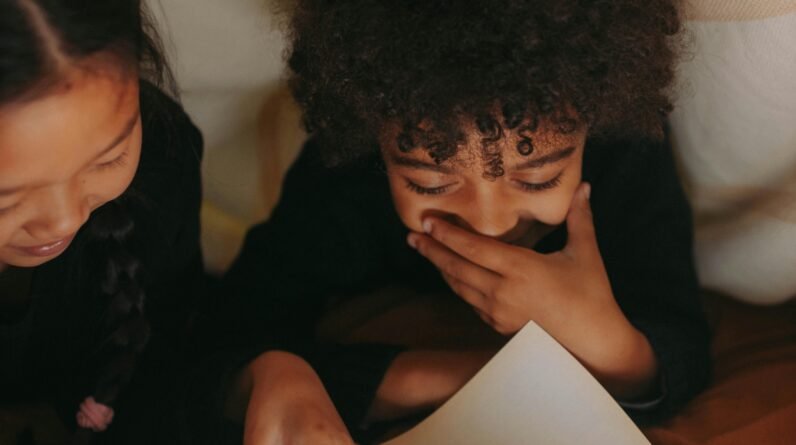
This image is property of images.pexels.com.
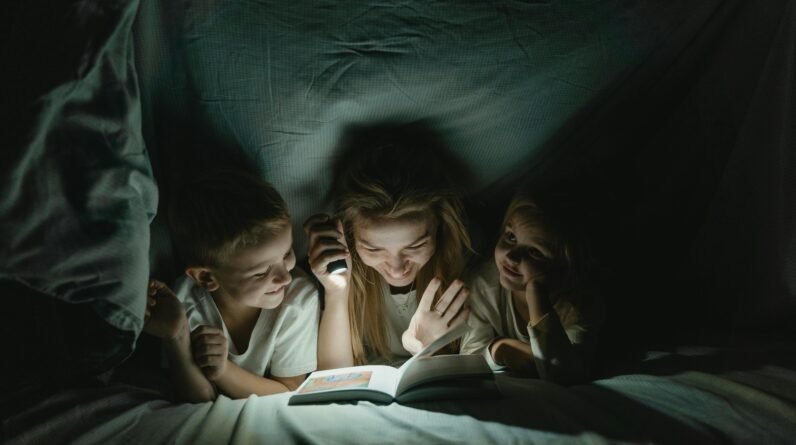
This image is property of images.pexels.com.
Bedtime Stories PDF Free: Printable Stories for Busy Nights
On extra-tired evenings, having stories ready to go can keep bedtime consistent. If you’re looking for a bedtime stories pdf free option you can print and keep by the bed, this resource helps you stay off screens and keep your routine steady.
Practical Storytelling Techniques
Your technique can make a simple story feel like magic. Use these small choices to hold attention and keep the mood sleepy.
Voice, pace, and tone
Lower your pitch slightly and slow your pace. Let pauses do the work. If there’s a “climactic” moment, pause a beat longer, then follow it immediately with a soothing resolution.
Interaction and participation
Invite small participation: “Can you find the star?” or “Shh, let’s tiptoe.” Offer tiny choices (blue hat or red hat). Keep choices limited so you don’t accidentally wake them up with big decisions.
Repetition and predictable lines
Kids love knowing what’s coming. Repeat a comforting line in the story so your child can anticipate it and say it with you. Predictability is calming.
Visual cues and gestures
Gentle gestures—tucking a toy, pointing to a moon sticker—anchor the story in the real world. Use them sparingly so they soothe rather than excite.
Quick Troubleshooting at Bedtime
Bedtime is rarely perfect. Here are simple fixes for common storytime challenges.
When your child wants “one more” repeatedly
Set the limit before you begin: “Two stories tonight,” or “One story and one rhyme.” Use a consistent closing signal: a short song, three slow claps, or turning the nightlight down.
When a child is scared
Validate the feeling calmly: “That sounds scary.” Then shrink the fear in the story world (the “monster” becomes a sock on a chair) and return to safety. Humor can help—never dismissal.
When a child won’t stay in bed
Use a story where a character learns to stay in bed, then pair it with consistent reinforcement (a sticker for staying tucked in). Keep your voice slow and steady.
A gentle bedtime story option for restless, curious kids

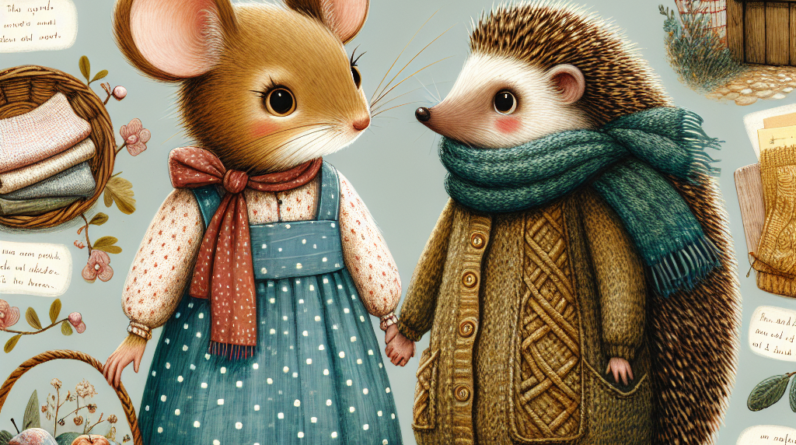
This image is property of images.pexels.com.
Original Magical Bedtime Stories You Can Use Tonight
Below are complete stories you can read as-is or tweak for your child. Read them slowly and keep character voices gentle.
1) The Little Lamp That Forgot to Yawn
You are a tiny lamp who lives on a shelf above a bookshelf. Each night you watch the house lower its voice, like a cat curling up. Tonight, your bulb feels awake and wobbly, buzzing the way a soda can buzzes in summer. You try to yawn but nothing happens. You wobble and flicker, worried the stars will notice.
A kind moth taps on your shade. “Maybe you need a bedtime story,” it whispers. The moth tells you about a moon that learned to yawn—one deep, lazy stretch, then a gentle resting of silver light. As it speaks, your buzzing softens into hum, hum, hum. You yawn big and wide, and your light becomes a whisper.
Before you know it, the house is breathing calmly. You tuck your cord under your lamp-feet and sleep in little glowing dreams. Tomorrow the house will wake, but tonight you are a lamp that knows how to yawn.
2) You and the Cloud Who Needed a Nap
You find a fluffy cloud stuck behind your house, looking small and droopy. It says, in a voice like cotton candy, “I can’t remember how to nap.” You think that’s funny because you are learning naps too.
You take the cloud’s hand and show it your favorite quiet spot. You practice breathing together: in like smelling cookies, out like letting giggles go. At first the cloud puffs instead of breathing. You giggle softly, then try again.
Slowly the cloud settles into a cottony rhythm. It snores a little rain, and you smile because sometimes naps sound like tiny weather. You tuck the cloud into a corner of the sky and feel warmer because you helped someone rest.
3) The Socks That Wanted To Be Planets
You own a pair of socks who are very ambitious. They whisper, “We want to be planets.” You are their captain. You put them in a tiny cardboard rocket (which is really a shoebox) and count down from three using your softest voice.
On Planet Pillow, the socks meet sleepy creatures who hum lullabies that shake the stars. They orbit a nightlight moon and collect glow pebbles as souvenirs. When the rocket comes home, the socks return to the drawer with a new rumor: planets like to nap.
You tuck them in, and they make small, content snores. You decide all ambitious socks should become sleepy planets sometimes.
4) The Little Fox With a Very Small Roar
You are a fox with soft, orange fur and a very quiet roar. At night, you want to sing the moon a big roar to say goodnight, but your roar is the size of a whisper. You practice on a rock, puffing your cheeks, and the moon giggles softly.
An owl says your whisper is special because it’s the kind of sound that tucks people into sleep. You try whisper-roaring on purpose, and the leaves hush to hear it. The mouse in his blanket smiles. The moon yawns.
You learn roars come in different shapes, and small roars do the best bedtime work. You curl in your den, proud of your whisper, and the night holds you snug.
5) The Star Who Lost Its Sparkle
A tiny star falls into your backyard and sits on the fence looking dim. You sit beside it and listen while it tells you about feeling invisible. You tell the star about the time a friend’s grin mattered more than a shiny prize.
You sing a slow, silly song about umbrellas that clap politely. With every verse, the star’s glow grows. Finally, it giggles—its sparkle returns.
It thanks you by placing a small silver dot on your pillow so you remember: kindness can brighten the sky. You fall asleep feeling quietly important.
6) The Tea Party Under the Quilt
Tonight you host a tea party under the quilt with your stuffed animals. The quilt is a castle. The teacups are crayon-smudged paper. You invite the moon, who sips pretend tea and blows cookie-scented bubbles.
Each stuffed animal has a tiny problem. You solve each one with jokes and long, slow stretches that make everyone yawn. At the end, the cake is a pillow and you slice it with a spoon that says “shh.”
You tuck the quilt edges, whisper goodbye, and the moon waves a sleepy hand. You sleep with a full heart and a very full imaginary belly.
7) The Little Boat That Could Sing
You find a toy boat in the bathtub that hums a tune when you blow on it. The boat wishes it could sing louder so the sea would hum back. You teach it to sing using quiet things: a shell, a pebble, and a feather.
The bathtub becomes a tiny ocean with moonbeams as lighthouses. The boat sings a small, brave song that makes tiny waves across the tiles. The water applauds with a gentle splash.
When you dry the boat and put it on the shelf, it hums a lullaby so soft it helps you sleep. You both learn: songs don’t need to be loud to be brave.
8) The Night Garden That Grew Pajamas
In a corner of the backyard, there’s a night garden that grows sleepy things. Tonight you find pajamas sprouting beside moonflower bushes. The gardener is a snail in a small hat who tends rows with tiny trowels.
You choose pajamas that match your heart: stripes for giggles, polka dots for brave dreams. They smell faintly of chamomile. The garden hums and drops a few sleepy seeds.
You sprinkle the seeds on your pillow and thank the snail. The garden answers with a gentle breeze. You are perfectly soft and ready to sleep.
Adapting Stories and Making Them Yours
You don’t need to tell stories exactly as written. Personalize details: change names, places, or objects to match your child’s world. Familiarity makes the story feel safer and more meaningful.
Turn stories into rituals
Choose one “comfort story” for certain moods (sad, restless, worried). Ritual stories give kids a predictable anchor and a shared language for feelings.
Use repeated elements
Add a line your child can say with you, such as: “Goodnight, brave heart,” or “Soft dreams, little lamp.” Repetition builds calm participation without waking them up.
Creating Your Own Magical Bedtime Stories
You don’t need to be a professional author to invent bedtime magic. Use a simple structure and a few templates, and you’ll always have a story ready.
Simple nighttime story structure
- Begin: Set a calm scene with sensory, sleepy words.
- Middle: Add one gentle problem or desire, solved with warmth, kindness, or cleverness.
- End: Resolve with comfort and return to safety.
Character and emotion template
You are [a small creature / a brave sock / a quiet star] who wants [to sleep / to help / to find something]. You try to [action], but [gentle obstacle] happens. Someone helps by [kind act], and you end with [soothing resolution]. You go to sleep feeling [emotion].
Story prompts and creative templates for bedtime storytelling
Encouraging Participation and Literacy
Bedtime stories can be a gentle literacy tool. Over time you’ll notice vocabulary growth, sentence structure mimicry, and stronger narrative understanding.
Questions that spark thinking without waking them
Use simple, closed questions: “Should the fox whisper or roar?” or “Stripes or stars?” Avoid big plot questions that can reboot play mode.
Transitioning to independent reading
As your child grows, let them choose between you telling a story and them reading aloud. Encourage them to tell a one-sentence story too—small storytelling builds confidence.
Magical bedtime story ideas and independent reading inspiration
Story Types at a Glance
| Story Type | Best For | Mood After Story | How to Personalize |
|---|---|---|---|
| Lullaby-style | Fidgety toddler | Very calm | Repeat a line with your child’s name |
| Gentle adventure | Preschooler | Quietly excited | Change setting to a familiar park |
| Animal friends | Toddlers & preschoolers | Comforted | Use a stuffed animal as the character |
| Magical realism | Curious kids | Wonder | Add a small home-based magic item |
| Family/home | Any age | Secure | Use real bedtime routines in the plot |
| Silly/playful | When you need humor | Relaxed and giggly | Insert harmless costume choices |
Explore More Bedtime Story Categories
If you’d like more age-based story collections and bedtime themes, visit the main hub of stories here.
FAQs: Magical Bedtime Stories for Little Kids
What makes magical bedtime stories for little kids sleep-friendly?
Sleep-friendly magical stories keep the wonder gentle and the stakes low. They avoid scary villains and heavy suspense, and they end with a calm image that signals closure. The best stories use predictable structure—cozy setup, small challenge, kind solution—so kids feel safe and ready to rest.
How long should bedtime stories be for little kids?
Toddlers typically do best with 3–7 minutes. Preschoolers often enjoy 7–12 minutes when the pacing stays calm. Older kids can handle longer stories, but bedtime is about winding down—so if energy rises, shorten the story and switch to repetition or a soothing refrain near the end.
Are silly magical stories okay at bedtime?
Yes—gentle silliness can be perfect. The trick is timing: keep the biggest giggles earlier in the story and gradually soften your voice and pacing toward the end. Avoid a final punchline that causes a burst of laughter. Aim for “smiling sleepy,” not “party mode.”
How do I make a bedtime story feel personal?
Swap in familiar details: your child’s name, a favorite toy, a real park, or a pet. Personalization increases comfort and attention. Keep it light—one or two familiar touches is enough. Too many exciting details can make the story feel like playtime instead of a calm bedtime ritual.
What if my child keeps asking for “one more story”?
Set the limit before you start: one story plus one short rhyme, for example. Use a consistent closing cue like a goodnight phrase, a short song, or turning the light down. Predictable boundaries feel safer than negotiating each night, and they help your child learn what bedtime looks like.
Where can I find a bedtime stories PDF free download?
If you want something printable for tired nights or travel, a PDF collection can keep bedtime consistent and reduce screen time. Look for stories designed for little kids with calm pacing, gentle themes, and clear endings. A printable set also helps caregivers follow the same routine.
Conclusion: Keep the Magic Gentle, Cozy, and Predictable
Magical bedtime stories for little kids work best when they end softly and feel safe all the way through. Keep the pace slow, the problems small, and the ending restful. If you need a quick routine helper on busy nights, having a printable story option can make bedtime easier—while your voice remains the most comforting part of the story.