
Moon Bedtime Story for Kids
Moon Bedtime Story for Kids. You want stories that make the bedroom feel like a safe harbor, not a theatrical rave where someone forgot to dim the lights. This article helps you design, choose, and use animated bedtime stories that soothe, settle, and send little bodies off to sleep without a dramatic cliffhanger that starts a new bedtime negotiation.
Why animated bedtime stories work
You probably grew up on spoken stories, but animation adds movement, color, and rhythm to calm the mind. When done right, it pairs visual cues, lullaby-like soundscapes, and gentle narration to help your child lower their emotional volume.
You’ll find that animation can deliver predictable visuals and pacing that tell the brain it’s time to wind down. You also get the advantage of consistency: the same calming story can cue sleep cues night after night without you needing to perform like a Broadway understudy.
The science behind bedtime routines
You want your child’s body clock and nervous system to recognize a sequence of calming signals before sleep, and that’s what routines do best. Animated stories can include consistent cues—soft music, slow camera moves, quiet voices—that help your child’s physiology begin to relax.
Routine trains the brain to associate certain stimuli with sleep. Use animation to create a soothing, repeatable sensory environment and you’ll be rewarded with fewer battles and more reliable zzzs.
Emotional benefits for kids
You want your child to feel safe, seen, and soothed, and moonlit animation is a perfect vehicle for that. Gentle stories often model coping, empathy, and small triumphs—things that make kids feel emotionally regulated before sleep.
Nighttime also brings big feelings, so calm stories with reassuring endings help your kid tuck worries under the pillow where they belong. You’re creating a nightly emotional reset, and that matters more than you think.
Cognitive and developmental benefits
You probably don’t expect cartoons to be mini therapy sessions, but slow-paced animation can support language acquisition, memory, and imagination. Hearing simple sentences, repeating phrases, and viewing uncluttered visuals helps younger kids build narrative skills without overstimulation.
For older preschoolers, the best bedtime animation supports problem-solving in mild, manageable ways—think: what would you do?—which helps critical thinking while preserving calm.
What makes a good animated bedtime story
You want the elements to align: voice, visuals, pace, and plot. The perfect bedtime animation feels purpose-built to put eyes and ears into soft mode.
If anything screams urgency, has a fast tempo, or introduces a cliffhanger, it’s not bedtime-friendly. Calm themes, predictable structure, and reassuring closures are your stars here.
Tone and pacing
You should aim for a voice that speaks like someone leaning in with a secret, not someone trying to sell you something. The pacing should be unhurried—long exhales, lots of gentle pauses—so your kid’s heart rate can follow the lead.
Think of the narrator as a lamp you dim gradually, not a spotlight that hits the face.
Length and timing
You want to match story length to attention span and bedtime needs. Too short and it feels unsatisfying; too long and it defeats the whole calming purpose. Duration should scale with age and context.
Use the following table to pick durations that typically work well:
Age range | Recommended duration | Complexity |
|---|---|---|
0–2 years (infant/toddler) | 2–5 minutes | Very simple visuals, repetitive phrases |
2–4 years (young toddler) | 5–8 minutes | Simple narrative, calming repetition |
4–6 years (preschool) | 8–12 minutes | Small conflict/resolution, gentle humor |
6–8 years (early school) | 10–15 minutes | Short scenes, mild adventure with reassuring ending |
8+ years | 12–20 minutes | Deeper themes but still calming tone |
Visual style and color palette
You should favor muted color palettes—navy, soft mauve, slate, cream—over neon. Animation with slow camera moves, soft edges, and lots of negative space helps the eye idle rather than sprint.
Avoid lots of flashing details or quick cuts. Minimalism is kind of the lullaby of visuals.
You should use simple, rhythmical sentences with occasional repetition to anchor attention. Avoid overly elaborate vocabulary at bedtime unless the goal is to coax curiosity—not sleep.
Your narrator is a guide, not an announcer. Let them speak like a kind neighbor who’s a little tired but very competent.
Gentle Moonlit Adventure themes
You want themes that feel cozy, small, and resolvable—like a pocket-sized quest instead of a trilogy. Moonlit adventures are naturally calming because they occur in low light and focus on gentle exploration and discovery.
Choose themes that combine wonder with safety. Here are ideas you can adapt or combine.
The Little Star That Forgot How to Twinkle: A small star learns to breathe and glow again with quiet help from a moon-moth. Perfect for toddlers who worry about being forgotten.
The Night Garden That Sings: A hidden garden wakes up at twilight with humming plants and sleepy insects; the protagonist learns to listen. Good for sensory calm.
The Sleepy Little Cloud: A cloud learns how to float and nap above the city, learning deep breathing along the way. Teaches breath awareness.
The Moon’s Mailbox: Little animals write letters to the moon and the moon replies with soft gusts and shimmering light. Encourages gratitude and closure.
The Lantern That Wanted to Rest: A lantern finally learns it’s okay to dim and recharge. Great for kids who resist ending the day.
The Whale That Swam the Night Sky: A gentle mix of sea and sky where gravity feels optional and the whale finds safe return to its song. Encourages imagination.
The Fox Who Counted Fireflies: Counting as a run-in to sleep, the fox learns that numbers can be soft and repetitive. Good for winding down.
The Moon Keeper’s Blanket: A child stitches together a blanket for the moon that echoes memories of the day. Good for memory consolidation.
The Sleep Train: A small, slow-moving train carries sleepy toys to a depot called Rest. Completes the idea of transition.
The Gentle Storm: A quiet storm washes the world clean, followed by calm, star-filled air. Teaches that feeling messy can lead to calm.
The Rabbit’s Night Walk: Release tension through soft movement, with focus on footfalls and whispering grass. Therapeutic for active kids.
The Cloud Library: Books float in cloud-shelves and stories become lullabies. Emphasizes narrative as comfort.
The Lantern Festival at the Pond: Soft reflections on water, small rituals of letting go. Good for closure routines.
The Moon’s Patch: Small animals fix bruised moon patches with stitches of kindness. Talks about healing and reassurance.
The Quiet Parade: Sleepy animals march slowly in their pajamas, each with a bedtime item. Emphasizes order and ritual.
Sample scripts: short, usable, and calming
You want something you can use right away or adapt to your own style. Here are three micro-scripts with pacing cues and repeating phrases you can read or animate.
Script for toddlers (2–4 years) — The Sleepy Little Cloud
You can talk slowly and use pauses to let the child breathe between lines. Keep visuals minimal: one cloud, a soft city below.
Narrator (soft): “Once, there was a little cloud who yawned like the sky… Yaaaaawn.” (pause)
“It wanted to find a pillow. It floated above the trees… (pause) …above the house with the red door.” (pause)
“A breeze hummed a lullaby. ‘Hush now, float,’ the breeze said.” (pause)
“The cloud curled up around the moon and sighed, ‘Mmm.’ The moon tucked it in with a silver light.” (pause)
“And the cloud dreamed of gentle rain. Rain that knew how to be soft.” (long pause)
“Goodnight, little cloud. Sleep.” (whisper)
Script for preschool (4–6 years) — The Little Star That Forgot How to Twinkle
You can use melodic phrasing and repeat a short chorus.
Narrator (warm): “There once was a tiny star who tried to dance but forgot its twinkle.” (pause)
“It rubbed its eyes and asked the moon, ‘How do I shine?’ The moon hummed a tune—la, la, lite—” (hum softly)
“The star practiced breathing slow. In… out… in… out…” (pause with rhythmic breaths)
“With each breath, the star remembered its little flash. Click. Click.” (soft chime)
“It blinked once, then twice, then a gentle sparkle. ‘There you go,’ said the moon.” (pause)
“And all the other stars sighed a happy, sleepy sigh. Night said, ‘Nice job.'” (long pause)
“Goodnight, tiny twinkle. Sleep now.” (whisper)
Script for early school (6–8 years) — The Whale That Swam the Night Sky
You can add a tiny arc with a mild problem and a satisfying, comforting solution.
Narrator (calm, amused): “Willa the whale woke up to find herself swimming through clouds, like a sea of cotton.” (pause)
“Her fins made soft whooshes. The moon looked like a lighthouse and said, ‘Slow down, Willa—no need to hurry home.’ ” (pause)
“Willa felt a knot of curiosity. She wanted to race comets, but her body loved to sway. So she swam slower and listened.” (pause)
“Each sound was a lullaby: a tree’s whisper, a beetle’s tiny drum, a mountain’s steady breath.” (pause)
“Willa chose the slow way and found a place to curl among the clouds, her song melting into the night.” (long pause)
“She slept, gently—a whale-quiet sleep—until the sun woke her. The end.” (soft sigh)
Storyboard and animation tips for gentle pacing
You want visuals to support the voice, not fight it. Storyboard with long takes, minimal cuts, and scenes that feel like pages of a storybook turning slowly.
Think of the camera as someone lowering a blanket: soft zoom out, slow pan, gentle tilt. Use a lot of holding shots where a single image carries the moment.
Simple animation techniques that work well
You want techniques that are achievable and calming. Keep motion slow, predictable, and cyclical.
Technique | Why it works | Suggested use |
|---|---|---|
Limited animation (slow keyframes) | Reduces motion complexity; feels steady | Breathing scenes, floating clouds |
Parallax with slow layers | Adds depth without busyness | Night sky, city below, soft landscapes |
Gentle loops | Repetitive motion that soothes | Fireflies blinking, ocean swell |
Soft particle effects | Creates atmosphere without sharp action | Falling leaves, drifting stars |
Slow camera moves | Mimics the rhythm of breathing | Scene transitions, reveal of cozy spaces |
Music and sound design: the lullaby of your story
You want sounds that fill space but don’t demand attention. Minimalist, sparse music—soft pads, a slow piano, or a warm cello—works wonders.
Avoid busy percussion and sudden crescendos. Ambient sound can be a character: breathing wind, distant waves, a purring train resonate with calm.
Recommended instruments and tempos
You want tempos near resting heart rate—around 60–80 BPM—so the body aligns. Instruments with warm harmonic content are ideal.
Piano: sparse notes with long decay
Cello: low, continuous drones or long bowed notes
Flute/recorders: soft, airy lines for lullaby motifs
Harp/kalimba: delicate arpeggios, spaced widely
Soft synth pads: for ambient bed that holds without urging
Narration and voice acting tips
You want a voice that’s intimate and slightly weary in the best possible way—like a caregiver who stayed up too late but still has love to give. Keep consonants soft, vowels round, and pauses generous.
If you use a professional voice actor, ask for multiple takes with different tempos. The best read is often the slowest one, but not so slow that attention drifts completely away.
Voice qualities and examples
Use this quick reference when casting or narrating yourself.
Quality | What to request | Example instruction |
|---|---|---|
Soft | Lower volume without losing clarity | “Speak close, as if whispering into a mug.” |
Warm | Rounded vowels, gentle smile | “Imagine telling a sweet secret.” |
Melancholic-delight | Slight wistfulness with tenderness | “You’re fond but sleepy.” |
Playful calm | A wink without excitement | “A small smile, then relax.” |
Reassuring | Even cadence and steady tone | “Think mom/dad voice—steady and quiet.” |
This image is property of images.unsplash.com.
Integrating animated stories into your bedtime routine
You want your routine to be predictable and efficient. Animated stories fit best as a transition element—after teeth, pajamas, and a brief cuddle.
Set a clear order: hygiene → pajamas → story → lights out. That way you avoid the eternal loop of “just one more episode.”
Before the story
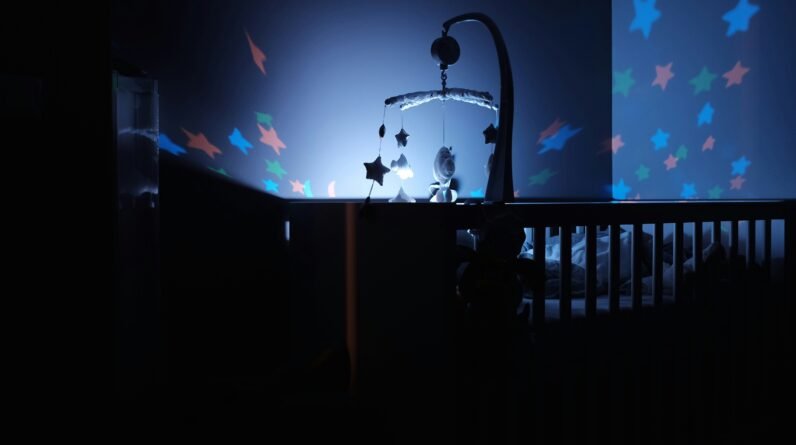
You want low lights and fewer toys loose in the bed. Dim the room and keep interaction calm.
Turn off screens with high contrast or bright colors.
Offer a single cuddle or check-in, then announce the story as the next step.
Keep snacks and water earlier, so late-night thirst doesn’t interrupt.
During the story
You want minimal interruptions and soft volume. If your child wants to ask questions, encourage a “one question now” rule or promise time after the story.
Use subtitles or captions for accessibility if needed.
Keep the volume low and consistent.
If your child fidgets, consider a tactile object like a soft toy to hold.
After the story
You want a short, predictable closure—one minute max. A quiet “goodnight” ritual, like a kiss or a song, seals the transition.
A brief moment of physical reassurance is enough.
Turn off the device or close the book gently; avoid replays unless needed.
Screen-time and safety considerations
You want to be mindful of screen exposure, especially for very young kids. Animated bedtime stories can be effective, but screen time near sleep should be minimal and purpose-driven.
Blue light can interfere with melatonin. Use devices with warm settings or night mode and keep volume and brightness low. For infants, prioritize spoken stories or audio if you want zero screens.
Age-appropriate content checklist
You want to ensure content is calming, culturally sensitive, and safe.
Item | Yes/No | Notes |
|---|---|---|
Gentle pacing | Long pauses, slow tempo | |
Non-threatening visuals | No sudden movement, shadows, or loud colors | |
Predictable structure | Clear beginning, middle, gentle end | |
Positive resolution | No unresolved fears or cliffhangers | |
Diverse representation | Inclusive characters and gentle themes | |
No advertising | Ads break the calm and are inappropriate at bedtime |
Accessibility and inclusivity
You want your stories to be accessible and reflective of a diverse audience. Captions, audio descriptions, and multiple language tracks are simple ways to broaden reach.
Represent diversity in character skin tones, family structures, and mobility without making it a lecture—just normal life at night.
Translation and language tips
You want simple sentences and universal imagery if you plan to translate. Rhythms and repetitive phrases work well across languages, but cultural references should be minimal or adaptable.
Avoid idioms that don’t translate well. If you add lullaby lines, make sure they’re singable in other tongues or easy to localize.
DIY animated bedtime stories: tools and workflow
You want to make something that’s doable and adorable without becoming a full studio production. A simple workflow can deliver satisfying results.
Concept: 1–2 sentences describing the mood and arc.
Script: 200–500 words depending on age.
Storyboard: 6–10 frames for short episodes.
Production: limited animation with parallax layers and gentle loops.
Sound: simple soundtrack with ambient bed and one lead instrument.
Export: warm color grade, night-mode settings.
Quick production checklist
Use this to keep the process efficient and consistent.
Step | Action | Tip |
|---|---|---|
Concept | Define mood and theme | Keep it calming and resolvable |
Script | Write short, rhythmic lines | Include breathing cues |
Voice | Record soft narration | Multiple takes at different speeds |
Music | Select slow-tempo pieces | Keep instruments sparse |
Animation | Use loops and limited frames | Reuse assets across episodes |
Test | Play for child in calm lighting | Watch reactions and adjust |
Release | Add captions + accessibility | Provide sleep-mode export settings |
This image is property of images.unsplash.com.
Using existing platforms and curated playlists
You want to save time, so curated playlists or apps can be very useful—but vet them first. Some platforms have flashy trailers or ads that defeat the purpose.
Use dedicated apps with night-mode features and ad-free options, or set up a playlist on a streaming service with parental controls. Check reviews for “calming” vs “exciting” tags.
Tracking and evaluating your child’s reaction
You want to know if the story helps or hinders sleep. Keep notes for a few nights—how long until sleep, any nighttime wake-ups, or increased anxiety.
Look for improvements in time-to-sleep, fewer requests for extra stories, and a calmer routine. If things worsen, stop and reassess pacing, visuals, or timing.
Troubleshooting common issues
You want quick fixes when your plan goes sideways. Kids are unpredictable and sometimes the same calm thing that worked becomes the thing that excites.
If the child gets wound up: shorten the story, lower the volume, or switch to audio-only.
If nagging for replays: use a one-play rule and offer a small, immediate comfort instead.
If monsters or fear emerge: include a brief “night guard” character—a sleepy owl or gentle moon—that explains safety.
Legal and copyright basics
You want to avoid playing copyrighted music or clips without permission. Use royalty-free music and public domain lullabies or compose something simple.
If you plan to distribute or monetize, make sure voice work and music have clear release forms. Keep things legal so you don’t end up explaining to your kid why their bedtime story was subpoenaed.
Recommended apps and tools (brief)
You want practical, usable tool suggestions. Here’s a short list to get you started.
Simple animation: RoughAnimator, Procreate (for frame sequences), and OpenToonz
Voice recording: Audacity, GarageBand, or Descript
Music beds: Epidemic Sound (check license), Free Music Archive, or in-house simple loops
Platforms: Ad-free kids’ content apps, private playlists on streaming services with parental locks
Cultural sensitivity and representation
You want your stories to feel like home for many children, which means offering characters and settings that reflect varied experiences. Representation doesn’t need to be didactic—just natural, respectful, and thoughtful.
Ask families from different backgrounds for feedback when possible. Inclusion done well is invisible; done lazily, it’s patronizing.
You want signs that a story is doing its job: shorter time-to-sleep, calmer bedtime mood, fewer requests for extra stimulation. Track these lightly and make adjustments.
Success isn’t a single night; it’s a pattern over two weeks. If the animation is reliably calming, you’re winning.
Final thoughts
You want bedtime to be less bargaining and more breathing. Animated moonlit adventures are tools—you can tailor them to your child’s needs and use them as part of a predictable routine. Keep things slow, kind, and short enough to feel like a warm exhale, and you’ll build a ritual that feels as comforting as a favorite blanket.
If you get stuck, remember that simple is powerful. A whisper, a slow story, and a steady ending will often out-perform high production values that shout for attention. Night by night, the ritual becomes a cue, and that cue is a gift you give your child: the ability to move from bright day to restful sleep, with a little moonlight and a story to keep them company.
Frequently asked questions
You want quick answers for the most common doubts. Here are concise responses you can use.
What if my child demands replays? Set a kind but firm one-play rule and offer an allowance for one short audio-only rerun if needed.
Can audio-only stories work as well? Yes—audio-only removes blue light and often works better, especially for very young children.
How loud should the audio be? Low enough that you can barely hear it from the doorway; aim for a consistent volume without spikes.
Is it okay to use the same story every night? Absolutely. Predictability is calming. Rotate occasionally to avoid fixation.
What if my child asks scary questions? Answer simply and reassuringly. Add a reassuring character in future stories if it helps.
You’ve got the tools, ideas, and scripts to build a nightly ritual that doesn’t feel like a production. Make it personal, keep it soft, and remember: bedtime stories aren’t just about sleep—they’re about making the dark feel a little kinder.
Get more creative knowledge build books and resources for happy minds at: https://booksforminds.com/