



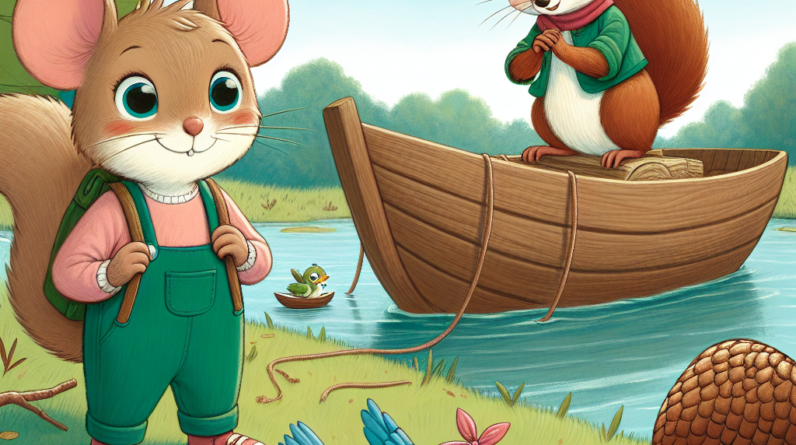
Sheep Bedtime Story
Sheep Bedtime Story routines work for one simple reason: sheep are soft, familiar, and already linked to sleep in our culture. This friendly (and slightly ridiculous) guide helps you create a sheep-themed bedtime story and routine that actually helps you and your child settle down. You’ll get the psychology, scripts, variations, troubleshooting tips, and a full bedtime tale you can read tonight—plus a practical option for free printable bedtime stories when you want something ready to go.
The Sleepy Sheep Bedtime Tale
This is a gentle guide to creating a sheep-themed bedtime ritual that supports calm and sleep. You’ll find background, storytelling psychology, scripts, age variations, troubleshooting, and a complete second-person story you can use as-is.
Why a Sheep Bedtime Story Works
Using sheep as the subject of a bedtime story taps into repetitive, comforting imagery. Sheep are soft, nonthreatening, and closely associated with counting and sleep—so the motif carries a built-in nudge toward calm.
The psychology behind counting sheep and repetition
Repetition soothes the brain by reducing cognitive load. Instead of chasing novelty, the mind relaxes into patterns. Counting sheep—or repeating a gentle phrase—acts like a verbal rocking movement for the nervous system.
The role of tone, rhythm, and timing
How you tell the story matters as much as what the story is. A slow, rhythmic voice with well-placed pauses mimics lullabies and breath exercises, helping the body recognize it’s time to sleep.
Have you ever wished bedtime could be a gentle, funny, oddly soothing ritual instead of a nightly negotiation that leaves you whispering to your pillow?
Benefits of a sheep bedtime routine
A predictable story-based routine offers emotional safety and a clear “sleep signal” for the nervous system. It also builds memory and language skills while helping children learn self-soothing—without turning bedtime into a performance.
Emotional and behavioral benefits
You’ll often see fewer meltdowns when a child knows what comes next and associates the story with warmth and safety. Sheep themes are neutral and cuddly, which helps avoid overly stimulating content.
A gentle bedtime story option for calming emotional transitions
Cognitive and developmental benefits
Stories improve attention, vocabulary, and narrative comprehension. Repeating a short story nightly strengthens memory and gives the child a comforting mental image to return to if they wake during the night.
Benefits for you (the sleep-deprived guardian)
You get a way to guide sleep without repeating commands. This ritual can become your permission slip to stop worrying for the night. It’s allowed to feel silly and still be effective.

This image is property of images.unsplash.com.
Preparing for the Sleepy Sheep Bedtime Ritual
Preparation reduces friction. The fewer surprises and decisions at bedtime, the less energy you and your child need to spend.
Bedtime prep ideas for kids who struggle to settle
Setting the scene
Dim the lights, reduce screens, and choose a comfortable spot. A small bedside lamp, a soft blanket, and one sheep toy can anchor the ritual in something physical and soothing.
Timing and consistency
Start the routine around the same time each evening so your child’s circadian cues align with the story. Consistency is the secret sauce: the brain learns what’s coming and begins preparing for sleep before the story ends.
Items that help
A plush sheep, a soft blanket, and a gentle sound machine or low-volume ambient playlist can help. Keep distractions out of reach—tablets, noisy toys, and open doors add friction and stimulation.
Age-Appropriate Adaptations
You can use this sheep bedtime story with toddlers through older children, but tailoring length and interactivity makes it work much better. Use this table to match story elements to your child’s stage.
| Age Group | Story Length & Complexity | Interaction Level | Goals |
|---|---|---|---|
| 0–2 years | Very short (1–3 minutes), repetitive phrases, soothing sounds | Minimal; cuddle and sing | Calm sensory input, bonding, rhythmic breathing |
| 2–4 years | Short (3–5 minutes), simple plot, sensory words | Moderate; child finishes refrains | Sleep association, vocabulary, basic comprehension |
| 4–7 years | Medium (5–10 minutes), slightly more plot, gentle humor | Active; simple questions | Imagination, routine, emotional regulation |
| 8–12 years | Longer (10–15 minutes), characters, moral choices, calm tension | Low–moderate; narrate parts | Empathy, narrative skills, transition to independent sleep |
More tips for adapting bedtime tone and detail by age
When to encourage participation
Encourage toddlers to mimic sounds, preschoolers to contribute a line, and older children to name sheep or choose gentle outcomes. Participation should support calm, not reboot play mode—keep it small and predictable.

This image is property of images.unsplash.com.
The Full Sleepy Sheep Bedtime Story (Second-Person Version)
A related gentle story theme for kindness and calming routines
You are tucked under a blanket that smells faintly of laundry detergent and late-day sunlight. The room hums like a distant refrigerator, and you notice a small, drowsy sheep peeking over the edge of your bed—it looks like it’s had a very long day of grazing in the clouds, and it has a soft bell that chimes like a sleepy sigh.
You notice how the sheep’s wool shivers like tiny clouds breathing. It gives you a slow, sideways grin and says—if you listen in the kind of way that only sleepy people listen—“Would you like to come to the Cloud Meadow?” You nod because the sheep is very polite and because you are starting to find the idea of Cloud Meadow extremely reasonable.
Together you walk, in the most comfortable, slowest way you know how, across a fence made of moonbeams. The fence sounds like little commas in the air, and the sheep counts them out, “One comma, two comma,” and you notice that even counting commas makes you softer around the edges.
You reach Cloud Meadow, which smells faintly of chamomile and oatmeal cookies even though there are neither ovens nor kitchens nearby. The clouds here look like pillows that remembered how to be gentle, and the sheep introduces you to its friends: a yawning lamb who knits stars, a quiet ewe who hums to the sky, and a long-necked sheep that has opinions about sunsets.
You sit down on a cloud, and the cloud cradles your back like a very supportive pillow. The sheep tells you a small, calm secret: “When your breaths slow, the stars slow, too.” You breathe in and out with the sheep—slow breaths that make your chest rise like a small hill and fall like a hill that prefers naps.
One by one the sheep start to count the breaths with you. “One, soft breath. Two, cozy breath.” The counting feels like a blanket unfolding. If your mind pings with a thought about toothpaste or socks, the sheep hears it and tucks it into a pocket made of moss for safekeeping.
You yawn, which the sheep takes as a compliment, and it reciprocates with an enormous, theatrical yawn that makes a tiny breeze ripple across the meadow. As the counting keeps going, you feel your limbs unstick themselves from the day. Decisions shrink into neat boxes labeled “tomorrow.”
If you wake in the night, the sheep will be waiting at the foot of your bed, half-asleep and ready to tuck you back. The last thing you hear before you drop fully into sleep is the sheep’s bell, which goes “ting—easy,” and you think, “Yes. Easy.”
Short version for practical bedtimes
You meet a sleepy sheep that invites you to Cloud Meadow. Together, you breathe slowly and count calming breaths until you fall asleep.
Medium version for nights you have more time
You follow the sheep over a fence of moonbeams into Cloud Meadow, where gentle sheep knit star-hats and hum lullabies. You count soft breaths and tuck stray thoughts into moss pockets while the world relaxes into a cozy hush.
Scripts and Phrases You Can Use
When you’re tired, scripts keep bedtime calm and consistent. Use short repeated lines when your child is nearly asleep and you want minimal stimulation.
- “One slow breath in, one slow cloud out.”
- “The sheep counts the stars and tucks your thought into its pocket.”
- “Your blanket is a little boat, and the sheep rows very gently.”
- “If a worry knocks, the sheep shoos it politely behind the moon.”

This image is property of images.unsplash.com.
Sensory and Movement Additions
Multisensory cues support the story: soft textures, rhythmic motion, and low-level sound. These elements help anchor attention and cue relaxation.
Gentle movement and positioning
Rocking, swaying, or a slow hand over your child’s back can match the counting rhythm. Keep movements symmetrical and predictable so they soothe rather than stimulate.
Sound and music
A low hum or repetitive melody supports the sheep motif. Avoid lyrics that invite problem-solving or strong emotions. Stick to slow tempos and soft dynamics.
Scent and touch
Mild scents like lavender or chamomile can become a sleep cue when used consistently. Keep touch steady and calm—light hair brushing or a gentle hand on the chest signals safety.
Story elements and their effects
| Story Element | Primary Effect | How to Use |
|---|---|---|
| Repetition (phrases/counting) | Calms cognitive load | Use a refrain or count breaths/sheep |
| Soft humor | Lowers stress, builds rapport | Add gentle jokes about sheep habits |
| Sensory language | Anchors attention | Describe smells, textures, and sounds |
| Predictable ending | Reduces anxiety | Finish with the same closing ritual |
| Active participation | Builds autonomy | Let the child count or name sheep |
Troubleshooting Common Issues
When the story doesn’t work
Sometimes bedtime goes sideways because your child is overstimulated, anxious, teething, or testing boundaries. Have backups: dim the lights further, shorten the story, and shift into rhythmic breathing.
Managing bedtime resistance
Resistance often masks needs: attention, fear, or autonomy. Offer a small choice that preserves the boundary: “One book or one sheep story?” This gives control without turning bedtime into a negotiation marathon.
A classic sheep story variation to explore
Night wakings and nightmares
If your child wakes crying, respond calmly and briefly. Reassure them, then use the shortest sheep version: a few slow breaths and the bell line can re-anchor sleep. If nightmares repeat, practice a daytime “new ending” where the scary part becomes silly and small.
A sheep story reference for reshaping bedtime fears
Free Printable Bedtime Stories for Your Routine
On busy nights, having something ready can keep bedtime consistent—especially if multiple caregivers share the routine. If you want free printable bedtime stories you can keep by the bed, a printable collection can reduce screen time and make bedtime easier.
free printable bedtime stories
Explore More Bedtime Stories
If you want more story categories and bedtime themes for different ages, visit the main story hub below.
FAQs: Sheep Bedtime Story
Why do sheep bedtime stories help kids fall asleep?
Sheep stories work because they’re built on soft, non-threatening imagery and predictable repetition. Counting sheep (or counting breaths) lowers cognitive load and gives the mind a simple pattern to follow. When the story stays calm and ends the same way each night, the brain starts treating it like a reliable sleep signal.
How long should a sheep bedtime story be?
For ages 0–2, aim for 1–3 minutes with repetition and soothing sounds. Ages 2–4 typically do best with 3–5 minutes and a simple plot. Ages 4–7 can handle 5–10 minutes if pacing stays gentle, while older kids may enjoy 10–15 minutes with calm tension and a cozy ending.
Should I count sheep or count breaths?
Either works, and you can mix them. Counting sheep is fun and familiar, while counting breaths is a gentle mindfulness skill that transfers well as kids grow. If your child gets excited by counting, switch to “cozy breath counting” with slower pacing and a repeated line like “one soft breath, two cozy breaths.”
What if my child keeps asking for one more story?
Set the limit before you begin: one story and one short rhyme, for example. Use a consistent closing cue (a final line, a kiss, dimming the light). Predictable boundaries reduce negotiation, and repetition teaches your child what bedtime looks like. If they push, offer the “short sheep version” as the final compromise.
How can I help with night wakings using the sheep routine?
Keep it brief and boring (in a good way). Use the shortest version of the story with two or three slow breaths and one repeated line. Avoid turning on bright lights or discussing the full dream. The goal is to re-anchor the body in calm cues that say “we are safe, we are sleepy, we return to rest.”
Are printable story resources helpful for bedtime routines?
Yes—especially when you want consistency across caregivers or when you’re too tired to improvise. Printable pages help you stick to the same pacing and ending, which strengthens sleep association. They also reduce screen time and make bedtime portable for travel, grandparents’ houses, or nights when routines change.
Conclusion: Let the Sheep Do the Sleepy Work
A Sheep Bedtime Story is a small, whimsical toolkit: repetition, soft humor, and a predictable ending that tells the nervous system it’s safe to rest. Keep your pace slow, your voice gentle, and your ritual consistent. If one night goes sideways, the sheep will forgive you—because sheep are famously good at returning to calm, one soft breath at a time.