


The Heart of The Millie Mouse Tales
The Heart of The Millie Mouse Tales. This article takes readers behind the scenes of The Millie Mouse Tales series — why it was created, the values it celebrates, and how each story is designed to support emotional growth, family bonding, and gentle learning.
Why Millie Mouse Was Born
Millie Mouse began as a whisper in a parent’s heart — a wish for stories that were calm, kind, and emotionally resonant.
There are many loud, fast, flashy stories out there. Millie was created as an antidote — to offer:
- Stillness in a noisy world
- Emotional depth in simple language
- A gentle way to explore real feelings with little ones

The Story Themes Each Millie Mouse Tale is written around one central emotional or developmental theme. For example:
- Muffin Mouse Bakes a Pie explores patience and problem-solving
- Millie Mouse and the Windy Day addresses fear and bravery
- Millie Mouse’s Box of Treasures celebrates gratitude and memory
These aren’t just entertaining stories. They’re carefully constructed to:
- Spark gentle conversations
- Normalize common emotions
- Encourage empathy, resilience, and imagination
The Role of Nature and Environment
Millie lives in a cozy forest nook. Her world is full of soft colors, warm textures, and natural beauty. Why?
- Nature helps children feel calm
- Forest settings are timeless and grounding
- It creates a sensory-rich setting without overstimulation
Every Millie book features scenes of rain, wind, trees, or cozy indoor spaces like forts and windowsills — places where children feel secure.
Character-Driven Learning
Children connect with characters before concepts. That’s why Millie is not “perfect.” She makes mistakes, feels scared, gets curious, and learns — just like real kids do.
Her friends support different kinds of learning:
- The Oak Tree represents wisdom and grounding
- The Bluebird is playful and encourages imagination
- The Turtle symbolizes patience and gentleness
Built for Gentle Parenting
Millie Mouse Tales align with the principles of gentle parenting:
- Emotional validation (“It’s okay to feel nervous.”)
- Connection-first discipline (“Let’s slow down and think.”)
- Ritual and rhythm (reading, baking, bedtime routines)
Each story invites the parent to slow down and enter the moment with the child.
A Storytelling Experience, Not Just a Book
Millie Mouse isn’t just meant to be read — she’s meant to be felt.
That’s why each book is paired with:
- Free printable activities
- Read-aloud tips
- Storytime rituals and environment suggestions
You don’t just “read” a Millie story. You live it — with a cozy nook, a silly voice, a shared moment of reflection.
Voices from Parents and Educators
Parents share that Millie stories:
- Help their child settle at bedtime
- Prompt deep questions like “Do trees feel things?”
- Become the most-requested books in the home
Educators use them to:
- Open SEL (Social-Emotional Learning) discussions
- Introduce themes like kindness and sharing
- Build routine and calm transitions in the classroom
Printable Bonus: Millie Mouse Values Poster “Millie says…” Be kind to yourself and others
🍃 Stay curious
🐭 It’s okay to feel
🕯️ Slow down when the wind blows
📚 Every story matters

Mouse in the House — A Cute Bedtime Story For Kids
This article presents “Mouse in the House — A Cute Bedtime Story For Kids” in two versions: short/simple and detailed, perfect for bedtime reading. The story follows Max, his parents, and a tiny gray mouse named Squeaky and emphasizes kindness, empathy, and the unexpected joys that small creatures can bring.
Story Versions
This section explains the two available forms of the tale so a reader can pick the best length for sleepy little listeners. Both versions keep the same characters, setting, and message but differ in detail and pacing.
Short and Simple Version
This shorter retelling is perfect for a quick bedtime story or a busy night when yawns arrive early. It keeps the plot clear, the language simple, and the mood warm so sleepy heads can rest soon after the final line.
Max was almost asleep when a tiny tap-tap at the kitchen window woke him. He rubbed his eyes, grabbed his little flashlight, and padded barefoot down the hall like a detective who had misplaced his magnifying glass.
The kitchen smelled faintly of warm bread and apple jam, and the moonlight painted the floor with silver patches. Max pointed his flashlight and saw a small gray mouse, ears like teacups and whiskers that twitched like tiny antennas.
Instead of screaming or running away, Max thought of cookies—because most mysteries can be solved with treats. He crumbled a bit of cookie on the counter and set it down like a treaty. The mouse sniffed, did a polite little somersault, and nibbled. Max laughed so quietly the walls almost missed it.
He named the mouse Squeaky because the mouse had a small, friendly squeak that sounded like a cartoon horn. Squeaky returned the next night, and the next, until visits became a routine: crumb, squeak, then a quick dash back into a cozy corner under the cupboard.
When Mom and Dad discovered the new roommate they widened their eyes in a way that meant business. They worried about crumbs and chewed cables and polite mice attempting to learn the family piano. Max promised to keep the crumbs tiny and the mice manners tidy, and in return his parents agreed to let Squeaky stay as long as he stayed tiny and well-behaved.
Squeaky taught Max to listen for tiny sounds and to be gentle with all creatures, even those with whiskers and a fondness for crumbs. The house felt warmer, the nights got cozier, and Max slept knowing that some friendships come on small paws.
Detailed Version
This longer version lingers over cozy details, adds comic moments, and explores how kindness can grow from a single crumb. It is designed for listeners who love the slow build of atmosphere before a soft lights-out, or for parents who enjoy injecting extra silliness into the bedtime routine.
Max lived in a cottage at the edge of a sleepy forest where the trees told wind-stories and the lampposts liked to blink in Morse code. He was an earnest, curious boy with hair that refused to be tamed and a flashlight that had more adventures than it had batteries. One evening, while the moon arranged stars into bedtime patterns, Max heard a faint tap-tap and a high little squeak coming from the kitchen.
He paused in his doorway, perched like a thoughtful owl, and kept his toes still as if silence were sticky. The tap-tap came again, rhythmic and polite, like a tiny drummer practicing for a mouse orchestra. Max tugged on his slippers and carried his flashlight as if it were a sword, although it glowed more like a gentle marshmallow than a weapon.
The kitchen was a warm little world of crumbs and shadows. A kettle whispered steam stories on the stove and a stack of plates yawned quietly in the cupboard. On the windowsill a curtain looked like a tired flag and below it, under the glow of the flashlight, a small gray mouse danced on tiptoe.
Squeaky had round eyes like polished raisins and whiskers that quivered with the curiosity of a scientist. He looked at Max with a combination of bravery and the exact amount of skepticism a mouse reserves for humans. Max realized his detective hat had been forgotten, so he improvised with a grin and an offering: a crumb, as large as a mountain in mouse terms but perfectly bite-size for a boy.
The mouse approached with the dignity of a guest at a tea party and took one nibble, then another, then a tiny bow because manners were apparently a forte. Max clapped so softly the clap sounded like a polite cough, then he decided to name the mouse Squeaky after the very sound that had summoned him.
Squeaky returned, true to the nightly appointment, with a punctuality that could shame alarm clocks. He brought an air of mischief that was mostly devoted to chewing a corner of a shoelace or rearranging a pencil but never interfering with bedtime. Max built a tiny mouse nest from a shoebox, soft bits of cloth, and a dubious quantity of cotton that surprised the laundry basket.
When Mom noticed the shoebox smiled oddly from the kitchen counter, she asked questions with the urgency of someone who had once lost a whole sock in a mysterious dryer vortex. Dad peered over his newspaper as if the headline had been replaced with a live theatrical performance. They both expressed concerns about crumbs, gnawed wires, and Squeaky starting a tiny political party for mice. Max, being an honest negotiator, promised to clean up crumbs, to keep Squeaky’s excursions supervised, and to teach Squeaky the rules of polite mouse behavior—no chewing on important things like glasses or storybooks.
Agreement was reached with the solemnity of a treaty signed in crayons. Mom created a “Mouse Etiquette” list that included items such as: “No nibbling on homework,” and “Enter house through invitation only.” Dad fashioned a tiny ramp for Squeaky to use instead of clambering on precarious countertops. Max took the solemn pledge seriously and learned to listen to tiny sounds at night—the rustle of fur, the gentle scurrying of paws, and the soft contented chirp Squeaky made when fully satisfied by a crumb.
Friendship grew in small, quiet ways. Squeaky taught Max the art of observing without interrupting, and Max taught Squeaky that cookies were best enjoyed with a little sharing. The house felt less like a building and more like a storybook with pages that turned on secret hinges. Nights were filled with whispers of bedtime tales, and mornings smelled faintly of crumbs that were either leftovers or tiny declarations of companionship.
There were funny moments, too. Squeaky once mistook Dad’s slipper for a guesthouse and tried to move in, producing a chorus of surprised chuckles from the family. Max learned to be patient when Squeaky dropped important mouse-like items in awkward places, like the cereal box or the toy chest. The family learned that kindness often comes with small logistical adjustments, such as storing cables in a drawer and allocating one crumb per mouse-day.
The resolution arrived naturally, as gentle as the rustle of a blanket. Max’s parents, witnessing Max’s carefulness and Squeaky’s polite manner, agreed the mouse could remain as a tiny, supervised friend. The house stayed a tidy, safe place because rules were made and kept. Squeaky’s presence became a bedtime ritual that warmed the family’s hearts and caused the occasional, very controlled, squeak-based concert.
Max learned more than how to calm his curiosity with a cookie; he learned that friendship can be very small but very big in how it changes someone’s view of the world. Squeaky learned that humans can be predictable and sometimes generous, especially when cookies are involved. Every night closed with a story read aloud, a small paw peeking from under the cupboard, and soft, sleepy laughter drifting into dreams.
Characters
This section lists the main characters with short descriptions so readers know who does what in the tale. A quick character guide helps parents and children remember names and roles during read-aloud sessions.
| Character | Description | Role in Story |
|---|---|---|
| Max | A curious young boy with an adventurous flashlight and a kind heart. | Protagonist who discovers Squeaky and learns about empathy. |
| Mom | Practical, warm, and slightly skeptical about unexpected guests. | Ensures safety and cleanliness while trusting Max’s judgment. |
| Dad | Supportive, amused, and sensible, with a good sense of humor. | Helps negotiate boundaries and makes practical solutions. |
| Squeaky | A tiny gray mouse with a friendly squeak and a taste for cookies. | Catalyst for friendship, teaches lessons about gentleness. |
This table clarifies the relationships and keeps the cast simple and memorable for young listeners. Each character has a warm comedic flavor that contributes to the cozy atmosphere.
Setting and Tone
This section explains where and how the story feels to readers so parents can match their reading voice to the mood. The setting—a cozy cottage at the edge of a forest—creates a safe, storybook world that is perfect for bedtime.
The cottage is described as warm, with creaky floorboards that love to sing and curtains that nod off during quiet afternoons. The forest nearby provides a soft, leafy backdrop where the moon has audience seats and owls sometimes play the part of wise old narrators.
Inciting Event: The Tap-Tap and Squeak
This heading highlights the moment that starts the whole adventure, giving readers a focal point for the action that follows. It emphasizes curiosity rather than fear.
Max hears a tiny tap-tap and a gentle squeak in the kitchen and decides to investigate with his flashlight. This small decision sets the entire story in motion and shows how a brave, gentle approach can turn a surprise into a friendship.
Friendship Forms: Crumbs and Manners
This section details the first meeting and the developing friendship, showing how small gestures can build trust. It emphasizes kindness and humor in equal measure.
Max offers a cookie crumb instead of running away, which Squeaky accepts with refined mouse etiquette. Naming the mouse Squeaky gives the friendship a playful identity, and nightly visits become a shared ritual that brings warmth to the household.
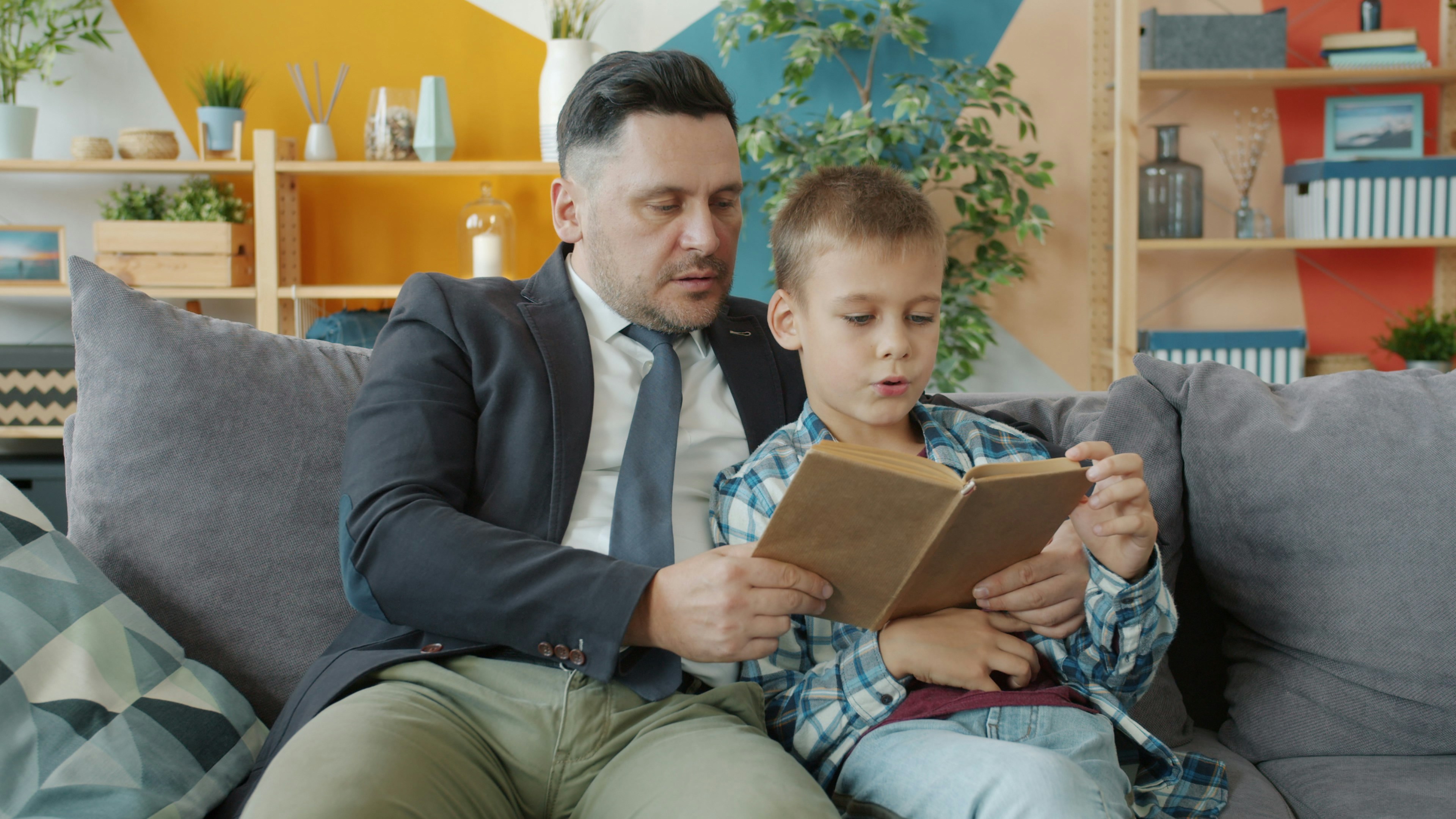
This image is property of images.unsplash.com.
Parental Concern and Resolution
This heading explains how the parents initially react and how a solution is negotiated, providing a realistic and reassuring conclusion. It models communication, compromise, and sensible boundaries.
Mom and Dad are understandably worried about crumbs, chewed items, and the idea of a mouse in the house, but they agree to let Squeaky stay after Max promises to behave and follow rules. The resolution balances safety and compassion, showing children how agreements and responsibilities can lead to happy outcomes.
Themes and Messages
This section breaks down the central lessons of the story so readers and caregivers can pull gentle morals from the plot. It includes kindness, empathy, and the joy of unexpected friendships.
The tale emphasizes that small acts of kindness—like offering a crumb—can lead to meaningful connections. It also teaches that empathy for creatures of all sizes and patient listening are important life skills.
How the Story Teaches Kindness
This area explains specific moments in the story that illustrate kindness and how parents can emphasize them during reading. It offers quick cues for narration that highlight the moral.
Examples include Max offering food respectfully, Squeaky responding politely, and the family negotiating rules instead of reacting with anger. Parents can pause and ask readers how Max might feel or what they would do, reinforcing empathy.

This image is property of images.unsplash.com.
Humor and Comfort: A Gentle Balance
This section describes how the story mixes comedic moments with a calming tone to keep bedtime atmosphere light and reassuring. It provides suggestions for silly voices or small dramatics that enhance the reading experience.
Comedic bits—such as Squeaky mistaking a slipper for a cottage—are kept gentle and playful, ensuring laughter without alarm. The comforting elements come from the warm setting, parental care, and the predictable bedtime routine that closes each night.
Suggested Read-Aloud Tips
This segment provides practical suggestions for parents who want to bring extra warmth and humor to bedtime reading. Tips help adjust pacing and voice to match children’s needs.
Suggestions include using a softer voice for the nighttime scenes, a lively squeak voice for Squeaky, and a slow, satisfied cadence for the final lines. These small acting choices make the story memorable and cozy.
Happy Ending
This section reassures readers that the tale ends well, underlining the positive outcomes and emotional rewards. It creates closure and reinforces the story’s message.
The family embraces Squeaky as a tiny, supervised friend after seeing how responsible Max is. Nights are cozy, laughter is hushed, and bedtime becomes a ritual that includes an extra giggle for the mouse who prefers cookies.
Ten Kid-Friendly Fun Facts About Mice
This list adds educational value with interesting, safe facts about mice that are easy for children to understand and enjoy. The facts are chosen to be positive, fascinating, and suitable for bedtime learning.
| # | Fact | Short Explanation |
|---|---|---|
| 1 | Great Hearing | Mice have excellent hearing and can detect tiny sounds, which is why Squeaky noticed Max’s flashlight first. |
| 2 | Super Agility | Mice can climb and jump really well, helping them explore nooks and crannies around houses. |
| 3 | Chewing Helpers | Mice have teeth that grow constantly, so they chew to keep them neat—think of it as tiny tooth maintenance. |
| 4 | Big Families | Some mice can have many babies, often called pups, which is why families watch crumbs carefully. |
| 5 | Clean Creatures | Mice groom themselves frequently, so they are often surprisingly tidy for their size. |
| 6 | Clever Problem Solvers | Mice can figure out mazes and puzzles, showing they are smart and curious creatures. |
| 7 | Nose for Smells | Mice use smell a lot to find food and friends, which is how Squeaky probably found the cookie crumb. |
| 8 | Nighttime Friends | Many mice are most active at night, so quiet nights are when they tend to visit. |
| 9 | Tiny Communicators | Mice make lots of sounds, including squeaks and chirps, to talk to one another. |
| 10 | Small but Strong | Despite their size, mice can carry bits of food and fabric much bigger than themselves. |
These facts can prompt short conversations before lights-out and encourage curiosity about animals with minimal fuss.
Educational Follow-Up: Comprehension and Discussion Questions
This section lists questions parents can ask to reinforce understanding and empathy after reading the story. The questions are simple, open-ended, and designed to spark gentle conversation before sleep.
- Why was Max curious when he heard the tap-tap and the squeak?
- How did Max show kindness to Squeaky at their first meeting?
- What rules did Max’s parents want, and why were those rules important?
- How did Squeaky help Max learn to be patient and kind?
- What might Max do if Squeaky chews something he shouldn’t?
- Can small creatures teach big lessons? How does this story show that?
- What would the child reader name a tiny visitor and why?
- Which fun mouse fact surprised the child the most and why?
- What are some safe ways to be kind to animals around the house?
- How did the family feel at the end of the story, and what made them feel that way?
These questions help kids think about responsibility, empathy, and practical problem-solving while keeping the conversation light and reflective.
Activities and Extension Ideas
This section gives playful, short activities to extend the story’s learning in creative ways that are perfect for pre-bedtime calm crafts. Activities are designed to be quick, safe, and fun.
Ideas include creating a small cardboard “mouse home” from a shoebox, drawing a picture of Squeaky’s favorite snack, or making a polite “Mouse Welcome” sign with crayons. Another gentle activity is role-playing how to ask politely if a mouse may stay, using soft voices and imaginative props.
Safety and Hygiene Notes for Parents
This heading offers a few practical reminders for adults about cleanliness and safety if a real mouse is suspected in the home. It keeps the tone calm and helpful rather than alarmist.
Parents should check for signs like small droppings, chewed items, or nests and handle any concerns using humane and safe methods. It is best to keep food sealed, clean up crumbs, and consult humane pest control options if necessary while prioritizing kindness and safety.
Why This Story Works for Bedtime
This section summarizes why the narrative and tone are effective for sleepy readers, focusing on warmth, predictability, and gentle humor. It explains how the structure helps children settle down.
The story combines the quiet intrigue of a small mystery with the comfort of family agreements and a predictable night routine. Humor is subtle and sweet, ensuring smiles without overstimulation, and the short rituals create a natural path toward sleep.
Tips for Tailoring the Story
This short guide helps readers customize the tale to fit different ages and preferences, including ways to shorten or lengthen scenes. It helps caregivers adapt pacing for each child.
Suggestions include reading the short version for very young listeners or the detailed version for older children who enjoy extra description. Parents can also skip or expand silly moments depending on whether the child prefers calm or comedic energy before bed.
This final section reiterates that the story is suitable for children and provides proper credit to the author and curator of the posting. It makes the article easy to cite and share.
Story posted/updated by Rubeena Kanwal; suitable for children and bedtime reading. The tale aims to leave children smiling, parents relieved, and the house quietly full of tiny, responsible friends.
This piece is designed to be read aloud with a warm voice, a few playful sound effects, and plenty of pauses for sleepy imaginations. It balances humor and tenderness, gives practical takeaways for parents, and includes extras like fun facts and questions to make bedtime both educational and cozy.
Visit us again for more great books reading and recommendations at: https://booksforminds.com/