Winnie the Pooh Bedtime Story: 7 Gentle Hundred Acre Wood Tales for Sleep
Introduction: what readers want from a Winnie the Pooh bedtime story
A Winnie the Pooh bedtime story is something parents and caregivers usually reach for at a very specific hour. The lights are lower. The room is quieter. A child is tired, but not always willing to admit it. In that moment, families want a story that feels safe, familiar, and soft around the edges. They are not looking for a loud adventure with cliffhangers and chaos. They want a bedtime story that settles the body and reassures the mind.
That is exactly why the world of Pooh works so well at night. The Hundred Acre Wood is never in a hurry. Its problems are modest. Its friends are recognizable. A search for honey. A visit with Piglet. A quiet worry. A small misunderstanding. Then the gentle reassurance that everything is all right again. These are bedtime-sized feelings in bedtime-sized stories.
This guide is built to help parents use that softness well. You will find reading techniques, story templates, practical routines, calming activities, and ideas for adapting Pooh-inspired bedtime reading across different ages. For more classic and family-friendly reading ideas, you can also explore bedtime stories as part of a larger nightly routine.
Why This Winnie the Pooh Bedtime Story Style Soothes Children
The world of Pooh is especially effective at bedtime because it is small, familiar, and emotionally manageable. Nothing in it feels too sharp. Even when a character is worried, the worry stays close to home. Even when something goes wrong, the story rarely feels out of control. That emotional steadiness matters a great deal when a child is trying to wind down.
The Hundred Acre Wood Feels Safe
Children respond well to places that feel knowable. The Hundred Acre Wood is one of those places. It has trees, pathways, houses, little hills, and repeated locations that feel easy to picture. When a setting feels consistent, children do not have to spend energy figuring out whether the world itself is dangerous. They can simply listen.
The Problems Are Small and Resolvable
Pooh stories tend to revolve around modest concerns. A missing tail. Too much bouncing. A little fear of being alone. A desire for honey. These are not giant conflicts. They are the sorts of things young children understand intuitively. Because the stakes are low, bedtime reading stays emotionally comfortable.
The Characters Balance Each Other
Each character offers a different emotional tone, and that makes the stories flexible for bedtime. Pooh is steady and simple. Piglet brings gentle vulnerability. Eeyore is predictable and dry. Rabbit likes order. Kanga brings warmth. Roo brings lightness. Tigger can be funny, but should be used carefully at night unless softened by a quieter scene. Together, these personalities create a world that feels alive without feeling overstimulating.
Pooh Bedtime Stories for Kids: Why the Characters Work So Well
Pooh: calm curiosity
Pooh is ideal for bedtime because he tends to move through the world slowly. He is interested in simple things. He notices food, weather, thoughts, and friendship. Read gently, Pooh becomes a perfect bedtime companion because his pace naturally slows the room.
Piglet: small bravery
Piglet is especially helpful for anxious children. He worries, but he still participates. He shows that fear can exist alongside comfort and friendship. A child who feels nervous at night may recognize something of themselves in Piglet and feel less alone because of it.
Eeyore: predictability and steady mood
Eeyore is often useful at bedtime because he speaks slowly and never surprises the room with too much emotional speed. His sadness is never chaotic. It is familiar, low, and often gently funny. That predictability can feel grounding.
Kanga and Roo: warmth and reassurance
Kanga brings the kind of comfort bedtime stories need most: practical tenderness. Roo adds enough playfulness to keep a story warm without making it noisy. Together, they often create the most sleep-friendly emotional tone in the whole cast.
Rabbit and Owl: structure and explanation
Rabbit’s love of order and Owl’s slow explanations can be surprisingly calming if read softly. They help create a sense that the world makes sense, even when it is silly.
Tigger: best used in small doses
Tigger is delightful, but bedtime does not always need his full daytime energy. If you use Tigger at night, it helps to place him in a quieter scene or let another character steady him. That way, the child enjoys the humor without getting revved up again.
Reading Techniques for a Calm Winnie the Pooh Bedtime Story
Even the right story can miss the bedtime mood if it is read too brightly or too quickly. The way the story is told matters almost as much as the story itself. A calm read-aloud style can transform a simple scene into a strong sleep cue.
1. Lower the room before you lower the voice
Dim lights, remove obvious distractions, and settle physically before opening the book. Children often read the room faster than they read the story. If the room feels calm, the story lands more easily.
2. Read more slowly than usual
Bedtime reading is not performance reading. It should be a little slower than daytime speech. Leave pauses after commas, after repeated lines, and after gentle images. Those pauses give the child’s imagination time to soften into the story.
3. Keep the voices quiet, not flat
Different character voices can help, but they should remain gentle. Pooh can sound warm and thoughtful. Piglet can be a little tentative. Eeyore can sound low and steady. Tigger, if used, can sound amused without becoming loud.
4. Use a consistent closing line
One of the strongest bedtime tools is a repeated final phrase. Something like “and the Wood watched over them” or “and everyone grew quiet together” can become a powerful signal over time. Repetition turns the closing line into part of the routine.
5. Pause for a snuggle or a breath
After a paragraph or two, a brief pause to tuck in a blanket, squeeze a hand, or take one slow breath can deepen the calming effect. The story should feel connected to the body, not only to the ear.
A 7-Step Pooh Bedtime Reading Script for Parents
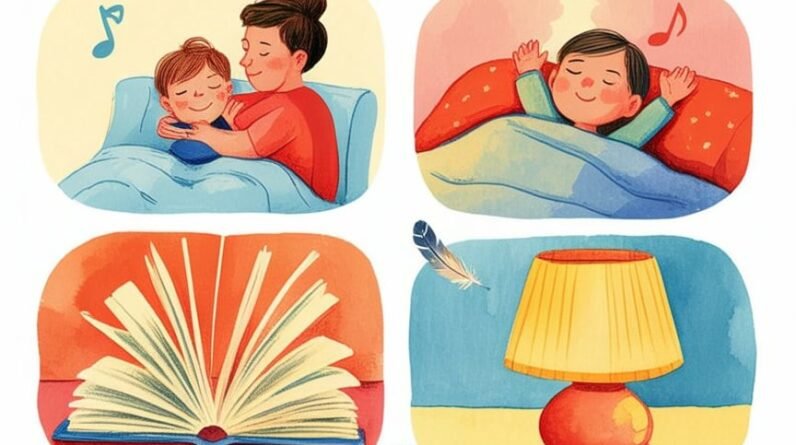
- Dim the lights and make the room warm and low-stimulation.
- Choose a short scene rather than a long chapter if the child is already tired.
- Name the setting softly, such as “Tonight we are in the Hundred Acre Wood.”
- Read 10–20% slower than your normal talking speed.
- Pause once or twice for a breath, cuddle, or blanket tuck.
- End on one reassuring line that you can reuse tomorrow night.
- Leave a moment of silence after the story before moving on.
This script works because it helps the child predict the emotional shape of bedtime. Predictability is often more calming than novelty when the day is ending.
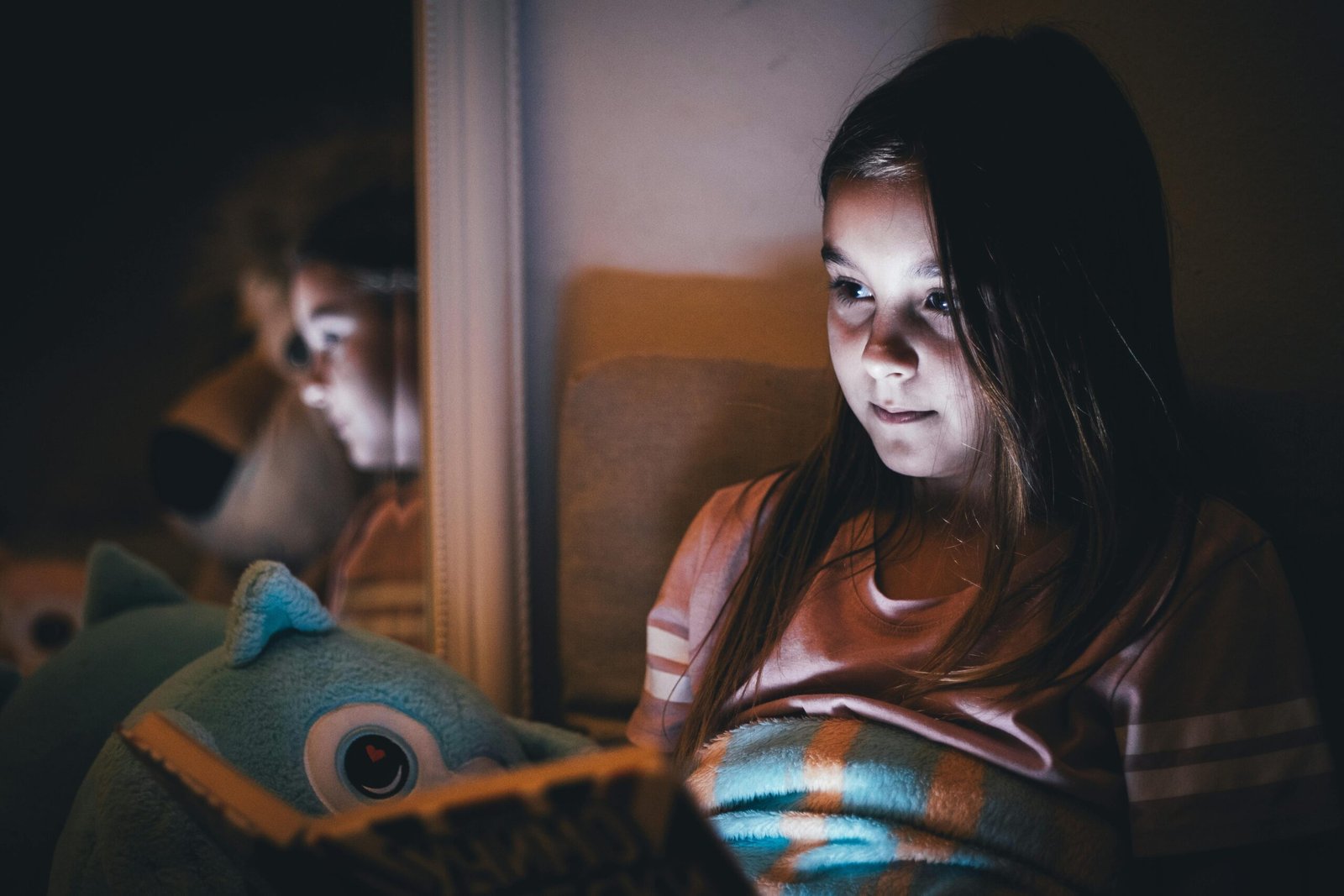
Top Winnie the Pooh Bedtime Story Picks and Best Editions for Night Reading
Not every Pooh-format book serves the same bedtime purpose. Some work better for toddlers, some for preschoolers, and some for early elementary children who can follow a longer arc.
1. Classic story collections
The original story collections are best for families who enjoy chapter-style reading or slightly longer episodes. They are especially good for children ages 4 to 8 who can stay with a narrative for longer than a picture-book spread.
2. Illustrated anthologies
For younger children, shorter anthologies or picture-led editions work beautifully because they allow the adult to slow down, point, and simplify. These are often the easiest way to build a nightly habit.
3. Board-book style selections
For babies and toddlers, short board-book versions are often the best practical choice. They are durable, tactile, and naturally brief, which keeps bedtime from dragging on too long.
4. Audiobook excerpts
Measured audiobook narrations can be helpful for nights when hands-free support is needed, but they work best when the narrator stays calm and the listening time is kept short. Audio is usually strongest as a supplement to a parent routine, not a full replacement for it.
5. Read-along video clips
Short, gentle read-along videos can be useful in certain households, but should be used with care at bedtime. Visual stimulation can wake some children up again. If you use a video, keep it short and turn off autoplay.
7 Gentle Pooh-Inspired Bedtime Tales You Can Use Tonight
The following short story starters are original bedtime pieces inspired by the emotional atmosphere families often seek in Pooh-style reading. They are designed to feel calm, familiar, and easy to adapt.
1. Pooh and the Very Last Drop of Honey
Pooh found that there was only one last drop of honey in the jar. He looked inside carefully, then looked again just in case the honey was shy. Piglet said perhaps the best thing to do with the last drop was not to worry about it too much. So Pooh put the jar beside his bed, said goodnight to the drop, and fell asleep dreaming of a breakfast that had no need to hurry.
2. Piglet Hears a Small Sound
Piglet heard a rustle outside his door and stood very still in bed. It sounded like something small, but night can make even small things feel important. He went to Pooh, and together they listened. The sound, it turned out, was only a leaf brushing the fence. Piglet said he was glad it had not been anything larger than a leaf, and Pooh agreed that leaves were just the right size for bedtime.
3. Eeyore and the Blanket Hill
Eeyore discovered that his blanket had slid off the bed and made a sort of hill on the floor. He looked at it for some time and decided that it was a very determined blanket. Pooh helped lift it back into place. Eeyore said that if blankets were going to wander, at least this one had not gone very far. Then everyone agreed that bedtime was easier when blankets stayed exactly where they belonged.
4. Roo Counts the Quiet Stars
Roo wanted to count all the stars before sleeping, but Kanga told him that stars do not mind if they are counted slowly. So Roo counted one, then another, and then forgot whether he was on five or six. Kanga said the stars would still be there tomorrow, and that seemed fair. Roo slept before he reached ten, which the stars did not mind at all.
5. Rabbit Makes a Bedtime Plan
Rabbit announced that bedtime ought to be more organized. First, there would be pajamas. Then there would be a yawn. Then there would be exactly one story and no extra bouncing. Tigger said that one could not always schedule a bounce, but Rabbit said one could certainly try. In the end, even Tigger grew quiet enough to listen, and Rabbit felt rather pleased that his plan had worked almost exactly.
6. Owl Explains the Night
Owl explained, at some length, that nighttime was a perfectly respectable part of the day and not at all something to fuss over. The trees kept standing. The moon kept watching. Even the breeze seemed to know how to move more slowly. By the time Owl had finished explaining, everyone felt much too calm to argue with him, which Owl considered a point in favor of explanation.
7. Kanga Says Goodnight to the Wood
Kanga tucked Roo in and looked out the window. She said goodnight to the path, goodnight to the tree, goodnight to the hill, and goodnight to the sky. Roo asked if all those things could hear her. Kanga said that perhaps they could not, but it was still a nice thing to do. Then the room became very quiet, and quiet itself seemed to say goodnight back.
Interactive Activities and Multimedia Ideas for a Winnie the Pooh Bedtime Story
Some children settle even better when the story is paired with one tiny physical or sensory cue. The key is to keep the activity gentle and short.
Soft toy tuck-in
Let the child tuck in a stuffed bear before the story begins. This creates a small ritual of care and prepares the body for stillness.
Honey jar touch cue
A tiny wooden jar, toy pot, or even a soft pretend cup can be used as a tactile anchor during Pooh scenes. The child holds it for one short paragraph, then sets it beside the bed.
Three-question whisper ritual
After the story, ask three quiet questions: What felt kind today? What made you smile? What do you want to dream about? Keep answers short and whispered.
One-minute drawing
For children who still need a transition, a quick sketch of a tree, jar, star, or bear can help complete the emotional arc before lights out. Keep the colors soft and the activity brief.
Story dice or character choice
Offer the child one choice before the story: Pooh, Piglet, Roo, or Eeyore. This creates a sense of agency without adding too much excitement.
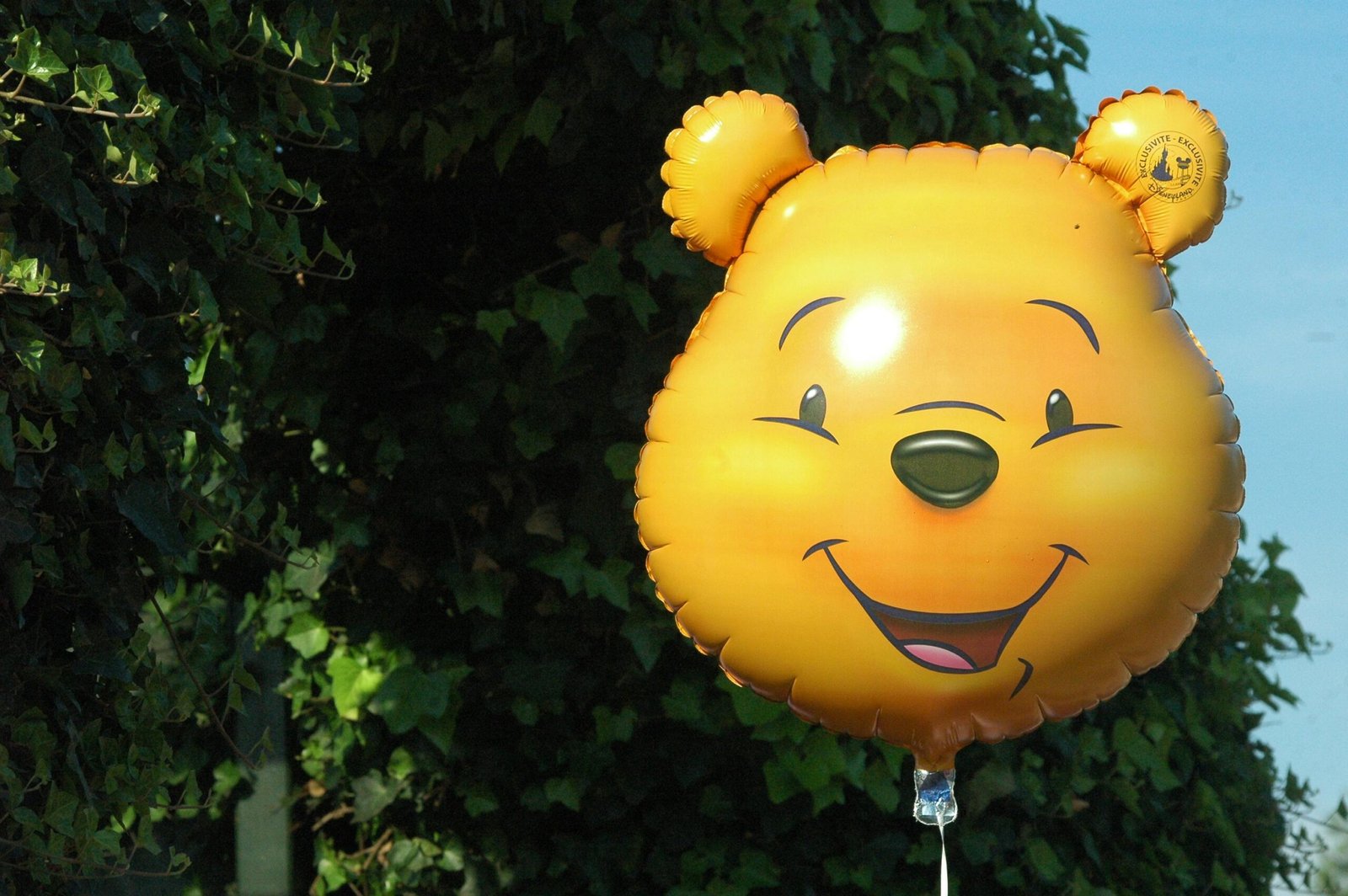
Parenting Tips, Bedtime Rituals, and Why Read-Aloud Routines Matter
A bedtime story works best when it is part of a broader bedtime rhythm. The story alone can help, but the combination of environment, timing, voice, and repetition usually matters most.
Keep bedtime steps consistent
A child is more likely to settle when bedtime follows a stable order: low lights, pajamas, one short story, a final phrase, then quiet. Predictability reduces resistance because the child no longer needs to wonder what is coming next.
Reduce bright stimulation before the story
Screen light, loud play, or highly stimulating content just before the story can make it much harder for the child to respond to a calm reading voice. Even twenty to thirty quiet minutes before reading can make a difference.
Use the same cue phrase nightly
One line repeated every night can become an emotional shortcut into sleep readiness. It does not have to be elaborate. “The Wood keeps watch,” or “The stars stay near,” is enough if it is used consistently.
Track what helps
If bedtime is difficult, try the same reading script for one to two weeks and note how long sleep takes, how often the child gets up, and which scenes seem most effective. Small patterns often show up quickly.
Cultural Variations and Global Bedtime Adaptations
Pooh stories travel well because their emotional core is simple. Different languages and family traditions may change the phrasing or tone, but the gentle structure remains strong.
Some families prefer song before story
In some homes, the story comes after a lullaby. In others, it comes before. What matters most is consistency, not the exact order.
Translated versions may feel even softer
Some translations render the dialogue with more politeness or more lyricism, which can make the bedtime tone even more soothing. Families in multilingual homes often find repeated lines especially useful for building comfort across languages.
Borrow calming rituals from family tradition
A warm drink, a whispered blessing, a poem, a quiet stretch, or a goodnight to the room can pair beautifully with a Pooh-inspired bedtime story. The stories are flexible enough to sit comfortably inside many bedtime traditions.
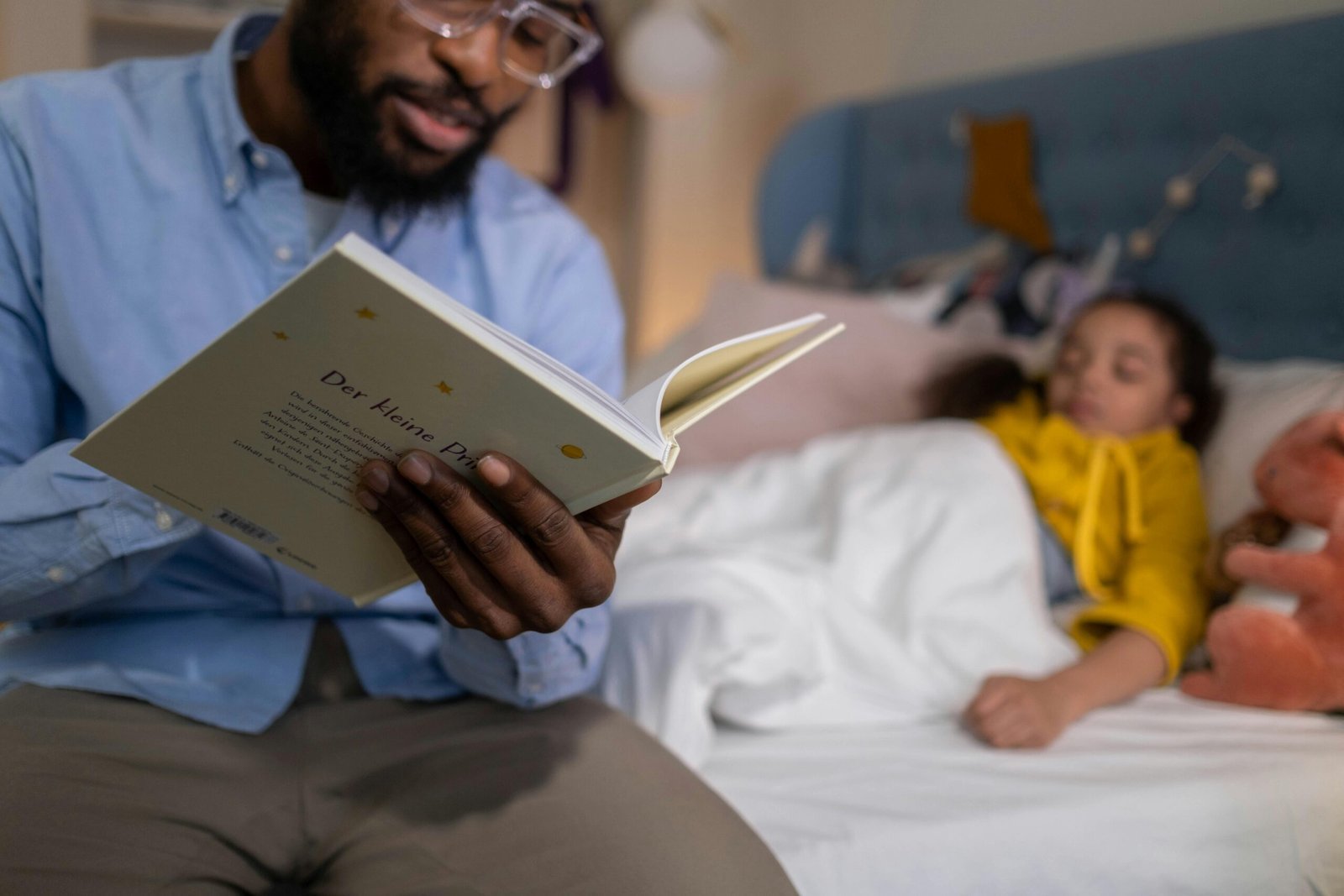
Custom Pooh-Inspired Story Templates for Parents
One of the easiest ways to make bedtime feel special is to place your child gently inside a familiar story shape. These templates are simple enough to personalize in under a minute.
For anxious children
[Child’s name] and Piglet heard a small sound. They held hands and listened together. It was only the wind in the leaves, and the leaves sounded sleepy too.
For children who resist bedtime
[Child’s name] told Pooh they were not tired at all. Pooh nodded and suggested lying down just to think about honey for a moment. Somehow, while thinking about honey, the eyes got heavier and heavier.
For children who need comfort
Kanga tucked [child’s name] in and said the room was safe, the night was gentle, and the stars were not in a hurry. That seemed like a good arrangement, so everyone grew quiet together.
What to Read After a Winnie the Pooh Bedtime Story
If your child enjoys this style of bedtime story, other books with similar softness may work well too. Look for short episodic stories, gentle humor, steady friendships, and non-chaotic illustrations.
- Little Bear for warmth and simplicity
- Frog and Toad for calm friendship stories
- Owl Babies for reassurance
- Goodnight Moon for rhythm and repetition
- Time for Bed for a lullaby-like tone
- Beatrix Potter tales for short pastoral scenes
FAQ — Quick Answers for Parents About the Winnie the Pooh Bedtime Story
1. Is Winnie the Pooh good for bedtime?
Yes, a Winnie the Pooh bedtime story is very well suited to bedtime because the stories are gentle, familiar, and low in emotional intensity. The Hundred Acre Wood feels safe, the problems are small, and the endings usually settle softly. That combination makes it easier for children to listen, relax, and move toward sleep without overstimulation.
2. How long should a Pooh bedtime story be?
For toddlers, a short scene or board-book version of about 5 to 10 minutes is usually enough. Preschoolers may enjoy 10 to 15 minutes, while older children can sometimes handle longer chapter-style reading. The best length is the one that leaves the child calm and drowsy rather than engaged in another round of bedtime negotiation.
3. Which Pooh character is best for anxious kids?
Piglet and Pooh are often the best choices for anxious children. Piglet models small bravery and gentle reassurance, while Pooh brings steady, unhurried calm. Scenes involving Kanga can also be especially comforting because they carry a strong sense of warmth, care, and bedtime safety without becoming overly sentimental or intense.
4. Can I use Disney adaptations at bedtime?
Yes, Disney adaptations can work at bedtime if you choose quiet segments and avoid fast, bright, or overly musical scenes. Many families do well with short read-along clips or gentle storybook-style adaptations. The key is keeping the pacing calm and preventing autoplay or extra stimulation once the bedtime story is finished.
5. How can I make a custom Pooh bedtime story for my child?
The easiest way is to place your child into a short Hundred Acre Wood scene using their name, favorite toy, and one calm emotional theme. Give them a small problem, a gentle helper like Pooh or Piglet, and a repeated closing line. Reusing the same custom story for several nights often helps bedtime feel more secure and predictable.
6. Should I use print books or audiobooks for bedtime?
Both can work, but they serve slightly different purposes. Print books usually support stronger connection because the child sees the adult, hears the voice directly, and shares the physical page. Audiobooks can be helpful for occasional support or hands-free evenings, but a calm shared read-aloud is usually the strongest option for bedtime bonding.
Key Takeaways
- Use short, predictable Pooh scenes to create a calm bedtime rhythm.
- Read more slowly than usual and end with the same reassuring phrase each night.
- Piglet, Pooh, Kanga, and Roo are especially useful for sleep-friendly storytelling.
- One small tactile cue, such as a stuffed bear or blanket tuck, can deepen the bedtime ritual.
- Consistency matters more than performance — one gentle story told the same way can change bedtime noticeably over time.