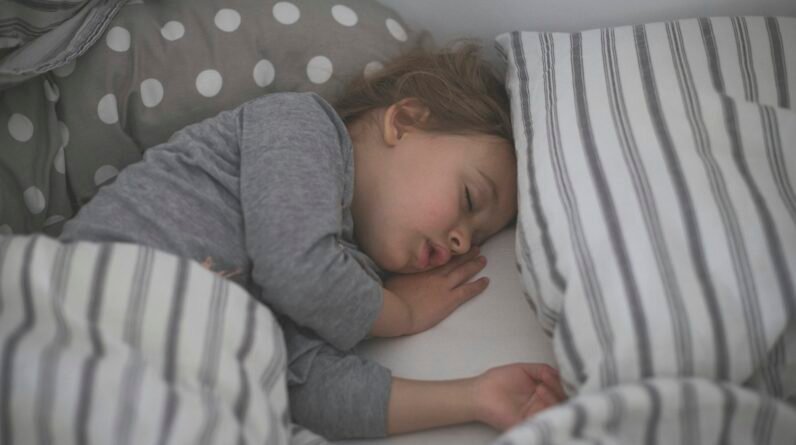
How to Handle Bedtime After a Family Move: Practical Tips That Work
How to handle bedtime after a family move starts with restoring familiarity. A new home can feel exciting during the day but unsettling at night. Children may suddenly resist bedtime, wake more often, ask to sleep with parents, or feel anxious in a room that does not yet feel like theirs.
Quick Answer: To handle bedtime after a family move, keep the same bedtime routine, recreate familiar sleep cues, set up the child’s room first, use comfort items, reduce light and noise, and follow a 14-night reset plan before making major changes.
Moving to a new home is an exciting milestone, but it can also be overwhelming for young children. A bedroom that felt safe yesterday has been replaced with unfamiliar sounds, different shadows, and new routines. It’s completely normal if bedtime suddenly becomes more difficult after a move. With patience, familiar routines, and a few simple strategies, you can help your child feel secure and make the new house feel like home.
Sleep disruption after moving is common because children lose familiar cues: the old room, old sounds, old light patterns, and the emotional security of a known space. The solution is not forcing sleep immediately. The solution is rebuilding safety, rhythm, and predictability.
This guide will help you:
- Settle bedtime after moving house
- Reduce night wakings in a new home
- Help children feel safe in a new bedroom
- Create a calm bedtime routine after relocation
- Use age-specific bedtime scripts
- Handle bedtime anxiety after moving
- Follow a 14-night sleep reset plan
For more bedtime support, visit our bedtime challenges guide.

Image source: Pexels
Why Bedtime Gets Hard After a Family Move
A move changes more than the address. It changes the child’s sleep environment, daily rhythm, emotional security, and sense of control.
After a family move, bedtime may become harder because of:
- A new bedroom that feels unfamiliar
- Different hallway sounds or outdoor noise
- Different light from windows or doors
- Unpacked boxes and clutter
- Emotional stress from leaving the old home
- Different routines during moving week
- Overtiredness from busy move days
- Separation anxiety in the new space
Children often process change at bedtime because the day becomes quiet and their emotions catch up. If your child seems suddenly clingy, scared, or resistant, it does not mean your routine has failed. It means they need familiar cues restored.
Helpful guide: how to make bedtime feel safe.
Quick 7-Step Plan for the First 14 Nights
Use this plan as your starting point. Keep it simple and repeat it every night for two weeks.
- Set one lights-out time: Keep bedtime close to the old routine.
- Unpack the bedtime essentials first: Lovey, blanket, pajamas, nightlight, white noise, and favorite book.
- Recreate familiar sleep cues: Same song, same story, same phrase, same order.
- Make the room feel safe: Dim light, clear floor, comfort item nearby.
- Use a short reassurance script: Repeat the same calm words nightly.
- Track sleep for 14 nights: Note bedtime, wake-ups, and what helped.
- Adjust slowly: Move bedtime by only 10–15 minutes every few nights if needed.
If bedtime has become a nightly argument, also read how to stop bedtime negotiations.
Prepare Before the Move to Protect Bedtime
The best bedtime reset begins before moving day. Even small preparation can make the new room feel less strange.
Pack a Bedtime Essentials Box
Label one box clearly and keep it with you, not buried in the moving van.
| Item | Why It Helps |
|---|---|
| Favorite blanket or lovey | Provides familiar comfort |
| Usual bedtime book | Restores routine |
| Nightlight | Makes the new room feel safer |
| White-noise machine | Masks unfamiliar sounds |
| Familiar pajamas | Adds sensory comfort |
| Parent-scented T-shirt | Helps with separation anxiety |
| Small lamp | Creates soft bedtime lighting |
Talk About the New Bedroom Early
Children need time to imagine the change. Keep the message simple and reassuring.
- Ages 2–4: “Your blanket and bedtime story are coming to the new house too.”
- Ages 5–8: “You can help choose where your bed and books go.”
- Ages 9–12: “Your bedtime will stay steady while we settle in.”
- Teens: “We’ll give you privacy, but we still need a healthy sleep plan.”
For more structure, use a bedtime routine that actually works.
What to Do on Moving Day
Moving day is usually overstimulating. Children may skip naps, eat differently, hear new sounds, and feel the stress of adults around them.
Moving-Day Sleep Priorities
- Keep meals and naps as close to normal as possible
- Set up the child’s sleep space before unpacking less urgent items
- Use the same pajamas, book, song, and comfort item
- Avoid exciting room tours right before bed
- Dim lights early
- Keep bedtime short, calm, and familiar
If You Arrive Late
If you arrive at the new home late in the evening, do not aim for a perfect routine. Aim for a familiar routine.
Use this 20-minute version:
- Pajamas
- Bathroom
- One short book
- Comfort item
- White noise or soft music
- Same goodnight phrase
The first night is about emotional safety, not perfection.
How to Set Up the New Bedroom for Better Sleep
The bedroom should be one of the first spaces you make functional. Children often sleep better when the room feels settled, even if the rest of the home is still full of boxes.
Fast Bedroom Setup Checklist
- Make the bed first
- Place the comfort item on the pillow
- Set up the nightlight
- Use blackout curtains or temporary window covering
- Start white noise before lights out
- Clear the walking path
- Keep boxes away from the bed if possible
- Use familiar bedding for the first week
White noise can help mask unfamiliar house sounds. Helpful guide: how to use white noise for better bedtime.

Image source: Pexels
How to Make the New Room Feel Safe
A new room may feel strange because it smells, sounds, and looks different. Safety cues help the child’s brain understand that this is now a restful place.
Use Familiar Cues
- Same bedtime story
- Same lullaby
- Same nightlight
- Same blanket
- Same goodnight phrase
- Same bedtime order
Use a One-Time Safety Check
Some children need reassurance that the new room is safe. Do one calm check before lights out.
- Window is closed
- Door is how the child prefers it
- Nightlight is on
- Bathroom path is clear
- Comfort item is in bed
Then say:
“We checked your room. It is safe and ready for sleep.”
Avoid repeating the check many times because it can increase anxiety.
Use Bedtime Stories to Create Familiarity
Reading the same calming bedtime story each evening helps children associate the new bedroom with comfort rather than uncertainty. Familiar stories become reassuring bedtime cues that signal safety, connection, and rest.
- Bedtime Stories for Kids
- Gentle Bedtime Stories for Kids
- Animal Bedtime Stories
- Magical Bedtime Stories
Age-Specific Bedtime Strategies After a Move
Infants
Infants need feeding, nap, and sleep cues to stay as consistent as possible. Keep the sleep surface safe, familiar, and uncluttered. Use the same sleep sack, sound cue, and feeding rhythm where possible.
Toddlers
Toddlers need simple repetition. Keep the bedtime phrase short.
Example:
“New room, same bedtime. Blanket, story, song, sleep.”
If your toddler fights bedtime after the move, read why toddlers fight bedtime.
Preschoolers
Preschoolers may worry about shadows, noises, or being alone. Give limited choices:
- “Do you want the star nightlight or the moon nightlight?”
- “Do you want this book or that book?”
- “Do you want the door open a little or halfway?”
Choices help children feel control without changing the bedtime boundary.
School-Age Children
School-age children can help set up their room. Let them choose where the book basket, lamp, or comfort item goes. Use a simple 14-night sleep chart to track progress.
Teens
Teens may be emotionally affected by a move but show it as irritability or resistance. Respect privacy while keeping sleep expectations clear.
Try:
- Consistent wake time
- Device curfew
- Low lighting before bed
- Room setup autonomy
- Calm check-ins instead of lectures
How to Handle Separation Anxiety After Moving
Separation anxiety can increase after a family move because the new home does not yet feel secure. Children may ask parents to stay longer, sleep nearby, or return repeatedly.
Use Short Reassuring Scripts
- “This room is new, but you are safe.”
- “I am nearby, and I will check on you.”
- “Your blanket came with us. Your story came with us. Bedtime is the same.”
- “We are all sleeping in the same home tonight.”
Use Timed Check-Ins
If needed, check in briefly after 5–10 minutes. Keep it boring and calm.
Say:
“I’m checking like I promised. You are safe. Time to rest.”
Do not restart the full bedtime routine each time.
Helpful article: how to handle bedtime separation anxiety.
How to Avoid Overtiredness During Moving Week
Moving week is exhausting. Overtired children often become more emotional and harder to settle.
Signs Your Child Is Overtired
- Hyperactivity before bed
- Sudden crying
- Meltdowns over small things
- Clinginess
- More night wakings
- Fighting sleep
Helpful guide: signs your child is overtired at bedtime.
Prevent Overtiredness
- Protect naps where possible
- Move bedtime 15–30 minutes earlier for a few nights
- Reduce evening errands
- Avoid late unpacking in the child’s room
- Keep meals simple and predictable
- Use quiet play before bed
How to Reduce New-Home Noise and Light Problems
New homes often have unfamiliar sounds: heating systems, traffic, neighbors, creaky floors, pets, or hallway noise.
Noise Fixes
- Use white noise
- Add a rug near the bed
- Close doors softly
- Move the bed away from noisy walls
- Use soft curtains
- Avoid unpacking after bedtime
Light Fixes
- Use blackout curtains
- Add temporary window covering
- Use warm nightlights
- Keep hallway lights low
- Dim screens before bed
For extra help, read how to dim lights for better sleep in kids.

Image source: Pexels
What to Do If Your Child Refuses to Sleep in the New Room
Refusing the new room is common. Avoid turning it into a nightly battle. Instead, build confidence gradually.
Step-by-Step Plan
- Spend positive daytime moments in the room
- Read one story there before bedtime
- Let your child choose one room detail
- Use the same comfort item nightly
- Sit nearby briefly, then fade your presence
- Use short check-ins instead of staying all night
If you temporarily room-share, keep it short and planned. For example:
“For two nights, I will sit near your bed while you fall asleep. Then I will sit by the door. Then I will check from the hallway.”
14-Night Sleep Log Template
Tracking helps you see whether bedtime is improving. Copy this table into your notes.
| Night | Bedtime | Lights Out | Time to Sleep | Wake-Ups | What Helped? |
|---|---|---|---|---|---|
| 1 | |||||
| 2 | |||||
| 3 | |||||
| 4 | |||||
| 5 | |||||
| 6 | |||||
| 7 |
After 7 nights, look for patterns. If bedtime is improving, keep going. If nothing improves, change only one factor at a time.
30-Day Plan to Restore Normal Sleep After Moving
Days 1–7: Stabilize
- Use the same bedtime
- Set up the room
- Use comfort items
- Keep the routine short and familiar
- Track night wakings
Days 8–14: Reinforce
- Keep the same sleep cues
- Fade extra parental presence
- Use a reward chart if helpful
- Reduce bedtime negotiations
- Keep morning wake time consistent
Days 15–30: Optimize
- Adjust bedtime by 10–15 minutes if needed
- Improve blackout and noise control
- Support independent sleep
- Address nightmares or early waking
- Return fully to normal household routines
Common Mistakes After Moving House
- Changing everything at once: Keep bedtime familiar while the home changes.
- Unpacking late in the child’s room: This can make the room feel busy and unsafe.
- Letting bedtime drift too late: Overtiredness makes sleep harder.
- Starting new sleep rules immediately: Stabilize first, then adjust.
- Removing comfort objects too soon: Familiar items help children feel safe.
- Talking too much at bedtime: Short reassurance works better.
- Ignoring daylight and wake time: Morning rhythm helps reset sleep faster.
When to Call a Pediatrician, Sleep Consultant, or Therapist
Most sleep disruption after moving improves within a few weeks. But some signs need extra support.
Call a Pediatrician If:
- Your child snores loudly or gasps during sleep
- Sleep problems worsen after 3 weeks
- Your child has severe daytime sleepiness
- There are feeding or weight concerns
- Night terrors become frequent and intense
Consider a Child Therapist If:
- Your child shows strong anxiety about the move
- They seem withdrawn or distressed during the day
- They have repeated nightmares about the move
- School behavior changes significantly
- Fear does not improve with reassurance and routine
🌙 Free Calming Bedtime Stories
If your child is adjusting to a new home, calming bedtime stories can help restore a sense of familiarity and security. Reading together each night provides a comforting routine that supports better sleep and stronger emotional connection.
Download our FREE Calming 5-Minute Bedtime Stories for Peaceful Sleep, created especially for families with children ages 3–6.
- ✓ Gentle 5-minute bedtime stories
- ✓ Calm bedtime routine ideas
- ✓ Practical parenting guidance
- ✓ Resources for peaceful evenings
📚 Help Your Child Feel at Home at Bedtime
The Cozy Bedtime Stories Collection includes 30 calming bedtime stories, printable story collections, bedtime routine guides, and bonus parent resources to help children settle confidently into new routines and peaceful sleep.
Frequently Asked Questions(FAQ)
How long does it take kids to adjust to bedtime after a move?
Many children adjust within 1–3 weeks. Infants may settle faster if feeds and naps stay consistent, while toddlers and anxious children may need several weeks of repeated routines and reassurance.
Are night wakings normal after moving house?
Yes. Night wakings are common after a move because children are adjusting to a new room, new sounds, and new emotional cues. Consistent routines and comfort items usually help.
Should I let my child sleep with me after moving?
Temporary closeness may help during the first few nights, but it is best to keep a clear plan. If you room-share, decide how long it will last and gradually return to independent sleep.
How can I make a new bedroom feel safe?
Use familiar bedding, a favorite comfort item, warm lighting, white noise, and the same bedtime phrase every night. Let your child choose one small detail in the room.
What if my toddler refuses the new bedroom?
Spend positive daytime moments in the room, keep the routine familiar, use a comfort object, and offer short check-ins. Avoid turning the refusal into a long bedtime negotiation.
Can moving cause bedtime anxiety?
Yes. A move can create uncertainty, separation anxiety, and fear of the new environment. Predictable routines, calm scripts, and familiar sleep cues help children feel secure again.
Should bedtime stay the same after moving?
Yes, keep bedtime as close to the old schedule as possible for the first two weeks. If bedtime must change, shift it slowly by 10–15 minutes every few nights.
Key Takeaways
- Bedtime after a family move improves faster when familiar sleep cues are restored.
- Set up the child’s bedroom before focusing on less urgent unpacking.
- Use the same bedtime routine, story, comfort item, and reassurance phrase.
- Expect some night wakings during the first 1–3 weeks.
- Use a 14-night sleep log before changing the plan.
- Call a pediatrician if sleep problems worsen, breathing issues appear, or daytime functioning declines.
Related Bedtime Resources
Helping children adjust after a move often involves creating calm, consistent bedtime habits. These additional resources may also help:
- How to Stop Bedtime Negotiations
- How to Stop Bedtime Stalling
- How Overstimulation Affects Bedtime
- How to Make Bedtime Feel Safe
- Bedtime Routines for Kids
- Bedtime Stories for Kids
Every New Home Can Become a Peaceful Place to Sleep
Children rarely need a perfect bedroom to sleep well—they need a predictable routine and the reassurance that they are safe. Familiar stories, comforting bedtime rituals, and patient consistency help transform an unfamiliar house into a place where your child feels secure. As the days pass, the new sights and sounds become familiar, and bedtime gradually becomes easier again.
Conclusion
Learning how to handle bedtime after a family move is about helping your child feel safe in a new environment. The fastest way to do this is to bring familiar bedtime cues into the new home and repeat them every night.
Start tonight with three simple steps:
- Set one consistent lights-out time
- Use the bedtime essentials box
- Repeat the same reassurance phrase
A new house will feel unfamiliar at first. But with calm routines, familiar comfort items, and steady expectations, bedtime can become peaceful again.