How Bedtime Stories Help Children With Big Feelings
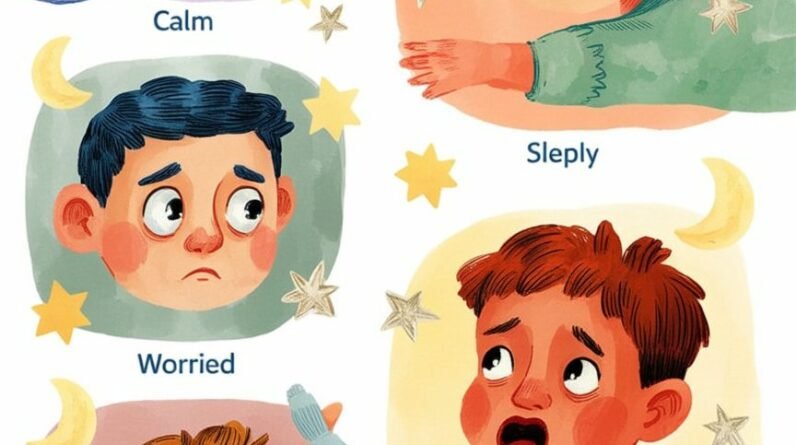
Children do not always have the words to explain what is happening inside them. After a busy day, a child may arrive at bedtime feeling frustrated, worried, disappointed, excited or simply overwhelmed. Sometimes those feelings appear as tears, questions, resistance or a sudden need for extra closeness.
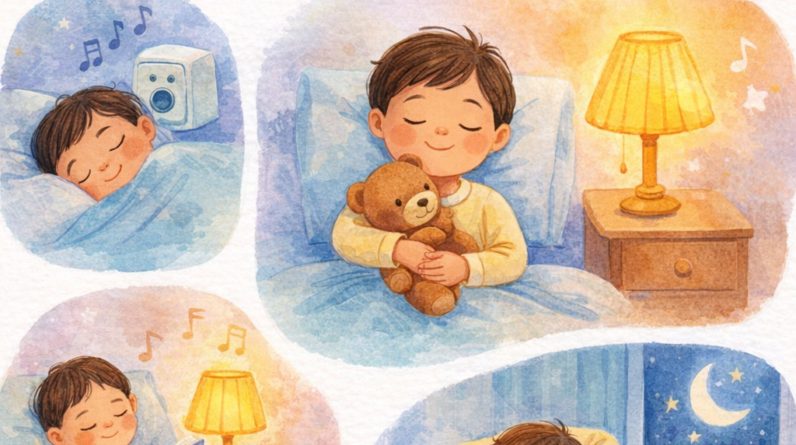
This is one reason bedtime stories for big feelings can be such a useful part of a calm evening routine. A gentle story gives a child a quiet moment to connect with a parent or caregiver while listening to characters experience manageable emotions, small challenges and reassuring endings.
A bedtime story cannot make difficult feelings disappear. Instead, it can create a calm space where children can notice emotions, hear comforting language and experience connection with a trusted adult.
In this guide, we will look at how parents and caregivers can use gentle bedtime stories to support children who are experiencing big feelings, along with practical ways to choose stories, talk about emotions and create a calmer transition toward sleep.

Key Takeaways
- Children may carry strong emotions from the day into bedtime.
- Gentle stories can give children a safe and indirect way to encounter familiar feelings.
- Stories work best as part of connection and routine rather than as a way to force a child to calm down.
- Parents can use simple emotional language while reading without turning story time into a lesson.
- Familiar characters and predictable endings can make bedtime feel more reassuring.
- Children do not have to explain their feelings immediately for a story to be useful.
- A calm bedtime story can be followed by a short cuddle, breathing pause or familiar goodnight ritual.
What Are Big Feelings?
“Big feelings” is a simple way to describe emotions that feel especially strong or difficult for a child to manage in the moment.
They might include:
- Anger or frustration.
- Sadness.
- Worry.
- Disappointment.
- Excitement.
- Jealousy.
- Fear.
- Loneliness.
- Overwhelm.
A child does not necessarily need to have experienced a major event to have strong emotions. A disagreement with a sibling, a difficult day at preschool, losing a game, being told “no” or simply being very tired can all contribute.
Big Feelings Often Appear at Bedtime
Bedtime removes many of the distractions of the day. Once the house becomes quieter, children may suddenly have more space to notice how they are feeling.
A child who seemed fine at dinner may become tearful when getting into bed.
That does not necessarily mean bedtime caused the emotion. The quieter environment may simply make the feeling more noticeable.
Why Can Stories Help With Big Feelings?
A gentle story gives children a chance to listen, imagine and connect without requiring them to explain everything happening inside them.
Stories can introduce emotional experiences in a manageable context.
A character might feel:
- Nervous about trying something new.
- Sad about saying goodbye.
- Frustrated because something did not work.
- Worried about being alone.
- Happy after receiving comfort.
- Relieved after discovering that a problem can be solved.
The child can simply listen. They do not have to identify themselves with the character or answer questions.
The Story Is Not a Test
Parents sometimes ask, “How did that character feel?” immediately after an emotional moment.
That can be useful occasionally, but it should not turn every bedtime story into a comprehension exercise.
Sometimes the most helpful thing a child can do is simply listen while sitting close to a trusted adult.

Stories Create a Moment of Connection
One of the most valuable parts of bedtime storytelling may be the connection surrounding the story.
A parent or caregiver sits nearby. The child hears a familiar voice. The pace of the evening slows down. For a few minutes, there is one shared activity rather than a series of instructions.
That combination can make story time feel different from the rest of the day.
You Do Not Need a Perfect Conversation
If your child has had a difficult day, you do not necessarily need to ask a series of questions about it.
You might simply say:
“It sounds like today was a lot. Let’s have our story and get cosy.”
That small statement acknowledges the child’s experience while allowing the evening to move toward rest.
Connection Can Be Quiet
Connection does not always require talking.
Reading slowly, sitting beside your child, holding hands or sharing a familiar story can all become quiet forms of connection.
Stories Give Children Emotional Language
Young children are still developing the vocabulary they need to describe complicated internal experiences.
A story can introduce simple words such as:
- Worried.
- Frustrated.
- Lonely.
- Excited.
- Disappointed.
- Calm.
- Safe.
- Relieved.
Parents can occasionally reflect the language naturally while reading.
“The little bear looks worried because everything feels unfamiliar.”
Or:
“The bunny was frustrated because the cosy spot was difficult to find.”
There is no need to explain every emotion. A few simple words used repeatedly can gradually become familiar.
Use Everyday Language
Children do not need complicated psychological explanations.
Simple phrases are often enough:
- “That felt frustrating.”
- “You were really disappointed.”
- “It is okay to feel worried.”
- “You can tell me when something feels difficult.”
- “Let’s slow down together.”
Children Can Explore Feelings Indirectly
One advantage of stories is that children can explore emotional situations without having to talk about themselves directly.
A character might be nervous about entering a new place. Another might miss someone. Another might feel upset because a plan changed.
Your child can simply listen.
Sometimes they may make a connection themselves:
“I felt like that today.”
If they do, listen rather than immediately trying to solve the problem.
Follow Your Child’s Lead
If your child wants to talk, give them space.
If they do not want to talk, you can let the story remain a story.
There is no need to force a personal discussion simply because an emotional theme appeared in the book.
How to Choose Bedtime Stories for Big Feelings
When your child has had an emotionally intense day, choose stories that help lower the emotional temperature rather than increase it.
Look for Gentle Emotional Themes
Good bedtime choices may include:
- Friendship.
- Comfort.
- Belonging.
- Kindness.
- Helping others.
- Finding a safe place.
- Overcoming a small worry.
- Feeling cared for.
- Preparing for sleep.
Choose Manageable Problems
A bedtime story does not need a dramatic plot.
A character looking for a cosy place, preparing for sleep, helping a friend or watching the moon can provide enough movement to hold a child’s attention without creating suspense.
Look for Reassuring Endings
For an emotionally sensitive child, the final moments of the story can be especially important.
Choose stories that end with characters feeling settled, supported, connected or ready to rest.
For more gentle choices, explore our collection of non-scary bedtime stories for kids.
How to Read When Your Child Is Emotional
The way you read can be just as important as the story itself.
Slow Your Pace
If your child is already upset or overstimulated, there is no need to rush through the story.
Read slightly more slowly and allow small pauses between paragraphs.
Use a Familiar Voice
You do not need dramatic character voices at bedtime.
A warm, steady voice can create a more predictable environment.
Let Your Child Interrupt
If your child asks a relevant question, you can answer briefly and continue.
If the interruption turns into a long conversation, gently return to the story.
“We can talk more about that tomorrow. Right now, let’s finish our story.”
Do Not Rush to Fix the Emotion
If a story reminds your child of something difficult, you do not always need to make the feeling disappear.
You can acknowledge it:
“That made you think about your day, didn’t it? I’m here with you.”
Then allow the story and routine to continue.
Simple Questions Parents Can Ask
If your child enjoys talking about stories, a few gentle questions can help introduce emotional language without turning bedtime into a long discussion.
Try:
- “How do you think the character felt?”
- “What helped the character feel better?”
- “What do you think the character needed?”
- “Which part of the story did you like?”
- “Did anything in the story remind you of something?”
You do not need to ask all of these. One simple question is enough.
Sometimes No Question Is Better
If your child is already sleepy, skip the questions.
A peaceful ending is more important than getting an emotional response.
A Gentle Bedtime Story to Share
If your child enjoys listening to narrated stories, The Sleepy Moon’s Silver Glow can become part of a familiar bedtime routine.
Parent tip: If watching a screen makes your child more alert, consider listening without actively watching the screen, or use the story as inspiration for a screen-free reading routine.
Stories for Common Bedtime Feelings
| Feeling | Story themes to look for | Helpful parent response |
|---|---|---|
| Worry | Safe places, supportive adults, gentle journeys and reassuring endings | “You can tell me when something is worrying you.” |
| Sadness | Friendship, comfort, belonging and reunions | “It is okay to feel sad. I’m here with you.” |
| Frustration | Small problems, trying again and patient characters | “That was frustrating. We can slow down.” |
| Loneliness | Companionship, kindness and finding connection | “You are not alone. I’m right here.” |
| Excitement | Quiet nature, bedtime preparation and slowing-down themes | “Your body is still excited. Let’s help it slow down.” |
| Fear | Comfort, safety, familiar surroundings and gentle resolution | “I know that felt scary. You are safe here.” |
The story theme should match the child’s emotional state without becoming a direct attempt to “fix” the feeling.

When Not to Turn Story Time Into a Conversation
Parents sometimes feel pressure to use every bedtime story as an opportunity to discuss emotions.
You do not have to.
If your child has had a difficult day, they may simply need quiet connection rather than questions.
Try reading the story, offering a cuddle and allowing the evening to become quieter.
Watch Your Child’s Signals
If your child is:
- Yawning.
- Quieting down.
- Settling physically.
- Listening without interruption.
- Closing their eyes.
There may be no reason to extend the conversation.
A simple:
“Goodnight. I’m glad we had our story together.”
may be all that is needed.
A Simple Bedtime Routine for Big-Feeling Evenings
After a particularly emotional day, keep the final part of the evening simple.
| Time | Activity | Purpose |
|---|---|---|
| 0–5 minutes | Pyjamas, bathroom and teeth | Finish practical bedtime tasks. |
| 5–8 minutes | Dim the lights and settle together | Reduce stimulation. |
| 8–15 minutes | Read one gentle bedtime story | Create connection and calm. |
| 15–17 minutes | Short cuddle or quiet pause | Allow the child to settle. |
| 17–19 minutes | Goodnight phrase | Create a familiar closing signal. |
| 19–20 minutes | Lights out and rest | Complete the transition to sleep. |
This is only a guide. The routine can be shorter or longer depending on your child’s age and needs.
Parent Checklist for Big-Feeling Bedtimes
Before starting the story, ask yourself:
- Has my child had a particularly emotional day?
- Have I allowed enough time to wind down?
- Is the room calm and comfortable?
- Have I chosen a story with gentle emotional intensity?
- Am I reading slowly enough?
- Do I need to talk, or would quiet connection be more helpful?
- Am I allowing my child to respond naturally?
- Does the story end with a reassuring image?
- Do we have a familiar closing ritual?
You do not need to use every idea every evening. The checklist is simply a reminder to keep the final part of the day calm and responsive.
When Big Feelings Need More Than a Bedtime Story
Bedtime stories can be a gentle part of a child’s routine, but they are not a treatment for significant emotional or mental health difficulties.
If your child is experiencing persistent or intense distress, ongoing anxiety, major changes in behaviour, significant sleep disruption or difficulties that are affecting everyday life, consider seeking guidance from an appropriate healthcare or child-development professional.
A story can provide comfort and connection while additional support may be needed for the underlying concern.
Frequently Asked Questions About Bedtime Stories and Big Feelings
Can bedtime stories help children with big feelings?
Gentle bedtime stories can provide connection, emotional language and calming imagery. They can become one part of a reassuring bedtime routine, although they are not a substitute for professional support when a child is experiencing significant ongoing difficulties.
What kind of bedtime stories are best for emotional children?
Look for stories with gentle emotional themes, manageable problems, supportive characters, limited suspense and reassuring endings. Familiar stories can also be comforting because children know what to expect.
Should I talk about feelings while reading?
You can occasionally name an emotion or make a simple observation, but you do not need to turn every story into a conversation. Follow your child’s lead and allow quiet listening when that is what they need.
What if my child becomes emotional during a bedtime story?
Pause and acknowledge the feeling. You might say, “That part made you think about something, didn’t it?” Then offer comfort and decide whether your child wants to continue the story or simply have a quiet cuddle.
Can the same bedtime story be read every night?
Yes. Repetition can be reassuring. A familiar story allows children to know what happens next and can become a predictable part of the bedtime routine.
Should I choose a story about the exact problem my child experienced?
Not necessarily. Sometimes a loosely related story is more comfortable because it gives the child emotional distance. Let your child’s interest guide the choice rather than trying to make every story directly match the day’s problem.
What if my child does not want to talk about their feelings?
Do not force the conversation. A child can still benefit from quiet connection and a gentle story without explaining what they are feeling.
Can bedtime stories help an angry child calm down?
A gentle story may help create a quieter transition after an emotionally intense day, especially when combined with a calm environment and connection. It is not necessary to expect the story itself to make the anger disappear.
What should I do if my child is too upset to listen to a story?
Skip the story if necessary. First focus on helping your child feel supported and settled. You can return to the normal story routine on another evening.
When should I seek professional help for my child’s big feelings?
If intense emotions are persistent, significantly affecting sleep or daily life, or causing substantial distress, consider discussing the situation with an appropriate healthcare or child-development professional.
Related Bedtime Resources
Final Thoughts
Bedtime stories for big feelings do not need to solve every emotional challenge a child experiences. Their value can be much simpler.
A gentle story creates a few quiet minutes of connection. It gives children familiar words for emotions, allows them to listen to characters experiencing manageable situations and provides a peaceful transition away from the activity of the day.
Sometimes your child will want to talk about the story. Sometimes they will simply listen. And sometimes they will be too tired to do either.
That is okay.
The most important part is the relationship surrounding the story: a trusted adult nearby, a calm voice, a familiar routine and the reassuring message that difficult feelings can be experienced without making bedtime feel frightening or overwhelming.
You do not need to fix every feeling before bedtime. Sometimes being there, slowing down and sharing a gentle story is enough for tonight.