
How to Make Bedtime Feel Safe: Practical Tips That Work
How to make bedtime feel safe starts with one simple goal: helping the body and mind feel calm enough to rest. When bedtime feels tense, scary, or unpredictable, sleep becomes harder for both children and adults. The room may be quiet, but the brain may still feel alert, worried, or unsafe.
Quick Answer: The best way to make bedtime feel safe is to create a predictable routine, reduce light and noise, use calming bedtime cues, respond gently to fear, and repeat the same steps every night. Safety at bedtime comes from consistency, reassurance, and a sleep environment that feels calm.
Every parent wants bedtime to end with a child feeling calm, secure, and ready to drift off to sleep. Yet for many families, evenings are filled with worries, repeated requests for reassurance, or fears that seem to appear as soon as the lights go out. If bedtime doesn’t feel safe, you’re not alone. The encouraging news is that children build a sense of security through small, repeated experiences, and a calm bedtime routine can become one of the most powerful ways to help them feel protected and relaxed.
Bedtime can feel unsafe for many reasons, including anxiety, fear of the dark, separation worries, sensory overload, trauma, overstimulation, or inconsistent routines. Children may ask for one more hug, one more story, or one more check because they are looking for reassurance. Adults may lie awake scanning for sounds, replaying the day, or worrying about tomorrow.
This guide gives practical steps you can use tonight to create a safer, calmer bedtime routine.
You will learn:
- Why bedtime can feel unsafe
- How to create a calm bedtime routine
- How to reduce fear, anxiety, and nighttime stress
- How to make bedrooms feel physically and emotionally safe
- Bedtime scripts for kids who feel scared
- Breathing and grounding tools for anxious thoughts
- When sleep fears may need professional help
For more support with common sleep struggles, visit our bedtime challenges guide.
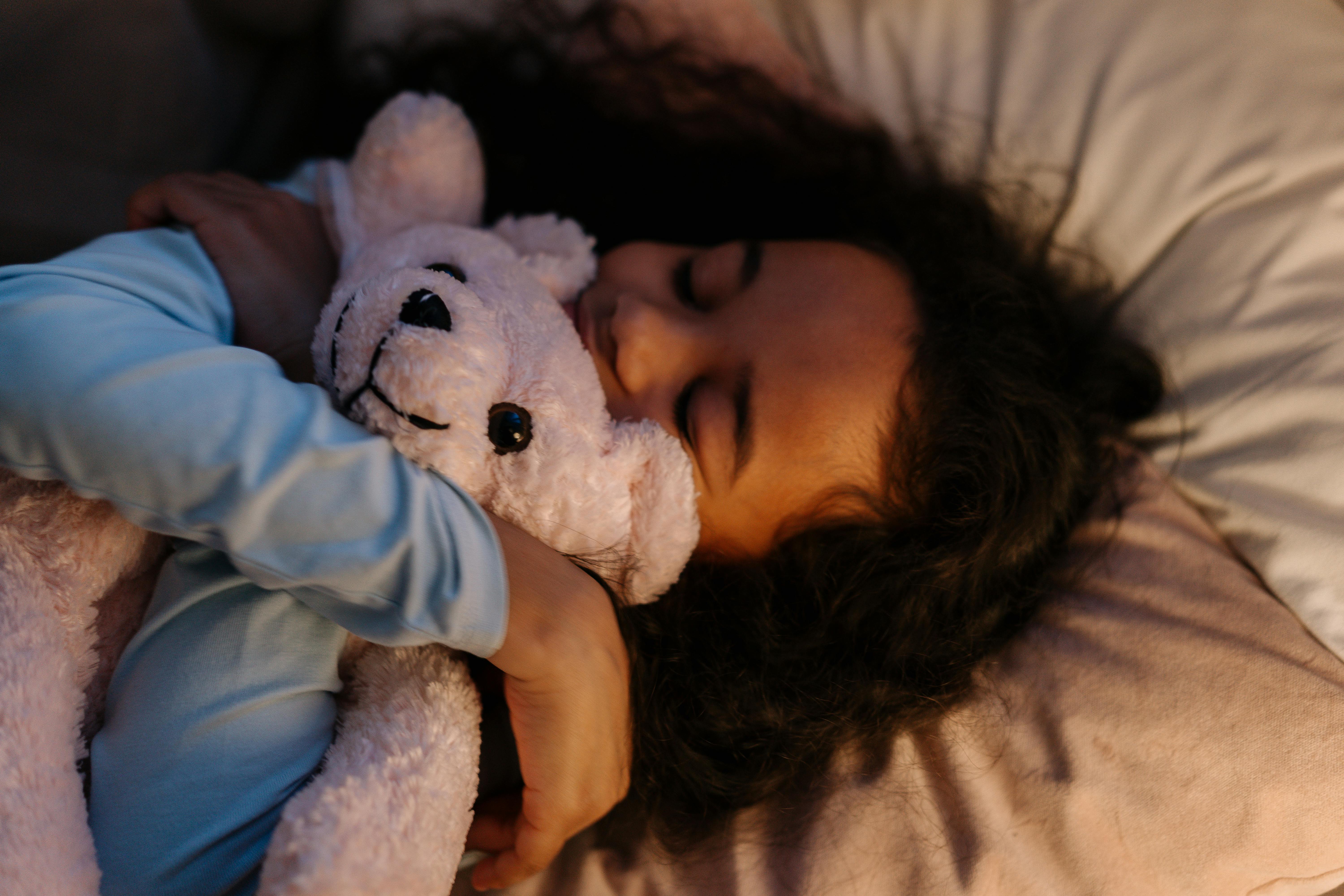
Image source: Pexels
What Does It Mean to Make Bedtime Feel Safe?
Making bedtime feel safe means creating enough physical, emotional, and sensory comfort that the body can stop preparing for danger and begin preparing for sleep.
Safe bedtime does not mean every worry disappears. It means the routine, room, and caregiver response tell the brain:
- You are protected
- You know what happens next
- The room is calm
- Your feelings are allowed
- Sleep is safe
For children, bedtime safety often comes from reassurance, routine, and connection. For adults, it may come from room checks, calming habits, reduced stimulation, and tools that lower nighttime anxiety.
Why Bedtime Can Feel Unsafe
Bedtime often feels unsafe because the brain has fewer distractions at night. Worries, fears, sounds, and body sensations can feel stronger when the house becomes quiet.
Common Reasons Bedtime Feels Unsafe
- Anxiety: Worry can increase when the day slows down.
- Fear of the dark: Children may imagine danger when visibility is reduced.
- Separation anxiety: Some children feel unsafe when a parent leaves the room.
- Overstimulation: Screens, loud play, or busy evenings can keep the nervous system alert.
- Inconsistent routines: Changing bedtime steps can make children feel unsure.
- Sensory sensitivity: Light, sound, texture, temperature, or clothing can feel overwhelming.
- Past stress or trauma: Nighttime may trigger memories, fear, or hypervigilance.
If your child struggles because bedtime feels uncertain, read how to create a calm bedtime routine.
7-Step Safety Checklist for Bedtime
Use this simple checklist every night. Repetition matters because predictable steps help the brain feel secure.
- Use the same routine: Repeat 4–6 bedtime steps in the same order.
- Do one safety check: Check doors, windows, nightlight, and comfort items once.
- Reduce stimulation: Lower lights, sound, screens, and active play.
- Add soothing cues: Use one sound, one phrase, or one comfort item nightly.
- Use calm breathing: Try slow breathing before lights out.
- Give reassurance: Use short, steady words instead of long explanations.
- Track progress: Notice what helps over 7–14 nights.
For children who resist bedtime because they feel unsettled, this checklist can also help reduce bedtime negotiations. See how to stop bedtime negotiations.
How to Create a Calm and Safe Bedroom Environment
The bedroom should send clear safety signals. A room that is too bright, noisy, hot, cluttered, or unpredictable can keep the nervous system alert.
Use Warm, Dim Lighting
Bright overhead lights can make the brain feel awake. Warm, low lighting feels calmer and safer.
Try:
- Amber nightlights
- Warm bulbs under 2700K
- Low bedside lamps
- Dim lights 30–60 minutes before bed
- A small hallway light if complete darkness feels scary
For children, a dim nightlight can be helpful if it reduces fear. Avoid bright blue or white lights near the face.
Helpful guide: how to dim lights for better sleep in kids.
Reduce Sudden Sounds
Sudden noises can trigger fear or wakefulness. You do not need perfect silence. You need steady, predictable sound.
Helpful options include:
- White noise
- Soft fan sound
- Quiet instrumental music
- Door draft blockers
- Rugs to soften echo
- Headphones for others in the home
White noise can be especially useful in shared homes, apartments, or noisy households. Learn more in how to use white noise for better bedtime.
Make the Room Feel Physically Secure
A quick room check can calm the brain, especially for children with nighttime fears.
Check once:
- Door is closed or open as preferred
- Window is secure
- Nightlight is working
- Water is nearby
- Favorite comfort item is in bed
- Path to bathroom is clear
Do the check once, then avoid repeating it many times. Repeated checking can accidentally increase anxiety.

Image source: Pexels
How to Make Bedtime Feel Safe for Kids
Children feel safer when bedtime is predictable, warm, and emotionally connected. They do not need long explanations. They need a repeated pattern they can trust.
Use a Simple Bedtime Routine
| Step | Purpose |
|---|---|
| Bath or wash-up | Signals the day is ending |
| Pajamas | Creates a sleep cue |
| Brush teeth | Adds predictable structure |
| Story | Creates calm connection |
| Safety phrase | Reassures the child |
| Lights out | Ends the routine clearly |
A good bedtime routine does not need to be long. It needs to be consistent. For more help, read bedtime routine that actually works.
Use Reassuring Bedtime Scripts
Short, repeated phrases work better than long emotional conversations.
Try these scripts:
- “You are safe. I am nearby.”
- “Your room is calm and ready for sleep.”
- “We checked everything once. Now it is rest time.”
- “It is okay to feel worried. Your body can still rest.”
- “I love you. I will see you in the morning.”
For a child afraid of the dark, try:
“The dark feels different, but you are safe. Your nightlight is on, your teddy is here, and I am close.”
Related article: how to help a child who is afraid of the dark.
How to Handle Bedtime Anxiety in Kids
Bedtime anxiety often shows up as stalling, crying, clinginess, repeated questions, or sudden fears.
Signs of Bedtime Anxiety
- Asking repeated safety questions
- Refusing to be alone
- Wanting many extra hugs
- Complaining of stomachaches
- Being afraid of the dark
- Getting out of bed repeatedly
- Crying when the parent leaves
Helpful guide: how to handle bedtime anxiety in kids.
What Helps Bedtime Anxiety?
- Keep the routine predictable
- Use one safety check
- Offer one comfort object
- Use calm, short reassurance
- Avoid debating every fear
- Practice breathing before lights out
- Use gentle check-ins if needed
Do not shame children for fear. Fear feels real to them, even when the room is safe.
How to Make Bedtime Feel Safe for Adults
Adults can also feel unsafe at bedtime. This may happen after stress, conflict, trauma, grief, anxiety, or long periods of poor sleep.
Adult Bedtime Safety Routine
- Finish stressful tasks at least 30–60 minutes before bed
- Dim lights and reduce sound
- Do one practical safety check
- Write down tomorrow’s top worry
- Practice slow breathing
- Use the same calming phrase nightly
Example phrase:
“The day is finished. I am safe enough to rest now.”
Stop Repetitive Thoughts at Night
If your mind repeats the same worry, do not try to solve everything in bed. Write one sentence and assign it to tomorrow.
Example:
“I will think about this tomorrow at 10:00 AM.”
Then return to a body-based calming tool, such as breathing or grounding.
Breathing Exercises That Help Bedtime Feel Safer
When the body feels unsafe, calming the body often works better than arguing with thoughts.
4-4-8 Breathing
- Inhale for 4 seconds
- Hold for 4 seconds
- Exhale for 8 seconds
- Repeat 4 times
The longer exhale can help the body shift out of alert mode.
5-Senses Grounding
Use this when fear or racing thoughts feel strong:
- Name 5 things you can see
- Name 4 things you can feel
- Name 3 things you can hear
- Name 2 things you can smell
- Name 1 thing you can taste
This brings attention back to the present moment.
Helpful article: how to use breathing exercises at bedtime.
How to Avoid Overstimulation Before Bed
Overstimulation makes bedtime feel less safe because the nervous system stays active. This is especially common in children, sensitive sleepers, and neurodivergent people.
Reduce These Before Bed
- Bright screens
- Fast cartoons or games
- Rough play
- Loud music
- Big emotional conversations
- Sugary snacks
- Bright overhead lights
Replace Them With
- Quiet reading
- Soft music
- Warm lighting
- Gentle stretching
- Calm bedtime stories
- Breathing exercises
For more help, see how to avoid overstimulating kids before bed.
Sensory Strategies for Neurodivergent Sleepers
Some children and adults feel unsafe at bedtime because the sensory environment feels wrong. The room may be too bright, too scratchy, too loud, too hot, or too unpredictable.
Helpful Sensory Adjustments
- Soft tag-free pajamas
- Consistent bedding texture
- Warm dim light
- Predictable white noise
- Weighted blanket if appropriate
- Compression sheet if recommended
- Clear visual bedtime chart
- Low-stimulation transitions
Test one change at a time. Changing too many sensory inputs at once can create more stress.
How Bedtime Stories Can Make Sleep Feel Safer
Bedtime stories are powerful because they combine rhythm, connection, and predictability. A calm story helps children move from active thinking into quiet imagination.
Choosing the Right Story
Not every bedtime story encourages restful sleep. Stories with exciting adventures, scary characters, or unresolved endings can keep children’s imaginations active long after lights out. Instead, choose stories with gentle pacing, reassuring language, and peaceful endings that reinforce feelings of safety and comfort.
- Bedtime Stories for Kids
- Gentle Bedtime Stories for Kids
- Animal Bedtime Stories
- Magical Bedtime Stories
Choose stories that are:
- Gentle
- Non-scary
- Slow-paced
- Reassuring
- Short enough for bedtime
Avoid stories with monsters, danger, chase scenes, or cliffhangers right before sleep.
Helpful guide: how to use bedtime stories to reduce bedtime struggles.

Image source: Pexels
What to Do When a Child Keeps Getting Out of Bed
If a child keeps leaving the room, respond calmly and consistently. Too much talking can turn fear into a long negotiation.
Use the Calm Return Method
- Walk the child back gently
- Use one short phrase
- Keep lights low
- Avoid long discussions
- Repeat the same response
Example:
“You are safe. It is sleep time.”
Helpful resource: what to do when your child keeps getting out of bed.
7-Night Plan to Make Bedtime Feel Safer
Use this plan for one week before changing everything again.
| Night | Action |
|---|---|
| Night 1 | Track what makes bedtime feel unsafe |
| Night 2 | Set one consistent bedtime routine |
| Night 3 | Add warm lighting and reduce bright screens |
| Night 4 | Use one safety phrase and one comfort item |
| Night 5 | Practice 4-4-8 breathing before lights out |
| Night 6 | Use one room check, then stop checking |
| Night 7 | Review what helped and keep the best changes |
Small repeated changes usually work better than dramatic one-night fixes.
Common Mistakes That Make Bedtime Feel Less Safe
- Changing the routine every night: This increases uncertainty.
- Over-explaining fears: Long talks can accidentally keep anxiety active.
- Using bright lights: Bright rooms make sleep harder.
- Allowing screens too late: Screens can increase alertness and delay sleep.
- Repeating safety checks many times: This can train the brain to keep scanning.
- Ignoring sensory discomfort: Scratchy clothes, heat, noise, or light can increase distress.
- Responding with frustration: Fear needs calm boundaries, not shame.
When to Get Professional Help
Most bedtime fears improve with routine, reassurance, and a calmer environment. But some sleep problems need extra support.
Speak With a Doctor or Therapist If:
- Bedtime fear lasts more than several weeks
- Your child has severe separation anxiety
- There are panic attacks at night
- There are trauma symptoms or flashbacks
- Sleep problems affect school, work, or daily life
- There is loud snoring, gasping, or breathing pauses
- There is extreme daytime sleepiness
If safety concerns include self-harm thoughts or immediate danger, seek urgent professional support right away.
🌙 Free Calming Bedtime Stories
If your child needs extra reassurance at bedtime, calming bedtime stories can become a comforting part of your nightly routine. Reading together helps children feel connected, secure, and ready for restful sleep.
Download our FREE Calming 5-Minute Bedtime Stories for Peaceful Sleep, specially created for children ages 3–6.
- ✓ Gentle 5-minute bedtime stories
- ✓ Calm bedtime routine ideas
- ✓ Practical parenting guidance
- ✓ Resources for peaceful evenings
📚 Create Bedtimes That Feel Safe and Peaceful
The Cozy Bedtime Stories Collection includes 30 calming bedtime stories, printable story collections, bedtime routine guides, and bonus parenting resources to help children feel secure, relaxed, and ready for sleep every night.
Frequently Asked Questions(FAQ)
How can I calm my child at bedtime?
Use a short, predictable routine and repeat the same calming phrase every night. Offer one comfort item, reduce bright light, and avoid long negotiations. Children feel safer when bedtime follows the same pattern.
Why does my child feel scared at bedtime?
Children may feel scared at bedtime because of darkness, separation anxiety, imagination, overstimulation, or uncertainty. Their fear feels real, even if the room is safe. Calm reassurance and predictable routines help.
Is a night light okay for toddlers?
Yes. A dim warm nightlight can help toddlers feel safe. Choose amber or warm light and avoid bright blue or white lights near the child’s face.
Does white noise help children feel safe?
White noise can help by masking sudden sounds and creating a predictable sleep cue. Keep the volume moderate and place the machine away from the child’s head.
How long before bedtime should screens stop?
Aim to stop screens 30–60 minutes before bedtime. Screens can keep the brain alert, especially when content is fast, emotional, or interactive.
How do I stop repetitive thoughts at night?
Write the thought down and schedule time to deal with it tomorrow. Then use breathing, grounding, or progressive muscle relaxation to calm the body before trying to sleep.
What lighting helps bedtime feel safe?
Warm, dim, low-positioned lighting works best. Use amber nightlights, bedside lamps, or dimmable bulbs instead of bright overhead lighting.
Related Bedtime Resources
If your child feels anxious or unsettled at bedtime, these additional guides may also help:
- How to Stop Bedtime Negotiations
- How to Stop Bedtime Stalling
- How Overstimulation Affects Bedtime
- How to Handle Bedtime Anxiety in Kids
- Bedtime Routines for Kids
- Bedtime Stories for Kids
Key Takeaways
- Bedtime feels safer when routines are predictable.
- Warm light, reduced noise, and comfort items help calm the nervous system.
- Children need short reassurance, not long debates about fear.
- Breathing and grounding tools help reduce body arousal.
- Overstimulation before bed can make fear and resistance worse.
- Sensory-sensitive sleepers may need tailored bedding, light, sound, and texture choices.
- Professional help is important if fear, anxiety, or sleep problems persist.
Building a Bedtime Your Child Can Trust
Children rarely need a perfect bedtime—they need one they can predict. Each calm story, reassuring phrase, gentle hug, and familiar routine teaches your child that bedtime is a safe place to rest. Over time, these small, repeated moments build confidence, reduce anxiety, and help bedtime become one of the most peaceful parts of the day.
Conclusion
Learning how to make bedtime feel safe is about building trust between the body, the room, and the routine. When bedtime becomes predictable, calm, and emotionally reassuring, the brain has fewer reasons to stay alert.
Start with three simple changes tonight:
- Dim the lights
- Use the same bedtime phrase
- Repeat one calm routine
You do not need a perfect bedtime. You need a bedtime that feels steady, safe, and repeatable.
With consistency, many children and adults begin to feel calmer at night within 1–2 weeks.