

Why We Chose a Mouse: Small Characters with Big Messages
Why We Chose a Mouse? Ever wonder why so many beloved children’s books feature mice? This post explores the symbolism and storytelling power of small animal protagonists — and why Millie Mouse was the perfect choice for bedtime stories about courage, kindness, and emotional growth.
The Power of Small Heroes
Children see the world from the ground up — so it makes sense that their favorite heroes do too.
Mice are small, humble, and curious — just like the young readers we write for. A tiny character allows children to:
- Feel empowered
- Relate to challenges
- See bravery in everyday choices

Mice in Classic Children’s Literature
Millie follows in the pawprints of iconic mice:
- Stuart Little
- Angelina Ballerina
- The Mouse and the Motorcycle
- The Tale of Despereaux
These characters endure because they mirror children’s own experience — navigating a big world with a brave heart.
Why Millie Mouse?
When developing the Millie Mouse series, we wanted a character who embodied:
- Gentleness — Millie is soft-spoken and observant
- Curiosity — she explores new places and feelings
- Courage — she faces fears and solves problems
- Kindness — she makes room for others’ feelings too
A mouse was the perfect fit — small in size, big in spirit.

Animal Characters as Safe Mirrors
For young children, animal characters provide emotional distance.
- It’s easier to talk about “how Millie felt” than “how I feel.”
- Mice are non-threatening — they can model fear, sadness, shyness, or joy without judgment.
This makes Millie an ideal guide through emotional topics.
Big Lessons from Little Characters
Through Millie, children learn:
- Bravery isn’t about size — it’s about heart
- You can make a big difference even if you’re small
- Quiet voices still matter
These lessons empower children who are often told to be louder, braver, or “bigger.”
Millie’s Mouse-Sized World
Her stories highlight details that children notice too:
- A button on the ground
- A windy leaf swirling past
- A box of tiny treasures
Mice invite us to slow down and notice the magic in the everyday.
How Parents Can Use Millie as a Model
Talk about Millie in the context of your child’s own life:
- “Millie felt nervous at first too.”
- “She used her voice, even if it was small.”
- “She stayed kind, even when things were hard.”
This allows the story to support your parenting language.
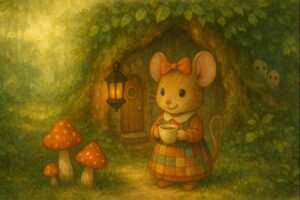
Printable Bonus: Millie Mouse Character Traits Sheet Use this tool to reinforce emotional literacy:
Millie is… 🐭 Curious
Kind
Thoughtful
Brave
Gentle
Looking for superheroes that don’t turn family movie night into a trust-fall exercise with a therapist?
Superman and Other Kid Friendly Superheroes for Safe Family Enjoyment
I like to think of myself as a superhero curator for parents who want capes and heroics without the existential dread and PG-13 trauma therapy. I’ll walk you through classic, kid-friendly options — what to read, what to watch, and what to avoid — all while trying not to wear my cape indoors (it’s a tripping hazard).
Below I cover the big names and some less obvious picks, recommend specific comics, TV shows, and movies, and offer practical tips for enjoying them safely with kids. If you ever feel unsure about a title, ask staff at local comic shops for age-appropriate recommendations — they usually know the difference between “fun family adventure” and “grimdark midnight snack for adults.”
Why pick kid-friendly superhero media?
I believe the best superhero stories for children are the ones that inspire bravery, creativity, and kindness without normalizing extreme violence, trauma, or grim moral ambiguity. Kid-friendly superhero media tends to focus on clear stakes, humor, teamwork, and hopeful resolutions, which makes it easier to discuss themes and model positive behavior.
I’ll point out where things might get darker (because even Superman has a bad week in some modern arcs). My job here is to make sure you can enjoy the mythic thrills while keeping the bedtime stories routine intact.
This image is property of images.unsplash.com.
Quick reference table: titles and age guidance
Here’s a compact table to help you pick at a glance. Age ranges are general guidelines; consider your child’s sensitivity and maturity.
| Hero | Recommended Age Range | Kid-Friendly Comics | Kid-Friendly TV | Kid-Friendly Movies / DVDs | Notes |
|---|---|---|---|---|---|
| Superman | 5+ (with parental guidance for younger) | Superman Family Adventures; Superman Adventures | Fleischer ’40s shorts; Superman: The Animated Series (’90s) | Christopher Reeve films (classic) | Avoid modern “Death of Superman” arc for little kids |

| Hulk | 6+ | Marvel Adventures Hulk; Marvel Adventures The Avengers; Incredible Hulk Visionaries | 1970s live-action; 1996 animated series; Hulk and the Agents of S.M.A.S.H. (DVD) | Where Monsters Dwell; Iron Man and Hulk: Heroes United; Super Hero Adventures: Frost Fight! | Some portrayals make Hulk monstrous — choose gentler adaptations |
| Spider-Man | 6+ (younger if comics are toned down) | The Amazing Spider-Man Epic Collections (early Lee/Ditko); Ultimate Spider-Man; Ultimate Comics Spider-Man (Miles) | Spider-Man and His Amazing Friends; Ultimate Spider-Man | Sam Raimi trilogy (suitable ~8–10); MCU entries may be intense | Miles Morales adds modern representation — very kid-friendly in animated form |
| Lumberjanes | 8+ | Lumberjanes collected trades (all-ages) | No current show | Movie in development | Girl-led, campy, positive themes; great for group reads |
| Bone | 9+ | Bone: The Complete Cartoon Epic; Full-color anniversary edition | None | N/A | Long, epic read that mixes humor and fantasy — great as a summer project |
How I decide what’s “kid-friendly”
I use a few personal heuristics, and yes, I’ve made mistakes (I once queued up a “family movie” that required three hugs afterward). Here’s how I avoid that:
- Tone over label: Even a PG-13 label isn’t enough. I prioritize a consistently hopeful tone, clear moral lines, and humor that lands for younger viewers.
- Context matters: A superhero’s lore might include darker moments. I look for self-contained kid-safe stories or specific adaptations aimed at younger audiences.
- All-ages lines: Publishers often produce “all-ages” or “Marvel Adventures”-style lines that strip out mature themes.
- Test-run: If I’m in doubt, I read or watch an episode before offering it to a child. It’s sacrificial parenting — but someone’s gotta do it.
This image is property of images.unsplash.com.
Superman — the classic “gentle giant” (usually)
I have a soft spot for Superman. He’s the archetype of wholesome power: strength, compassion, and a strict “no unnecessary punching” policy (okay, sometimes a punching policy happens, but still).
Why Superman works for kids
Superman exemplifies traits kids can look up to: protecting others, standing up for the little guy, and having an answer to “what would you do if you could fly?” The character’s mythic quality makes him excellent for simple moral lessons that don’t get tangled in adult cynicism.
Comics to consider
- Superman Family Adventures — A lighthearted, all-ages take with bright art and episodic stories. I like it because it’s breezy and doesn’t require a genealogy lesson to understand who’s picking up the phone.
- Superman Adventures — Based on the ’90s animated series, this collection translates the show’s tone beautifully to comics and is very accessible for younger readers.
- Caution: Modern Superman arcs — like “The Death of Superman” — are emotionally intense and have heavier stakes. I would save these for an older audience or prepare to snack on tissues.
TV recommendations
- Fleischer ’40s shorts — Animated classics that are surprisingly captivating and a little bit of history. They’re short, punchy, and feel like superhero fast food (but the wholesome kind).
- Superman: The Animated Series (’90s) — Available on streaming services like Amazon Prime at times. It captures comic book grandeur with approachable storytelling and is a favorite among parents who grew up with it.
Movie recommendations and warnings
- Christopher Reeve films — Warm, earnest, and still surprisingly solid today. Great for family viewing and for showing Superman’s golden-age optimism.
- Recent theatrical films — Tend to be grimmer and more introspective. They have their virtues, but I wouldn’t bring them into a living room with a six-year-old expecting bedtime stories to be uneventful.
What I watch out for
Even within Superman’s universe, certain villains, storylines, or reboots can take things darker. I screen arcs if they’re modern, and I almost always choose adaptations explicitly pitched to families.
Hulk — smashy fun with a side of caution
I will admit: the first time I watched a Hulk episode with a kid, we both made a synchronized “HULK SMASH!” face in the mirror. There’s catharsis in the tantrum metaphor, but the character can swing from lovable to monstrous depending on the adaptation.
There’s a visceral appeal to transformation and controlled chaos. Hulk’s emotional volatility can be a helpful entry point to talk about big feelings, frustration, and managing anger — with the caveat that parents should contextualize the consequences.
Comics to consider
- Marvel Adventures Hulk — An all-ages line that keeps the smashing to sensible limits and focuses on adventure.
- Marvel Adventures The Avengers — If you want Hulk in team situations but still family-friendly.
- Incredible Hulk Visionaries — Classic Byrne stories that are more traditional comics fare; they’re enjoyable but can sometimes be dense for younger readers.
TV shows I recommend
- 1970s live-action series — A nostalgic watch; it’s dated but showcases a different kind of storytelling.
- 1996 animated series — More modern pacing and kid-friendly episodes.
- Hulk and the Agents of S.M.A.S.H. — Available on DVD and made with children’s viewing sensibilities in mind; it’s playful and team-oriented.
Movies and direct-to-video picks
There are several kid-oriented direct-to-video titles that present Hulk without adult-level menace:
- Where Monsters Dwell
- Iron Man and Hulk: Heroes United
- Super Hero Adventures: Frost Fight!These are shorter, targeted at younger viewers, and usually come with clearer resolutions.
Warnings
Some Hulk portrayals turn him into a monster or focus heavily on graphic destruction. I prioritize adaptations that keep him heroic and reflective rather than terrifying.
This image is property of images.unsplash.com.
Spider-Man — teen hero, big heart
Spider-Man is my go-to recommendation for relatable hero stories. He’s a teenager for a reason: he faces school, responsibility, and awkward social moments along with supervillains.
Why Spider-Man clicks with kids
Peter Parker’s misadventures are a reminder that being good doesn’t mean being perfect — which is reassuring for kids. Miles Morales expands representation and brings modern, culturally rich contexts that feel fresh and accessible.
Comics to consider
- The Amazing Spider-Man Epic Collections — Early Stan Lee/Steve Ditko stories are classic, spirited, and iconic. They’re sometimes dated but foundational.
- Ultimate Spider-Man — A modern teen Peter Parker that reads like YA fiction with web-slinging.
- Ultimate Comics Spider-Man (Miles Morales) — Miles is contemporary, diverse, and an excellent role model. His origin story is emotionally resonant and kid-appropriate in many adaptations.
TV shows I recommend
- Spider-Man and His Amazing Friends — A retro cartoon that’s a lot of fun and very kid-oriented.
- Ultimate Spider-Man (animated series) — Balances humor and heroics, though some episodes have stakes that seem slightly higher; still generally kid-friendly.
Movies: who’s okay and who to be cautious about
- Sam Raimi trilogy (Tobey Maguire) — Often cited as appropriate for younger kids around 8–10. They’re dramatic but still aligned with classic hero storytelling.
- MCU Spider-Man and crossover films — The MCU mix of intensity and adult themes can be a stretch for very young viewers, especially if villain motives get complex or fight scenes are frenetic.
What I find especially useful
Miles Morales’ animated adaptations (e.g., Spider-Man: Into the Spider-Verse) are visually striking and heartwarming, though Into the Spider-Verse has some intense moments — make a judgment call based on your child’s sensitivity. The animated TV shows usually tone things down and focus on humor and adventure.
Lumberjanes — girl-led, all-ages campy adventure
I confess: Lumberjanes is the kind of comic that makes me wish summer camp involved less chaperone paperwork and more mythical creatures and friendship bracelets with magical gibberish inside.
Why Lumberjanes is perfect for families
It celebrates friendship, curiosity, and inclusivity. The stories are funny, imaginative, and emphasize teamwork — perfect for group reading or sharing with older kids who like fantasy but not abandonment to grim themes.
Comics and related media
- Lumberjanes collected trade paperbacks — The series runs over 40 issues and is collected in accessible volumes. It’s YA/all-ages friendly and easy to hand a child.
- YA novels — There’s a novel series that adapts the comics’ spirit into longer reads for middle-grade and young-teens.
- Screen prospects — No active TV adaptation as of recent updates, but a movie has been in development for some time. I try to keep expectations low for Hollywood timelines, but the property is ripe for adaptation.
Good uses
Lumberjanes is excellent for group reads, library circles, or introducing themes of friendship and problem solving without resorting to cliché moralizing. The humor is sharp, and I find myself laughing aloud during passages that still feel appropriate for kids.
Bone — a long, rich fantasy for older kids
Bone might be my literary equivalent of a giant chocolate cake: it’s lengthy, layered, and best shared over multiple evenings. It’s ideal if your child is ready for an ongoing epic that blends slapstick with serious fantasy.
Why Bone is a worthy long read
It mixes silly, cartoonish characters with a sweeping fantasy plot that keeps getting richer. The tonal balance between humor and higher stakes means you can start light and ease into more complicated themes as the story progresses.
Editions and format
- Bone: The Complete Cartoon Epic — A single-volume collection around 1,332 pages; satisfying for a summer read or long-term project.
- Full-color anniversary edition — A visually lavish version that makes the book feel like an event. It’s great for kids who appreciate vibrant art.
Age and pacing tips
Bone is better for readers who can handle longer narratives and slightly more complex themes, generally middle-grade and older. I recommend reading it together or planning time for discussion, because some sections get a bit more serious and benefit from parental context.
Practical tips for family-friendly superhero enjoyment
I have an emergency checklist I use before any superhero session. It’s mostly common sense, with a sprinkle of “lessons I learned the hard way.”
Tip: Ask staff at local comic shops
If unsure about a title, ask staff at local comic shops for age-appropriate recommendations. I’ve found that good shop staff are invaluable — they’ll point you toward all-ages lines and tell you which trade collections are self-contained and safe.
Screening and previewing
- Read reviews on sites like Common Sense Media for age-appropriate breakdowns.
- Flip through collected editions in a bookstore to get a feel for tone and images.
- Watch or read an episode/issue ahead of time if you can. Quality control is a sacrifice I make often.
Look for certain labels
- “All-ages” or “kids” lines (e.g., Marvel Adventures) are your best friends.
- Collected editions tend to gather self-contained arcs with consistent tone and fewer abrupt content shifts.
Use curated bundles
- DVDs of specific shows (e.g., Superman cartoons, Hulk family DVDs) can be reliable choices because they’re packaged for family audiences.
- Streaming services sometimes blur ratings; check episode descriptions and reviews before queuing.
Conversation starters after watching/reading
I always have a few questions ready to turn entertainment into teachable moments:
- What did the hero do that you liked?
- How did the hero show kindness or teamwork?
- What would you do differently in that situation?
Framing superhero action as problem-solving helps kids connect fiction to real-life choices.
How to handle darker or complex storylines
Sometimes a classic hero franchise will have a darker storyline. I don’t pretend these aren’t valuable — they just need context.
- Save them for later: Mature arcs (e.g., certain Superman reboots) are better for older kids or teens when grounded with discussion.
- Prepare a cheat-sheet: If you plan to watch a more intense movie, have a short explanation ready to help process themes.
- Use parental controls and ratings as a first filter, then do a quick content scan.
Simple, fun family activities around superheroes
I’m a big fan of turning media into hands-on fun. Here are some lighthearted, low-effort activities to extend the superhero experience.
- Costume nights: Encourage creativity with homemade capes (bed sheets not recommended if someone is likely to cliff-jump).
- Comic-making: Fold some paper, draw panels, and have kids create their own one-page adventure.
- Themed snacks: “Kryptonite” green Jell-O or “power-up” fruit skewers. Minimal mess, maximum morale.
- Book club: Read a Lumberjanes or Bone chapter a night and talk about it like it’s a very serious literary agency meeting.
Where to find these titles and formats
I recommend a mix of libraries, reputable online retailers, and local comic shops.
- Libraries — Great for trying things out before buying. Many libraries carry graphic novel collections, kids’ DVDs, and even digital comic services.
- Local comic shops — Staff recommendations and curated all-ages bins. They also often sell collected editions and can point you to appropriate series.
- Streaming services — Check platform availability; catalogs change. Use parental controls and read episode descriptions.
- Bookstores and online retailers — Collected trades, anniversary editions, and boxed sets are often sold as family-friendly packages.
Final note (the non-spoiler kind)
I like to finish with the practical nugget that keeps parenthood and fandom from colliding catastrophically: look for all-ages lines (e.g., Marvel Adventures), cartoons, and collected editions to avoid mature content; availability varies between streaming, DVD, and print. If you’re ever unsure, remember the sage advice: ask staff at local comic shops for age-appropriate recommendations. They’re often willing to steer you toward the best versions for family viewing.
I hope this helps you assemble a superhero roster that keeps the wonder alive and the nightmares out. If you want, I can tailor a list for a specific age group, recommend exact volumes to buy, or plan a three-week “superhero summer” reading schedule that pairs comics, cartoons, and craft nights. I’ll bring the snacks — you bring the parental discretion.
Visit us again for more great books reading and recommendations at: https://booksforminds.com/
.