How to Handle Bedtime in Small Homes or Shared Rooms: Practical Tips for Calmer Nights
To handle bedtime in a small home or shared room, focus on predictable routines, lower stimulation, clear sleep zones, and simple agreements about light and noise. You do not need a separate bedroom for every child to create a calmer bedtime environment.
Understanding how to handle bedtime in small homes or shared rooms is essential for a peaceful evening routine.
Shared bedrooms and smaller homes can make bedtime more complicated because one space may need to support play, storage, reading, siblings, and sleep. The goal is not to create perfect silence or complete separation. It is to make the sleeping area feel recognizable, comfortable, and less stimulating when bedtime begins.
Learning how to handle bedtime in small homes or shared rooms will help create a smoother transition to sleep.
For families with young children, even small changes—such as preparing bedtime items earlier, lowering the lights, reducing competing activity, and ending the evening with a gentle story—can make shared spaces feel more settled.
Key Takeaways
- Shared bedrooms can work well when bedtime cues are predictable.
- Reduce sudden noise and bright light rather than aiming for perfect silence or darkness.
- Give each child a recognizable sleep area, even if the room itself is shared.
- Keep the bedtime sequence simple and repeatable.
- Prepare bags, clothes, and other noisy tasks before one child is trying to sleep.
- Use gentle stories and quiet connection as a shared transition into bedtime.
- Adapt routines when siblings have different ages or bedtimes.
When figuring out how to handle bedtime in small homes or shared rooms, consider each child’s preferences.
- Seek healthcare advice when persistent sleep problems include breathing concerns, severe daytime sleepiness, or other worrying symptoms.
How Do You Make Bedtime Work in a Small Home or Shared Room?
Finding effective methods on how to handle bedtime in small homes or shared rooms can ease stress for both parents and children.
The most useful approach is to make bedtime predictable even when the physical space is shared.
Focus on four things:
- reduce competing noise and light,
- give each child a recognizable sleeping area,
- keep the routine familiar, and
- move noisy or stimulating activities away from the final bedtime period.
A child does not need a separate room to experience a clear bedtime transition. Familiar cues can create a sense of “this is my sleep space now,” even inside a shared bedroom.

A 10-Step Bedtime Plan for Shared Rooms
Using strategies on how to handle bedtime in small homes or shared rooms can foster positive sleeping habits.
- Choose a predictable bedtime sequence.
- Move noisy tasks earlier.
- Reduce highly stimulating play before bedtime.
- Lower bright lighting during the wind-down.
- Give each child a recognizable sleeping area.
- Prepare comfort items before lights out.
- Use one shared quiet activity, such as reading.
- Reduce sudden household noise where practical.
- Use a familiar goodnight phrase.
- Review what is actually causing disruption before adding more rules.
You do not need to introduce all ten changes at once. Start with the one or two issues causing the most disruption.
How to Help Children Sleep in the Same Room
Every family can benefit from learning how to handle bedtime in small homes or shared rooms effectively.
Children sharing a bedroom often benefit from clear individual cues inside the shared routine.
Give Each Child a Small Sense of Ownership
Even when the room is shared, each child can have:
- their own blanket or pillow,
- a familiar comfort object,
- a small bedside area,
- a designated book, or
- a consistent place for personal bedtime items.
Reduce Competition for Attention
If siblings compete for the parent during bedtime, create a predictable turn-taking pattern.
For example:
“We choose the story together, then each of you gets your own goodnight cuddle.”
The parent does not need to create two completely separate routines if that is not practical.
Use the Same Broad Sequence
A shared-room routine might be:
Wash → Pajamas → Teeth → Story → Individual Goodnight → Quiet Room
Bedtime Stories Can Help Shared Bedrooms Feel Calmer
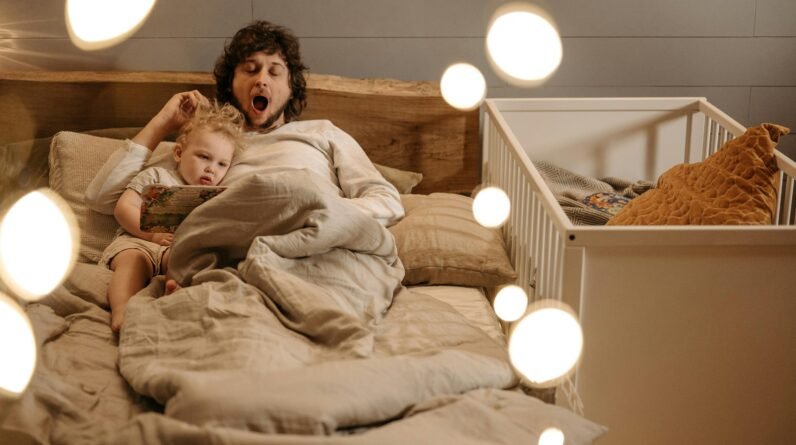
A shared bedtime story gives siblings one quiet activity to focus on together before the final goodnight.
Stories can be especially useful in shared spaces because they:
- replace active play with a quieter activity,
- give children shared parent attention,
- create a recognizable end-of-day cue, and
- reduce the number of separate activities happening in the room.
Choose stories that are gentle, manageable to finish comfortably, and suitable for the youngest or most sensitive child in the room.
Explore our
Bedtime Stories for Kids
or
Non-Scary Bedtime Stories for Kids
.
How to Reduce Noise in Shared Sleeping Spaces
Explore various ways of how to handle bedtime in small homes or shared rooms to promote a safer environment.
The goal is not perfect silence. In many family homes that is unrealistic.
Focus instead on reducing sudden, disruptive sounds.
Simple Noise-Reduction Ideas
- close doors gently,
- prepare clothes and bags before bedtime,
- move louder conversations away from the sleeping area,
- place soft rugs or curtains in echoing rooms,
- lower device volume, and
- use steady background sound if your child finds it helpful.
If you use a white-noise machine or app for a child, keep the device at a sensible distance and volume rather than placing it close to the child’s head.

How to Manage Light in a Shared Room
Lighting can be difficult when one child is settling while another still needs to move around the room.
Practical Light Strategies
- use a lower bedside or task light instead of a bright overhead light,
- position the light away from the child who is settling,
- close curtains if outside light is disruptive,
- use a small nightlight if your child finds darkness frightening, and
- keep screens out of the child’s direct view during the final routine.
The goal is not complete darkness if that makes your child uncomfortable. Use the lowest practical level of light that supports both comfort and the family’s needs.
How to Create Separate Sleep Zones Without Extra Bedrooms
Children do not necessarily need walls between them to experience some separation.
A sleep zone can be created with:
- different bedding,
- small bedside storage,
- a rug defining part of the room,
- a low bookshelf placed safely,
- clearly separated personal items, or
- a simple visual divider where safe and appropriate.
Safety should come before visual separation. Avoid unstable furniture, hanging fabrics, cords, or anything that creates entrapment, climbing, or fire risks.
Furniture in Small Shared Bedrooms
Space-saving furniture can help, but choose items based on the age of the children, available floor space, and manufacturer safety guidance.
| Furniture Idea | Possible Benefit |
|---|---|
| Under-bed storage | Reduces visible clutter |
| Storage bench or ottoman | Combines seating and storage |
| Daybed with drawers | Combines sleeping and storage space |
| Bunk bed | Can create more usable floor space when age-appropriate and safely installed |
| Wall-mounted storage | Uses vertical space while keeping the floor clearer |
How to Handle Siblings With Different Bedtimes
Children sharing a room do not always need identical bedtimes.
If one child needs to settle earlier, give the other child a quiet activity outside the bedroom where possible.
Helpful strategies include:
- starting the younger child’s routine first,
- giving the older child quiet reading time elsewhere,
- preparing pajamas and clothes before the first child settles,
- using lower task lighting when someone enters later,
- avoiding long conversations inside the room, and
- keeping the later child’s routine as quiet as practical.
If several children make bedtime difficult to coordinate, the most useful approach is usually to simplify the routine rather than create a completely separate system for everyone.
How to Build a Bedtime Routine in a Tight Space
Small homes benefit from routines that require very little equipment.
A simple formula is:
- reduce stimulation,
- complete practical bedtime tasks,
- lower the room’s activity level,
- read or connect quietly, and
- use the same goodnight cue.
Possible calming activities include:
- shared reading,
- quiet drawing,
- a gentle song,
- soft conversation,
- simple stretching, or
- a short bedtime story.
For a broader routine framework, see
How to Create a No-Drama Bedtime Routine
.

How Technology Can Help Without Taking Over Bedtime
Knowing how to handle bedtime in small homes or shared rooms can enhance the overall sleep experience.
Technology can be useful in shared spaces when it solves a specific practical problem.
Examples include:
- a white-noise device or app,
- a dimmable lamp,
- a simple bedtime timer,
- headphones for an older family member using media elsewhere, or
- device settings that reduce notifications during the bedtime period.
Avoid adding technology just because it is available. If a simple routine change solves the problem, that is usually easier to maintain.
When Shared-Room Sleep Problems May Need Professional Advice
Consider how to handle bedtime in small homes or shared rooms to provide a calming atmosphere.
A shared room can make sleep interruptions more noticeable, but not every sleep difficulty is caused by the environment.
Consider speaking with an appropriate healthcare professional if your child has:
- frequent loud snoring,
- gasping, choking, or pauses in breathing during sleep,
- significant daytime sleepiness,
- persistent sleep difficulties affecting daily life,
- severe or worsening bedtime anxiety,
- frequent night-time events that concern you, or
- behavioural or developmental changes that worry you.
If the problem persists even when the sleeping environment and bedtime routine are reasonably settled, professional advice can help identify whether something else is contributing.
Frequently Asked Questions About Bedtime in Small Homes and Shared Rooms
How do you help kids sleep in the same room?
Use a predictable routine, reduce unnecessary noise and bright light, give each child recognizable personal bedtime items, and make the shared room quieter once the final bedtime routine begins.
Do siblings need the same bedtime if they share a room?
Not necessarily. If one child needs to settle earlier, keep the later child’s activities quiet and prepare clothes, bags, and other noisy tasks in advance where possible.
Is white noise necessary in a shared bedroom?
No. Some families find steady background sound useful for masking unpredictable household noise, while others do not need it. Use it only if it helps your child and follow sensible volume and placement practices.
How can I reduce light without making the room completely dark?
Use lower task lighting, curtains, or a small nightlight where needed. The goal is to reduce unnecessary brightness while keeping the room comfortable and practical for everyone sharing it.
How can I give children privacy in a shared bedroom?
Give each child a recognizable sleep zone using separate bedding, small storage areas, rugs, or safe visual boundaries. Privacy does not have to mean building a physical wall.
Can bedtime stories help siblings settle together?
Yes. One shared story can replace active play with a quieter activity and give siblings a predictable transition into bedtime. Choose a story suitable for the youngest or most sensitive child.
What should I do if siblings keep talking after lights out?
Keep the expectation simple and consistent. Allow some quiet settling if it is not disruptive, but return to a familiar phrase if conversation keeps restarting the evening: “It’s quiet bedtime now. We can talk again tomorrow.”
How can I make a small bedroom feel calmer?
Reduce visible clutter where practical, keep bedtime items easy to find, use comfortable lower lighting, and create clear sleeping areas. You do not need an elaborate redesign.
Should I buy special furniture for a shared room?
Understanding how to handle bedtime in small homes or shared rooms can alleviate anxiety during sleep time.
Not necessarily. Start with organization and routine before buying new furniture. If you do use bunk beds, loft beds, dividers, or other space-saving products, follow age, installation, and safety guidance carefully.
When should I seek professional help for sleep problems?
Seek appropriate healthcare advice for frequent loud snoring, breathing pauses, severe daytime sleepiness, persistent sleep difficulties, significant anxiety, or other health or developmental concerns.
Final Thoughts
Handling bedtime in a small home or shared room is less about creating perfect sleeping conditions and more about making the space predictable when bedtime begins.
Ultimately, the focus is on how to handle bedtime in small homes or shared rooms in a way that works for everyone.
Reduce the biggest sources of interruption. Give children recognizable sleep areas. Move noisy tasks earlier. Use lower lighting. Keep the routine short. Create one shared quiet activity, such as a gentle bedtime story, before the final goodnight.
A shared room may never be completely silent or private, and it does not need to be.
When children know what happens next and the environment gradually becomes quieter, a small shared space can still provide what bedtime needs most: comfort, familiarity, connection, and a clear ending to the day.
Overall, how to handle bedtime in small homes or shared rooms effectively can create a nurturing environment.