



Seaside Escape at Crandon Park in Miami
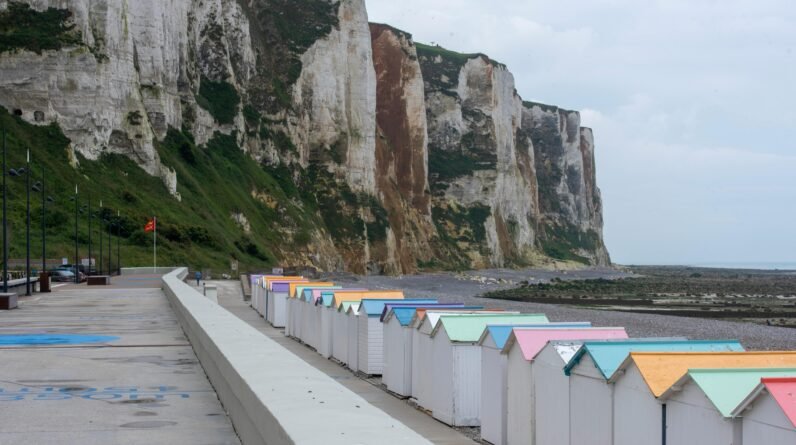
Seaside Escape at Crandon Park in Miami. Have you ever felt the sudden, quiet urge to leave the city behind for a day where sand, water, and the slow rhythm of gulls rearrange your thoughts?
Seaside Escape at Crandon Park in Miami
Crandon Park on Key Biscayne is one of those places that makes small kindnesses out of ordinary things: a shaded picnic table that somehow stays dry, a lifeguard with an easy way of speaking to children, the clean line where dunes meet the sea. You’ll find wide beaches, calm swimming areas, mangrove trails, and recreational facilities all gathered within acres of coastal landscape that feel both deliberate and unhurried. This article helps you plan a full, comfortable visit—what to expect, when to go, what to bring, and how to behave like someone who cares about the place you’re enjoying.

This image is property of images.pexels.com.
Quick overview
You’ll want a snapshot before you commit to the day. Crandon Park is on Key Biscayne, just across the causeway from the mainland, and functions as a municipal park with a mix of natural habitat and family-friendly amenities. The beach tends to be family-oriented, with shallow water in many spots and spaces designed for picnics, sports, and quiet observation.
Location and basic directions
Knowing exactly where you’re headed calms the small anxieties that sneak into travel plans. Crandon Park sits on the northern shore of Key Biscayne, reachable from downtown Miami via the Rickenbacker Causeway. You’ll see signs for Key Biscayne; the park is a short drive once you cross the causeway.
If you’re coming by car, expect to use the causeway and follow signage to the park’s main parking. If you prefer public transit, there are buses that service Key Biscayne depending on schedules and season. Ride-share services drop off close to park entrances, though pedestrian access from other parts of Key Biscayne is pleasant if you like a walk.
Park history and character
The park has a backstory that informs how it looks and feels today, and that matters when you’re standing by the water trying to decide where to plant your umbrella. Crandon Park was developed in the mid-20th century and has a mixture of recreational development and managed natural areas. You’ll notice historical layers in the layout: older picnic shelters, newer boardwalks to protect dune habitats, and recreational complexes that reflect changing community needs.
This balance between people and place is deliberate. The park managers aim to keep the shoreline accessible while protecting the dunes and the wildlife that rely on them. When you pay attention, the land and the people using it seem to have adapted to one another with a kind of polite compromise.
Park hours and entry (what to expect)
It helps to have a clear sense of timing so you don’t arrive when gates are closed or facilities are limited. Crandon Park generally opens in the morning and closes around sunset, following the typical municipal park schedule, but exact hours can change with seasons and events. You’ll find lifeguards on duty during popular hours in peak season, and restrooms and showers are usually open through the day.
Most municipal parks charge an entry fee for vehicles and sometimes for non-resident visitors. Fees and permit requirements shift over time, so you should check the official Miami-Dade Parks & Recreation site for the most current rates and any special event schedules before you plan your visit.
Facilities and amenities
You’ll appreciate a concise list when you’re packing and deciding how to spend your time. The following table summarizes the most useful facilities at Crandon Park and what you can expect from each.
Facility | What you’ll find | Notes |
|---|---|---|
Beach and shoreline | Wide sandy beach, gentle slopes | Good for families and casual swimming; popular on weekends |
Lifeguards | Stations during peak times | Swim between flags; lifeguards enforce safety rules |
Restrooms & showers | Public restrooms and outdoor rinse showers | Locations near major beach access points |
Picnic areas & shelters | Tables, some with grills | Some shelters can be reserved for groups |
Playgrounds | Modern play structures | Well-shaded areas for small children |
Tennis center | Public tennis courts and programs | Reservation and fee-based; lessons often available |
Marina & boating | Boat ramps and mooring in nearby areas | Rentals may be available seasonally; check in advance |
Nature trails & boardwalks | Mangrove and dune paths | Great for birdwatching and short walks |
Parking | Large lots near beach and amenities | Can fill early on weekends; parking fees typical |
Accessibility | ADA access points and paths | Some beach mats and ramps may be present; verify availability |
Beach experience: what the shoreline is like
You’ll probably be drawn first to the sand and water, because that’s the easiest kind of delight. Crandon Park’s beaches are notable for their wide stretch of soft sand and relatively calm, inviting water in many areas. The shoreline is family-friendly, making it easy to watch small children at play without feeling overwhelmed.
Colors change as the day passes: the morning is often cooler and less crowded, midday brings a hum of conversation and umbrellas, and evening surrenders the sky to soft oranges and quiet silhouettes. You’ll want to scout a spot that balances sun and shade, and keep an eye on flag warnings about currents or conditions.
Swimming, snorkeling, and paddle sports
If you like being in the water, you’ll find plenty to do and few surprises. Swimming is the primary activity for most visitors, while calmer spots and nearby protected areas can be good for snorkeling and paddleboarding. Remember that visibility and reef presence can vary; shallow areas are usually sandy rather than rocky, which makes snorkeling different from reef snorkeling experiences elsewhere in Florida.
Paddleboarding and kayaking are especially pleasant in the bay and protected inlets where the water is calmer. You’ll want to respect swimming areas and boat channels, and always use a leash for paddleboards in case of wind.
Lifeguards and safety
There’s a certain comfort in seeing a lifeguard tower without knowing you’ll need it. Lifeguards are staffed during busy times, and you should always swim between the flagged areas they mark. If there are strong currents, they’ll post warnings or close parts of the beach as needed.
You’ll appreciate carrying a small first-aid kit and staying hydrated under the sun. Keep an eye on weather updates, especially in summer when thunderstorms can arrive quickly.
Nature, wildlife, and conservation
Part of the park’s quiet charm comes from the sense that the natural features are being looked after. Crandon Park contains dune systems, mangrove stands, and habitats used by birds, marine life, and sometimes nesting sea turtles. When you go into these spaces, you’ll be moving through ecosystems that deserve your courtesy and minimal footprint.
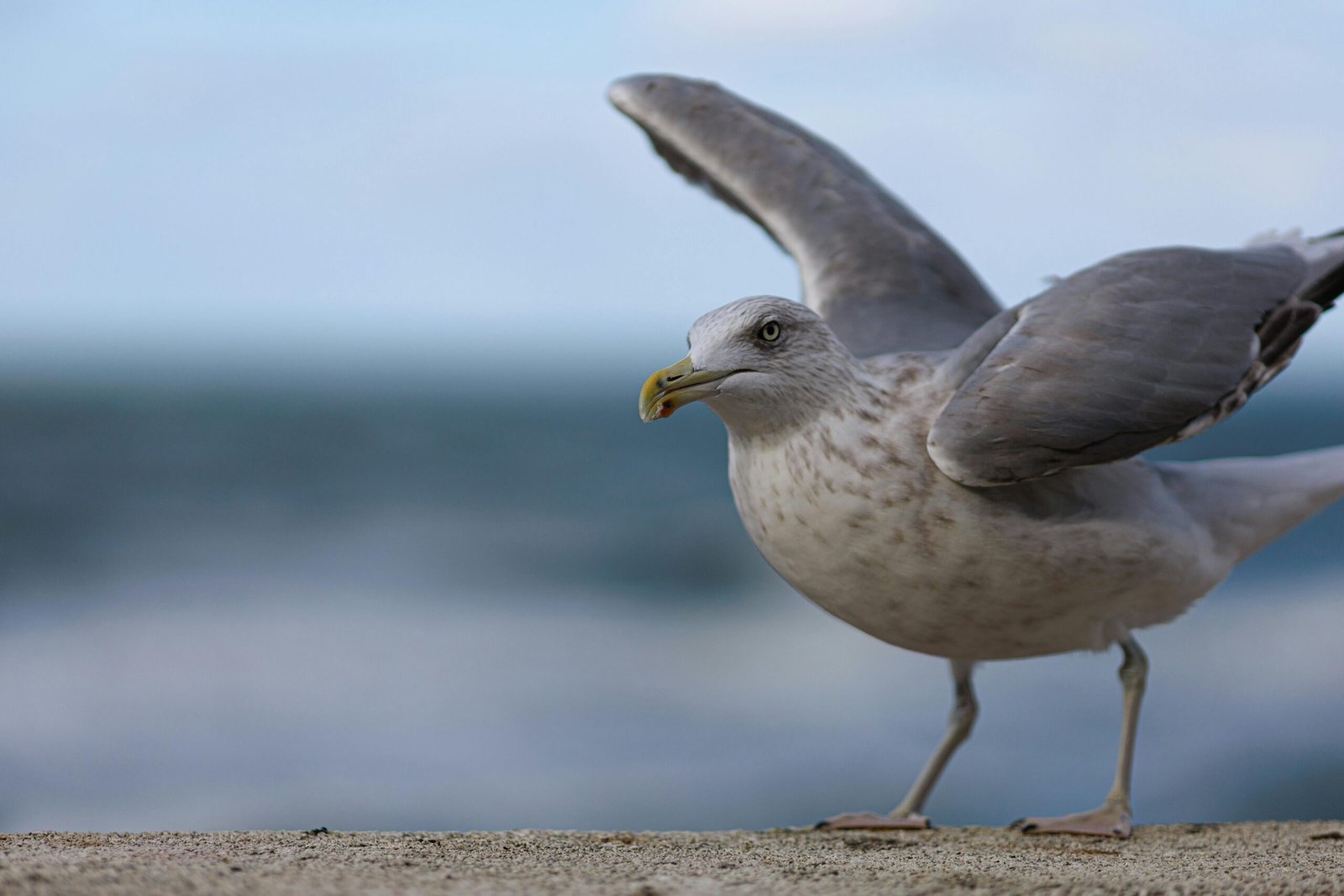
If you’re at the beach during nesting season, you may encounter fenced-off areas protecting nesting turtles. Respect the barriers and reduce light usage at night in the vicinity to avoid disorienting hatchlings. You’ll also notice many birds—herons, terns, plovers—that use the shoreline as feeding and resting spots.
Birdwatching and flora
You don’t need to be a dedicated birder to enjoy watching the small, focused gestures of shorebirds. A pair of binoculars and a patient pace will reward you with sightings of herons wading and small shorebirds probing the sand. Mangroves and native dune vegetation hold the shoreline together and are worth observing from the boardwalks rather than trampling through.
Bring a guidebook or an app if you like identifying species, but also indulge in the simple pleasure of watching the habitual behaviors of birds and the rhythm of tides.
Family-friendly activities
You’ll notice a lot of families here, and the park is set up to make your day easier if you have small people in tow. There are playgrounds, picnic tables, shallow swimming areas, and restrooms. The wide beach means that children can run a distance without feeling crowded.
Pack baby supplies, snacks, and sun protection, and plan for breaks out of the sun. Young children especially benefit from a shaded spot where they can nap or read quietly while an adult keeps them company.
Playground and picnic planning
Picnic pavilions can be great for a midday meal, and some of the larger shelters allow reservations for group gatherings. You’ll want to bring paper towels, a cooler, and a simple cleanup plan—trash receptacles are available but can fill quickly on busy days. If you love the idea of grilling, check the rules about charcoal or gas grills; some areas allow them, others do not.
This image is property of images.pexels.com.
Recreational and sports facilities
If you’re feeling energetic, the park supports a surprising range of activities. The tennis center often hosts public play and lessons, while open spaces and fields are used for beach volleyball, frisbee, and casual soccer. If you prefer cycling, bring your bike; there are pleasant paths and quiet streets on Key Biscayne for a relaxed ride.
You’ll find a marina and boat launch nearby if you’re bringing or renting watercraft, and fishing from designated points can be productive for certain species. For more organized sports like sanctioned tournaments, reservations and permits may be required.
Tennis center and lessons
If you have a racket, you’ll find courts that can be reserved and instructors who offer lessons for different ages and levels. The tennis community here is active and welcoming. You’ll want to call ahead or check the online reservation system if you’re planning games or lessons during peak times.
Events, permits, and group gatherings
You may want to celebrate a special occasion by the sea, and the park does host events and group gatherings. There are reserved shelters and spaces for family reunions, birthday parties, and small weddings. For anything larger—or for commercial photography and organized events—you’ll need to secure permits in advance.
If you plan to set up chairs, large structures, or amplified sound, check the permits and restrictions so your day doesn’t end with an unwelcome visit from park staff.
Rules, regulations, and respectful behavior
Part of visiting successfully is knowing the local rules so you can enjoy yourself without friction. Crandon Park typically enforces common-sense rules: no glass containers on the beach, proper disposal of trash, leash laws for dogs where allowed, and strict protections for wildlife and nesting areas. Alcohol and smoking may be restricted or prohibited in certain areas.
You’ll find that following posted signs and the guidance of park staff keeps the day pleasant for everyone. If you see stray litter or an area in need, a quiet, self-directed act—pick it up and put it in the nearest receptacle—goes a long way.
Accessibility and accommodations
You’ll find that many park areas aim to be accessible to a wide range of visitors. There are paved paths, accessible restrooms, and in some cases beach mats or ramps to help you reach the sand. If you or someone in your group needs specialized assistance, contact the park in advance to confirm specific accommodations like beach wheelchairs or accessible parking.
Being proactive helps. Requesting information about access points and available assistance will ensure your visit matches the needs of your party.

This image is property of images.pexels.com.
What to pack: a practical checklist
It’s the small items that often determine whether your day feels carefree or slightly inconvenient. The following table helps you assemble a sensible kit for a beach day at Crandon Park.
Item | Why you’ll want it | Notes |
|---|---|---|
Sun protection (sunscreen, hat, sunglasses) | Sun is strong and persistent | Reapply sunscreen throughout the day |
Beach umbrella or pop-up shade | Creates a retreat from midday sun | Secure it well in wind |
Towels and beach blanket | For comfort and warmth after swimming | Quick-dry towels are handy |
Gloves, small trash bag | Keep the picnic area tidy | Leave no trace when you leave |
Reusable water bottles | Stay hydrated | Fill before you arrive if possible |
Snacks or picnic lunch | Food options nearby can be limited at peak times | Cooler with ice prolongs freshness |
Change of clothes and swimwear | For comfort on the ride home | Sand sticks to everything—be prepared |
Binoculars and field guide | For birdwatching and nature appreciation | A small pleasure for slow moments |
Basic first aid kit | For minor scrapes and stings | Include motion sickness meds if you’ll be boating |
Cash or card for parking and rentals | Some services require payment on-site | Confirm payment types ahead of time |
Best times to visit and seasonal considerations
You’ll experience the park differently depending on the season and time of day. Mornings are cooler and quieter; families and weekend crowds increase midday in warm months. Winters in South Florida draw many visitors, making weekdays the friendliest time if you want more space.
Hurricane season runs in summer and fall; storms can be abrupt and severe. On such days and during severe weather advisories, you’ll find closures or restricted access. If you prefer solitude, choose shoulder seasons and weekdays.
Local dining, shopping, and nearby neighborhoods
You won’t go hungry if you plan to leave the park for a meal. Key Biscayne village and nearby neighborhoods have cafés, small restaurants, and markets. Many visitors bring a picnic for the simple joy of eating with sand beneath their feet, but if you prefer a sit-down meal after the beach, you’ll find pleasant options not far from the park.
Some shops offer beach gear if you forget something—sunscreen, hats, or a spare towel. Still, having the essentials with you keeps your day easy and relaxed.
Parking, traffic, and transportation tips
You’ll want a plan for parking, especially on busy weekends. The lots near the main entrance fill early, and street parking on Key Biscayne can reach capacity by mid-morning. Arrive early if you prefer a close spot, or consider a weekday visit when traffic is lighter.
If you’re using public transit, double-check schedules. Ride-share can be reliable, but expect short waits for pickup after a long beach day. If you’re cycling, lock your bike securely at provided racks.
Safety and emergency preparedness
You’ll enjoy the day more when you’ve thought through a few small precautions. Keep an eye on weather forecasts and park advisories before and during your visit. Teach children about beach safety, stay within lifeguarded areas, and have a meeting point if you separate.
If you see a hazardous condition—broken glass, sharp debris, or a distressed swimmer—notify a lifeguard or park official immediately. They’re trained to respond and appreciate visitors who report issues promptly.
Things to avoid doing
You’ll be happier if you know what not to do: avoid trampling dunes and vegetation, don’t leave trash or food scraps that attract wildlife, don’t disturb nesting areas, and don’t try to move wildlife even if it seems in need. Follow posted rules about fires, grills, and glass containers. Simple respect keeps the park healthy and your visit uncomplicated.
Photography and special-use considerations
If you love photography, you’ll find endless subjects—from children’s laughter to silhouettes against sunset. Commercial shoots and large group photo sessions typically require permits. If you’re shooting casually, keep to public areas and respect others’ privacy.
For wedding photography or large portrait sessions, contact park administration in advance to secure the proper permits and avoid surprises.
Sample day itinerary
You’ll feel better with a rough plan that allows both structure and the possibility of gentle change. Here’s a sample schedule to make the most of a day at Crandon Park.
7:30–9:00 AM: Arrive early. Claim a spot near shade and walk the shoreline while the light is soft and the water calm. Bring coffee and a light breakfast.
9:00–11:00 AM: Swim, snorkel, or paddleboard. Visit the mangrove boardwalk for a short nature walk between water activities.
11:00–12:30 PM: Lunch and a quiet book under your umbrella. Children nap or play in the sand.
12:30–2:30 PM: Organized activity—tennis, volleyball, or another sporty pursuit. Consider a relaxed stroll around the park.
2:30–4:00 PM: Pack up sand toys, rinse off at showers, check for any final photos or shell-collecting.
4:00–5:30 PM: Enjoy a sunset walk along the beach or visit a nearby café for dinner if you don’t want to eat on-site.
This is a flexible outline; you’ll make it your own according to weather, mood, and company.
If you’re interested in a longer visit to the island, you can add Bill Baggs Cape Florida State Park (to the south) to your plans on Key Biscayne. Each park offers its own flavor: one may be more secluded, the other more developed. You’ll find that alternating visits makes for interesting comparisons and broader appreciation.
Planning for groups and special events
You’ll need to plan ahead if you’re coordinating a group. Reserve picnic shelters as early as the park allows for busy weekends, and secure permits for amplified sound or extensive setup. Larger group activities may require specific parking arrangements or additional fees.
You’ll also want a point person to handle communication in case plans shift—texting on the day can be glitchy if service is spotty in park lots.
The final details are often the most underappreciated. Charge your phone, bring a portable battery if you intend to stay late, and lay out a simple exit plan if the weather changes. Be patient with parking and queues, and remember that a small kindness—helping someone with a cooler, offering sunscreen—goes a long way toward a day you’ll remember without fuss.
Crandon Park is both a public service and a shared responsibility. You’ll find that a little attention to rules and ecosystems returns the favor with better swimming, cleaner sand, and quieter wildlife. Leave your mark as a visible, considerate visitor who takes away memories and leaves only footprints behind.
If you’d like, I can help you plan a specific itinerary for a morning, full day, or family gathering at Crandon Park, including what to bring and timing based on typical seasonal patterns. Which kind of day are you imagining? Get more creative knowledge build books and resources for happy minds at: https://booksforminds.com/